
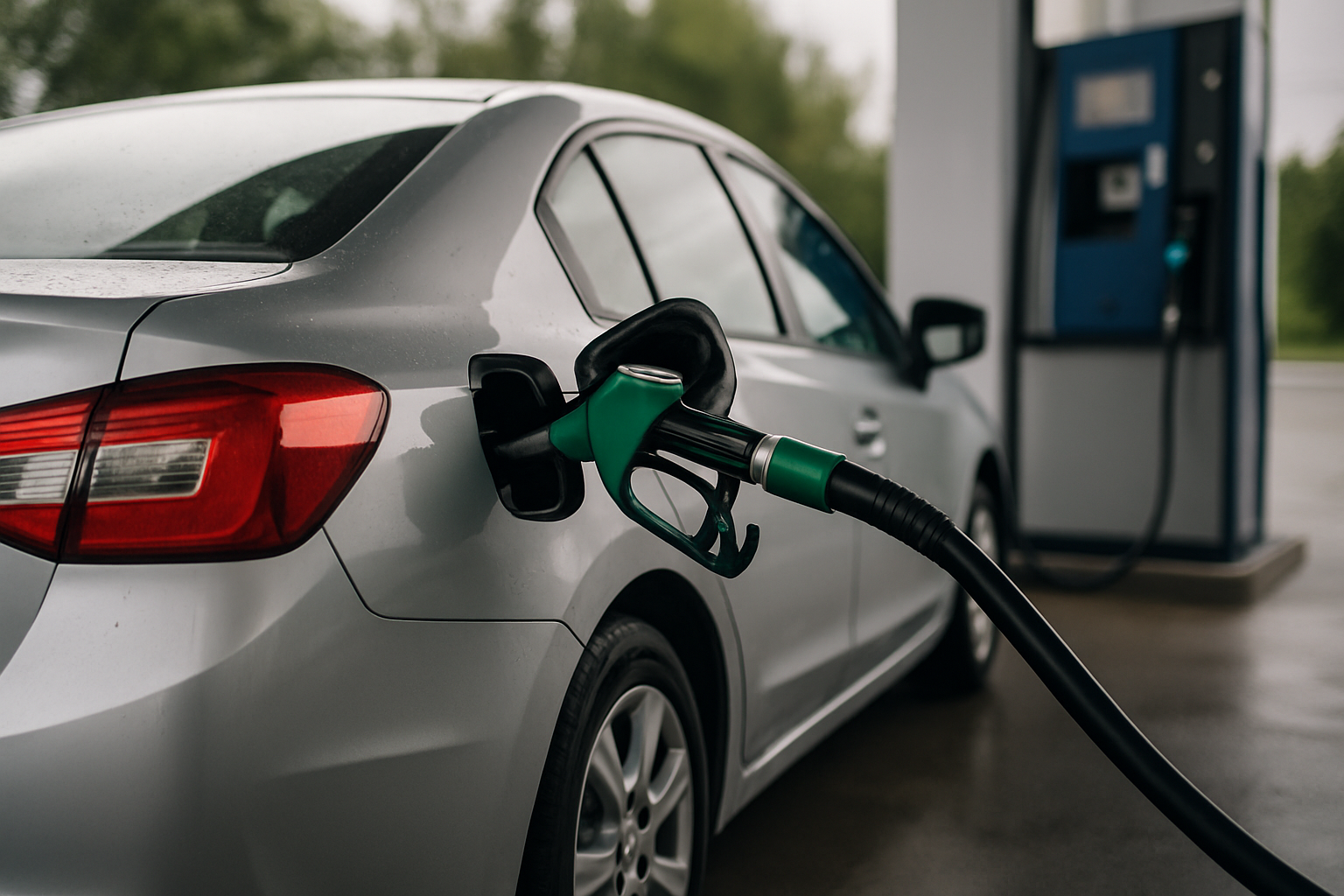
Putting the wrong fuel in your car happens more often than you’d think, and it can range from a minor inconvenience to a costly repair nightmare. Understanding the consequences and knowing what to do immediately can save you thousands of dollars and prevent serious engine damage.
The severity of your situation depends entirely on which type of fuel mix-up occurred and how much you put in your tank.
The Three Types of Fuel Mix-Ups
Not all fuel mistakes are created equal. Some will leave you stranded with a hefty repair bill, while others might barely affect your engine’s performance.
Gasoline in a Diesel Engine (Most Serious)
This scenario causes the most damage and requires immediate attention. Diesel fuel acts as a lubricant for your engine’s fuel system components, including the high-pressure fuel pump and injectors. Gasoline lacks these lubricating properties and actually works as a solvent.
When gasoline enters a diesel system, it strips away the protective lubrication and causes metal components to grind against each other. The high-pressure fuel pump, which can cost $3,000-$5,000 to replace, often suffers irreversible damage within minutes of running.
Modern diesel engines with common rail fuel systems are particularly vulnerable because they operate at extremely high pressures (up to 30,000 PSI). The precision-machined components in these systems require constant lubrication that gasoline simply can’t provide.
Diesel Fuel in a Gasoline Engine (Less Damaging)
This mix-up is less catastrophic but still problematic. Diesel fuel won’t ignite properly in a gasoline engine because it requires compression ignition rather than spark ignition. Your engine will run roughly, produce black smoke, and likely stall.
The good news is that diesel fuel won’t damage your gasoline engine’s internal components the way gasoline damages diesel systems. Your fuel injectors might get clogged with the thicker diesel fuel, but this typically doesn’t cause permanent damage.
Most gasoline engines will simply refuse to run properly on diesel, which actually protects them from serious harm.
Regular Gas in a Premium-Required Engine
This is the least serious fuel mistake, though it’s not completely harmless. High-performance engines that require premium fuel (91+ octane) use higher compression ratios and advanced timing to produce more power.
Using regular fuel (87 octane) in these engines can cause knock or ping, where the fuel ignites too early in the combustion cycle. Modern engines have knock sensors that detect this condition and retard the timing to prevent damage, but you’ll notice reduced performance and fuel economy.
Occasional use of regular fuel in premium-required engines typically won’t cause lasting damage, but consistent use can lead to carbon buildup and reduced engine life.
What to Do Immediately After a Fuel Mix-Up
Your response time and actions in the first few minutes can make the difference between a minor inconvenience and major engine damage.
If You Haven’t Started the Engine
Don’t turn the key or press the start button. Even turning the ignition to the “on” position without starting can activate the fuel pump and circulate contaminated fuel through your system.
Call for a tow truck immediately and have your car transported to a qualified mechanic. You’ll need to have the fuel tank drained and the fuel lines flushed, but you’ve likely avoided serious engine damage.
This scenario typically costs $200-$500 to resolve, depending on how much wrong fuel you added and your local labor rates.
If You’ve Already Started the Engine
Turn off the engine immediately and don’t restart it. The damage may already be done, especially if you put gasoline in a diesel engine, but continuing to run the engine will only make things worse.
Call for a tow truck and explain the situation to your mechanic. They’ll need to drain the fuel system, replace the fuel filter, and potentially rebuild or replace damaged components.
If you drove the vehicle after fueling, the repair costs increase significantly because contaminated fuel has circulated throughout the entire system.
If You’re Currently Driving
Pull over safely as soon as possible and turn off the engine. Don’t attempt to “burn through” the bad fuel, especially if you put gasoline in a diesel engine.
Every minute the engine runs on wrong fuel increases the potential for permanent damage. Call for roadside assistance and have the vehicle towed to a repair facility.
The Repair Process and Costs
Understanding what your mechanic needs to do helps you prepare for the timeline and expenses involved.
Gasoline in Diesel Repairs
This repair process is the most extensive and expensive. Your mechanic will need to drain the fuel tank completely and flush all fuel lines. The fuel filter requires replacement, and the injectors need cleaning or replacement.
The high-pressure fuel pump inspection is critical because this component suffers the most damage. If metal particles from pump wear contaminated the fuel system, additional components may need replacement.
Repair costs typically range from $1,500 to $8,000, depending on how long the engine ran and which components suffered damage. Luxury vehicles with sophisticated fuel systems often fall on the higher end of this range.
Diesel in Gasoline Repairs
This repair is more straightforward but still requires professional attention. The fuel tank needs draining and the fuel lines require flushing. Your mechanic will replace the fuel filter and may need to clean the fuel injectors.
The spark plugs might need replacement if they’ve been fouled by diesel residue. Some mechanics also recommend cleaning the intake system to remove any diesel deposits.
Expect to pay $300-$1,200 for this repair, depending on how much diesel fuel was added and whether any components need replacement beyond filters and fluids.
Wrong Octane Repairs
If you only used regular gas once in a premium-required engine, you might not need any repairs. Fill up with premium fuel at your next opportunity and monitor for any unusual noises or performance issues.
Long-term use of incorrect octane can cause carbon buildup that requires professional cleaning services. This typically costs $200-$600 and involves cleaning the intake valves and combustion chambers.
Prevention Tips
Simple habits can prevent these costly mistakes from happening in the first place.
Know Your Fuel Type
Check your owner’s manual or the fuel door label to confirm your required fuel type. Many vehicles have reminder stickers near the fuel filler cap that specify the correct fuel.
Diesel vehicles often have larger fuel filler necks, and diesel nozzles are typically larger to prevent accidental gasoline fills. However, gasoline nozzles can still fit into diesel tanks, so don’t rely solely on nozzle size.
Pay Attention at the Pump
Fuel pumps use color coding, but this isn’t standardized across all stations. Green handles often indicate diesel, while black handles typically dispense regular gasoline. However, these colors can vary by brand and region.
Read the labels on each pump handle rather than relying on colors. Take your time and double-check before inserting the nozzle.
Avoid Distractions
Put away your phone and focus on the fueling process. Most fuel mix-ups happen when drivers are distracted or in a hurry.
If you’re driving an unfamiliar vehicle, take extra time to verify the correct fuel type before pumping.
Insurance and Warranty Coverage
Understanding your coverage options can help offset some of the repair costs.
Auto Insurance
Most standard auto insurance policies don’t cover fuel contamination because it’s considered driver error rather than an accident. However, some comprehensive policies include coverage for mechanical breakdowns caused by fuel mistakes.
Check with your insurance agent to understand your specific coverage. Some insurers offer optional coverage for these types of incidents.
Manufacturer Warranties
Factory warranties typically don’t cover damage caused by using incorrect fuel. Warranty terms usually include language excluding coverage for “improper maintenance” or “use of incorrect fluids.”
Extended warranties from third-party providers may offer different terms, so review your contract language carefully.
Frequently Asked Questions
How long can I drive with wrong fuel in my tank?
Don’t drive at all if you’ve put gasoline in a diesel engine. Stop immediately to prevent catastrophic damage. If you put diesel in a gasoline engine, you likely won’t be able to drive more than a few miles before the engine stalls. Using regular gas in a premium-required engine won’t cause immediate damage, but switch to the correct octane as soon as possible.
Can I fix this myself by adding fuel system cleaner?
Fuel system cleaners can’t fix contamination from wrong fuel types. These products are designed for routine maintenance, not emergency repairs. Professional fuel system drainage and flushing is necessary to prevent damage and restore proper operation.
Will this affect my vehicle’s resale value?
Properly repaired fuel contamination shouldn’t significantly impact resale value, especially if you have documentation of professional repairs. However, extensive engine damage that required major component replacement might appear on vehicle history reports and could affect value.
How can I tell if my engine was damaged?
Signs of fuel contamination damage include rough idling, reduced power, unusual noises from the engine bay, and poor fuel economy. Diesel engines with gasoline contamination may produce metal shavings in the fuel system. Have your vehicle inspected by a qualified mechanic if you notice any of these symptoms after a fuel mix-up.
Leave a Reply