
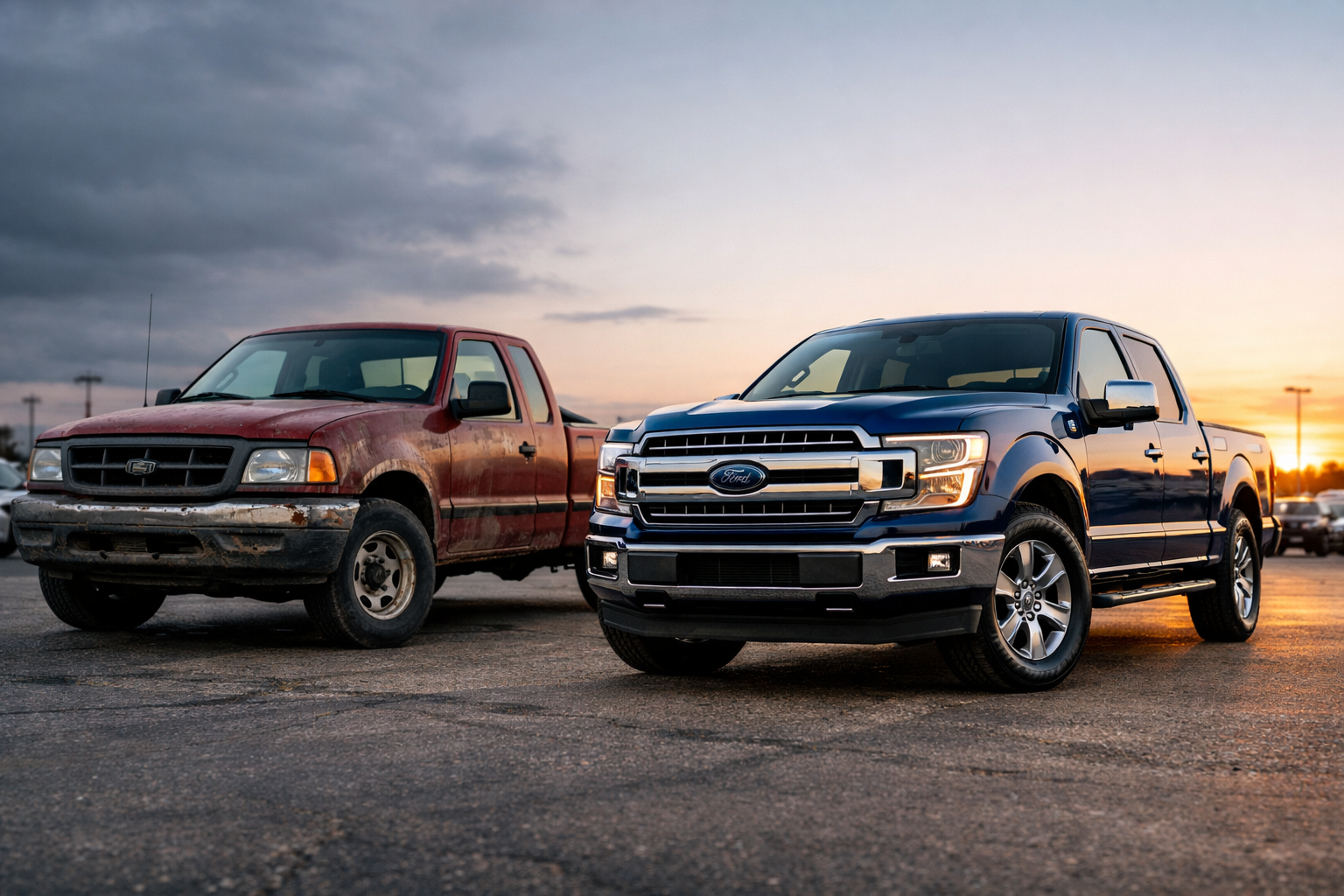
The Ford F-150 has been America’s best-selling truck for over four decades, and with that massive production volume comes a wide range of model year quality. Some years are legendary for durability and owner satisfaction, while others have well-documented problems that can turn a used purchase into a money pit.
Knowing which years to target and which to avoid is especially important with the F-150 because the sheer number of trucks on the used market means you have plenty of options to choose from. This guide identifies the worst F-150 model years based on NHTSA complaints, owner reports, and known mechanical issues, then recommends the best years for each generation so you can shop with confidence.
F-150 Years to Avoid
2004 (Spark Plug Ejection on 5.4L Triton)
The 2004 F-150 with the 5.4L Triton V8 is notorious for spark plugs literally ejecting from the cylinder head while the engine is running. The two-valve 5.4L (2004 and earlier) had insufficient thread engagement in the aluminum heads, and under the stress of combustion pressure, the plugs could blow out, stripping the threads in the process.
Repairing stripped threads requires thread inserts or head replacement, both of which are expensive. The three-valve 5.4L (2004-2008) introduced a different but equally frustrating problem: the two-piece spark plug design. The plugs would seize in the head due to carbon buildup, and the lower portion would break off during removal, requiring a special extraction tool.
Both issues made the 5.4L Triton one of the most complained-about truck engines of its era. If you’re dealing with spark plug issues on an older F-150, a spark plug repair kit can save the day without requiring a new cylinder head.

Ford Spark Plug Repair Kit
Essential for fixing stripped threads on 5.4L Triton engines
2010 (Transmission Problems)
The 12th generation’s 2010 model year had a higher-than-average rate of automatic transmission failures, particularly with the 6-speed automatic (6R80). Owners reported harsh shifting, delayed engagement when moving from park to drive, and in some cases, complete transmission failure requiring a rebuild or replacement.
The 2011-2014 models of the same generation have significantly fewer transmission complaints. This makes the 2010 a year worth skipping if you’re shopping in this generation.
2013 (Multiple Technical Service Bulletins)
Ford issued an unusually high number of Technical Service Bulletins (TSBs) for the 2013 F-150. Problems included transmission shudder during light-throttle cruising, engine misfires on the 5.0L V8 (traced to faulty ignition coils in some production runs), and HVAC blend door actuator failures that caused clicking noises behind the dashboard.
While each individual problem was fixable, the cumulative effect of multiple TSBs made the 2013 a less reliable model year than its neighbors. You’re better off looking at 2012 or 2014 models instead.
2015 (First-Year Aluminum Body)
The 2015 model was the first F-150 built with an aluminum body, representing a massive engineering change. First-year production had quality control challenges that any new manufacturing process brings.
Owners reported panel gap inconsistencies, wind noise around doors and windows, and early reports of corrosion at body attachment points where aluminum met steel. Additionally, body shops had limited experience repairing aluminum panels in the first year, which affected repair costs and availability.
Ford resolved most quality issues during the 2016 model year through production line refinements, and the body shop network adapted quickly. The 2017+ aluminum-body trucks are well-sorted and have proven the aluminum strategy was sound. It’s just the 2015 first year that carries elevated risk.
Engine-Specific Advice
The 2.7L EcoBoost has proven remarkably reliable across all model years since its 2015 introduction. It’s a strong, efficient engine that handles daily driving and moderate towing well, and if you’re curious about maximizing fuel economy with your truck, check out how to make your truck more fuel efficient.
The 3.5L EcoBoost is also solid, though the early production (2011-2013) had some timing chain tensioner issues that could cause a rattle at startup. This was addressed in later production. The 5.0L Coyote V8 is extremely reliable across all years and is the simplest powertrain in terms of maintenance.
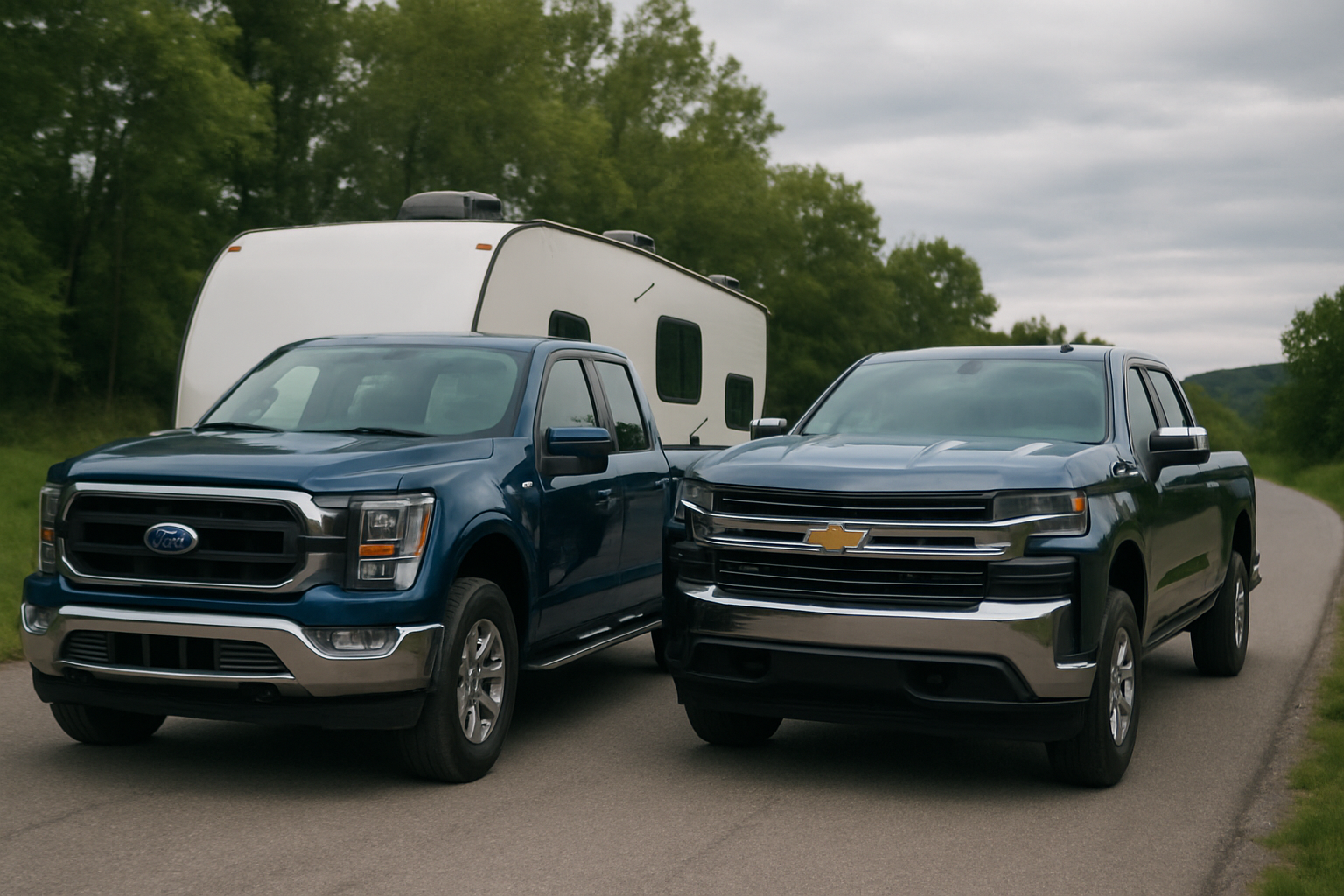
Avoid the 5.4L Triton in any year if possible. The spark plug issues alone make it a headache. If you’re comparing trucks for towing performance specifically, the Ford F-150 vs Chevy Silverado towing comparison breaks down which truck handles travel trailers better. You might also find it helpful to review Chevy Silverado years to avoid if you’re cross-shopping between brands.
For any used F-150, run an OBD2 scanner to check for stored codes before purchasing. Pay special attention to misfire codes, transmission codes, and any pending or confirmed trouble codes related to the turbocharger system on EcoBoost models.

OBD2 Scanner for Ford
Read Ford-specific codes to verify engine and transmission health
Best F-150 Years to Buy
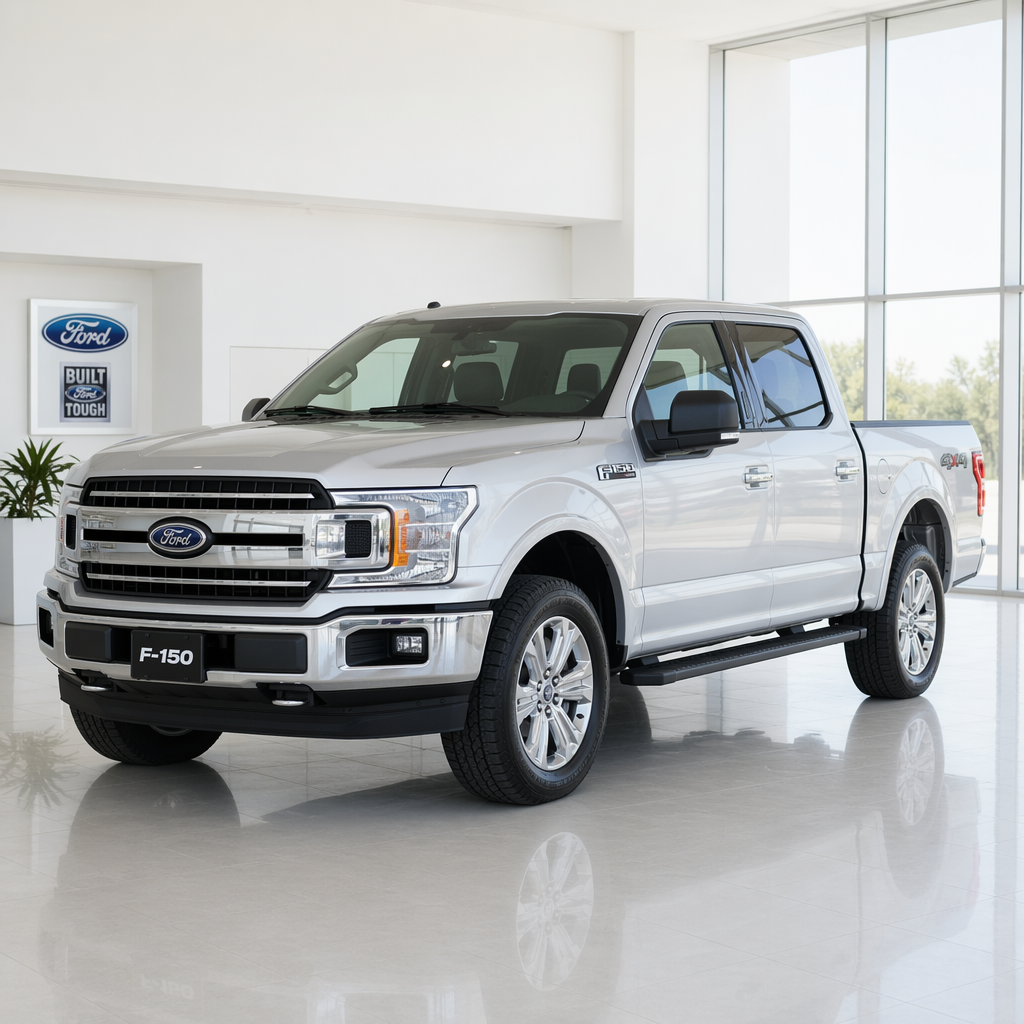
For the 12th gen (2009-2014): 2012 is widely considered the best year, with mature production quality and a well-sorted powertrain lineup. This generation represents a sweet spot for used truck buyers looking for value and reliability.
For the 13th gen (2015-2020): 2018 and 2019 benefit from three to four years of aluminum body production refinement and represent excellent used values. These model years have resolved the early teething issues while still being affordable on the used market.
For the 14th gen (2021+): 2023 and later resolve the initial production issues and offer the most advanced features. These trucks benefit from the full modern safety and technology suite Ford offers.
You’ll also want to check fuel economy across different pickup trucks ranked by MPG to see where your preferred F-150 year stands compared to the competition. If you’re shopping for other Ford models, check out Ford Explorer years to avoid for similar guidance on SUVs.
What to Check Before Buying a Used F-150
When shopping for a used F-150, start by running a thorough vehicle history report to check for accidents, flood damage, and service records. You can learn more about how to read a vehicle history report and spot red flags.
During the test drive, pay attention to transmission behavior during acceleration and deceleration. Any harsh shifts, slipping, or delayed engagement should raise concerns. Also listen for unusual engine noises, especially rattling on cold starts with EcoBoost models. For a complete guide, check out what to look for during a used car test drive.
Check the frame and body for rust, especially if the truck spent time in snow-belt states. Look underneath at suspension mounting points, brake lines, and fuel lines. Aluminum body panels won’t rust, but steel frame components still will.
If you’re financing a used F-150 and something goes wrong later, understanding what happens if you total a car you still owe money on can help you prepare for worst-case scenarios.
Frequently Asked Questions
Is the EcoBoost engine reliable?
Both the 2.7L and 3.5L EcoBoost engines have proven reliable in the 2017+ model years. Early 3.5L production (2011-2013) had some timing chain concerns, but these were addressed in later production. The 2.7L has been consistently solid since its introduction.
Regular oil changes with quality synthetic oil and timely spark plug replacement are the keys to EcoBoost longevity. These engines run higher boost pressures and temperatures than naturally aspirated engines, so maintenance intervals matter more.
Should I buy a V8 or EcoBoost F-150?
The 5.0L V8 is the simplest and most proven engine for buyers who prioritize long-term reliability and low maintenance costs. It’s a naturally aspirated design with fewer complex components than turbocharged engines.
The 3.5L EcoBoost offers more towing power (especially with the High Output variant) and better fuel economy. Both are excellent choices in the right model years. The decision comes down to whether you prioritize simplicity (V8) or capability and efficiency (EcoBoost).
Is the aluminum body a concern on used F-150s?
The aluminum body has proven durable, lightweight, and significantly more resistant to rust than the steel panels it replaced. Initial concerns about repair costs have diminished as body shops gained experience and tooling.
The 2017+ aluminum-body trucks are well-sorted, and the weight savings (about 700 pounds) benefits payload, towing, and fuel economy. Just avoid the 2015 first-year production models where quality control was still being dialed in.
What mileage is too high for a used F-150?
A well-maintained F-150 can easily reach 200,000 miles or more, especially with the 5.0L V8 or later EcoBoost engines. Focus more on maintenance history than absolute mileage numbers.
A 150,000-mile truck with documented oil changes, transmission services, and major repairs is a better buy than a 75,000-mile truck with no service records. Look for trucks that have been regularly serviced at dealerships or quality independent shops with receipts to prove it.

Leave a Reply