

A gasoline smell inside or around your car isn’t just unpleasant. It can indicate a safety issue. Gas vapors are flammable, and inhaling them in an enclosed space is harmful. Some causes are minor, like a loose gas cap, while others require immediate attention.
Here’s how to track down the source and fix it before it becomes a bigger problem.
Loose or Damaged Gas Cap
This is the most common and easiest-to-fix cause of fuel smell. A gas cap that isn’t tightened until it clicks, or one with a cracked seal, lets fuel vapors escape. You’ll often notice the smell most when the car is parked in a hot area.
Tighten the cap until you hear at least one click. If the rubber seal is cracked or the cap doesn’t seal tightly, replace it. Gas caps are inexpensive and available at any auto parts store.

Gas Cap Replacement
Essential for stopping vapor leaks and preventing check engine lights
EVAP System Leak
The evaporative emission control (EVAP) system captures fuel vapors from the tank and routes them to the engine for combustion. A leak in the system, whether from a cracked hose, failing purge valve, or damaged charcoal canister, releases raw fuel vapors.
An EVAP leak usually triggers a check engine light with codes P0440, P0442, P0455, or P0456. An OBD2 scanner can identify the specific code and help narrow down the failing component.

OBD2 Scanner
Diagnoses EVAP codes and dozens of other issues, making troubleshooting much easier
Fuel Line or Connection Leak
Fuel lines run from the tank to the engine and can develop leaks at connections, clamps, or where rubber meets metal. Look for wet spots, staining, or drips along the fuel lines under the vehicle. A fuel line repair kit can fix minor issues, but severely corroded metal lines should be replaced entirely.
A leaking fuel line is a fire hazard. If you see liquid fuel dripping, don’t drive the vehicle until the leak is repaired. This is one issue where safety should take priority over convenience, especially if you’re dealing with high-mileage vehicles that may have more wear on fuel system components.
Leaking Fuel Injector
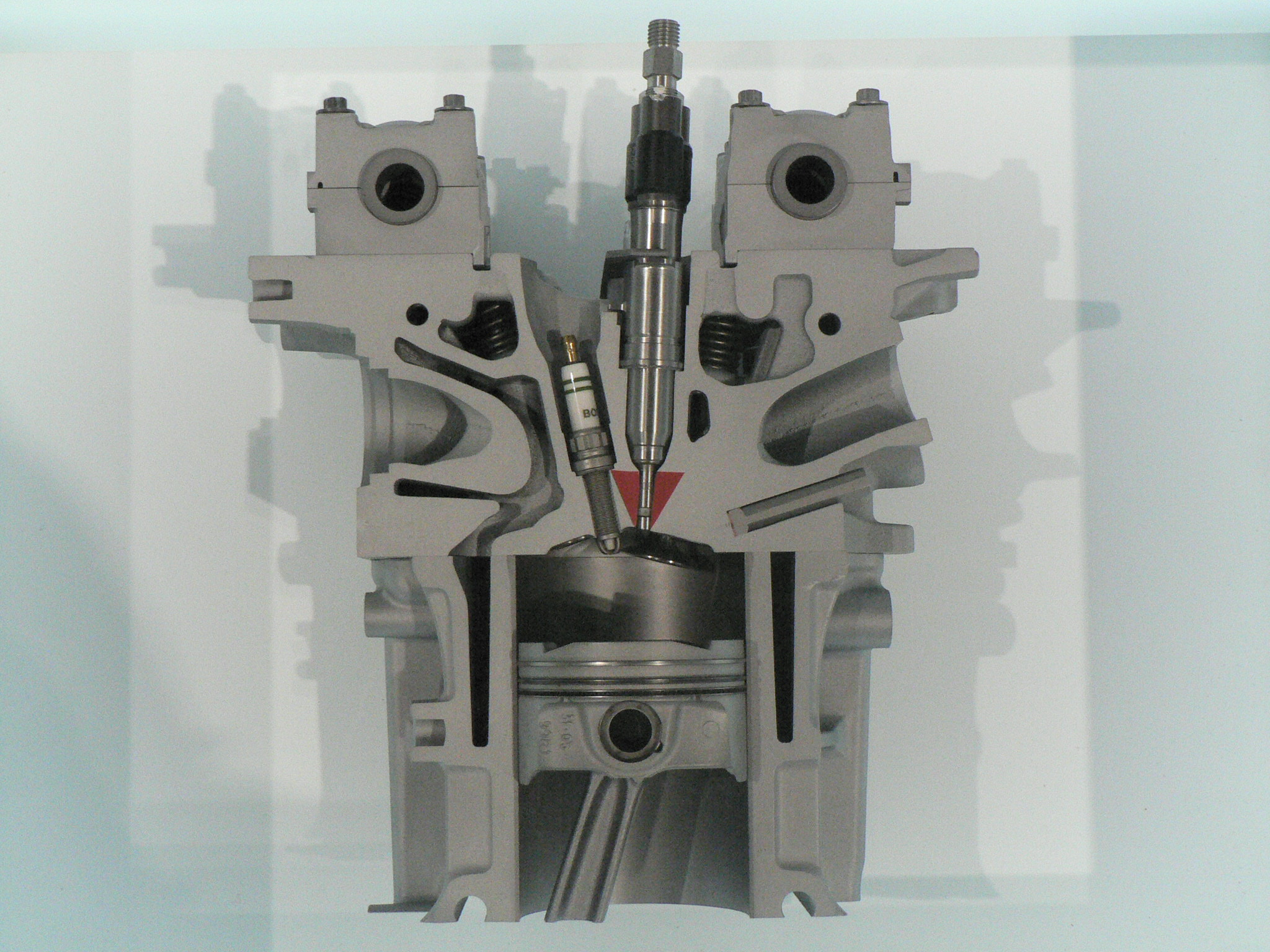
Fuel injectors can develop external leaks where the O-ring seals the injector to the fuel rail or intake manifold. You’ll smell gas under the hood and may see fuel staining around the injector area. Replacing the injector O-rings is a manageable DIY job on most engines.
A stuck-open injector dumps excess fuel into the cylinder, causing a rich running condition, black exhaust smoke, and a strong fuel smell from the tailpipe. This type of failure usually triggers a misfire code and requires injector replacement. If you’re experiencing similar performance issues, the troubleshooting approach is similar to diagnosing engine hesitation problems.
Fuel Tank Damage
Road debris, speed bumps, and off-road driving can dent or crack the fuel tank. Plastic tanks can develop stress cracks over time, especially around the mounting straps and filler neck connection. A fuel smell strongest near the rear of the vehicle usually points to a tank issue.
Tank repairs vary from simple epoxy fixes for small cracks to full tank replacement for significant damage. Fuel tank work is best done with the tank as empty as possible for safety.
After Fueling
A brief gas smell immediately after filling up is normal and usually dissipates within a few minutes as vapors clear. If the smell persists for more than 15 to 20 minutes after fueling, or if you notice fuel on the ground near the filler neck, inspect the area for a loose cap or cracked filler neck.
Frequently Asked Questions
Is it safe to drive if my car smells like gas?
A faint vapor smell from a loose gas cap is not an emergency. A strong fuel smell, visible leaks, or fuel dripping under the car is a fire hazard, and you should avoid driving until the source is identified and repaired.
Can a fuel smell come from the exhaust?
Yes. A rich running condition from a stuck injector, bad oxygen sensor, or failing fuel pressure regulator can push unburned fuel out the exhaust, causing a noticeable gas smell behind the car.
Why do I smell gas only in the morning?
Temperature changes overnight cause fuel vapors to expand and contract. Small EVAP leaks that aren’t noticeable during the day can release enough vapor during the cool-to-warm morning transition to create a detectable smell.
How much does it cost to fix a gas smell in my car?
Costs vary widely depending on the cause. A new gas cap costs just a few dollars, while replacing a fuel tank or multiple fuel injectors can run several hundred dollars in parts and labor. Diagnosing the exact source first helps you budget appropriately.

Leave a Reply