
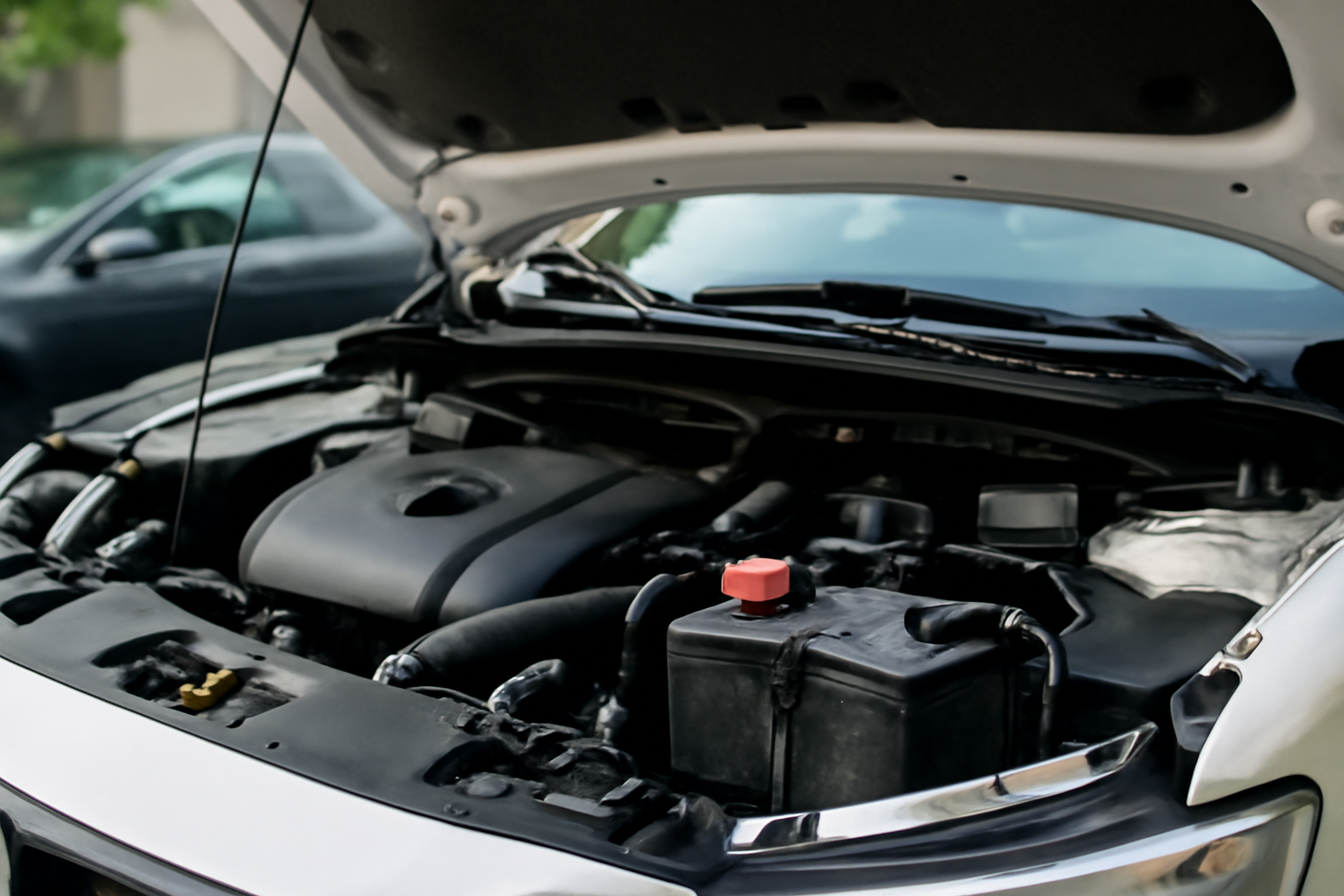
Waking up to a dead battery once is frustrating. Having it happen repeatedly turns your morning routine into a guessing game. If your battery tests fine and your alternator is charging properly, something is draining power while the car sits. Tracking down the culprit takes patience, but the fix is usually simple once you find it.
1. Parasitic Drain
Every car has a small electrical draw when it’s off. The clock, alarm system, and computer modules stay powered. A normal parasitic draw is 20-50 milliamps. Anything above 75-100 milliamps will drain a battery overnight.
Common sources of excessive draw include aftermarket stereos, alarm systems, GPS trackers, and phone chargers left plugged in.
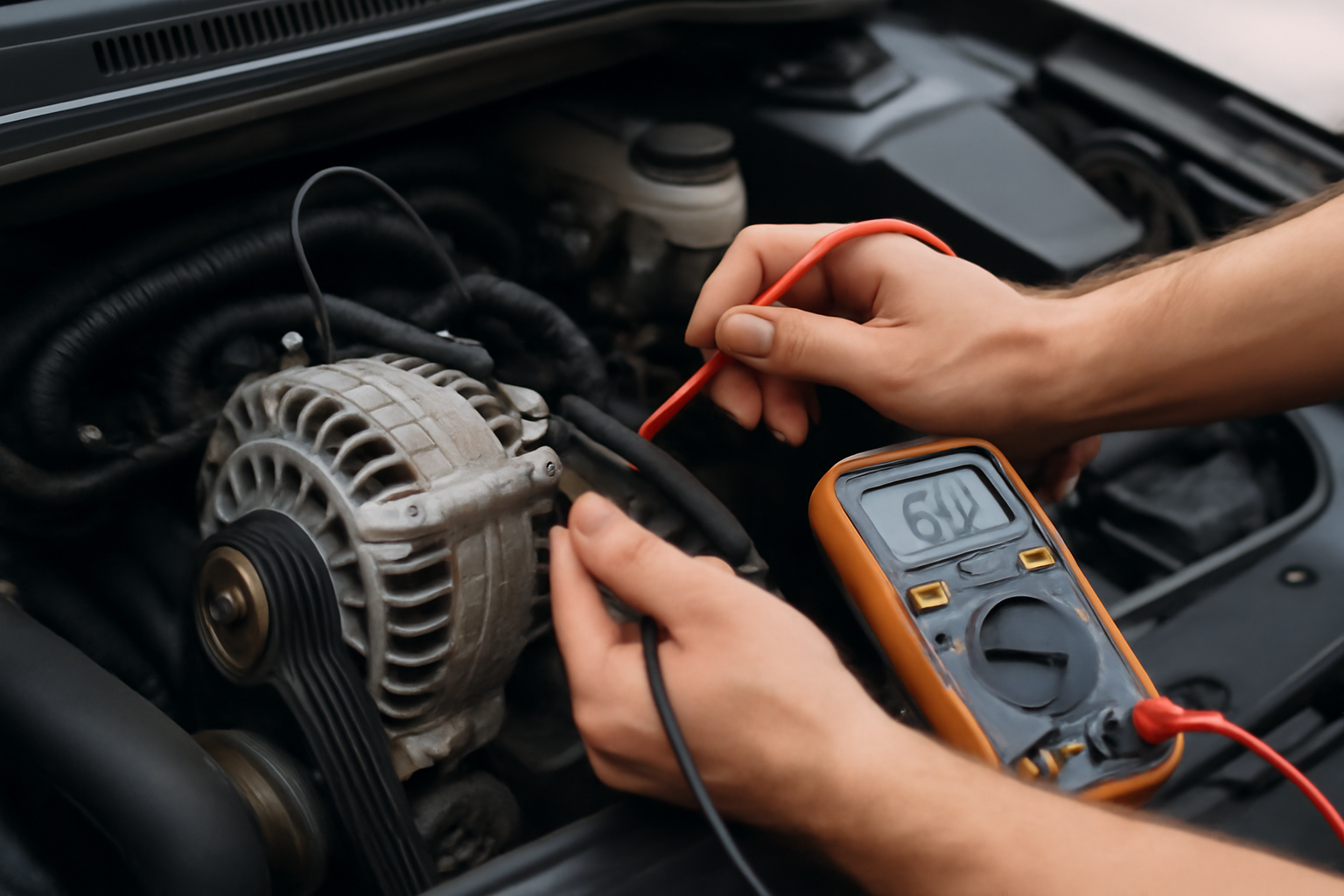
To test for parasitic draw, you need a multimeter set to the milliamp scale. Disconnect the negative battery cable, connect the multimeter in series between the cable and the terminal, and read the draw. Then pull fuses one at a time until the draw drops to a normal level. The circuit on that fuse is your problem.
2. Failing Alternator
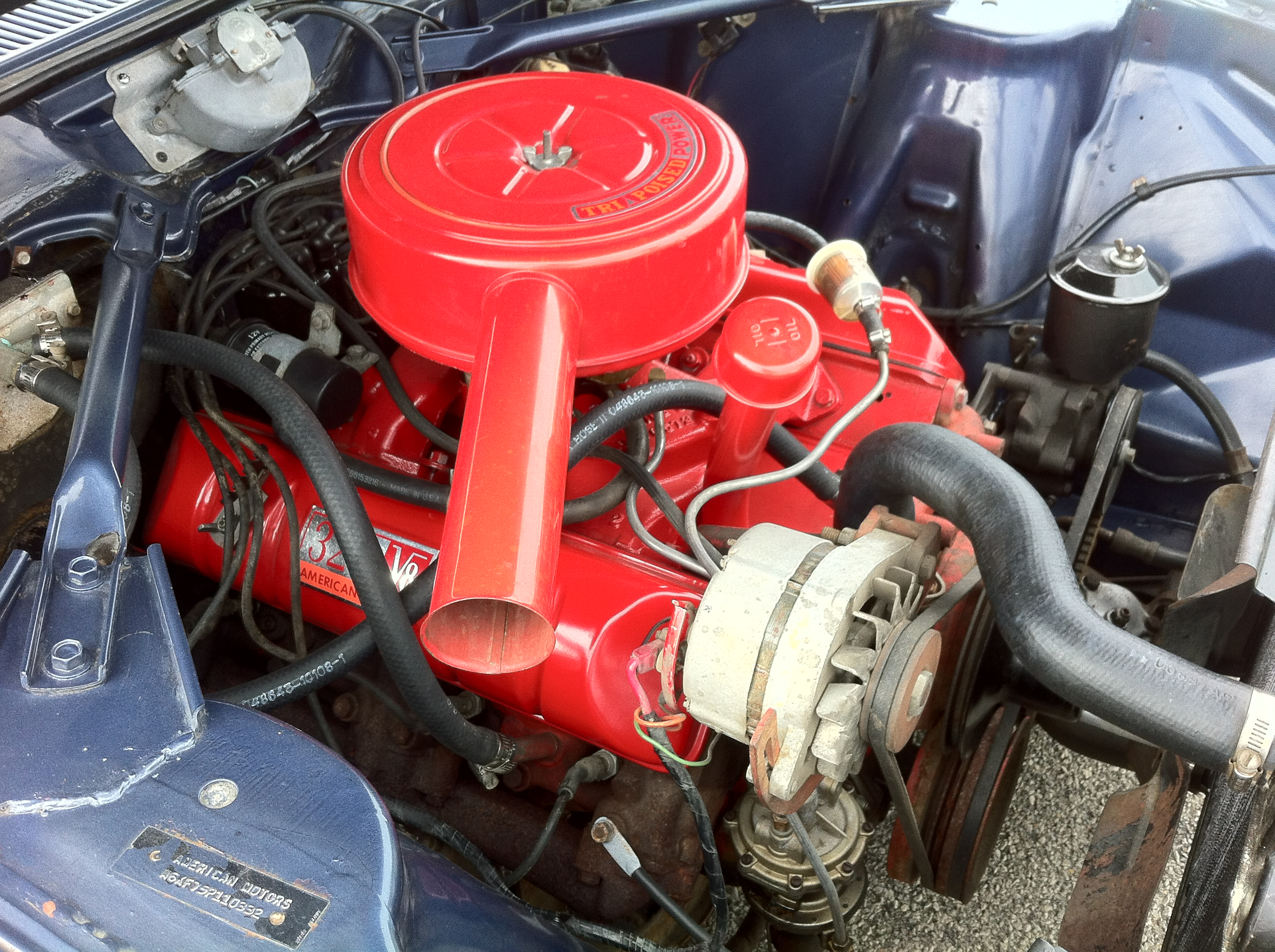
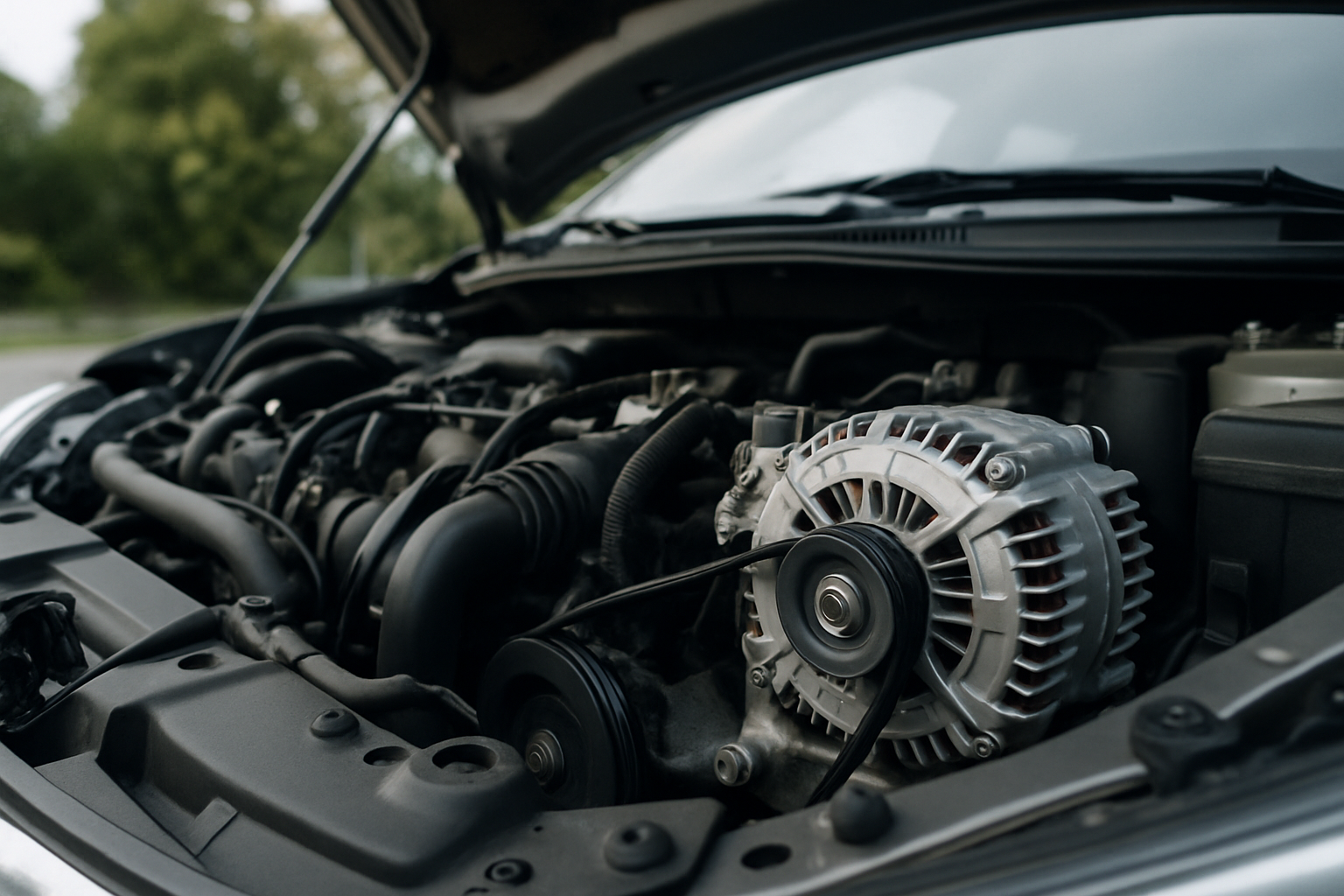
The alternator recharges your battery while the engine runs. A weak alternator might keep the car running but not fully recharge the battery, leaving it slightly low each time you park. Over a few cycles, the battery doesn’t have enough reserve to start the car.
Most auto parts stores test alternators for free. A healthy alternator should produce 13.5-14.5 volts at idle. Below 13 volts means it’s undercharging and needs attention.
3. Old or Weak Battery
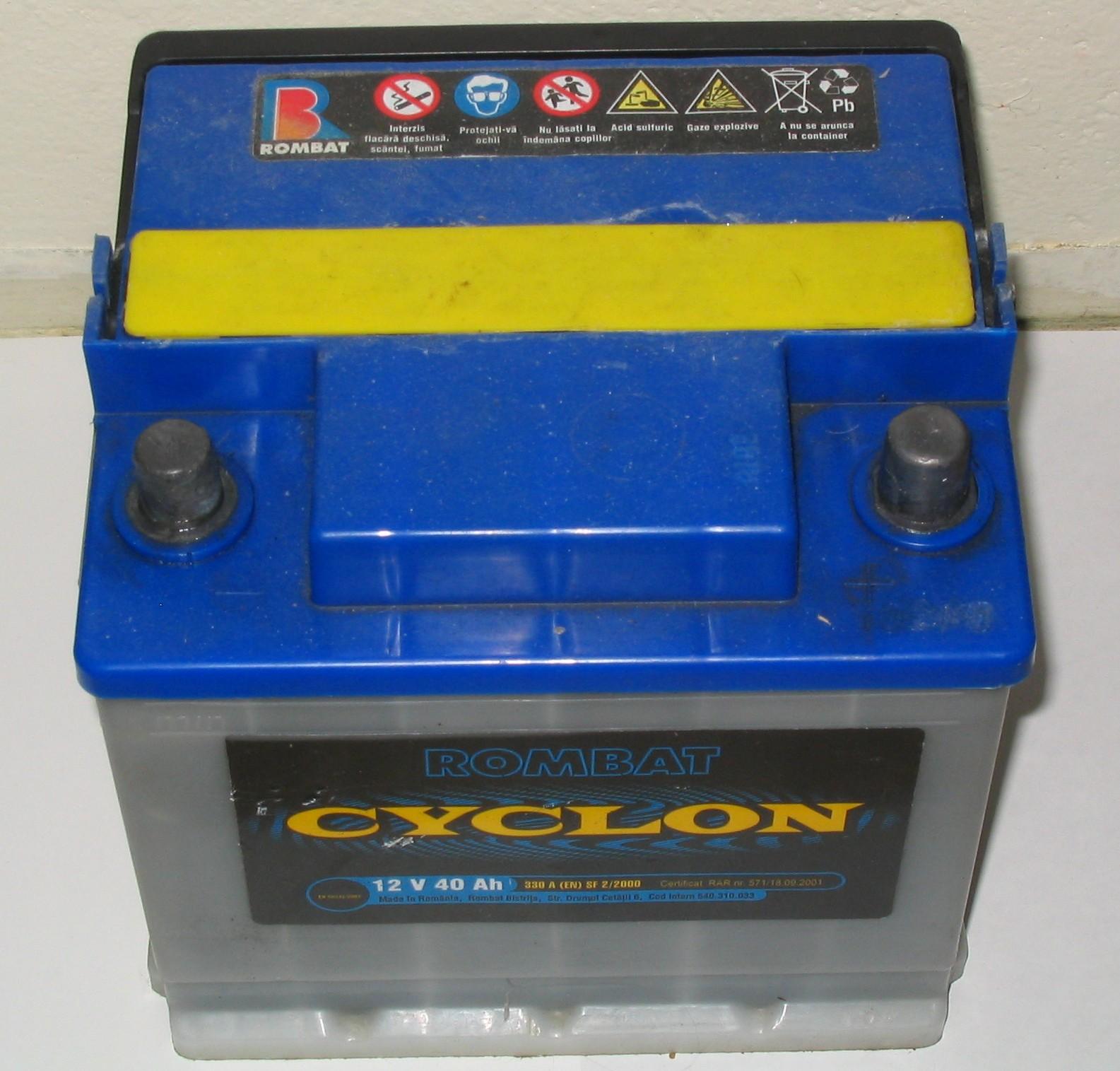
Car batteries typically last 3-5 years. As they age, their capacity shrinks. A battery that tests “good” on a quick voltage check might still fail under load because it can’t hold a charge like it used to. A proper load test reveals whether the battery has enough cold cranking amps left to reliably start the engine.
If your battery is more than 4 years old and dying overnight, replacement is often the simplest fix. This is especially true if you’re looking for reliable vehicles that will last long term, since electrical issues can compound over time.

Car Battery Charger
A quality smart charger can help maintain an aging battery, though replacement is the permanent solution
4. Interior Lights Staying On
A dome light, trunk light, or glove box light that stays on after you close the door drains the battery steadily. This is easy to miss, especially with LED dome lights that don’t produce noticeable warmth.
Check all interior lights at night with the doors closed. Look for a faint glow from the trunk or under the dash.
5. Corroded or Loose Battery Connections
Corrosion on battery terminals increases electrical resistance. The alternator has to work harder to push current through corroded connections, and the battery doesn’t receive a full charge.
Clean terminals with a wire brush and ensure both connections are snug. A thin coat of terminal protector prevents future corrosion buildup.
6. Short Trips Only
Starting the engine uses a large burst of power from the battery. If you only drive 5-10 minutes before parking again, the alternator doesn’t have enough time to replenish that energy.
Over days or weeks of short trips only, the battery gradually loses charge. Driving for 20-30 minutes on the highway once a week helps keep the battery properly charged. This is similar to how proper vehicle storage requires periodic charging to maintain battery health.
7. Aftermarket Electronics
Aftermarket stereo systems, amplifiers, LED light kits, and dash cameras wired directly to the battery can draw power even when the car is off. If the drain started after installing new electronics, that’s your prime suspect.
Verify that the device is wired through a switched circuit that only gets power when the ignition is on.
8. Faulty Door or Hood Switch
The switches that tell your car whether a door, trunk, or hood is open can malfunction. If the switch tells the computer the door is open when it’s actually closed, modules and lights may stay active.
Check your dashboard for a door-ajar indicator while all doors and the trunk are firmly closed.
How to Test for Parasitic Draw
Set your multimeter to the 10A or milliamp DC scale. Disconnect the negative battery terminal. Touch one multimeter probe to the cable end and the other to the negative terminal.
Wait 15-20 minutes for all modules to go to sleep (some take that long). Read the meter. If it’s above 75 milliamps, start pulling fuses to isolate the circuit.
Write down the draw reading with each fuse removed. The fuse that causes the biggest drop in current is the circuit with the excessive drain. From there, you can trace the wiring on that circuit to find the specific component.
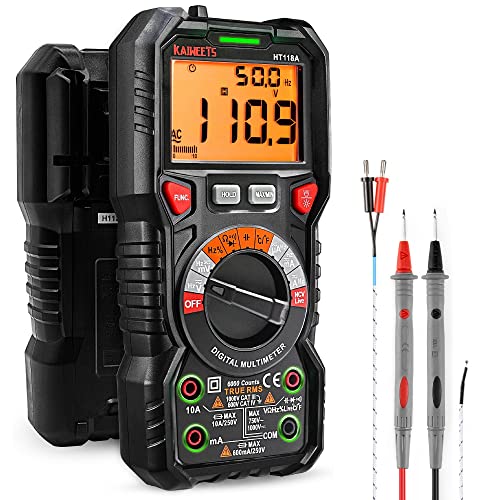
Digital Multimeter
Essential for diagnosing parasitic drain and other electrical issues
Frequently Asked Questions
Can extreme temperatures drain a battery overnight?
Cold weather reduces battery capacity by up to 50% at 0°F. A battery that starts fine in summer may not have enough power in freezing conditions. Heat accelerates internal degradation. If your battery is marginal, extreme temperatures push it over the edge.
Will a trickle charger prevent overnight drain?
A battery maintainer (smart charger) keeps the battery at full charge when the car sits. It treats the symptom, not the cause. Use it while you diagnose the drain, but find and fix the root problem to avoid depending on the charger permanently.
How do I know if my alternator is bad?
Dimming headlights, a battery warning light on the dash, or a growling noise from the alternator belt area are common signs. A free alternator test at most auto parts stores gives you a definitive answer in minutes.
What’s the difference between a battery dying overnight and one that just needs a jump?
A battery that dies occasionally might just be old or weak. One that dies consistently overnight has an active drain pulling power while the car sits. The pattern tells you whether it’s a capacity issue or a parasitic draw problem.

Leave a Reply