
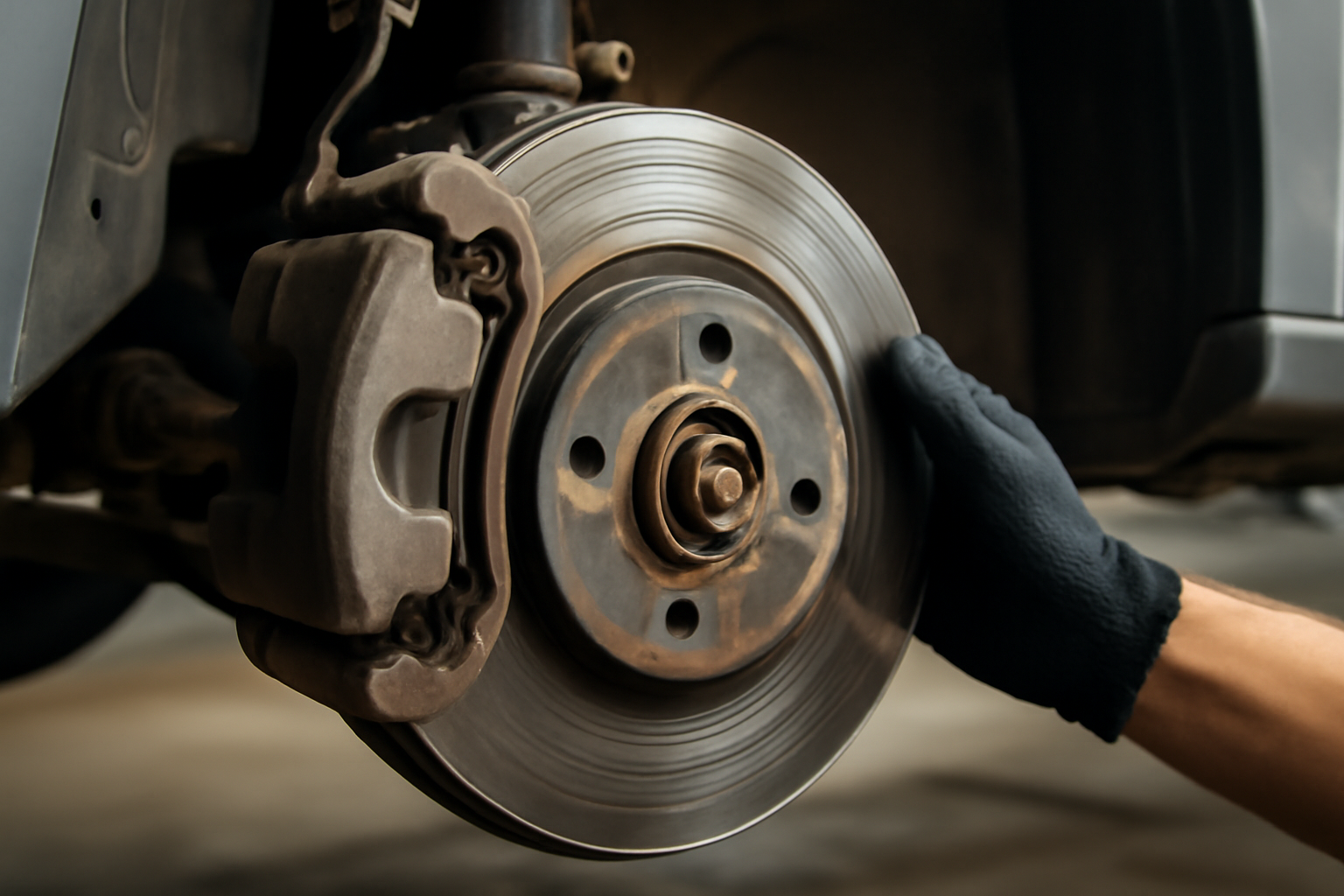
A vibration through the steering wheel or brake pedal when you slow down is more than just annoying. It’s your car telling you something in the braking system needs attention. The vibration typically gets worse the harder you brake and at higher speeds.
Most brake vibrations come down to a few specific causes that you can diagnose with a visual inspection and a short test drive.
Warped or Unevenly Worn Rotors
This is the most common cause of brake vibration. Rotors develop thickness variations from heat cycling, especially if the brakes were overheated from hard stops, mountain driving, or dragging the brakes on long descents.
When a rotor has high and low spots (even differences of just 0.001 inches), the brake pad pushes against an uneven surface with each rotation. You feel this as a pulsation in the pedal and sometimes in the steering wheel.
Rotors can be resurfaced (machined) on a lathe if they’re still above minimum thickness. If they’ve been resurfaced before or are too thin, replacement is the better option.

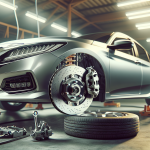
Drilled and Slotted Brake Rotors
Quality rotors that dissipate heat better and restore smooth, vibration-free braking
Worn or Contaminated Brake Pads
Brake pads that are worn unevenly or have picked up contaminants (oil, grease, or glazing from overheating) can cause vibration. Glazed pads develop a shiny, hardened surface that doesn’t grip the rotor consistently.
Remove the pads and inspect them. If the surface is shiny or glassy instead of having a uniform matte texture, they’re glazed and should be replaced. Uneven wear where one pad is significantly thinner than its partner indicates a sticking caliper slide pin or piston.

Ceramic Brake Pads
Ceramic pads run cooler and resist glazing better than standard pads
Sticking Caliper
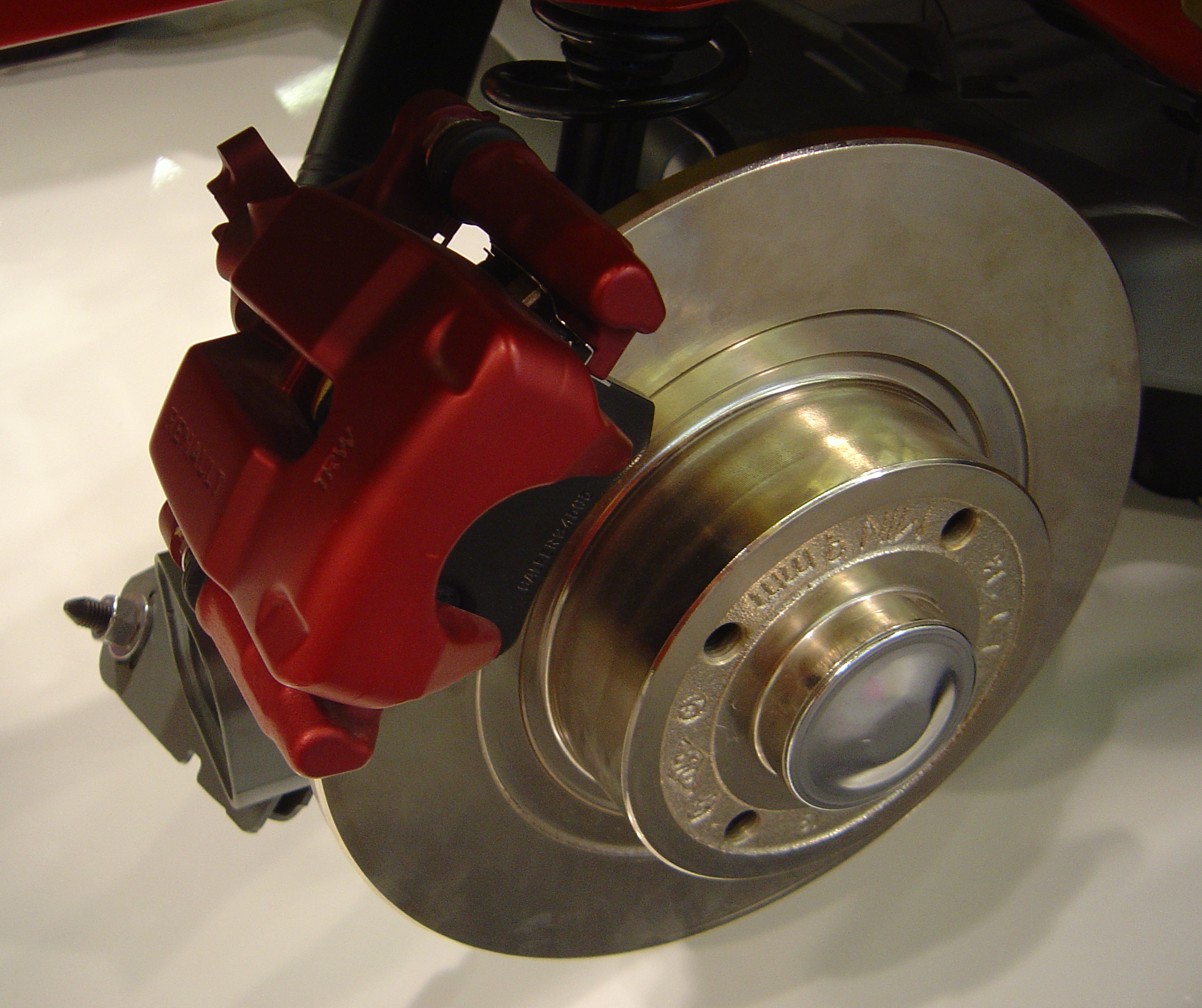
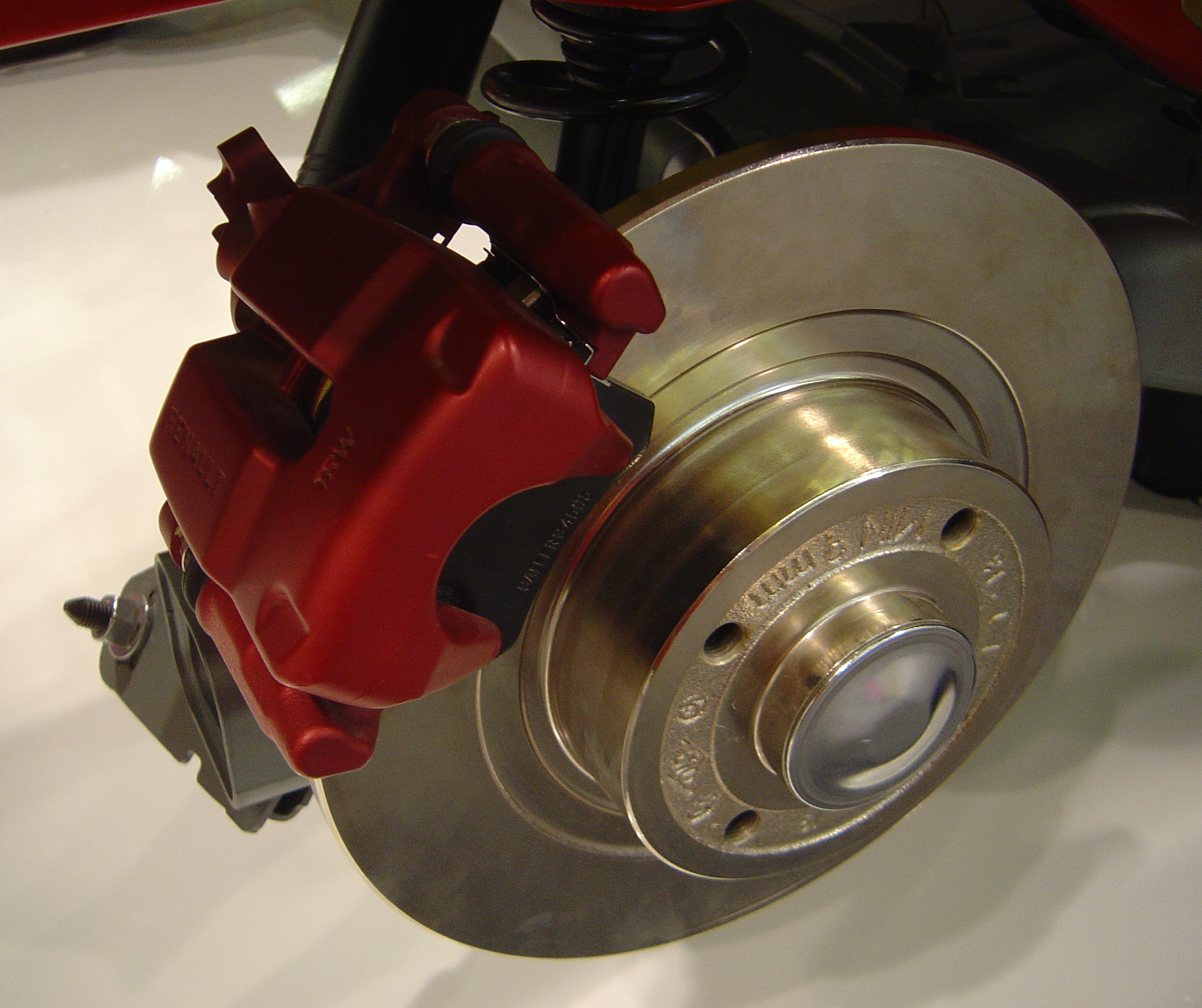
A caliper that doesn’t release fully after you lift off the brake pedal keeps constant pressure on the rotor. This causes localized overheating, accelerated pad wear on one side, and vibration. You may also notice the car pulling to one side when braking or a burning smell after driving.
Check whether the caliper slides freely on its pins. Remove the caliper, clean and re-grease the slide pins, and verify the piston retracts smoothly. Seized pins are a common issue that’s simple to fix with cleaning and fresh caliper grease.
Suspension and Wheel Bearing Issues
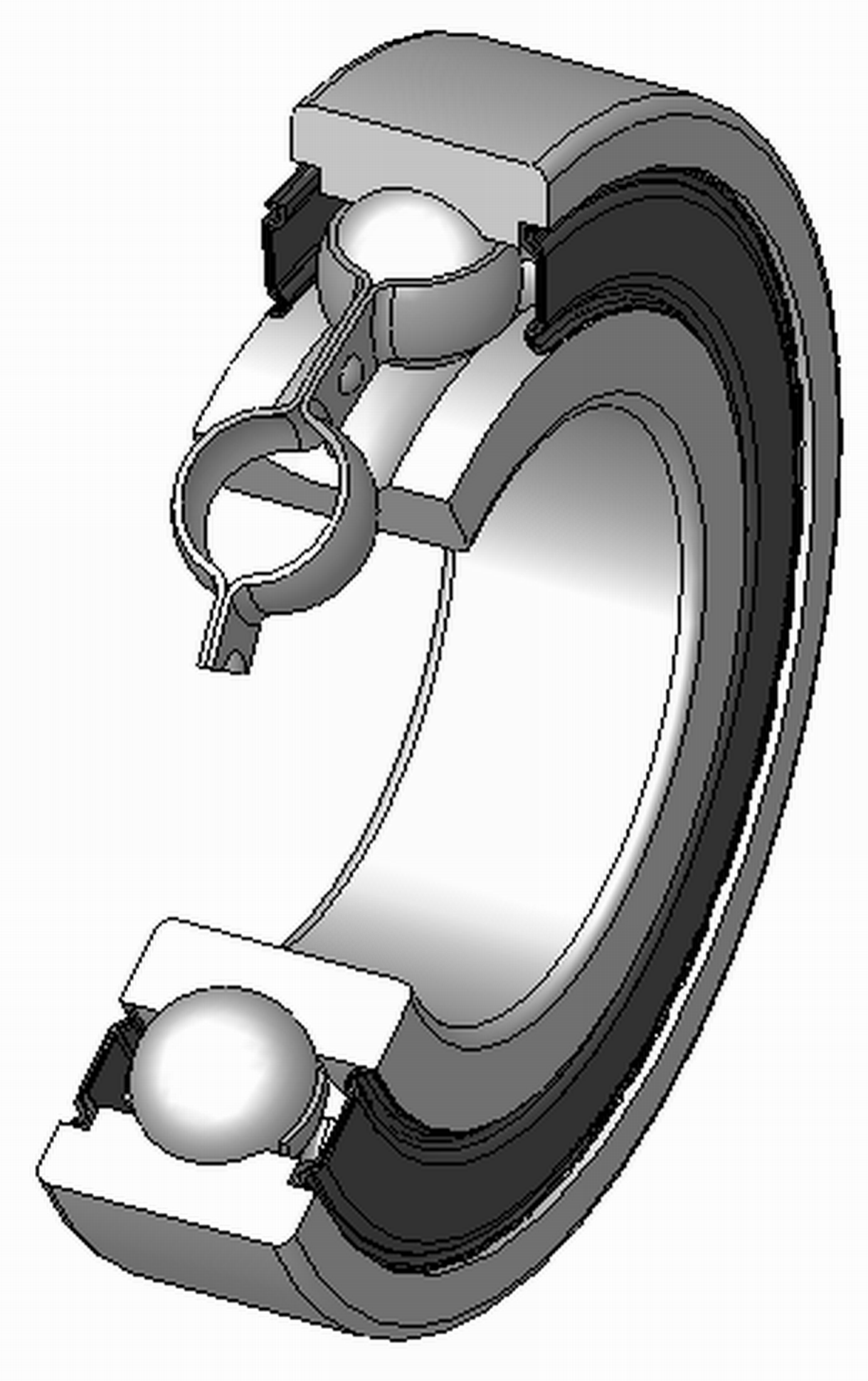
Worn suspension components like tie rod ends, ball joints, and wheel bearings can amplify brake vibrations or create vibrations that feel similar but aren’t related to the brakes at all.
With the wheel off the ground, grab the tire at the 12 o’clock and 6 o’clock positions and try to rock it. Any play indicates a worn wheel bearing or ball joint. Grab at 3 o’clock and 9 o’clock and rock it to check tie rod ends. Any perceptible movement means replacement is needed.
Regular brake maintenance is just as important as other preventive measures. Just like you’d address overheating issues before they cause major damage, catching brake problems early saves you money and keeps you safe.
Wheel and Tire Problems
Out-of-balance wheels or a bent rim can create vibrations that mimic brake issues. The key difference is that wheel-related vibrations are typically present at all times (especially at highway speeds) and don’t change when you apply the brakes.
If the vibration happens only when braking, it’s almost certainly a brake issue. If it’s constant and braking doesn’t affect it, look at wheel balance and rim condition first.
Frequently Asked Questions
Can I drive with vibrating brakes?
Short distances at reduced speeds are generally safe, but the underlying issue will get worse over time. Warped rotors cause uneven pad wear, and sticking calipers can overheat to the point of brake fade. Get it inspected soon.
How much does it cost to fix brake vibration?
Rotor resurfacing is the least expensive option. Replacing pads and rotors together is a mid-range repair that DIYers can tackle in a couple of hours. Caliper replacement or suspension work costs more and may require professional tools.
Will new brake pads fix vibration?
Only if the pads themselves are the cause. If the rotors are warped, new pads won’t eliminate the vibration. Replacing pads and rotors together as a set is the most reliable way to eliminate brake vibration completely.
How long do brake rotors typically last?
Most rotors last between 30,000 and 70,000 miles depending on driving conditions and habits. Frequent hard braking, mountain driving, or towing heavy loads can shorten rotor life considerably. When you’re shopping for a reliable used car, check the brake condition as part of your inspection.
Leave a Reply