
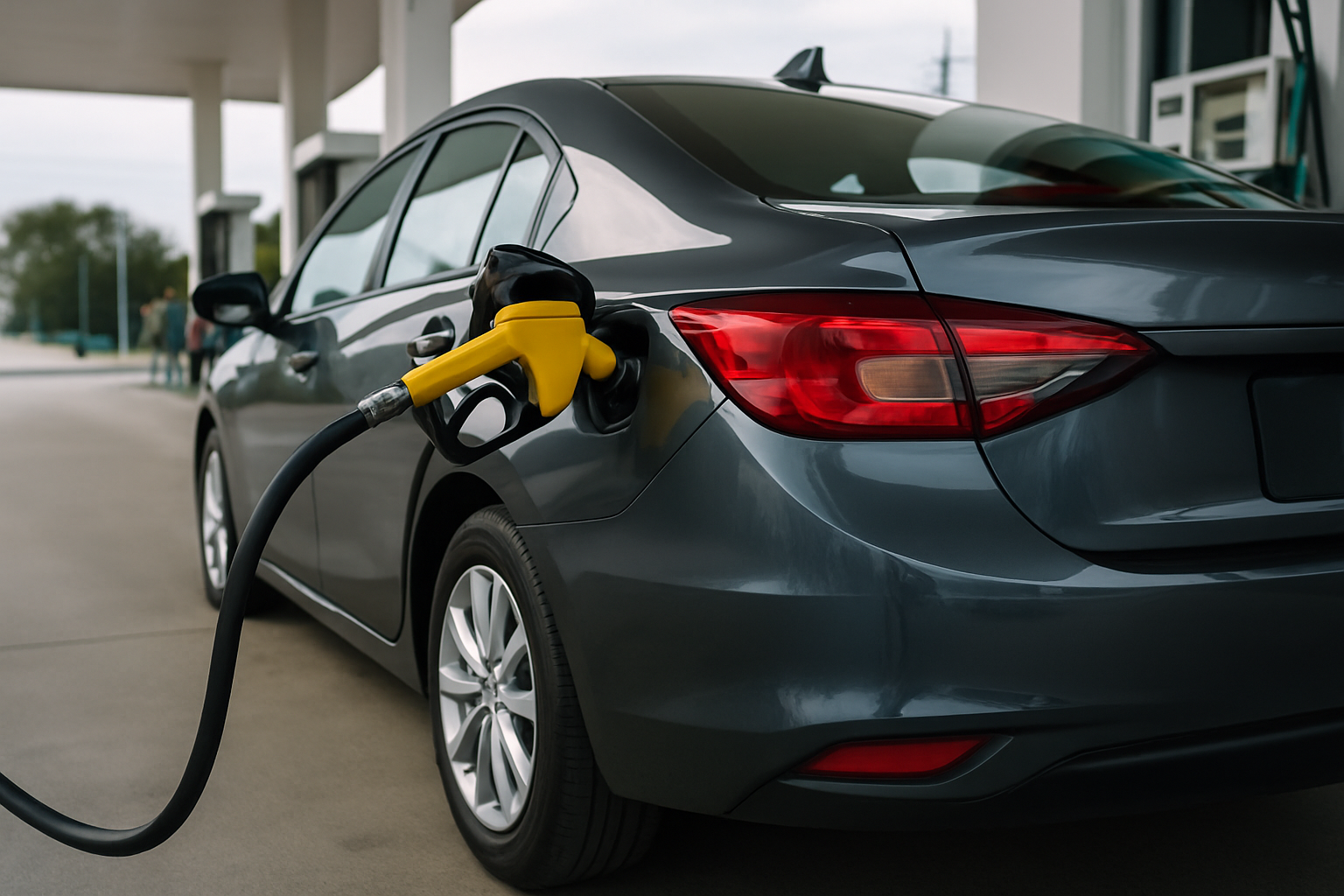
You pull up to the gas station and face the same question every time: regular, mid-grade, or premium? Millions of drivers waste money on expensive premium fuel their cars don’t need, while others risk engine damage by using regular gas when their car requires high octane. Understanding what your car actually needs can save you hundreds of dollars per year and protect your engine.
How Octane Ratings Actually Work
Octane ratings measure a fuel’s resistance to knocking, not its power or quality. Regular gas has an octane rating of 87, mid-grade sits at 89, and premium reaches 91-93 depending on your region.
Knocking happens when fuel ignites before the spark plug fires, creating a metallic pinging sound. This premature combustion can damage pistons, connecting rods, and other internal engine components over time.
Higher octane fuel burns more slowly and resists this premature ignition. Your engine’s compression ratio, timing, and design determine whether it needs this knock resistance or not.
Required vs Recommended: The Critical Difference
Your owner’s manual will specify either “requires premium fuel” or “premium fuel recommended.” This distinction matters more than you might think.
“Requires premium” means your engine absolutely needs high-octane fuel to prevent damage. These engines typically have compression ratios above 10:1 or use turbocharging or supercharging. Using regular gas in these engines can cause knock damage that costs thousands to repair.
“Premium recommended” means your engine runs fine on regular but may produce slightly more power on premium. The difference is usually minimal, and you won’t damage anything by using 87 octane.
Luxury Cars That Actually Need Premium
Most BMW, Mercedes-Benz, Audi, and Lexus models from 2010 onward require premium fuel. The turbocharged engines in these vehicles have high compression ratios that make knock likely with regular gas.
Porsche, Ferrari, Lamborghini, and other high-performance brands universally require premium fuel. Their engines operate at compression ratios and boost levels that make regular gas unsuitable.
Check your specific model in the owner’s manual. Some luxury brands offer naturally aspirated engines that only recommend premium rather than require it.
Economy Cars That Don’t Need Premium
Honda Civic, Toyota Corolla, Nissan Sentra, and most economy cars run perfectly on regular 87 octane fuel. Their engines have lower compression ratios designed specifically for regular gas.
Even some performance-oriented economy cars like the Honda Civic Si and Subaru WRX are designed to run on regular fuel, though they may produce peak power on premium.
Modern Knock Sensors Change Everything
Every car built after 1996 has knock sensors that detect engine knock and adjust timing automatically. These sensors have revolutionized how engines handle different fuel grades.
When knock sensors detect pinging, the engine computer retards timing to prevent damage. This means putting regular gas in a premium-required engine won’t immediately destroy it, but it will reduce power and efficiency while potentially causing long-term damage.
Knock sensors aren’t perfect protection. They can’t prevent all knock damage in engines with very high compression ratios or aggressive timing maps. They’re more like a safety net than a complete solution.
Why Some Engines Still Get Damaged
Knock sensors have response delays. In the milliseconds before they detect knock and retard timing, damage can still occur. High-performance engines with aggressive tuning are particularly vulnerable.
Carbon buildup on intake valves can create hot spots that cause pre-ignition, which knock sensors can’t prevent. This is especially common in direct-injection engines using low-octane fuel.
When Premium Gas Is Completely Wasted
Using premium gas in an engine designed for regular provides zero benefits. The engine can’t take advantage of the higher octane rating because it doesn’t need the knock resistance.
You won’t get better fuel economy, more power, or cleaner emissions. Premium gas doesn’t clean your engine better than regular gas. Modern detergent packages are the same across all octane grades at most gas stations.
The only exception is if your engine has significant carbon buildup causing knock with regular gas. In this case, the underlying problem is the carbon deposits, not the fuel octane.
Common Myths About Premium Fuel
Premium gas doesn’t contain more energy per gallon than regular gas. Both have approximately the same energy content, around 114,000 BTU per gallon.
Premium fuel won’t clean your fuel system better than regular. The detergent packages that clean injectors and intake valves are mandated by law and are essentially identical across octane grades.
Using premium occasionally won’t provide any cleaning benefits or performance improvements in engines designed for regular fuel. Your engine’s computer won’t advance timing enough to notice any difference.
Real-World Fuel Requirements by Vehicle Type
Naturally Aspirated Engines
Most naturally aspirated engines with compression ratios below 10.5:1 run fine on regular gas. This includes the majority of four-cylinder and V6 engines in mainstream vehicles.
High-performance naturally aspirated engines like those in the Chevrolet Corvette or Ford Mustang GT may require or strongly benefit from premium fuel due to aggressive timing and high compression.
Turbocharged and Supercharged Engines
Forced induction increases effective compression ratio, making knock more likely. Most turbocharged engines benefit from premium fuel, and many require it to prevent damage under heavy load.
Some manufacturers tune their turbocharged engines conservatively to run on regular gas. The Ford EcoBoost 2.0L and Honda 1.5L turbo engines fall into this category, though they may produce more power on premium.
Diesel Engines Have Different Rules
Diesel fuel uses cetane ratings instead of octane. Higher cetane improves cold starting and reduces engine noise, but most diesel engines run fine on standard pump diesel with cetane ratings around 40-45.
Premium diesel with higher cetane ratings exists but provides minimal benefits for most drivers. The cost rarely justifies the small improvements in performance.
How to Find Your Car’s Actual Requirements
Check three places to determine your fuel requirements: the owner’s manual, the fuel door sticker, and the gas cap. These will explicitly state whether premium is required or recommended.
Online forums for your specific vehicle model often have detailed discussions about real-world fuel requirements. Other owners have likely tested the difference between fuel grades extensively.
If you’re unsure, start with the manufacturer’s recommendation. You can always experiment with lower octane fuel if premium is only recommended, but never go below the required octane rating.
Signs Your Engine Needs Higher Octane
Engine knock sounds like marbles rattling inside the engine during acceleration. This metallic pinging indicates you need higher octane fuel or have carbon buildup issues.
Reduced power under heavy acceleration can indicate knock that your engine computer is preventing by retarding timing. If your car feels sluggish compared to when new, try premium fuel as a test.
Increased fuel consumption without other symptoms might indicate timing retardation due to knock prevention. Your engine computer sacrifices efficiency to prevent damage.
Regional Octane Variations
High-altitude areas often sell 85 octane as “regular” fuel because the lower air density reduces knock tendency. If your car requires 87 octane at sea level, don’t use 85 octane even at altitude.
Some regions sell 93 octane as premium while others only offer 91. If your car requires premium, the lower number is usually acceptable, but check your owner’s manual for minimum requirements.
Ethanol blends affect octane ratings. E85 has an octane rating around 105, but only flex-fuel vehicles can use it safely. Regular E10 gasoline has similar octane to pure gasoline.
Cost Analysis: When Premium Makes Financial Sense
Calculate the annual cost difference before deciding on fuel grades. Premium typically costs $0.30-0.60 more per gallon than regular. For a car that uses 500 gallons per year, that’s $150-300 annually.
If your car only recommends premium but runs fine on regular, the minimal performance gain rarely justifies the cost. You might gain 5-15 horsepower at peak output, which you’ll rarely notice in daily driving.
For cars that require premium, the cost is unavoidable. Trying to save money with regular fuel risks engine damage that costs thousands more than the fuel savings.
Hybrid and Electric Vehicle Considerations
Hybrid vehicles typically use regular gasoline engines with conservative tuning. The Toyota Prius, Honda Accord Hybrid, and most hybrid systems run perfectly on 87 octane fuel.
Some luxury hybrids like the Lexus LS Hybrid or BMW i8 require premium fuel because they use high-performance engines combined with electric motors.
What Happens When You Use the Wrong Octane
Regular Gas in Premium-Required Engines
Short-term use won’t immediately destroy your engine, but it’s not recommended. The knock sensors will retard timing, reducing power and fuel economy while potentially allowing some damage.
Long-term use can cause piston damage, bearing wear, and carbon buildup. Repair costs for knock-related engine damage often exceed $3,000-5,000.
If you accidentally fill up with regular gas, drive gently and refill with premium as soon as possible. Avoid heavy acceleration and high RPM operation.
Premium Gas in Regular-Only Engines
Using premium in an engine designed for regular is harmless but wasteful. You’ll see no performance improvements, fuel economy gains, or cleaning benefits.
The only time this makes sense is if regular and premium are priced similarly due to supply issues, which happens occasionally at some stations.
Future Trends in Fuel Octane Requirements
Automakers are increasingly using turbocharging to meet fuel economy standards while maintaining power. This trend means more engines will require or benefit from premium fuel in the future.
Advanced engine technologies like variable compression ratios may allow engines to adjust their requirements based on available fuel octane. Nissan’s VC-Turbo engine represents this approach.
Electric vehicle adoption will eventually reduce gasoline demand, but internal combustion engines will likely require higher octane ratings as they become more efficient and performance-oriented.
Frequently Asked Questions
Can I mix different octane fuels?
Mixing octane grades is perfectly safe and creates a blend with intermediate octane rating. Half a tank of 87 mixed with half a tank of 93 creates roughly 90 octane fuel.
Does premium gas last longer in storage?
Octane rating doesn’t affect fuel storage life. All gasoline grades degrade at similar rates, typically becoming stale after 3-6 months without stabilizers.
Can carbon buildup change my octane requirements?
Carbon deposits on pistons and intake valves can increase effective compression ratio and create hot spots that cause knock. Engines that previously ran fine on regular may temporarily need premium until the carbon is removed.
Do fuel additives affect octane requirements?
Most over-the-counter fuel additives don’t significantly change octane ratings. Racing fuels and octane boosters can raise octane, but they’re expensive and unnecessary for street driving.
Understanding your car’s actual fuel requirements saves money and prevents engine damage. Use the octane grade specified in your owner’s manual, pay attention to the difference between “required” and “recommended,” and don’t fall for marketing claims about premium fuel benefits in engines designed for regular gas. Your wallet and your engine will benefit from making informed fuel choices.



Leave a Reply