
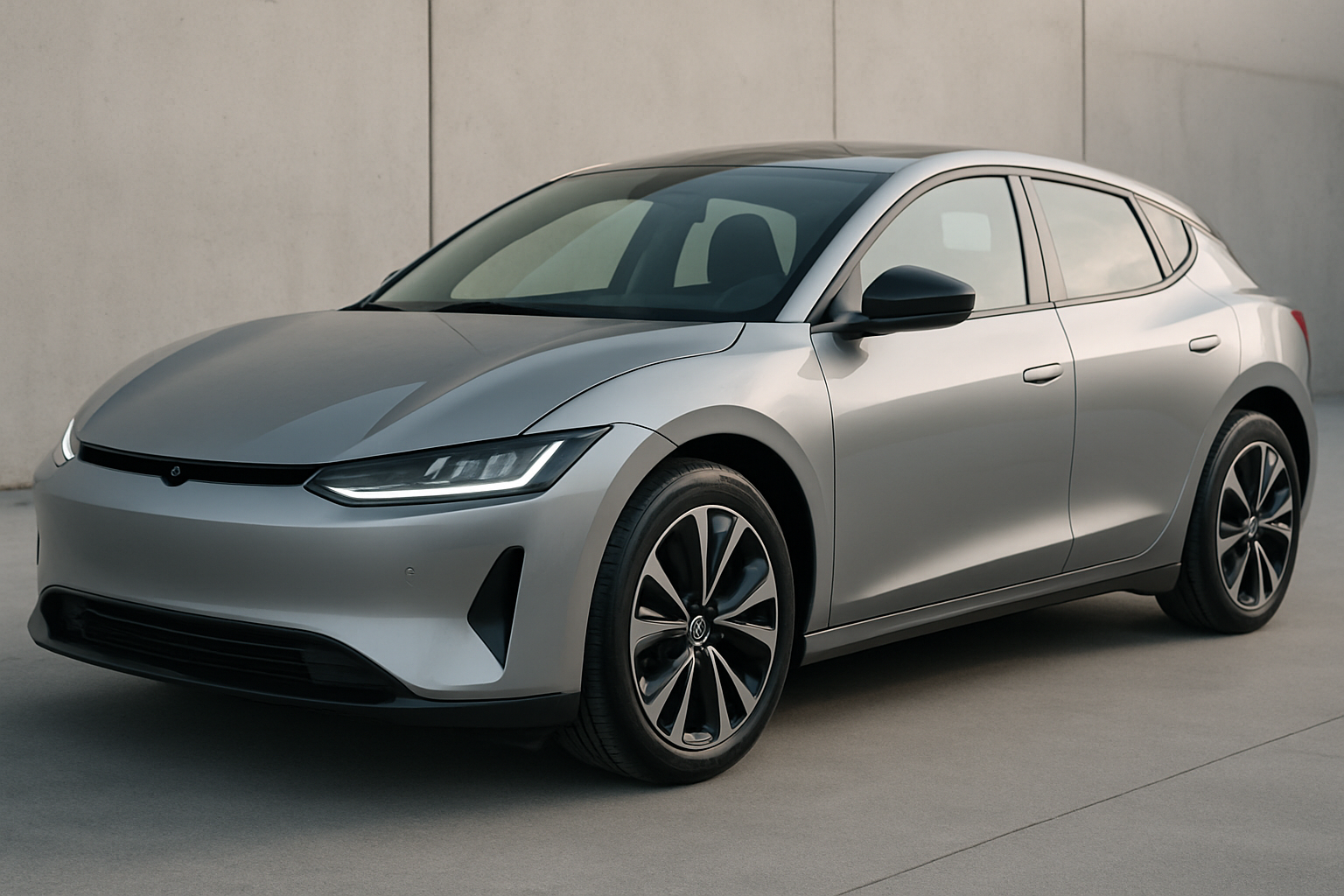
Regenerative braking has become one of the most talked-about features in electric and hybrid vehicles, promising to help drivers recover energy while stopping. You’ve probably heard claims that it can extend your driving range and reduce maintenance costs, but you might be wondering if it actually works as advertised.
How Regenerative Braking Actually Works
Regenerative braking flips your vehicle’s electric motor into reverse mode, essentially turning it into a generator when you need to slow down. Instead of just burning off your momentum as heat through brake pads, the system captures that kinetic energy and feeds it back into your battery pack.
When you lift off the accelerator or press the brake pedal lightly, the motor switches from consuming electricity to producing it. Your wheels keep the motor spinning, but now it’s working against you, creating resistance that slows the vehicle while generating power. This recovered energy gets stored in your battery for later use.
The process happens automatically in most electric vehicles. You don’t need to think about it or activate anything special. The car’s computer decides when to use regenerative braking versus traditional friction brakes based on how much stopping power you need and how much charge your battery can accept.
One-Pedal Driving: The Ultimate Regen Experience
Many modern EVs offer one-pedal driving modes that maximize regenerative braking. When you enable this feature, lifting your foot completely off the accelerator triggers aggressive regeneration that can bring your vehicle to a complete stop without touching the brake pedal.
In vehicles like the Nissan Leaf, you’ll find this feature called “e-Pedal.” Tesla calls it “Hold mode,” while Chevrolet Bolt owners know it as “Low” mode on the gear selector. The exact name varies, but the concept remains the same across manufacturers.
One-pedal driving takes some getting used to, but many drivers find it incredibly convenient once they adapt. You can control your speed almost entirely with the accelerator pedal, making city driving and stop-and-go traffic much less tiring on your right foot.
The regeneration strength in one-pedal mode can feel quite aggressive at first. Your passengers might lurch forward when you lift off the throttle unexpectedly. Practice in an empty parking lot helps you learn the feel and develop smoother driving habits.
Energy Recovery: How Much Can You Actually Save?
Regenerative braking can recover between 10-25% of your vehicle’s energy under normal driving conditions. The exact amount depends on your driving style, terrain, and how efficiently your particular system operates.
City driving with frequent stops offers the best opportunities for energy recovery. Highway driving provides fewer chances to regenerate since you’re not braking as often. Mountainous terrain can actually work in your favor, allowing you to recover significant energy on long downhill stretches.
Your battery’s state of charge also affects regeneration efficiency. A fully charged battery can’t accept as much recovered energy, so the system will automatically reduce regenerative braking strength and rely more on friction brakes when your pack is near 100% capacity.
Cold weather reduces regeneration effectiveness because batteries don’t charge as efficiently at low temperatures. You’ll notice less one-pedal braking strength on winter mornings until your battery pack warms up.
Why You Still Need Traditional Friction Brakes
Regenerative braking has physical limitations that prevent it from completely replacing conventional brake pads and rotors. Electric motors can only generate so much resistance, and sometimes you need more stopping power than regeneration alone can provide.
Emergency stopping situations require maximum braking force immediately. Your ABS system, stability control, and other safety features rely on friction brakes to function properly. Regenerative braking simply can’t deliver the instantaneous, powerful response needed for panic stops.
Low-speed situations also limit regeneration effectiveness. When you’re creeping through a parking lot or coming to a final stop, the motor isn’t spinning fast enough to generate meaningful resistance. Friction brakes handle these final few miles per hour of deceleration.
Battery limitations create another scenario where friction brakes take over. When your pack is full, hot, or experiencing technical issues, the system automatically switches to conventional braking to ensure you can always stop safely.
Brake Pad Longevity in Electric Vehicles
Your brake pads will last significantly longer in an electric vehicle compared to a conventional car. Many EV owners report brake pad life extending to 100,000-150,000 miles or more, compared to 25,000-50,000 miles in traditional vehicles.
This extended life comes with a caveat: your brake pads might develop surface rust or glazing from lack of use. Some manufacturers recommend occasionally using your friction brakes deliberately to keep the components in good condition.
Tesla’s system actually performs automatic brake cleaning cycles to prevent rust buildup. Other manufacturers suggest drivers use the brake pedal firmly once or twice per week during normal driving to maintain the brake components.
Brake fluid still requires regular changes in electric vehicles, even if you’re not using the friction brakes heavily. The fluid can still absorb moisture over time, which affects braking performance and system longevity.
Different Types of Regenerative Braking Systems
Pure electric vehicles typically offer the most aggressive regenerative braking since they have powerful electric motors and large battery packs. Vehicles like the BMW i3 and Nissan Leaf can provide very strong one-pedal driving experiences.
Hybrid vehicles use milder regeneration because their smaller batteries fill up quickly, and their electric motors are less powerful. Cars like the Toyota Prius blend regenerative and friction braking more seamlessly but offer less dramatic energy recovery.
Plug-in hybrids fall somewhere in between, offering stronger regeneration than regular hybrids but not quite matching pure EVs. The Ford Escape PHEV and Toyota RAV4 Prime represent this middle ground approach.
Maximizing Your Regenerative Braking Benefits
Learning to drive efficiently with regenerative braking takes practice but pays dividends in extended range and reduced brake wear. Focus on anticipating stops well in advance rather than braking hard at the last moment.
Watch traffic patterns ahead and begin lifting off the accelerator early when you see brake lights or traffic signals changing. This gives regeneration more time to work and provides smoother deceleration for your passengers.
Use your vehicle’s different regeneration modes strategically. Higher settings work well for city driving and mountainous terrain, while lower settings might feel more natural on highways or when passengers aren’t used to aggressive regeneration.
Keep your battery’s ideal charging range in mind. Charging to 80-90% instead of 100% for daily driving leaves room for regeneration to work effectively throughout your trips.
Common Misconceptions About Regenerative Braking
Many drivers expect regenerative braking to completely eliminate brake maintenance, but this isn’t realistic. While brake pad life extends dramatically, you’ll still need occasional brake fluid changes and system inspections.
Some people worry that regenerative braking wears out their battery faster through constant charging cycles. Modern battery management systems are designed to handle this type of charging, and the small amounts of energy recovered during regeneration don’t significantly impact battery longevity.
Another common myth suggests that regenerative braking reduces overall vehicle reliability by adding complexity. Most systems are actually quite simple and robust, with fewer moving parts than traditional brake boosters and vacuum systems.
The Future of Regenerative Braking Technology
Automakers continue improving regenerative braking systems with better integration between electric motors and friction brakes. Future systems will likely offer even smoother blending and more efficient energy recovery.
Advanced driver assistance systems are beginning to incorporate regenerative braking into features like adaptive cruise control and automatic emergency braking. This integration helps maximize energy recovery during automated driving functions.
Vehicle-to-grid technology may eventually allow your car to use regenerative braking energy for household power or grid storage, though this technology is still in early development stages.
Frequently Asked Questions
Can regenerative braking completely replace normal brakes?
No, regenerative braking cannot completely replace friction brakes. While it handles most daily stopping needs, you still need conventional brakes for emergency stops, low-speed maneuvering, and situations where the battery cannot accept more charge. All electric and hybrid vehicles use both systems working together.
Does regenerative braking work when the battery is full?
Regenerative braking becomes less effective when your battery approaches full charge because there’s limited space to store the recovered energy. The vehicle’s computer automatically reduces regeneration strength and relies more heavily on friction brakes in these situations to ensure consistent stopping power.
Will my brake pads last longer with regenerative braking?
Yes, brake pads typically last 2-3 times longer in vehicles with regenerative braking. Many EV owners report brake pad life exceeding 100,000 miles. However, you may need to use your friction brakes occasionally to prevent rust and glazing from developing on the brake components.
Is regenerative braking bad for the battery?
No, regenerative braking doesn’t harm modern EV batteries. The charging amounts are small compared to plugging in at home, and battery management systems are designed to handle this type of frequent, light charging. The energy recovery actually improves overall efficiency and driving range.
This article contains affiliate links. If you purchase through these links, we may earn a small commission at no extra cost to you.
Leave a Reply