
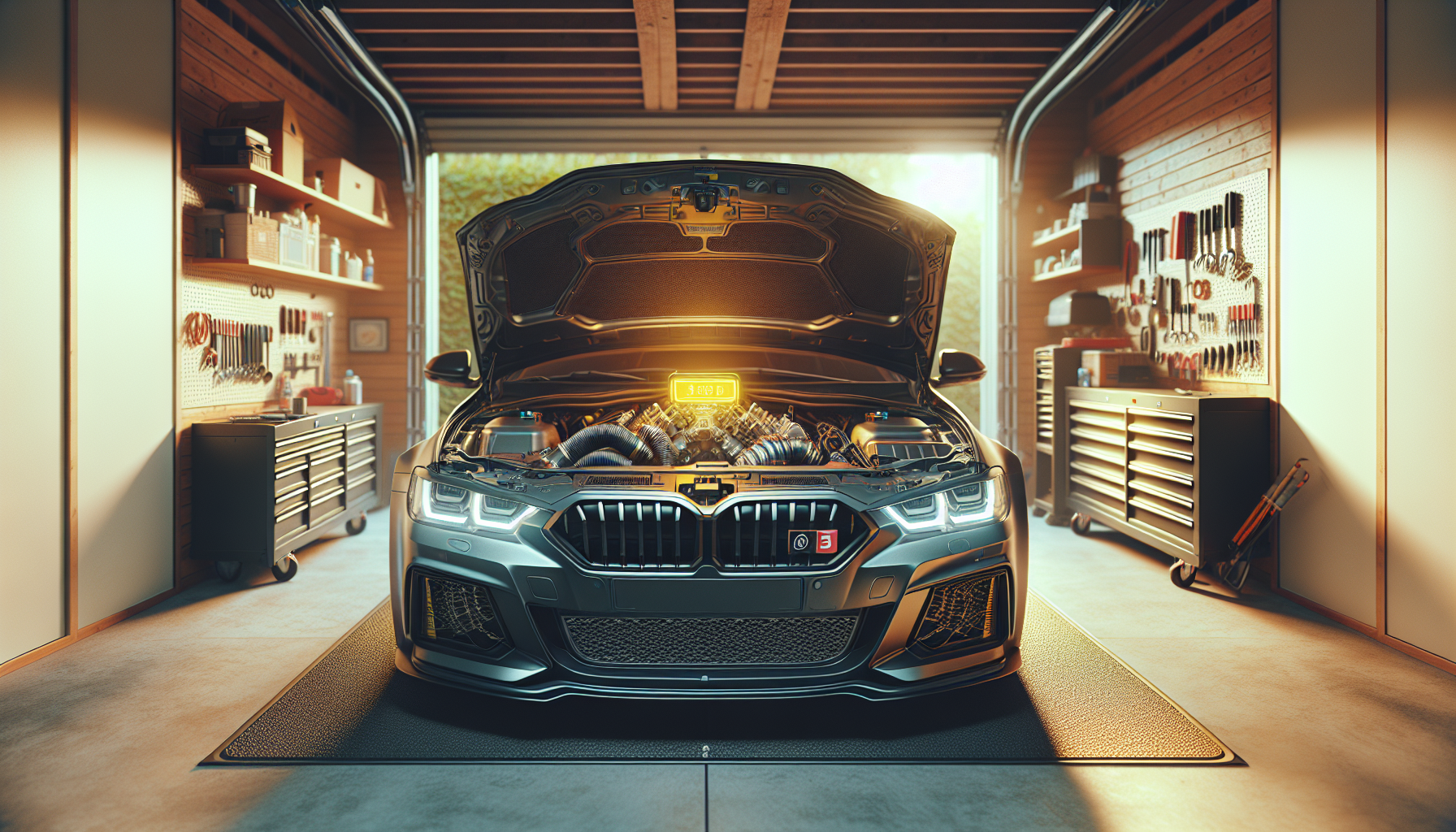
That yellow EPC light glowing on your Volkswagen Passat dashboard is more than just annoying. It’s your car’s way of telling you something in the electronic power control system needs attention. The good news is that while the EPC light sounds technical and scary, many of the causes are actually pretty simple to diagnose and fix yourself.
EPC stands for Electronic Power Control, and it’s Volkswagen’s system for managing your engine’s throttle and related components. When this light comes on, your Passat might go into limp mode, limiting your speed and acceleration to protect the engine. Sometimes the car runs fine despite the light. Either way, you need to figure out what’s triggering it.
Common Causes
The EPC system monitors a bunch of different sensors and components, which means the light can come on for several reasons. Some are minor. Others need immediate attention.
Throttle body issues are the most common culprit. Carbon buildup on the throttle plate prevents it from opening and closing smoothly, confusing the sensors. After about 60,000 miles, many Passats develop enough buildup to trigger the EPC light. The throttle body might just need cleaning, or in some cases, the position sensor inside it has failed.
Brake light switch failure is another frequent cause, especially on older Passats. This might seem weird since we’re talking about engine control, but the brake switch communicates with multiple systems in your car. When it fails, the EPC system can’t properly read whether you’re braking, which throws everything off. You might also notice your cruise control stops working or your brake lights stay on constantly.
Mass airflow sensor problems will definitely wake up the EPC light. The MAF sensor tells your engine computer how much air is entering the engine. When it gets dirty or fails, your Passat can’t adjust the fuel mixture properly. You’ll often feel hesitation during acceleration or rough idling alongside the warning light.
Boost pressure sensor issues on turbocharged Passat models can trigger EPC warnings. The sensor monitors turbo boost pressure, and when it reads incorrectly or fails completely, the engine computer freaks out and illuminates the light. Sometimes it’s the sensor itself, other times it’s a vacuum leak in the system.
Wiring problems are less common but still worth mentioning. Rodent damage, corrosion, or just age can cause electrical gremlins in the throttle system wiring. I’ve seen mice chew through wiring harnesses in cars that sit for extended periods.
ABS wheel speed sensors occasionally cause EPC lights because the stability control system shares information with the engine management system. A bad wheel speed sensor confuses the whole network.
How to Diagnose the Problem
You need to read the fault codes stored in your Passat’s computer. There’s no way around this step.
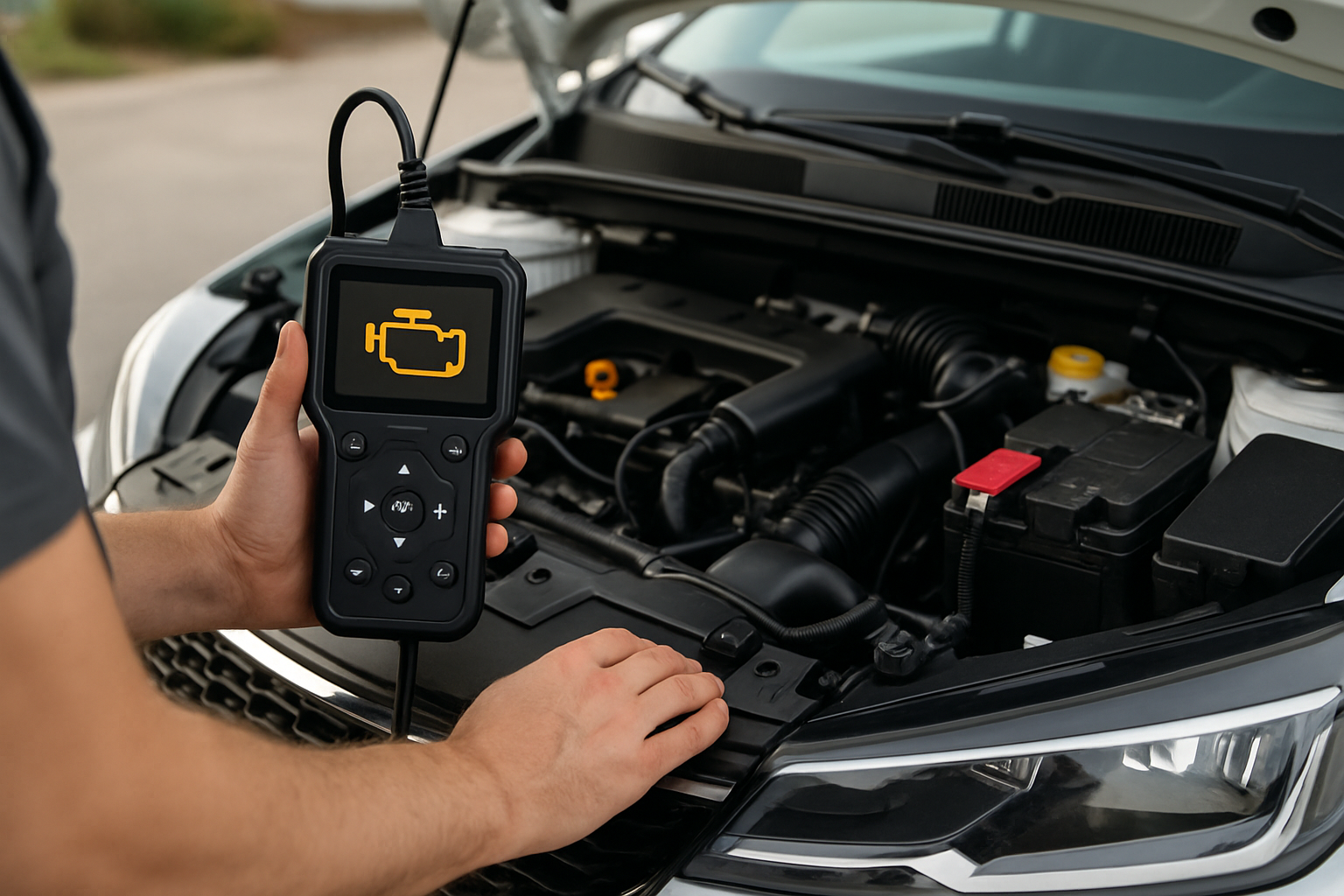
Get yourself an OBD-II scanner that can read VW-specific codes. Generic code readers from auto parts stores will show you some codes, but they often miss the VW-specific ones that actually tell you what’s wrong. A proper VCDS cable or a good Bluetooth OBD scanner with VW compatibility will save you hours of guesswork.
Plug the scanner into the OBD port under your dashboard, turn the ignition to the ON position (don’t start the engine), and run a full system scan. Write down all the codes you get. Pay special attention to codes starting with P0121, P0122, P2015, P0571, or anything related to throttle position, brake switch, or airflow.
This video walks through the diagnostic process for EPC lights:
After reading codes, do a quick visual inspection. Pop the hood and check for any obvious vacuum hoses that have come loose or split. Look at the electrical connectors on the throttle body and make sure they’re seated properly and not corroded.
Test your brake lights while you’re at it. Have someone press the brake pedal while you watch the lights, or back up to a wall at night and check the reflection. If the lights don’t work or stay on constantly, you’ve likely found your problem.
For throttle body issues, you can sometimes feel the problem. With the engine off and key out, open the throttle plate manually with your finger. It should move smoothly and snap back quickly. If it’s sticky or sluggish, carbon buildup is probably your issue.
How to Fix It
Once you know what’s wrong, many EPC light causes are actually DIY-friendly.
Cleaning the throttle body is something most people can handle in their driveway. Disconnect the negative battery cable first. Remove the air intake hose from the throttle body (usually just a couple of clamps). Spray throttle body cleaner onto a rag and wipe away the carbon buildup on the throttle plate and inside the housing. Don’t spray cleaner directly onto the throttle position sensors. Once it’s clean, reassemble everything, reconnect the battery, and start the car. Let it idle for a few minutes while the computer relearns the throttle position. The EPC light should clear.
Replacing the brake light switch takes about 15 minutes. The switch is located above the brake pedal, and you’ll need to crawl under the dashboard to reach it. Twist it counterclockwise to remove, disconnect the electrical connector, then install the new one in reverse order. The part costs around $15-30. After replacement, clear the codes with your scanner and the EPC light should stay off.
Mass airflow sensor replacement is even easier. It’s located in the air intake tube between the air filter box and the throttle body. Two screws or bolts hold it in place, plus one electrical connector. Before buying a new sensor, try cleaning the existing one with MAF sensor cleaner spray. Sometimes that’s all it needs. If cleaning doesn’t work, replace it.
For boost pressure sensors on turbo models, locate the sensor on the intake manifold. Replacement involves unplugging the electrical connector and unscrewing the sensor. Before replacing it, check all the vacuum lines connected to the turbo system for cracks or loose connections. A $2 vacuum line might save you from buying a $100 sensor.
After any repair, use your OBD scanner to clear the fault codes. If you fixed the right problem, the EPC light will stay off. If it comes back immediately or after a short drive, either you missed something or there’s a second issue.
When to See a Mechanic
Some EPC causes require professional help.
If your codes point to a failing throttle body and cleaning doesn’t help, the throttle position sensor inside might be bad. Replacing the entire throttle body unit requires proper programming with dealer-level diagnostic tools. You can install the part yourself, but most independent shops charge about an hour of labor to program it to your car’s computer.
Wiring issues are tedious to trace and repair. If you’re getting intermittent codes or multiple unrelated fault codes, electrical problems are likely. A mechanic with a proper wiring diagram and experience with VW electrical systems will find the problem much faster than you can.
ABS sensor issues combined with EPC lights often mean you need specialized diagnostic equipment to pinpoint which sensor is failing. These problems also require proper calibration after repair.
If your Passat goes into limp mode and won’t accelerate past 2000 RPM, drive carefully to a shop. Don’t ignore this. Running the car in limp mode for extended periods can cause additional damage.
Estimated Repair Costs
Here’s what you’re looking at for common EPC repairs:
| Repair | DIY Cost | Shop Cost |
|---|---|---|
| Throttle body cleaning | $10-15 | $100-150 |
| Brake light switch replacement | $15-30 | $80-120 |
| MAF sensor replacement | $50-150 | $150-300 |
| Throttle body replacement | $200-400 | $400-700 |
| Boost pressure sensor | $60-120 | $180-300 |
| ABS wheel sensor | $40-80 | $150-250 |
Dealer prices run about 20-30% higher than independent VW specialists. The diagnostic fee at most shops is $100-150, which usually gets applied to the repair if you have them fix it.
Prevention Tips
You can avoid some EPC light causes with basic maintenance.
Clean your throttle body every 30,000-40,000 miles as preventive maintenance. Carbon buildup happens gradually, and regular cleaning prevents it from getting bad enough to trigger warning lights. This is especially true if you do a lot of city driving.
Replace your air filter on schedule. A dirty air filter forces your engine to work harder and can lead to MAF sensor contamination. The cleaner the air entering your engine, the longer sensors last.
Use quality fuel with detergents. Top-tier gas brands actually do make a difference in keeping your intake system cleaner. It won’t prevent all carbon buildup, but it slows the process.
Don’t ignore small electrical issues. If your brake lights are acting weird or your check engine light comes on for what seems like a minor issue, get it checked. Small electrical problems in VWs tend to cascade into bigger ones.
Keep up with software updates at the dealer. VW occasionally releases software updates that fix bugs in the engine management system. If you’re already at the dealer for other service, ask if any updates apply to your Passat’s model year.
Final Thoughts
The EPC light on your Volkswagen Passat isn’t something to panic about, but don’t ignore it either. Start with reading the fault codes to know exactly what you’re dealing with. Many causes like a dirty throttle body or a failed brake switch are easy fixes that’ll save you hundreds compared to shop prices. For more complex issues involving programming or electrical diagnosis, finding a good independent VW specialist is worth it. They’ll charge less than the dealer while still having the right tools and knowledge to fix your car properly.

Leave a Reply