
That flickering red oil can icon on your Volkswagen Jetta’s dashboard can send your heart racing, and for good reason. Oil pressure warnings exist to protect your engine from catastrophic damage. But when the light flickers on and off rather than staying solidly lit, you’re dealing with something different than a total loss of oil pressure. Most often, it’s an electrical or sensor issue rather than an actual mechanical problem with your engine’s lubrication system.
I’ve seen countless Jetta owners panic over this flickering light, only to discover it was a $30 sensor instead of a $3,000 engine rebuild. That said, you can’t just ignore it and hope it goes away. Let’s walk through what causes this issue and how to fix it yourself.
Common Causes
The flickering behavior tells us something specific: oil pressure is borderline or the monitoring system is malfunctioning. Here’s what typically causes this on Volkswagen Jettas.
Faulty Oil Pressure Sensor
This is the culprit in about 70% of cases. The oil pressure sensor (also called an oil pressure switch) sits on the engine block and sends electrical signals to your dashboard. Over time, these sensors fail internally or develop corroded connections. When they start to go bad, they send intermittent signals that cause the flickering you’re seeing. On Jettas, especially the 2.0T and TDI models, these sensors are known weak points.
Low Oil Level
Sometimes the simple answer is the right one. If your oil level is low enough that the pickup tube occasionally sucks air during cornering or acceleration, you’ll get flickering warnings. Check your dipstick first before diving into more complex diagnostics.
Wrong Oil Viscosity
Using the wrong weight oil can cause actual pressure fluctuations. If someone put 10W-40 in your Jetta when it calls for 5W-30, cold starts might show low pressure until the oil warms up and flows properly.
Worn Oil Pump
Less common but more serious. The oil pump creates the pressure that circulates oil through your engine. When it wears out, pressure drops at idle or low RPMs. You’ll typically see the light flicker when idling at stoplights but disappear when you accelerate.
Clogged Oil Pickup Screen
The pickup tube has a screen that can get clogged with sludge if oil changes were neglected. This restricts oil flow and causes pressure drops, especially when the oil is cold and thick.
Wiring Issues
The wiring harness that connects to the oil pressure sensor can chafe, corrode, or develop loose connections. This is particularly common on older Jettas where the wiring has been exposed to years of heat cycling and engine vibration.
How to Diagnose the Problem
Before you start throwing parts at the problem, let’s figure out what’s actually wrong. You’ll need a few basic tools and about 30 minutes.
Check Your Oil Level
Park on level ground and let the engine sit for five minutes. Pull the dipstick, wipe it clean, reinsert it fully, then check the level. It should be between the MIN and MAX marks. If it’s low, top it off with the correct oil specified in your owner’s manual and see if the flickering stops.
Inspect the Oil Pressure Sensor
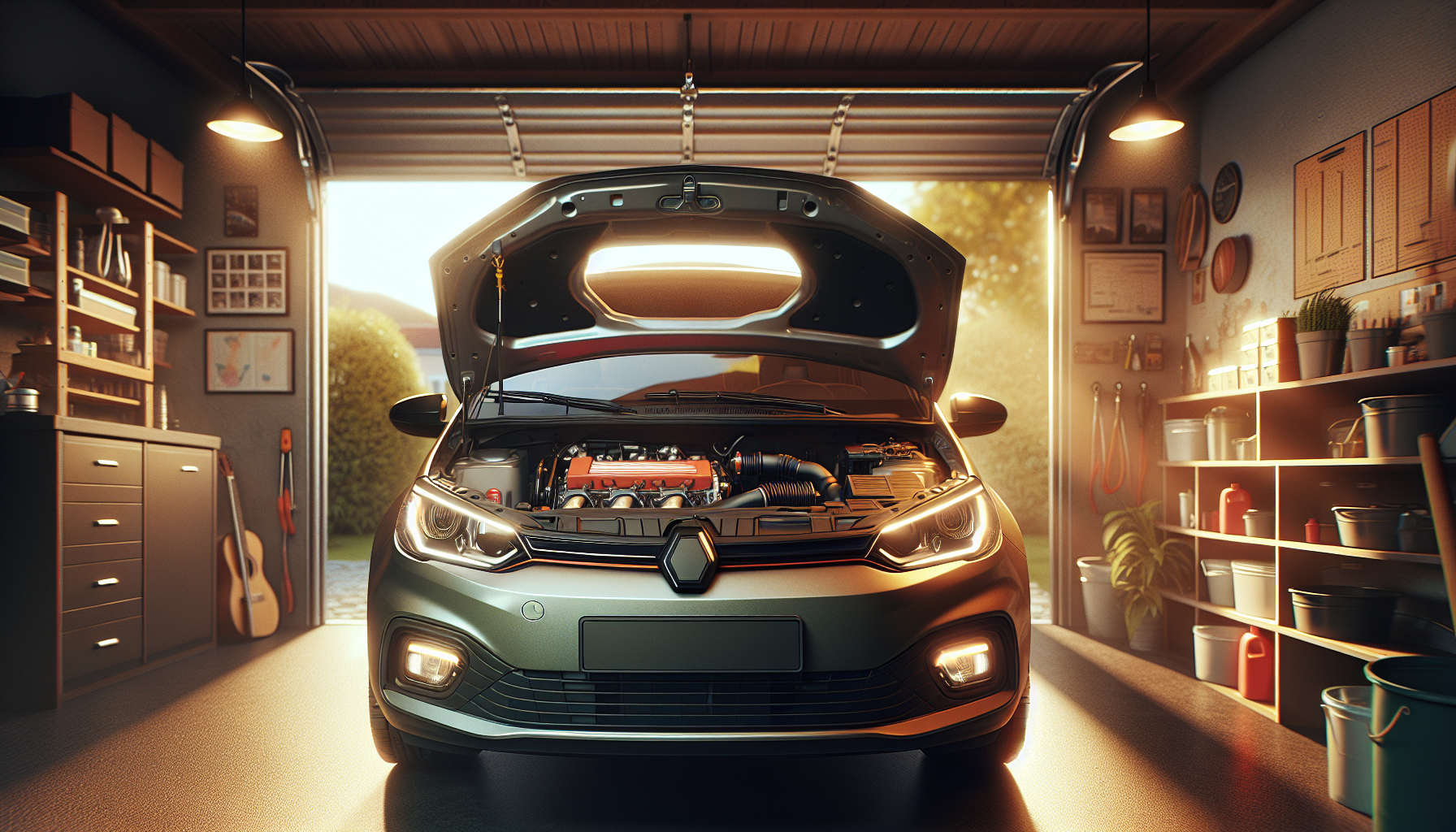
Open your hood and locate the oil pressure sensor. On most Jetta engines, it’s on the lower driver’s side of the block, near the oil filter. Look for oil leaking around the sensor or corrosion on the electrical connector. A leaking sensor almost always means it’s failed internally.
Check the Wiring Connector
Disconnect the electrical plug from the sensor. Look inside for corrosion, bent pins, or oil contamination. Wiggle the connector while watching your dashboard (with ignition on, engine off). If the light behavior changes, you’ve found a wiring issue.
Install a Mechanical Oil Pressure Gauge
This is the definitive test. Remove the sensor and install a mechanical gauge in its place (you can rent these from auto parts stores). Start the engine and watch the gauge. At idle when warm, you should see at least 10-15 PSI. At 2000 RPM, expect 30-50 PSI or more. If your mechanical gauge shows good pressure but the light still flickers, you’ve confirmed it’s a sensor or electrical issue.
This video walks through the diagnostic process for VW oil pressure warnings:
Scan for Fault Codes
If you have access to a VCDS scanner or OBD-II reader, check for stored codes. Codes like P0520, P0521, or P0522 all relate to oil pressure sensor circuit issues and point directly to the sensor or wiring.
How to Fix It
Once you’ve diagnosed the issue, here’s how to fix it yourself. Most of these repairs are within reach of a DIY mechanic with basic tools.
Replace the Oil Pressure Sensor
This is the most common fix and takes about 20 minutes. You’ll need a 24mm deep socket or a specialized oil pressure sensor socket. Let the engine cool completely before starting.
Disconnect the electrical connector from the old sensor. Use your socket to unscrew the sensor counterclockwise. It’ll probably leak some oil when you remove it, so have a rag ready. Clean the threads on the engine block. Apply a thin coat of fresh oil to the O-ring on the new sensor (don’t use thread sealant or Teflon tape). Hand-tighten the new sensor, then snug it with your socket. Don’t overtighten it or you’ll crack the plastic housing. Reconnect the electrical plug and start the engine. The light should stay off.
Top Off or Change Your Oil
If your oil was low, add the correct amount and type. If it’s been more than 5,000 miles since your last change, or if the oil looks dark and sludgy, do a complete oil change. Use VW 502.00 approved oil (typically 5W-30 or 5W-40 synthetic).
Clean or Repair Wiring Connections
If you found corrosion in the connector, spray it with electrical contact cleaner and let it dry. Check that the pins inside aren’t pushed back or damaged. If the wiring itself is chafed or damaged, you can splice in new wire using solder and heat shrink tubing. Make sure to route it away from hot exhaust components.
Replace the Oil Pressure Switch Harness
If the connector is badly corroded or damaged, you can buy a replacement pigtail connector from the dealer or online. Cut off the old connector, strip the wires, and connect the new pigtail using crimp connectors or solder.
This video shows the repair process specifically for a Jetta with a flickering oil light:
When to See a Mechanic
Some oil pressure issues go beyond DIY fixes and require professional help.
If your mechanical gauge test shows actual low oil pressure (under 10 PSI at idle), don’t drive the car. You’ve got an internal engine problem that needs immediate attention. Continuing to run the engine with low pressure will destroy bearings and other internal components.
Replacing an oil pump requires dropping the oil pan and sometimes removing the front subframe, depending on your Jetta’s engine. This is a 4-6 hour job that requires a lift and specialized tools. Unless you’re an experienced home mechanic with the right equipment, let a shop handle this.
If the pickup screen is clogged, it’s in the oil pan and requires the same teardown as an oil pump replacement. A shop can also assess whether your engine has sludge buildup that needs addressing.
When you see metal shavings in your oil or hear knocking noises along with the pressure warning, you might have bearing damage. This requires an engine teardown to assess and potentially a rebuild or replacement.
Estimated Repair Costs
Here’s what you can expect to pay if you tackle these repairs yourself versus taking it to a shop.
| Repair | DIY Cost | Shop Cost |
|---|---|---|
| Oil pressure sensor replacement | $15-40 | $80-150 |
| Oil change (synthetic) | $40-60 | $70-100 |
| Wiring harness repair | $10-25 | $100-200 |
| Oil pump replacement | $120-250 (parts) | $500-900 |
| Oil pan removal and cleaning | $50-80 (gasket/oil) | $350-600 |
Parts prices vary by model year and engine type. The 2.0T engines tend to be pricier for parts than the 2.5L five-cylinder. Labor rates vary by region, with dealers charging more than independent shops.
Prevention Tips
You can minimize the chances of oil pressure issues with some basic maintenance habits.
Change your oil on schedule using VW-approved synthetic oil. The 10,000-mile interval VW recommends is aggressive for most driving conditions. I’d stick to 5,000-7,500 miles, especially if you do a lot of short trips or city driving.
Check your oil level monthly. It takes 30 seconds and catches low oil before it becomes a problem. Some Jetta engines (looking at you, 2.0T) are known to consume oil between changes.
Use the correct oil viscosity for your engine and climate. Check your owner’s manual, not what the guy at the quick lube place recommends. The wrong oil can cause actual pressure problems.
Address oil leaks promptly. If you’re seeing spots under your car or smelling burning oil, track down the leak and fix it before you end up running low.
Replace your oil pressure sensor proactively if your Jetta is over 100,000 miles. They’re cheap insurance against a flickering warning light, and they rarely last beyond 120,000 miles anyway.
Final Thoughts
A flickering oil pressure light on your Jetta is usually more annoying than dangerous, but you can’t afford to ignore it. Start with the simple checks: oil level, sensor condition, and wiring connections. Most of the time, you’ll find a failing sensor that takes 20 minutes and $30 to replace.
But don’t skip the diagnostic step. Installing a mechanical gauge to verify actual oil pressure gives you peace of mind that you’re not masking a serious engine problem. If you do find low actual pressure, get the car to a mechanic before you do permanent damage. Engines can survive a lot of abuse, but running them with low oil pressure isn’t one of those things.


Leave a Reply