
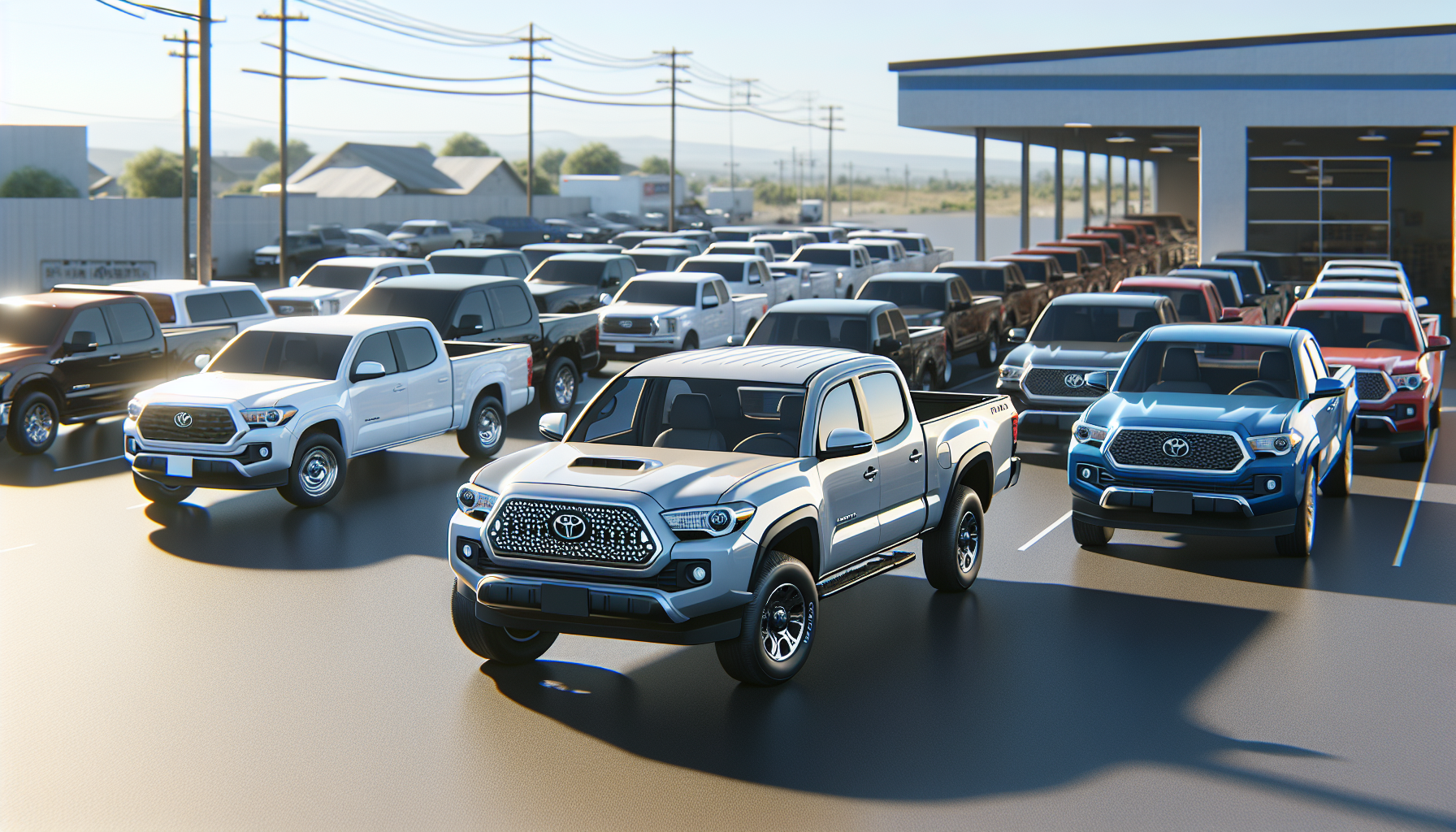
If you’ve ever shopped for a used truck, you know the sticker shock is real. Even models with 100,000 miles can command prices that make you wonder if they’re selling gold bars instead of F-150s. That’s because certain trucks depreciate slower than a rusty bolt comes loose, which is to say, not much at all.
Understanding which trucks hold their value matters whether you’re buying or selling. Buy the right one and you’ll recoup most of your investment when it’s time to move on. Buy the wrong one and you’ll watch thousands evaporate faster than coolant from a cracked radiator.
Let me walk you through the trucks that laugh in the face of depreciation, why they’re so resilient, and what to look for when you’re hunting for one.
Why Some Trucks Hold Value Better Than Others
Not all trucks are created equal when it comes to resale value. A few factors separate the winners from the losers.
Reliability sits at the top of the list. Trucks known for running past 200,000 miles without major drama command premium prices on the used market. Buyers will pay more upfront if they know the thing won’t leave them stranded.
Brand reputation matters too. Toyota and Honda built their empires on vehicles that refuse to die. That reputation carries serious weight when someone’s deciding between two similar trucks.
Capability plays a huge role. Trucks that can actually haul and tow what their badges claim hold value better than mall crawlers. A half-ton that can pull 10,000 pounds will always fetch more than one maxed out at 7,000.
Parts availability and repair costs factor in as well. Trucks that don’t require a second mortgage for basic maintenance stay desirable longer. If every oil change needs dealer-only filters or specialty tools, buyers notice.
Toyota Tacoma
The Tacoma might be the king of resale value. I’ve seen ten-year-old models selling for 60-70% of their original MSRP, which is borderline absurd for any vehicle.
Why does it hold value so well? The 3.5L V6 in newer models is bulletproof. The earlier 4.0L V6 from 2005-2015 has a reputation for outlasting the trucks they’re bolted into. Transmission issues occasionally pop up in first-gen models, but compared to competitors, the Tacoma is remarkably trouble-free.
The mid-size format helps too. Not everyone needs a full-size truck, and the Tacoma offers real capability without drinking fuel like a Cummins. Off-road trims like the TRD Pro and Off-Road hold value even better because the adventure crowd will pay premium prices for factory-lifted trucks with locking diffs.
If you’re shopping for a used Tacoma, expect to pay close to retail. They rarely sit on lots long enough to negotiate much. But when you sell it five years later, you’ll understand why everyone swears by them.
Toyota Tundra
The Tundra follows its little brother’s lead on value retention. The 5.7L V8 is a tank, I’ve personally seen these motors hit 300,000 miles on original internals with nothing but routine maintenance.
Full-size truck buyers love the Tundra because it doesn’t have the complexity issues plaguing some domestics. No cylinder deactivation, no ten-speed transmissions hunting for gears, no turbochargers to rebuild at 150,000 miles. Just a big V8 that makes power and a six-speed transmission that shifts when you tell it to.
The downside? They’re outdated compared to newer F-150s and Silverados in terms of tech and fuel economy. But that simplicity is exactly why they hold value. When you’re buying used, simple beats sophisticated every time.
Watch for rust on models from the snow belt. Tundra frames from certain years had corrosion issues that Toyota addressed with recalls, but inspect carefully if you’re looking at 2000-2008 models.
Honda Ridgeline
The Ridgeline gets laughed at by the traditional truck crowd, but it holds value better than most mainstream half-tons. That unibody construction and car-based platform mean it drives like a Honda Pilot with a bed, which is exactly what buyers in the used market want if they’re prioritizing comfort and reliability over maximum towing capacity.
The 3.5L V6 is Honda’s workhorse motor, proven across their entire lineup. It’s smooth, reasonably powerful, and will run forever if you change the oil. The nine-speed transmission in newer models can be a bit finicky, but nothing catastrophic.
Where the Ridgeline shines is practicality. That in-bed trunk is genuinely useful, and the dual-action tailgate makes loading easier than traditional trucks. If your truck duty involves Home Depot runs and hauling camping gear rather than fifth-wheel trailers, the Ridgeline nails the brief.
Prices stay high because Honda doesn’t make many of them compared to F-150 or Silverado volumes. Limited supply plus Honda reliability equals strong resale values.
Ford F-150
The F-150 holds value better than you’d expect given how many Ford builds every year. Certain engine and trim combinations do better than others.
The 5.0L V8 is the sweet spot. It’s proven, makes good power, and doesn’t have the complexity of EcoBoost turbos. Don’t get me wrong, the 3.5L EcoBoost is a fantastic motor, but turbos add maintenance costs down the road that make some used buyers nervous.
XLT and Lariat trims hold value better than base models because they have enough features to stay competitive as they age. King Ranch and Platinum trucks depreciate harder initially but level off around year five.
Aluminum body panels from 2015-up initially spooked people, but they’ve proven durable. Just watch for repairable damage, aluminum costs more to fix than steel, which can affect resale if there’s body work in the history.
The F-150’s massive sales volume means parts are cheap and every mechanic knows how to work on them. That accessibility keeps values strong in the used market.
This video covers reliability aspects that directly impact resale value:
Chevrolet Silverado 1500
The Silverado trails Ford slightly in value retention but still performs well, especially if you stick with proven powertrains. The 5.3L V8 is practically immortal. It’s not fancy, no cylinder deactivation wizardry in older models, but it runs forever and parts cost nothing.
Higher trims like LTZ and High Country hold value better than Work Truck models. The used market wants leather, heated seats, and backup cameras, not rubber floors and manual windows.
Watch out for Active Fuel Management issues in 2007-2013 models. The system that shuts down cylinders to save fuel can cause problems with lifters and oil consumption. It’s fixable, but factor repair costs into your offer if you’re buying one.
The 2019-up models with the 6.2L V8 hold ridiculous value because that motor is a beast. If you can find one used at a reasonable price, grab it.
GMC Sierra 1500
The Sierra is essentially a Silverado with different badges and nicer interior materials. Everything I said about the Silverado applies here, but GMC’s positioning as a premium brand means Sierras often hold value slightly better.
Denali trims command top dollar on the used market. Buyers love the luxury truck segment, and a three-year-old Denali with 50,000 miles still feels current inside.
The mechanical reliability mirrors Chevrolet since they share components. Same engines, transmissions, and drivetrains. You’re paying extra for better seats and more chrome, but if resale value matters, that premium pays off later.
Ram 1500
Ram made huge strides with the 2019 redesign. Earlier models have spottier reliability records, which hurts their value retention. But the newer generation trucks are legitimately impressive.
The 5.7L HEMI is Ram’s best engine for value retention. It’s proven over decades and makes a great noise. The 3.0L EcoDiesel holds value well in certain markets where diesel fuel prices make sense, but be cautious about emissions system repairs on higher-mileage examples.
Laramie and up trims hold value best because Ram’s interior quality finally matches Ford and GM in these trucks. Lower trims feel cheaper inside, which shows when you’re trying to sell.
Ram’s ride quality is genuinely better than competitors thanks to coil spring rear suspension, but that complexity costs more to repair if something breaks. Factor that into your long-term ownership costs.
Nissan Frontier
The Frontier is an odd duck. It held the same basic design from 2005 to 2021, which should kill resale values. Instead, they stay surprisingly strong because the 4.0L V6 and bulletproof transmission just work.
That outdated design actually helps value retention. There’s nothing complicated to break. No touchscreens to glitch, no advanced driver aids to malfunction, no turbos to rebuild. Just a truck that hauls stuff and starts every morning.
The brand-new 2022-up models are too fresh to judge on value retention, but if they inherit the mechanical durability of their predecessors, they should hold up well.
Frontiers sell for less than Tacomas, which makes them better value propositions if you’re buying. When selling, you won’t get Tacoma money, but they hold their value relative to their lower starting prices.
What to Look for When Buying
Buying a used truck that holds value means starting with a good example. Service records matter more than anything. A truck with documented oil changes and maintenance is worth thousands more than one with a glove box full of fast food receipts.
Check the frame carefully. Rust kills value faster than anything mechanical. Crawl underneath with a flashlight and look for scale, flaking, or soft spots. Surface rust is normal; structural rust is a deal-breaker.
Test the four-wheel-drive system properly. Find an empty parking lot and engage 4WD at slow speeds. It should shift smoothly without grinding or clunking. 4WD repairs get expensive fast.
Look at tire wear patterns. Uneven wear suggests suspension or alignment issues that the seller might be hiding. New tires on an old truck can be a red flag, sometimes sellers slap cheap rubber on to hide problems.
Get a pre-purchase inspection from a mechanic you trust. Spending $150 for a professional to check a truck can save you from buying someone else’s problem.
Factors That Kill Truck Values
Certain things tank resale values faster than others. Salvage titles are obvious, you’ll never get close to clean title money. But even minor accidents reported to Carfax can shave thousands off.
Aftermarket modifications are tricky. Quality suspension lifts might help value with the right buyer, but cheap spacer lifts and cut springs hurt it. Programmer tunes and deleted emissions equipment can make trucks nearly unsellable in some states.
High mileage matters less on proven trucks like Tacomas and Tundras, but it kills value on anything with a questionable reliability record. A 150,000-mile Ram from 2012 is worth way less than a similar-mileage Tundra.
Deferred maintenance shows up everywhere. Worn interior, foggy headlights, scratched bed liners, all these little things add up. Clean trucks with good interiors sell faster and for more money.
When to Buy for Best Value
Timing your purchase can save thousands. Late fall and winter see lower truck prices in most markets because nobody’s thinking about camping and home projects. Dealers and private sellers get more negotiable when temperatures drop.
Three to five years old hits the sweet spot for depreciation versus remaining life. You avoid the steepest depreciation hit of the first two years but still get a relatively modern truck with plenty of life left.
Shop around lease return time. Tons of three-year leases hit the market simultaneously, flooding inventory and creating opportunities. Dealers need to move them to make lot space.
Be ready to jump on good deals. Trucks that hold value don’t sit around long. If you find a clean Tacoma or Tundra at a fair price, don’t sleep on it waiting for something better.
Final Thoughts
Buying a truck that holds its value comes down to choosing proven platforms with solid reliability records. You’ll pay more upfront for a Tacoma or Tundra, but you’ll get most of that money back when you sell.
If Toyota prices make you wince, the right F-150 or Silverado can deliver similar value retention at lower entry costs. Stick with proven engines, check maintenance records carefully, and inspect thoroughly before buying.
The trucks that lose value fastest usually deserve it. Poor reliability, high repair costs, and outdated designs all show up in resale numbers. Do your homework before buying and you’ll avoid the depreciation disasters that leave owners underwater on their loans.
Remember that the best truck for value retention isn’t always the best truck for your needs. A Tacoma might hold value great, but if you need to tow 12,000 pounds regularly, it’s the wrong tool. Buy what fits your usage first, then prioritize value retention within that category.


Leave a Reply