
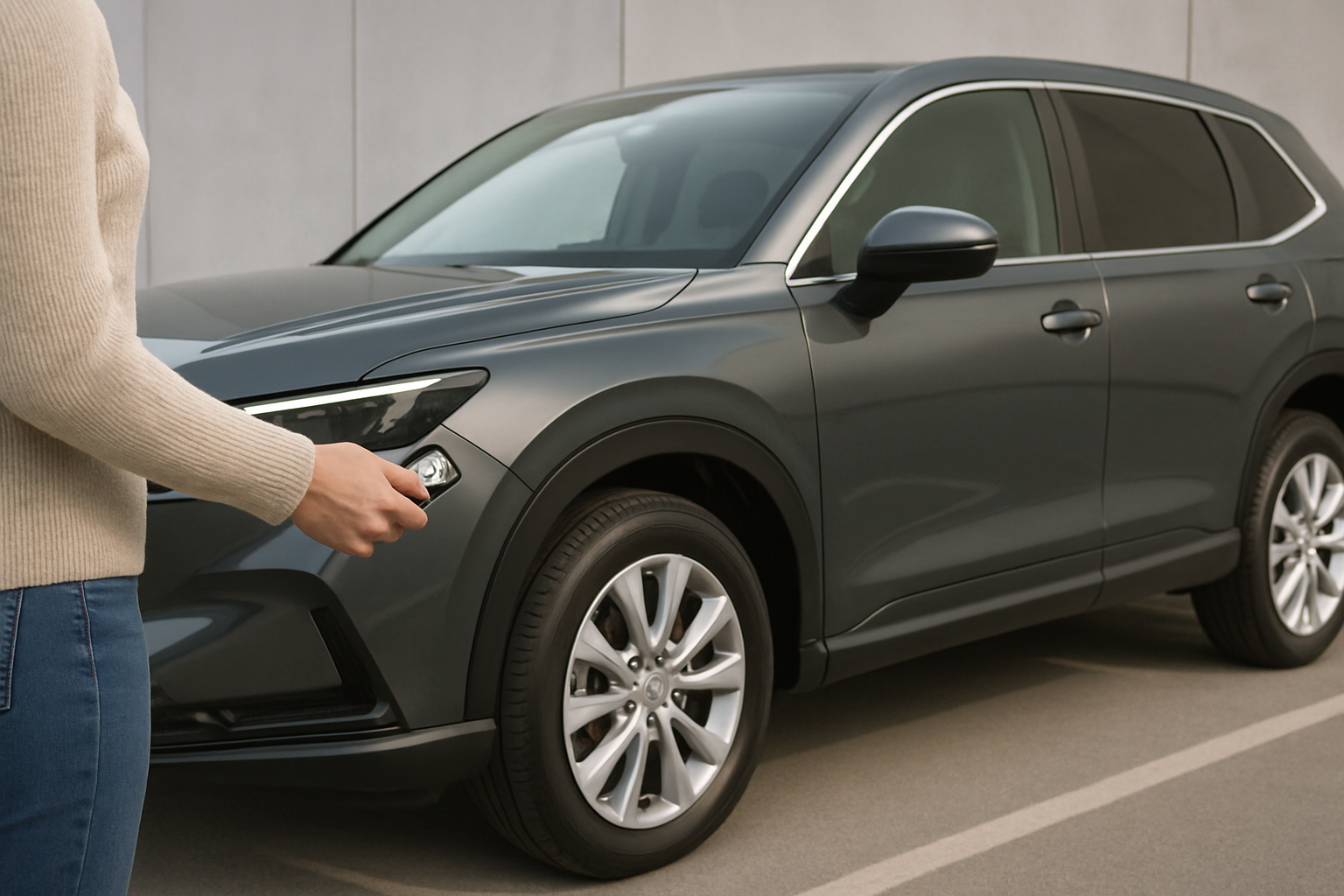
Honda’s Walk-Away Auto Lock is one of those features that sounds incredibly convenient until you accidentally lock yourself out or wonder if your car is actually secured. This proximity-based system automatically locks your vehicle when you walk away with the key fob, but understanding how it works and how to control it can save you from frustrating situations.
Most Honda models from 2016 onward include this feature as standard equipment, though the exact implementation and settings vary by model year and trim level.
Understanding Honda’s Walk-Away Auto Lock System
The Walk-Away Auto Lock feature uses proximity sensors in your Honda to detect when the key fob moves beyond a specific range from the vehicle. When the system determines you’ve walked far enough away, it automatically engages all door locks and activates the security system.
This feature works in conjunction with Honda’s Smart Entry system, which already allows you to unlock doors by touching the handle when the key fob is nearby. The auto lock essentially reverses this process, securing your vehicle when you leave the proximity zone.
The system typically activates when you move approximately 8-10 feet away from your Honda, though this range can vary based on environmental factors like radio interference or the fob’s battery strength. You’ll hear a confirmation beep and see the hazard lights flash briefly when the auto lock engages.
How the Proximity Sensor Technology Works
Honda’s Walk-Away Auto Lock relies on a two-way communication system between your key fob and multiple antennas positioned throughout your vehicle. These antennas continuously monitor the signal strength from your fob to determine your proximity.
The system uses radio frequency signals in the 315 MHz or 433 MHz range, depending on your vehicle’s market. When the signal strength drops below a predetermined threshold, the vehicle’s body control module initiates the locking sequence.
Environmental factors can affect the system’s performance. Metal buildings, other vehicles, and electronic devices can interfere with the radio signals, sometimes preventing the auto lock from engaging or causing it to activate prematurely.
Enabling and Disabling Walk-Away Auto Lock
You can control the Walk-Away Auto Lock feature through your Honda’s infotainment system settings. The exact menu path varies by model year, but you’ll typically find it under “Settings,” then “Vehicle,” and finally “Door/Window Setup” or “Keyless Access Setup.”
On models with a 7-inch or 8-inch Display Audio system, navigate to the Settings icon on the home screen, select “Vehicle,” then look for “Keyless Access System” or “Auto Door Lock/Unlock.” Toggle the “Walk Away Auto Lock” option to enable or disable the feature.
For Honda models with the older 5-inch display, you might need to access these settings through the “i” information button, then scroll through the vehicle settings menu until you find the door lock options.
Some Honda models also allow you to adjust the auto lock timing or sensitivity, giving you control over how quickly the system engages after you walk away.
Auto Lock Range and Detection Zones
The effective range for Honda’s Walk-Away Auto Lock typically extends 6-10 feet from the vehicle in all directions. However, the system doesn’t create a perfect circle around your car. The detection zones are stronger near the doors and may be weaker at the front and rear of the vehicle.
Honda engineers designed the system with built-in delays to prevent accidental lockouts. After you exit the vehicle and close the door, the system waits approximately 2-3 seconds before it begins monitoring your distance. This prevents immediate locking if you need to quickly retrieve something from another door.
The range can be affected by your key fob’s battery level. As the battery weakens, the effective range may decrease, causing the auto lock to engage when you’re closer to the vehicle than usual.
Audio and Visual Confirmation Signals
When the Walk-Away Auto Lock engages, your Honda provides both audio and visual confirmation. You’ll hear a single beep from the vehicle’s horn, and the hazard lights will flash once. This confirmation helps you know the vehicle is properly secured without having to look back or test the door handles.
You can typically adjust or disable these confirmation signals through the same menu where you control the auto lock feature. Some drivers prefer to disable the audible confirmation to avoid disturbing others in quiet areas like residential neighborhoods or parking garages.
If you don’t hear the confirmation beep or see the light flash, the auto lock didn’t engage. This usually means you’re still within the detection range, the system detected the key fob inside the vehicle, or there’s an interference issue.
What Happens When You Leave the Key Fob Inside
Honda designed the Walk-Away Auto Lock system with safeguards to prevent you from locking your keys inside the vehicle. The system continuously monitors for key fob signals from inside the cabin using interior antennas.
If the system detects a key fob inside the vehicle when you walk away, it will not engage the auto lock. Instead, you might hear a different warning chime, and some models will flash the hazard lights in a different pattern to alert you that the fob is still inside.
However, this safety feature isn’t foolproof. If the key fob is positioned in certain areas of the vehicle or if the battery is very weak, the interior sensors might not detect it reliably. Some drivers have reported successful lockouts when the fob was left in the center console storage compartment or glove box.
The system also can’t distinguish between your key fob and someone else’s who might still be in the vehicle. If a passenger has their own fob for the same vehicle, the auto lock might not engage even if your fob leaves the area.
Common Issues and Troubleshooting
The most frequent complaint about Honda’s Walk-Away Auto Lock is inconsistent operation. Sometimes the feature works perfectly, while other times you’ll walk away and find your vehicle unlocked when you return.
Radio interference is often the culprit behind erratic behavior. Shopping centers, airports, and urban areas with dense WiFi networks can disrupt the communication between your fob and vehicle. If you notice inconsistent operation in specific locations, environmental interference is likely the cause.
Weak key fob batteries also cause problems with the Walk-Away Auto Lock system. When the fob’s battery voltage drops, the signal strength decreases and the detection range becomes unpredictable. Replace your key fob battery annually or whenever you notice decreased range for any keyless functions.
Some Honda owners find that the auto lock engages too quickly when they’re loading groceries or moving items between the vehicle and a nearby location. Unfortunately, most Honda models don’t offer adjustable timing settings, so you’ll need to disable the feature temporarily if this becomes problematic.
Model-Specific Differences
Walk-Away Auto Lock implementation varies across Honda’s lineup. The Pilot, Passport, and Ridgeline typically offer the most customization options, including sensitivity adjustments and separate controls for different scenarios.
Civic and Accord models usually have simpler on/off controls through the infotainment system. The CR-V falls somewhere in between, with basic timing adjustments available on newer model years.
Honda’s luxury Acura brand generally offers more sophisticated versions of this feature, including smartphone app integration that lets you verify lock status and control the system remotely.
If you’re shopping for a Honda and this feature is important to you, check the specific capabilities during your test drive. The salesperson might not know all the details about how the system works on that particular model.
Battery Impact and Maintenance
The Walk-Away Auto Lock system does consume additional battery power from both your vehicle and your key fob. The car’s electrical system needs to power the proximity sensors and communication modules continuously when the feature is active.
For most drivers, this additional power draw is negligible and won’t cause battery problems. However, if you park your Honda for extended periods without driving, the Walk-Away Auto Lock system could contribute to battery drain over several weeks.
Key fob battery life also decreases slightly when Walk-Away Auto Lock is enabled because the fob needs to maintain communication with the vehicle even after you exit. Most Honda key fobs still last 2-3 years with normal use, but heavy users of keyless features might need annual battery replacements.
Security Considerations
While Walk-Away Auto Lock adds convenience, it also changes your vehicle’s security profile. The system only works when you have the key fob with you, so it won’t help if you forget to lock your car manually when using the traditional key.
Some security experts worry that the constant radio communication required for Walk-Away Auto Lock could make vehicles more vulnerable to relay attacks, where thieves use signal amplifiers to fool the car into thinking the key fob is nearby.
Honda has implemented rolling code encryption and other security measures to minimize these risks, but no system is completely immune to determined thieves with sophisticated equipment.
Frequently Asked Questions
Can I adjust how far I need to walk before the auto lock engages?
Most Honda models don’t offer user-adjustable range settings for Walk-Away Auto Lock. The system uses fixed proximity thresholds programmed by Honda’s engineers. Some newer models offer “quick” or “delayed” timing options, but these affect the delay after you reach the trigger distance rather than the distance itself.
Why does my Honda sometimes auto lock immediately after I get out?
This usually happens when your key fob battery is weak or when there’s radio interference affecting the proximity detection. The system might not accurately gauge your distance from the vehicle, causing it to think you’re farther away than you actually are. Try replacing your key fob battery first, as this resolves most timing issues.
Will Walk-Away Auto Lock work if I have multiple key fobs?
The system will not engage auto lock as long as any programmed key fob remains within the detection zone. If you’re walking away with one fob but your spouse is still near the car with another fob, the doors won’t automatically lock. Both fobs need to be outside the proximity range for the feature to activate.
Does cold weather affect the Walk-Away Auto Lock system?
Extreme temperatures can impact the system’s performance. Cold weather reduces key fob battery efficiency and can affect the radio signal strength. Very hot weather can also cause temporary malfunctions in the vehicle’s electronic components. If you notice seasonal changes in how the system works, temperature is likely a contributing factor.
Leave a Reply