
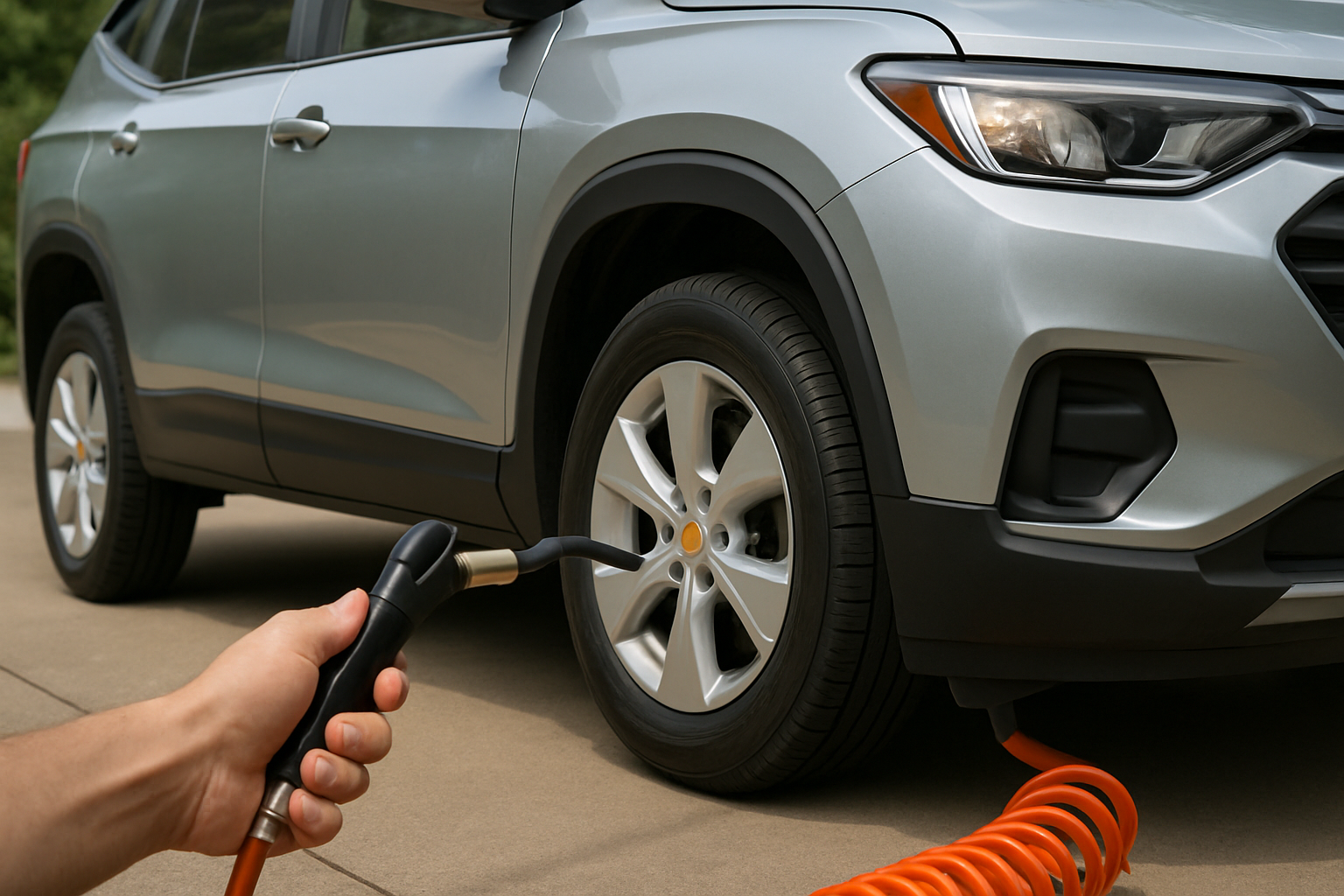
GM vehicles come equipped with a helpful TPMS (Tire Pressure Monitoring System) feature that makes tire inflation much easier. Instead of constantly checking your pressure gauge, your vehicle will actually honk the horn once when each tire reaches the correct pressure.
This tire fill alert system works across Chevrolet, GMC, Buick, and Cadillac models, saving you time and ensuring accurate tire pressure every time you fill up.
What Is the TPMS Tire Fill Alert System
The TPMS tire fill alert is a built-in feature that monitors your tire pressure in real-time while you’re adding air. When you activate this system, your GM vehicle communicates with the tire pressure sensors and sounds the horn once when the tire reaches its recommended pressure.
This feature eliminates guesswork during tire inflation. You don’t need to stop every few seconds to check your pressure gauge or worry about overinflating your tires.
The system works by comparing the current pressure reading from each wheel’s TPMS sensor against the vehicle’s stored target pressure values. Once the sensor detects that optimal pressure has been reached, it triggers the horn honk.
How to Activate the Tire Fill Alert on Your GM Vehicle
Activating the tire fill alert requires a specific sequence that varies slightly depending on your GM model year and brand. The basic process involves putting your vehicle in the right mode and activating the TPMS system.
Basic Activation Steps
Turn your ignition key to the “On” position without starting the engine. If you have a push-button start, press the button once without pressing the brake pedal. Your dashboard lights should illuminate, but the engine shouldn’t be running.
On many GM models, you’ll need to locate and press the TPMS reset button. This button is typically found in the glove compartment, under the steering wheel, or near the driver’s left knee panel. The button may be labeled “SET” or have a TPMS icon.
Hold the TPMS reset button until the TPMS warning light on your dashboard blinks three times, then release it. You should hear a confirmation chime or see a message on your display indicating the tire fill alert is active.
Alternative Activation Method
Some newer GM vehicles don’t require the TPMS reset button. Instead, you can access the tire fill alert through the vehicle’s infotainment system or driver information center.
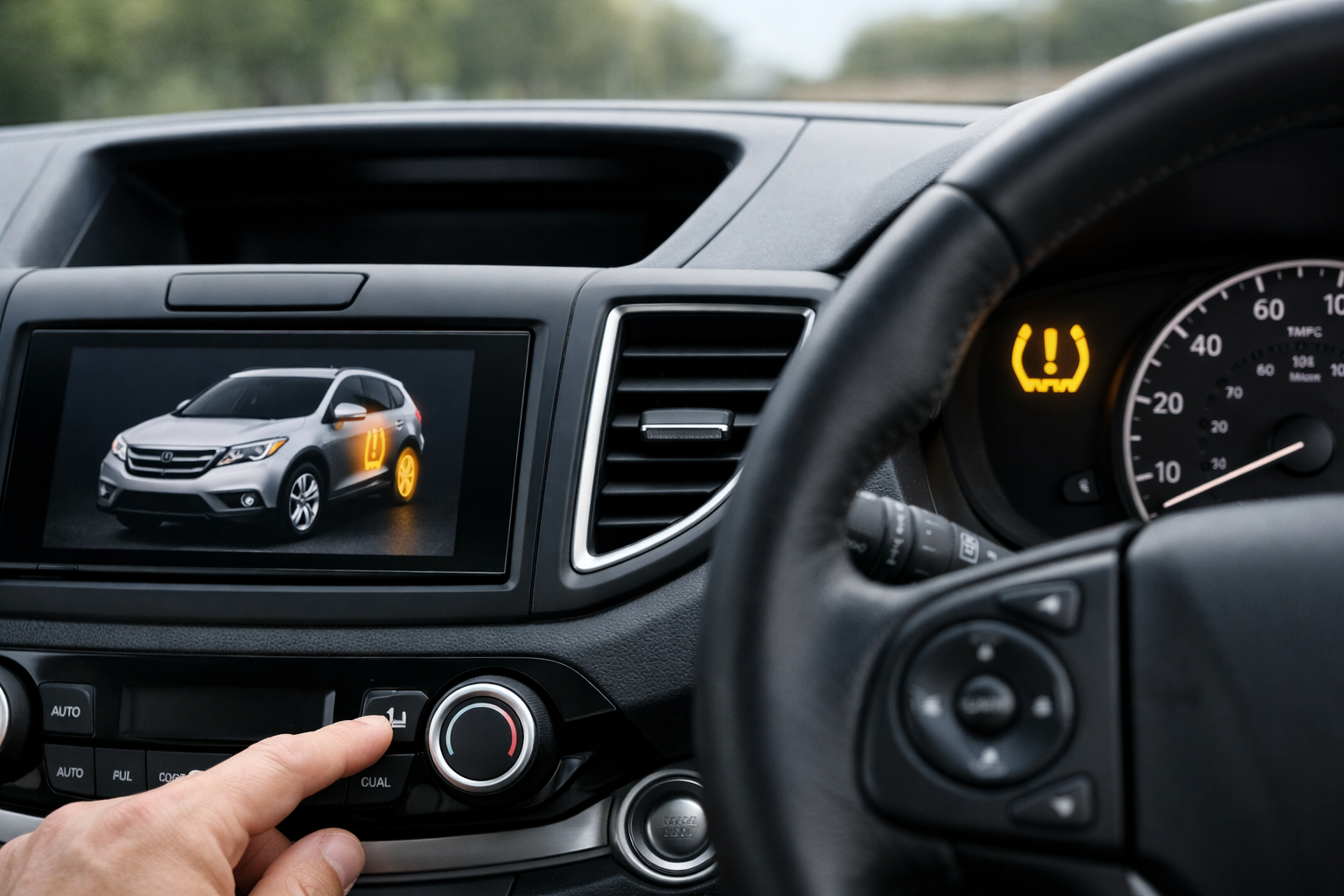
Navigate to the “Settings” or “Vehicle” menu on your touchscreen or use the steering wheel controls to access the driver information center. Look for “Tire Pressure” or “TPMS” options, then select “Tire Fill Alert” or similar wording.
The system will display current tire pressures and activate the fill alert mode. You’ll see confirmation on the screen when the feature is ready.
Using the System While Inflating Tires
Once you’ve activated the tire fill alert, you can start inflating your tires. The process becomes much more efficient and accurate compared to traditional methods.
Connect your air compressor or use the gas station’s air pump on the tire you want to fill. Start adding air at a steady pace. You don’t need to rush or add air too quickly.
Continue inflating until you hear a single horn honk. This honk indicates that the tire has reached its recommended pressure. Stop adding air immediately when you hear this signal.
Move to the next tire and repeat the process. The system remains active for all four tires during your inflation session, so you don’t need to reactivate it between tires.
What to Expect During Inflation
The horn honk is distinct and clearly audible, even in busy gas stations or noisy environments. It’s a single, brief honk that’s different from your normal horn sound.
If you accidentally overinflate a tire past the target pressure, the system won’t honk again. You’ll need to release some air and check your pressure manually if this happens.
The tire fill alert automatically deactivates after a period of inactivity or when you start your engine. You’ll need to reactivate it each time you want to use the feature.
Recommended Tire Inflation Tools
While the TPMS tire fill alert makes inflation more accurate, having a reliable tire inflator is essential. Portable 12V tire inflators work perfectly with this system and give you the convenience of inflating tires anywhere.
These compact inflators plug into your vehicle’s 12V outlet and provide consistent airflow that works well with the TPMS monitoring system. Many models include digital pressure gauges as backup verification.
Look for inflators with automatic shut-off features that complement your GM’s tire fill alert. This combination gives you double protection against overinflation.
Troubleshooting Common Issues
Sometimes the tire fill alert system doesn’t work as expected. Understanding common problems can help you get the feature working properly.
System Won’t Activate
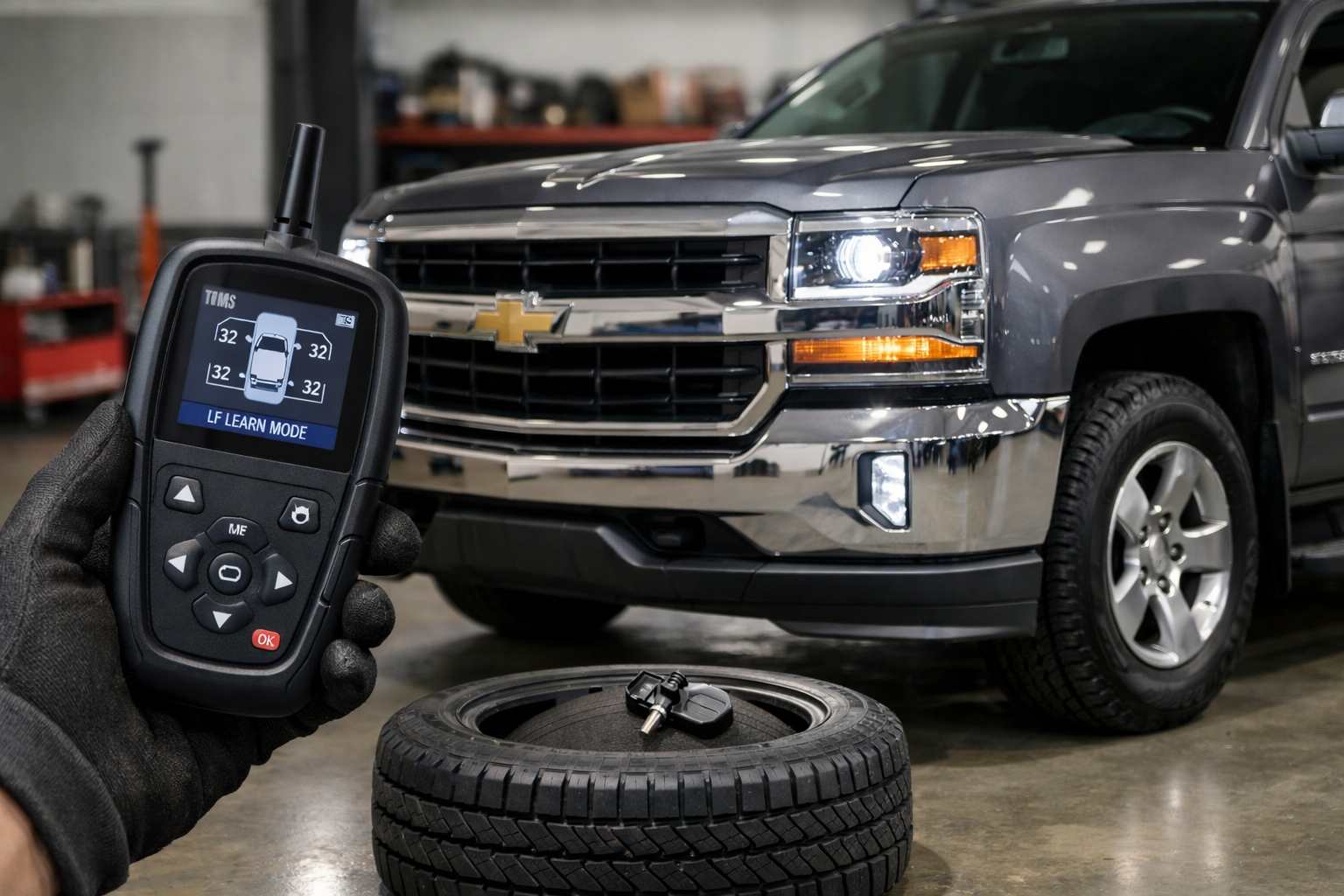
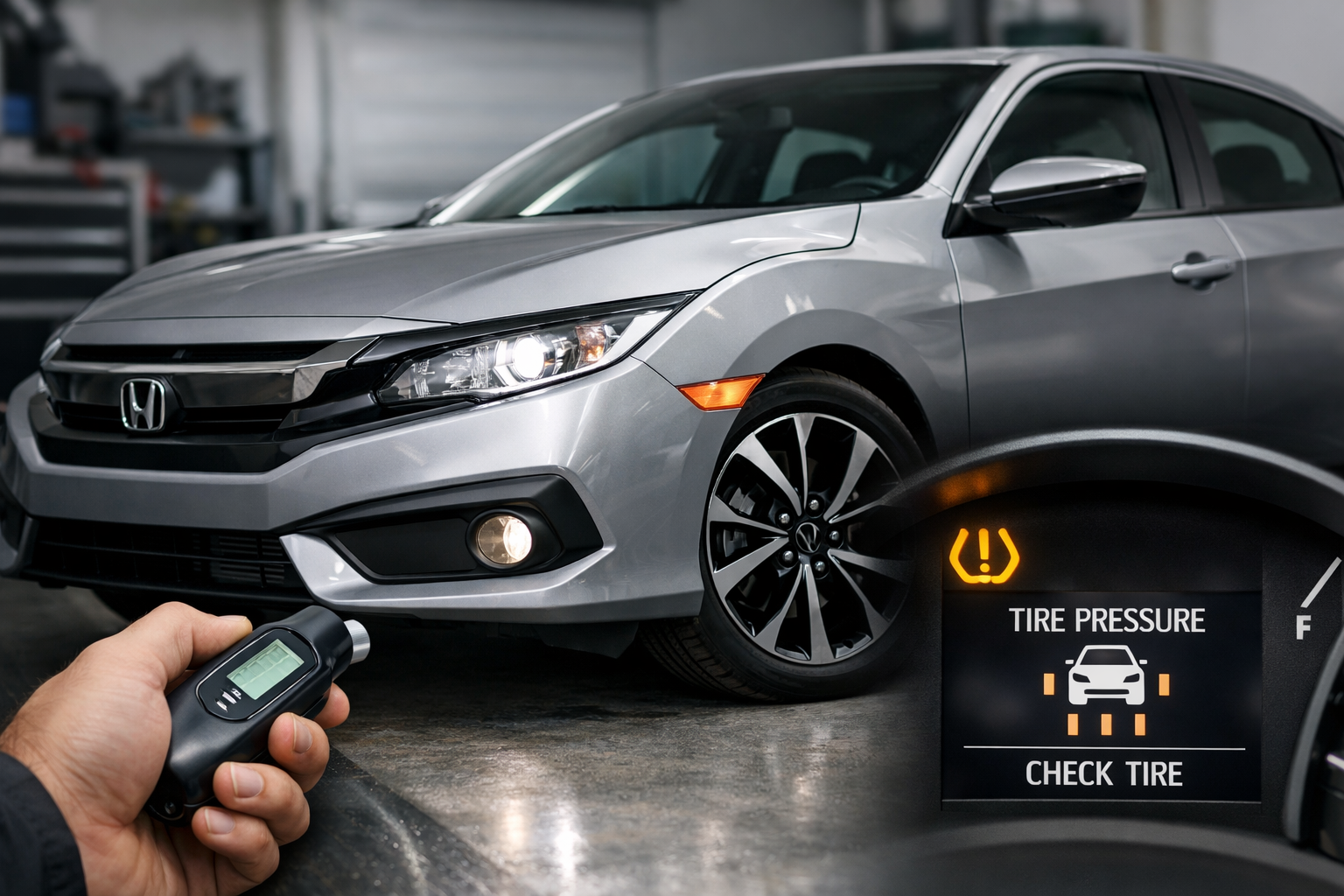
If the tire fill alert won’t activate, check that your TPMS warning light isn’t already illuminated on the dashboard. The system won’t work if there are existing TPMS faults or if one or more sensors have dead batteries.
Make sure you’re following the correct activation sequence for your specific model year. Newer vehicles often have different procedures than older models.
Try driving your vehicle for a few minutes before attempting to activate the system. This allows the TPMS sensors to sync with the vehicle’s computer and provide accurate readings.
No Horn Honk During Inflation
If you don’t hear the horn honk while inflating, verify that your horn works normally first. Try a quick horn test to ensure the horn itself isn’t malfunctioning.
Check that you’re inflating the tire slowly and steadily. Adding air too quickly can sometimes prevent the system from detecting the exact moment when target pressure is reached.
Cold weather can affect TPMS sensor performance. If it’s very cold outside, the sensors may respond more slowly or less reliably.
Benefits of Using TPMS Tire Fill Alert
This system offers several advantages over traditional tire inflation methods. You get more accurate pressure readings since the system uses the same sensors that monitor your tires while driving.
The convenience factor is significant. You can focus on connecting and disconnecting the air hose without constantly checking gauges or stopping to verify pressure readings.
Proper tire inflation improves fuel economy, tire life, and vehicle safety. The TPMS tire fill alert makes it easier to maintain optimal pressure, leading to better overall vehicle performance.
Accuracy Compared to Manual Gauges
The TPMS sensors provide pressure readings that account for your specific vehicle’s requirements. These readings are often more accurate than portable tire gauges, especially inexpensive ones that can lose calibration over time.
The system eliminates human error in reading analog gauges or misremembering target pressure values. Your GM vehicle stores the correct pressures for your specific tire size and load requirements.
Model-Specific Variations
Different GM brands and model years have slight variations in how the tire fill alert works. Understanding these differences helps ensure you’re using the correct procedure for your vehicle.
Chevrolet Models
Most Chevrolet vehicles from 2014 onward include this feature. Silverado and Tahoe models typically have the TPMS reset button located under the steering wheel or in the glove compartment.
Newer Chevrolet models with infotainment systems often allow activation through the touchscreen menu. Look for the “Vehicle Settings” or “Tire Pressure” options in your system.
GMC Vehicles
GMC Sierra and Yukon models follow similar activation procedures to their Chevrolet counterparts. The TPMS reset button location is typically consistent between GMC and Chevrolet trucks and SUVs.
Some GMC models display tire pressure information in the driver information center between the gauges. You can often activate the tire fill alert through this display using steering wheel controls.
Buick and Cadillac
Luxury GM brands often integrate the tire fill alert into their more advanced infotainment systems. Cadillac models frequently use touchscreen activation rather than physical TPMS reset buttons.
These vehicles may have more sophisticated displays that show real-time pressure readings for each tire during the inflation process.
Maintenance and Best Practices
Keeping your TPMS system in good working order ensures the tire fill alert functions reliably. Regular maintenance helps prevent sensor failures and system malfunctions.
Have your TPMS sensors checked during regular tire rotations or whenever you have tire work done. Sensor batteries typically last 5-10 years, and failing batteries can affect the tire fill alert’s accuracy.
Keep your vehicle’s tire pressure recommendations up to date. If you change tire sizes or switch between seasonal tires, make sure your TPMS system is reprogrammed with the correct target pressures.
Seasonal Considerations
Temperature changes affect tire pressure significantly. Your TPMS tire fill alert accounts for current conditions, but you may need to adjust pressures seasonally for optimal performance.
Cold weather can cause TPMS sensors to respond more slowly. Allow extra time for the system to detect proper pressure when inflating tires in very cold conditions.
Frequently Asked Questions
Does the tire fill alert work with any type of air compressor?
Yes, the TPMS tire fill alert works with any air compressor or inflation device. The system monitors pressure through the wheel-mounted sensors, not the inflation equipment. Whether you use a gas station air pump, portable 12V compressor, or manual pump, the horn will honk when target pressure is reached.
Can I use this feature with aftermarket wheels or tires?
The tire fill alert works with aftermarket wheels as long as the original TPMS sensors are properly installed and programmed. If you install different tire sizes, you’ll need to have the system reprogrammed with new target pressures. Most tire shops can handle TPMS reprogramming when installing new wheels or tires.
What happens if my TPMS sensor battery dies?
When a TPMS sensor battery fails, that wheel won’t participate in the tire fill alert system. You’ll typically see a TPMS warning light on your dashboard indicating a sensor malfunction. The tire fill alert may still work for the other three tires, but you’ll need to manually check the pressure on the wheel with the failed sensor.
How often should I use the tire fill alert system?
You can use the tire fill alert whenever you need to add air to your tires. Most drivers check tire pressure monthly, but you might need to add air more frequently during temperature changes or before long trips. The system doesn’t wear out from regular use, and using it helps ensure consistent, accurate tire inflation.

Leave a Reply