
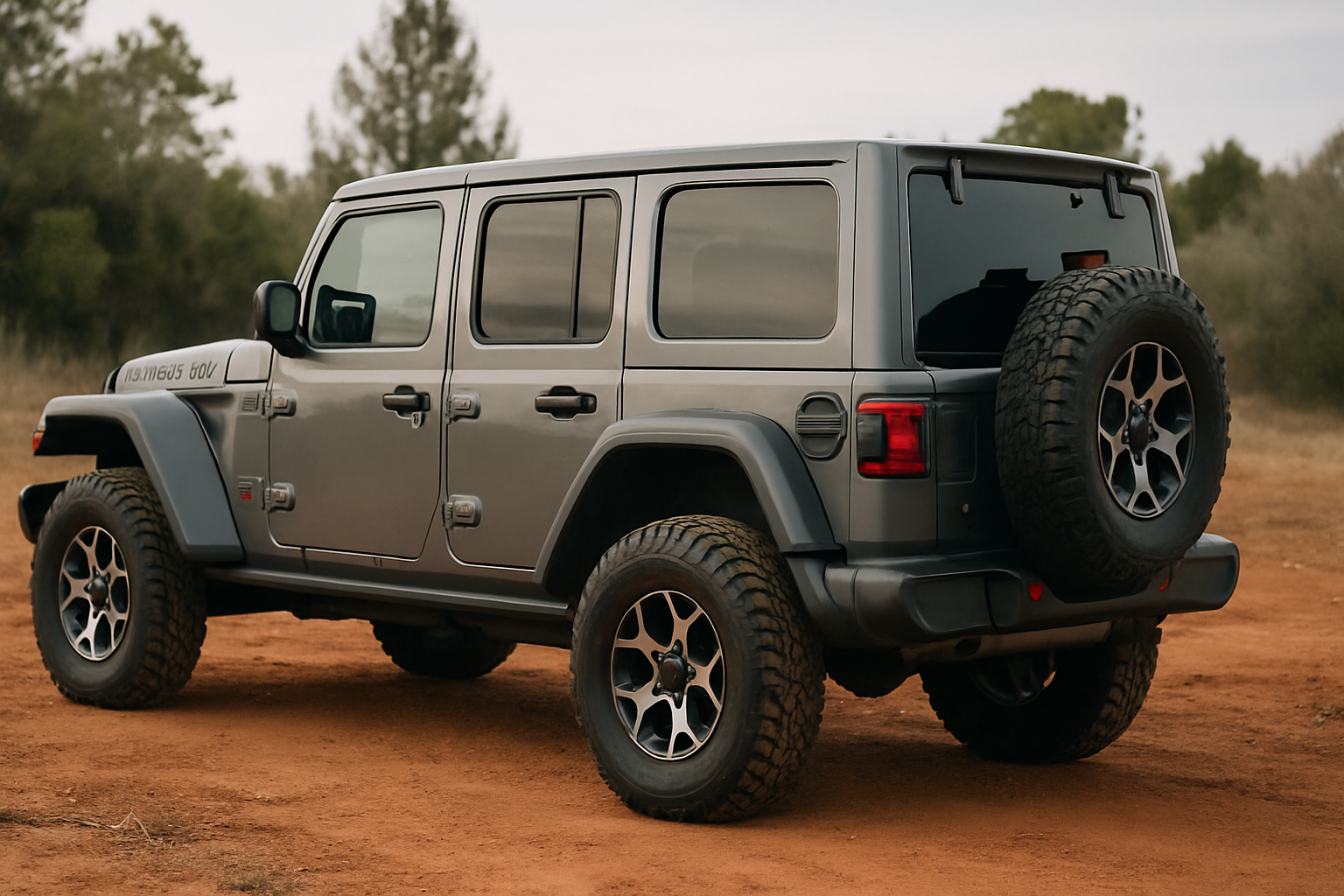
The Jeep Wrangler Rubicon comes equipped with both front and rear differential lockers, giving you serious rock-crawling capabilities that most off-road vehicles can only dream about. Learning how to properly use these lockers, especially the rear differential locker, can mean the difference between conquering challenging terrain and getting stuck on the trail.
Understanding when and how to engage your differential lockers isn’t just about capability. It’s about using your Rubicon’s advanced 4×4 system safely and effectively while protecting your drivetrain from unnecessary wear.
What Differential Lockers Do and Why Your Rubicon Has Them
Your Rubicon’s differential lockers fundamentally change how power gets distributed to your wheels. In normal driving conditions, the differential allows your wheels to rotate at different speeds, which is essential for turning corners and maintaining traction on varying surfaces.
When you lock a differential, you’re essentially forcing both wheels on that axle to rotate at exactly the same speed. This means if one wheel loses traction completely, the other wheel will continue receiving power instead of letting all the torque go to the spinning wheel.
The Rubicon comes standard with both front and rear electronic locking differentials, controlled by switches on your dashboard. These aren’t the mechanical lockers you’ll find in some other vehicles. Instead, they use an electromagnetic actuator to engage a dog clutch inside each differential housing.
Where to Find the Rear Differential Locker Switch
On Rubicon models from 2007 onwards, you’ll find the differential locker switches integrated into the dashboard control panel. The rear locker switch typically sits near the 4WD transfer case controls and sway bar disconnect button.
The rear differential locker switch features an icon that shows an axle with a padlock symbol. Some model years display “REAR DIFF LOCK” text, while others rely solely on the symbolic representation. When engaged, the switch will illuminate to indicate the locker is active.
The front differential locker switch sits nearby and looks nearly identical, except it shows “FRONT DIFF LOCK” or a corresponding front axle symbol. Don’t confuse these switches with the sway bar disconnect or 4WD controls.
Prerequisites for Engaging the Rear Differential Locker
You can’t just flip the rear differential locker switch anytime you want. Your Rubicon has specific requirements that must be met before the system will engage the locker.
First, you must be in 4WD Low range. The transfer case needs to be shifted into 4LO before either differential locker will function. This requirement exists because differential lockers create significant drivetrain bind on hard surfaces, and the low gearing helps manage the stress on components.
Your vehicle speed must be below 5 mph when you attempt to engage the rear locker. The system includes speed sensors that prevent engagement above this threshold to protect the locking mechanism and ensure proper engagement.
The system works best when you’re moving slowly or completely stopped. If you’re already stuck, try rocking the vehicle slightly while pressing the locker switch to help the dog clutch find its engagement position.
Step-by-Step Process for Engaging the Rear Differential Locker
Start by shifting your transfer case into 4WD Low range. Come to a complete stop, press and hold the brake pedal, then move the transfer case lever or knob to the 4LO position. Wait for the 4WD Low indicator light to illuminate on your dashboard.
Reduce your speed to under 5 mph if you’re still moving. The rear differential locker won’t engage if the system detects speeds above this limit. You can engage the locker while stopped or crawling slowly forward.
Press the rear differential locker switch firmly. You should see the indicator light come on within a few seconds. If the light doesn’t illuminate immediately, try moving the vehicle slightly forward or backward while keeping the switch pressed.
Listen for the engagement sound. You’ll typically hear a subtle click or thunk when the locker engages, and you might feel a slight vibration through the drivetrain. This is normal and indicates the dog clutch has successfully engaged.
When to Use Your Rear Differential Locker
Rock crawling represents the primary scenario where your rear differential locker shines. When you’re navigating over large rocks, boulders, or extremely uneven terrain where wheels frequently lose contact with the ground, the rear locker ensures power keeps flowing to the wheel that maintains traction.
Steep hill climbs on loose surfaces benefit significantly from rear locker engagement. Whether you’re climbing loose dirt, gravel, or rocky inclines, the locker prevents power from transferring to a spinning wheel and helps maintain forward momentum.
Deep sand driving sometimes calls for rear locker use, particularly when you’re climbing dunes or navigating areas where wheels tend to dig in rather than float on top. However, many sand driving situations actually work better with open differentials to allow wheel speed differences.
Technical trail sections with large obstacles, off-camber situations, or areas requiring precise wheel placement often benefit from rear locker engagement. The guaranteed power delivery to both rear wheels provides more predictable vehicle behavior.
Speed Limitations and Driving Behavior with Locked Rear Differential
Keep your speed extremely low when running with the rear differential locked. While the system allows engagement up to 5 mph, you should rarely exceed 2-3 mph in most off-road situations with the locker engaged.
Turning becomes much more difficult with a locked rear differential. The system forces both rear wheels to rotate at identical speeds, creating significant understeer and requiring more steering input to change direction. Plan your line carefully before engaging the locker.
Expect increased tire wear if you operate on hard surfaces with the rear locker engaged. The system creates tire scrub during turns, wearing down your tread more quickly than normal driving. Save locker use for situations where you truly need the traction advantage.
Your fuel consumption will increase slightly with the rear locker engaged due to the additional drivetrain resistance. This effect is minimal during typical rock crawling speeds but becomes more noticeable during extended use.
Using Front and Rear Lockers Together
Your Rubicon allows simultaneous engagement of both front and rear differential lockers for maximum traction in extreme situations. This combination provides the ultimate grip when navigating the most challenging terrain.
Engage the rear locker first, then activate the front locker once you’ve confirmed the rear system is working properly. Both switches should illuminate, and you’ll notice even more dramatic changes in steering and handling characteristics.
Double-locked operation requires even more careful speed control. Keep speeds below 2 mph when both lockers are engaged, as the steering effort increases significantly and turning radius becomes much larger.
Use both lockers simultaneously only when absolutely necessary. Most trail situations can be handled with just the rear locker engaged, saving wear on your front-end components and maintaining better steering control.
The Sway Bar Disconnect Connection
Your Rubicon’s electronic sway bar disconnect system works independently of the differential lockers, but the two systems complement each other perfectly for serious off-road work. The sway bar disconnect allows much greater wheel articulation by removing the connection between left and right suspension components.
Consider disconnecting your front sway bar before engaging differential lockers in technical terrain. The increased suspension flex helps maintain wheel contact with the ground, making your lockers even more effective.
You can engage the sway bar disconnect in 2WD or 4WD, and at speeds up to 18 mph. This gives you more flexibility than the differential lockers, which require 4WD Low operation.
Remember to reconnect your sway bar before returning to normal driving conditions. The sway bar provides important stability during on-road driving and higher-speed off-road situations.
Disengaging the Rear Differential Locker
Press the rear differential locker switch again to disengage the system. The indicator light should turn off within a few seconds, indicating the locker has released.
If the locker won’t disengage immediately, try moving the vehicle slightly forward or backward while pressing the switch. Sometimes the dog clutch needs to rotate slightly to find its release position.
Always disengage your differential lockers before returning to higher speeds or normal driving conditions. Leaving lockers engaged during regular driving creates unnecessary wear and can damage drivetrain components.
Test your steering after disengaging the locker to confirm it has released properly. Your steering should return to normal effort and the vehicle should track straight without pulling to either side.
Troubleshooting Common Rear Locker Issues
If your rear locker won’t engage, first verify you’re in 4WD Low and traveling under 5 mph. These are hard requirements that prevent engagement when not met.
Check your differential fluid level if the locker engages but makes unusual noises. Low fluid can cause poor engagement or grinding sounds during operation.
A locker that engages but won’t disengage might have debris in the actuator mechanism. This typically requires professional service to clean and inspect the internal components.
Dashboard warning lights related to the 4WD system can prevent locker operation. Address any underlying 4WD system issues before attempting to use the differential lockers.
Maintenance Considerations for Your Locking Differentials
Change your differential fluid according to Jeep’s maintenance schedule, typically every 60,000 miles under normal conditions. Heavy off-road use may require more frequent changes.
Use only the specified gear oil for your Rubicon’s differentials. The wrong viscosity or additives can affect locker operation and differential longevity.
Have your locker actuators inspected during major services. The electromagnetic actuators can develop issues over time, particularly if exposed to water or debris during off-road use.
Keep the locker switches clean and free of debris. Dirty switches can develop poor electrical connections that prevent proper locker operation.
Frequently Asked Questions
Can I engage the rear differential locker while the vehicle is completely stuck?
Yes, you can engage the rear locker while stuck, but you’ll need to rock the vehicle slightly to help the dog clutch engage properly. Try moving forward and backward a few inches while holding the locker switch pressed.
How do I know if my rear differential locker is actually working?
The most reliable test is to lift one rear wheel off the ground while in 4WD Low with the locker engaged. Both rear wheels should spin together when you apply throttle. You can also feel the difference in steering and handling when the locker is engaged during normal off-road driving.
Will using the differential lockers void my warranty?
Normal use of the differential lockers as designed will not void your warranty. These systems are intended for off-road use and are covered under your standard powertrain warranty. However, damage caused by misuse or operating outside the specified parameters might not be covered.
Can I drive on pavement with the rear differential locker engaged?
You should avoid driving on pavement with any differential locker engaged. The hard surface creates excessive tire scrub and drivetrain bind that can damage components and wear tires quickly. Use lockers only on soft, low-traction surfaces where the wheels can slip as needed.

Leave a Reply