
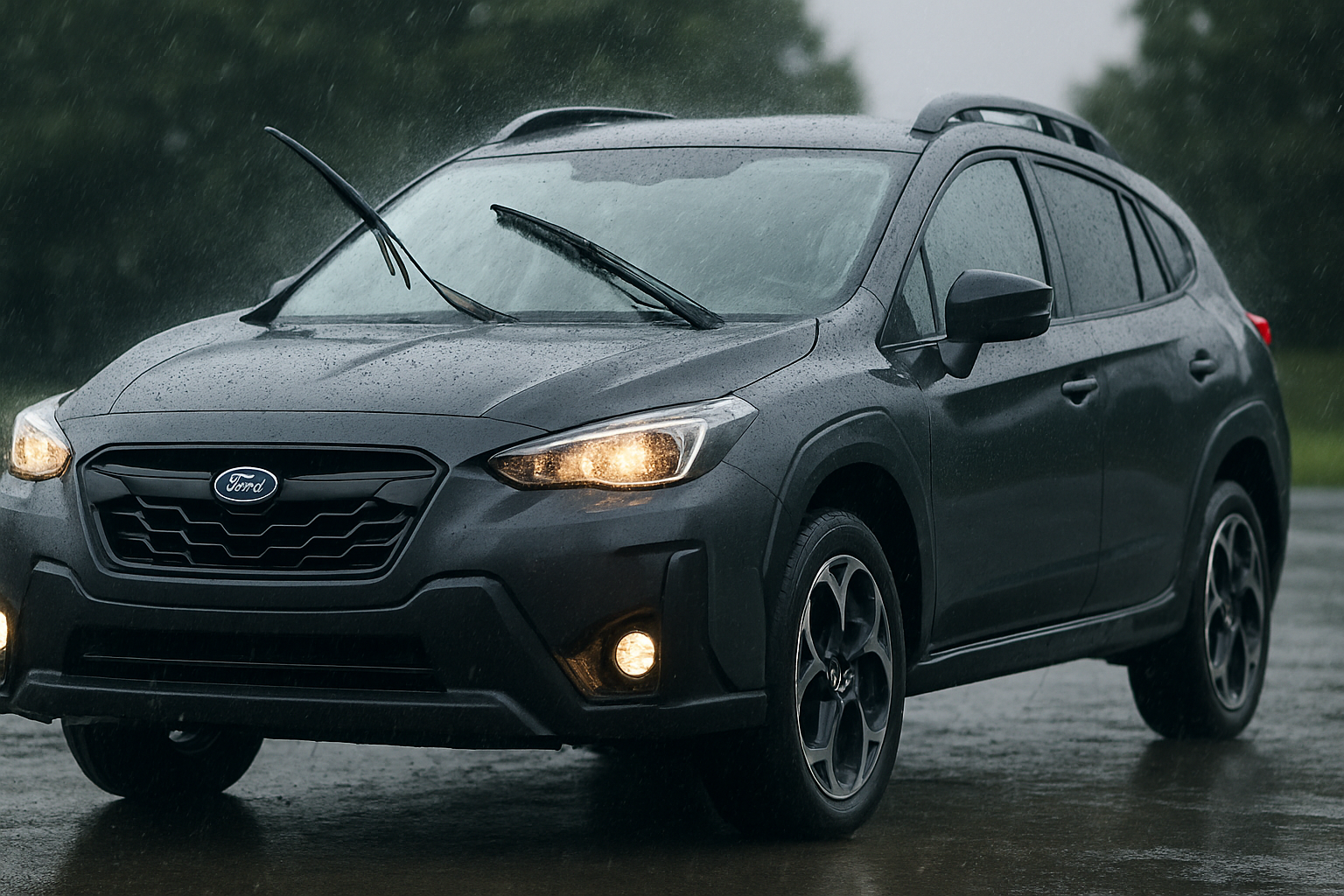
Rain-sensing windshield wipers automatically detect moisture on your windshield and adjust their speed accordingly, keeping your view clear without constant manual adjustments. While many Subaru Crosstrek models come equipped with this convenient feature, knowing how to use it properly can make the difference between smooth driving and frustration during unexpected weather.
Understanding your Crosstrek’s rain-sensing system will help you drive more confidently in changing conditions while reducing wear on your wiper blades and motor.
Understanding Rain-Sensing Technology in Your Subaru Crosstrek
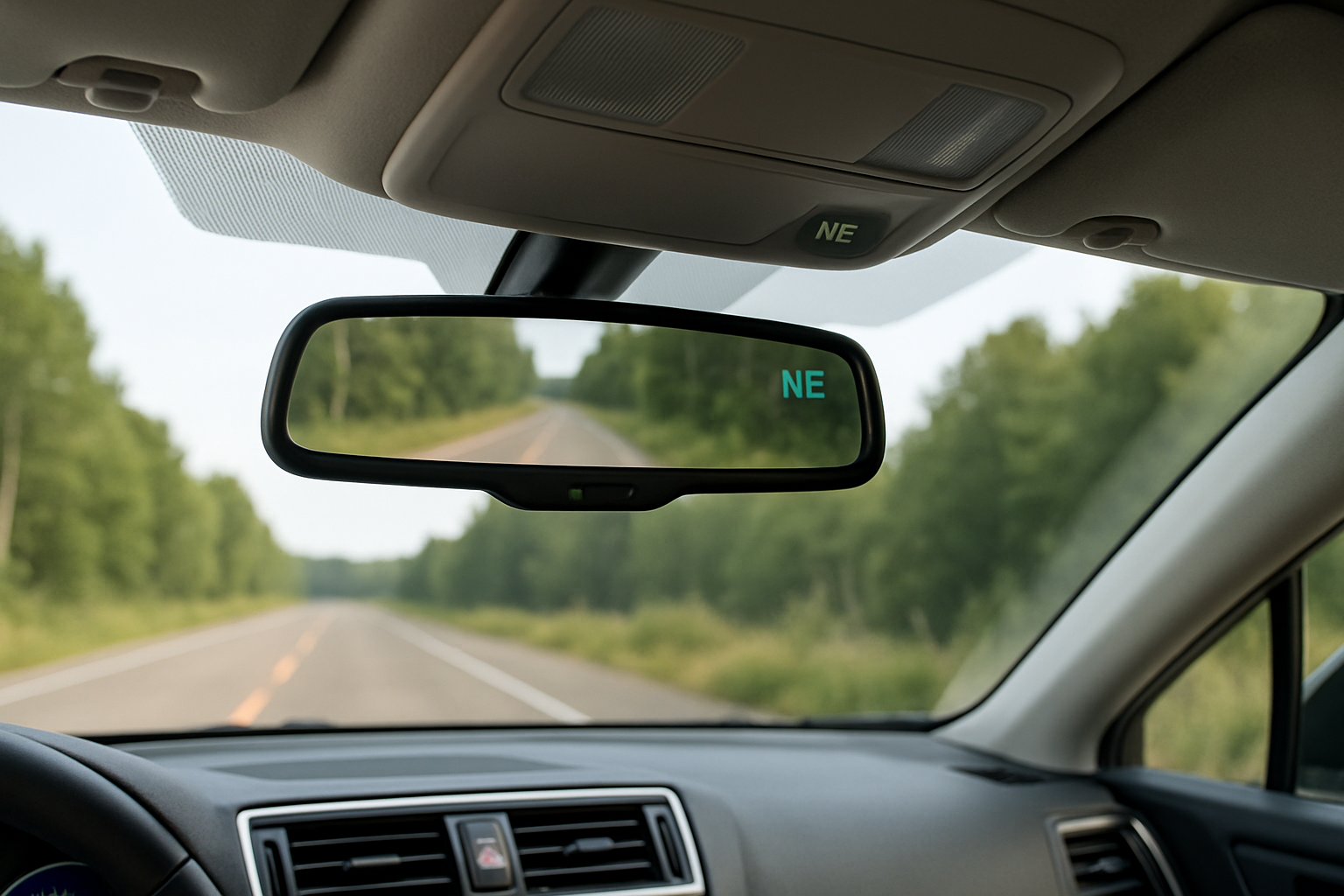
Rain-sensing wipers use an optical sensor mounted behind your rearview mirror on the windshield. This sensor detects water droplets by measuring how light refracts through the glass. When moisture levels reach the programmed threshold, the system automatically activates your wipers at the appropriate speed.
The technology works well in most conditions, but it’s not perfect. Heavy rain, light mist, road spray, and even bugs or dirt can trigger different responses from the sensor.
Activating AUTO Mode on Your Crosstrek
To engage rain-sensing mode, locate your windshield wiper stalk on the right side of your steering column. Turn the end of the stalk to the “AUTO” position, which sits between the “OFF” and “INT” (intermittent) settings.
You’ll see a small “AUTO” indicator light up on your dashboard when the system is active. The wipers might cycle once when you first activate AUTO mode to clear the windshield and calibrate the sensor.
Adjusting Sensitivity Settings
Your Crosstrek allows you to customize how sensitive the rain sensor responds to moisture. With the stalk in AUTO position, rotate the intermittent wiper control ring (usually located on the stalk itself) to adjust sensitivity.
Turning the ring toward the “+” or faster setting makes the sensor more sensitive, causing wipers to activate with less moisture. Moving it toward the “-” or slower setting requires more water buildup before the wipers engage.
Most drivers find the middle sensitivity setting works well for typical driving conditions. You can adjust this setting while driving to match current weather conditions.
When Rain-Sensing Works Best
The automatic system performs most effectively during steady rainfall where droplet patterns are consistent. You’ll notice smooth operation during light to moderate rain, with wipers adjusting speed naturally as precipitation increases or decreases.
Dawn and dusk conditions with light mist also trigger the sensor reliably. Road spray from other vehicles typically activates the wipers appropriately, clearing your windshield before visibility becomes compromised.
Highway driving in variable weather showcases the system’s benefits best. The wipers respond to changing conditions without you taking hands off the wheel or attention off the road.
Situations Requiring Manual Override
Rain-sensing technology has limitations that require manual intervention. Heavy downpours often need faster wiper speeds than the sensor provides automatically. In these conditions, move your stalk to a faster manual setting like “LO” or “HI”.
Snow, ice, or freezing rain can confuse the sensor since these don’t create the same light refraction patterns as liquid water. The system might not activate at all, or cycle inconsistently during winter weather.
Dirty windshields cause erratic behavior. Road salt, mud, or bug residue can trigger false activations or prevent proper sensing. Parking under trees where leaves, sap, or bird droppings accumulate also affects sensor performance.
Car washes present another challenge. High-pressure water and soap can overwhelm the sensor, causing wipers to cycle continuously. Most drivers switch to manual OFF position before entering automatic washes.
Maintaining Your Rain Sensor
The rain sensor area requires special attention during windshield cleaning. Look for a small rectangular or circular area behind your rearview mirror, usually marked with sensor symbols or slightly tinted differently than surrounding glass.
Clean this area gently with glass cleaner and a soft cloth. Avoid abrasive cleaners or rough materials that might scratch the sensor surface. Water spots or film in this area significantly impact sensor accuracy.
When replacing windshield wipers, inspect the sensor area for damage or buildup. Some drivers notice improved sensor performance after thorough windshield cleaning, especially removing water spots that aren’t visible from inside the vehicle.
Professional Sensor Maintenance
If your rain sensor stops working properly, professional recalibration might be necessary. This typically involves cleaning the sensor thoroughly and running diagnostic procedures to reset sensitivity parameters.
Windshield replacement requires sensor recalibration since the new glass affects light refraction patterns. Most quality auto glass shops include this service when installing new windshields on vehicles with rain-sensing wipers.
Troubleshooting Common Issues
Wipers cycling continuously in clear weather usually indicates a dirty sensor or windshield. Clean the entire windshield thoroughly, paying special attention to the sensor area.
If wipers don’t activate during obvious rainfall, check that AUTO mode is properly engaged and try adjusting sensitivity settings. Extremely cold temperatures can also affect sensor performance until the windshield warms up.
Intermittent operation might result from electrical issues or sensor calibration problems. These typically require professional diagnosis and repair.
Maximizing Battery Life and Wiper Longevity
Rain-sensing systems help extend wiper blade life by preventing unnecessary cycling on dry windshields. However, dust or light moisture can cause frequent low-speed operation that still creates wear.
During extended dry periods, consider switching to manual OFF position to prevent any automatic activation. This also reduces minor electrical drain on your battery.
Clean windshields improve sensor accuracy and reduce wiper motor strain. Regular maintenance pays off in longer component life and better performance.
Using Rain-Sensing Wipers in Different Conditions
Morning dew often triggers the sensor as you start driving. This usually clears after one or two wiper cycles as airflow removes remaining moisture.
Tunnel driving can cause temporary sensor confusion as lighting conditions change rapidly. Most systems adapt quickly, but manual override might be helpful in longer tunnels.
Dusty conditions create challenges since the sensor can’t distinguish between moisture and dry particles. During construction zones or dusty rural roads, manual control often works better.
Year-to-Year Variations in Crosstrek Models
Earlier Crosstrek models might have different sensitivity adjustment methods or sensor locations. Some years integrate sensitivity control through the infotainment display rather than physical controls on the wiper stalk.
Newer models often include more sophisticated algorithms that learn your preferences and adapt to local climate conditions. These systems typically require less manual adjustment once calibrated to your driving patterns.
Check your owner’s manual for model-specific instructions, as control layouts and sensitivity adjustment procedures can vary between model years.
Frequently Asked Questions
Why do my wipers sometimes activate when there’s no rain?
This usually happens due to dust, bugs, or water spots on the sensor area. Clean your windshield thoroughly, especially the area behind the rearview mirror. Sometimes fog or high humidity can also trigger the sensor, which is normal operation.
Can I disable the rain-sensing feature completely?
You can avoid using AUTO mode by keeping your wiper stalk in OFF, intermittent, or manual speed positions. The rain sensor only operates when AUTO mode is selected. Some Crosstrek models allow you to disable the feature through infotainment system settings.
Do rain-sensing wipers work in snow?
Snow and ice often don’t trigger the sensor reliably since they don’t create the same light patterns as liquid water. Manual wiper control works better in winter conditions, especially for clearing accumulated snow from the windshield.
How much does it cost to repair a faulty rain sensor?
Sensor recalibration typically costs $50-100 at most shops. If the actual sensor needs replacement, costs can range from $200-400 including parts and labor. Many sensor issues resolve with thorough windshield cleaning before requiring professional service.

Leave a Reply