
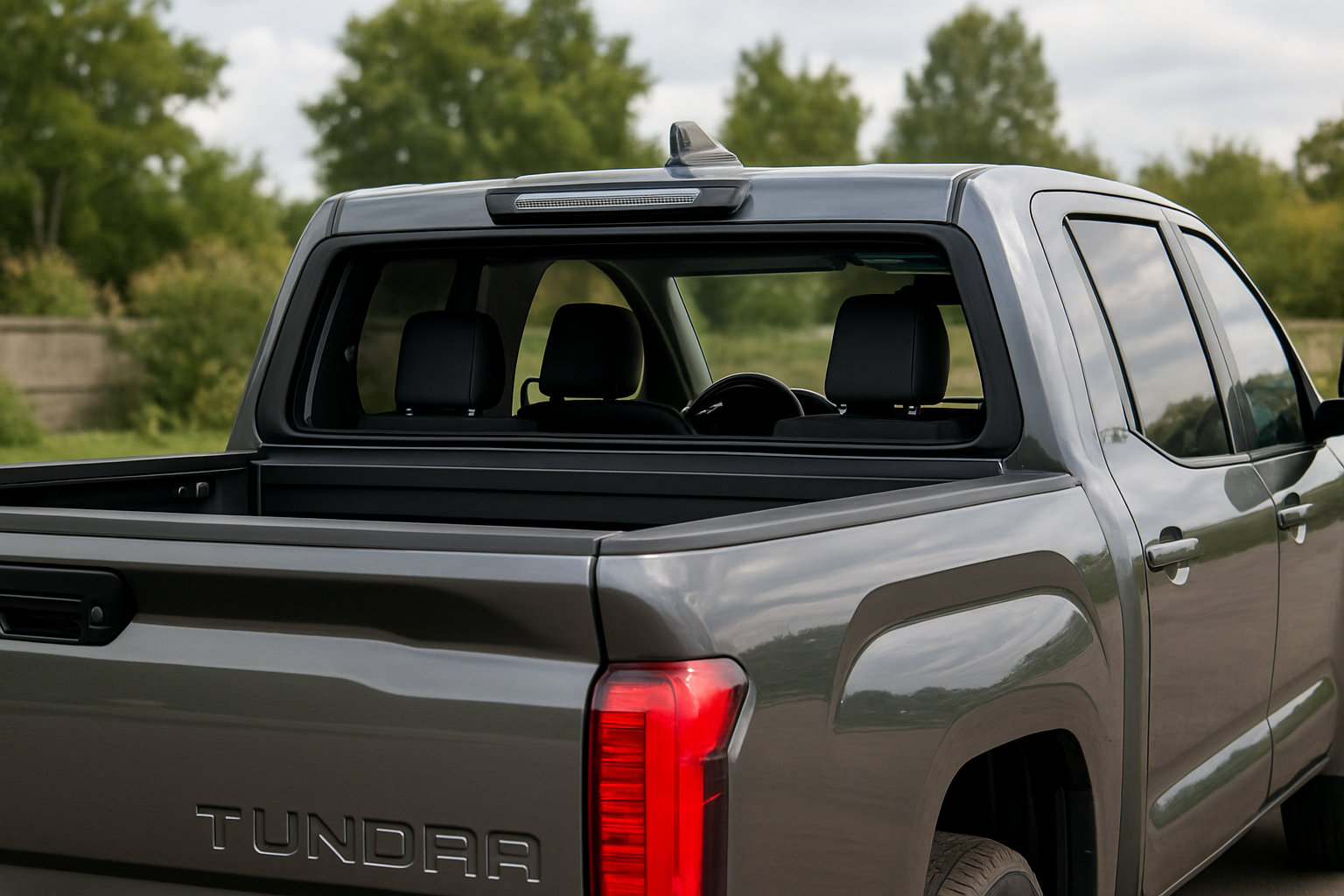
The Toyota Tundra’s power sliding rear window is one of those features that truly sets full-size trucks apart from other vehicles. This motorized window slides horizontally at the touch of a button, offering practical benefits that go beyond simple ventilation.
Many Tundra owners discover this feature by accident, but once you understand how to use it properly, you’ll find yourself relying on it regularly. From improving cabin airflow to passing tools and equipment between the cab and bed, the sliding rear window becomes an essential part of your truck experience.
Understanding Your Tundra’s Power Sliding Rear Window System
The power sliding rear window has been a standard feature on most Toyota Tundra trim levels since the second generation launched in 2007. The current third-generation Tundra (2022 and newer) continues this tradition with an improved version of the system.
Unlike traditional hinged windows that swing open, the Tundra’s rear window slides horizontally within the frame. The entire glass panel moves to one side, creating an opening that spans most of the window’s width. This design prevents the window from interfering with cargo in your bed while still providing maximum airflow.
The system uses a small electric motor housed within the window frame, controlled by switches located in both the front and rear of the cabin. The motor operates quietly and moves the window smoothly along built-in tracks.
Locating the Window Controls
You’ll find the primary control button on your overhead console, typically positioned near the sunroof controls (if equipped) or dome lights. The button features a simple icon showing a horizontal rectangle with an arrow, representing the sliding motion of the window.
Second and third-generation Tundras also include a secondary switch located on the rear window itself. This inside switch allows passengers in the back seat to operate the window without reaching forward to the overhead console.
Some model years include a key fob function that operates the rear window. Check your owner’s manual to see if your specific year supports this feature, as Toyota has added and removed this capability across different model years.
Operating the Window: Partial vs Full Open Positions
The power sliding rear window offers multiple opening positions, not just fully closed or fully open. Press and release the control button quickly to move the window in incremental steps. Each press moves the window approximately 2-3 inches further along its track.
For partial opening, press the button in short bursts until you reach your desired position. This works well when you want some airflow without the full opening, particularly useful during highway driving where a completely open window might create too much wind noise or turbulence.
To fully open the window, press and hold the button. The window will slide completely to one side, providing maximum airflow and the largest opening for passing items between the cab and bed. The system includes automatic stops that prevent the window from sliding too far in either direction.
The window moves at a consistent speed regardless of whether you’re opening or closing it. The entire cycle from fully closed to fully open takes approximately 8-12 seconds, depending on your model year.
Auto-Close Feature with Door Locks
Many Tundra owners don’t realize their truck includes an auto-close feature that activates when you lock the vehicle. This security feature ensures your rear window closes automatically whenever you lock the doors using your key fob or the door handle button.
The auto-close function works even if you’ve left the window partially open. When you press the lock button on your key fob, you’ll hear the window motor activate as it slides the glass back to the fully closed position. This prevents unauthorized access to your cab through the rear window opening.
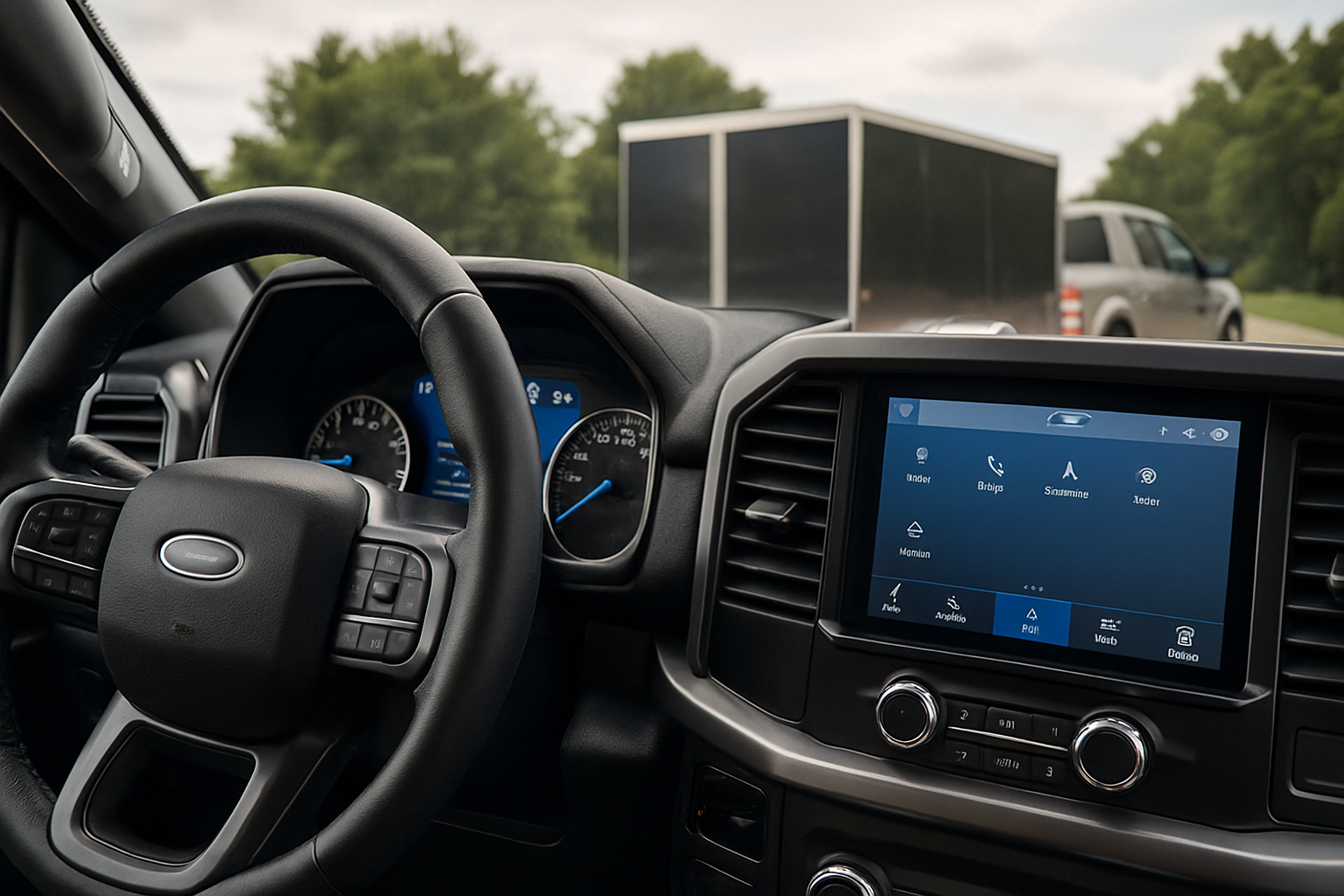
You can disable this feature through your truck’s settings menu if you prefer manual control. Access the vehicle settings through your infotainment display, navigate to the security or convenience settings, and look for rear window options. Keep in mind that disabling auto-close means you’ll need to remember to close the window manually before leaving your truck.
Rain Sensing and Weather Protection
While the Tundra’s power sliding rear window doesn’t include dedicated rain sensors, the system does provide some weather protection features. The window seals tightly when closed, preventing water intrusion during car washes or heavy rain.
The window tracks include drainage channels that help direct any water that does enter the system away from the interior. These channels connect to the truck’s main drainage system, typically routing water down through the rear pillars.
If you notice water entering through the rear window area, check that the window is fully closed. A partially open window, even just an inch or two, can allow significant water intrusion during rain or car washes. The auto-close feature helps prevent this issue by ensuring the window seals completely when you lock the truck.
Clean the window tracks periodically to maintain proper drainage. Use a damp cloth to wipe away dirt, leaves, or debris that might accumulate in the channels. This maintenance prevents water from backing up and potentially entering your cabin.
Using the Window for Improved Airflow
The sliding rear window excels at creating cross-ventilation when combined with your front windows or air conditioning system. Opening the rear window while driving allows hot air to exit the cabin, reducing the load on your air conditioning and improving overall comfort.
For highway driving, try opening the rear window just 2-3 inches while keeping your front windows closed. This creates a subtle air exchange without the noise and turbulence of fully open windows. The configuration works particularly well during mild weather when you want fresh air but don’t need full air conditioning.
When parked, opening the rear window helps ventilate a hot cabin before you start driving. The elevated position of the rear window allows hot air to escape naturally while cooler air enters through slightly opened front windows. This technique can reduce interior temperatures significantly on hot days.
Combine the rear window with your truck’s ventilation fan for enhanced cooling. Set the fan to draw outside air and open the rear window to create a flow-through effect that rapidly exchanges cabin air.
Passing Items Between Cab and Bed
One of the most practical applications for the power sliding rear window is transferring items between your cabin and truck bed. The horizontal opening provides easy access without requiring you to exit the cab or walk around to the tailgate.
Long items like lumber, fishing rods, or camping equipment can extend from the bed through the rear window opening. This allows you to carry materials longer than your bed while keeping them secure and easily accessible from inside the cab.
When loading tools or equipment, open the window fully to maximize the available space. The opening measures approximately 50 inches wide on most Tundra models, providing ample room for most items you’ll need to pass through.
Use caution when passing sharp or heavy items through the opening. The window glass and motor system can be damaged by impacts or excessive weight. Support heavy items properly and avoid dragging rough materials across the window sill.
Consider the legal implications of items extending through your rear window. Some states have regulations about protruding cargo, particularly materials that extend beyond your truck’s length. Check local laws and use appropriate flags or markers when transporting long items.
Maintenance and Troubleshooting Tips
Keep your power sliding rear window operating smoothly with regular maintenance. Clean the glass and tracks monthly to prevent dirt and debris from interfering with the sliding mechanism. Use standard glass cleaner on the window surface and a damp cloth for the tracks.
Lubricate the window tracks annually using white lithium grease or the lubricant specified in your owner’s manual. Apply a thin layer to the visible track surfaces, then operate the window several times to distribute the lubricant evenly.
Watch for signs of motor strain, such as slow operation or unusual noises. These symptoms often indicate dirty tracks or worn components that need attention. Address issues promptly to prevent more expensive repairs.
If your window stops working completely, check the fuse before assuming motor failure. The rear window typically uses a dedicated fuse in your truck’s fuse box. Consult your owner’s manual for the exact fuse location and amperage rating.
Cold weather can affect window operation, particularly if ice forms in the tracks. Don’t force the window to operate if it’s frozen. Allow the truck to warm up or use de-icer to clear ice from the tracks before attempting to open or close the window.
Common Issues and Solutions
Several common problems can affect your Tundra’s power sliding rear window. Understanding these issues helps you identify problems early and determine whether you need professional service.
Window moves slowly or struggles to open: This typically indicates dirty or dry tracks. Clean the tracks thoroughly and apply fresh lubricant. If the problem persists, the motor may be wearing out and require replacement.
Window opens but won’t close completely: Check for obstructions in the tracks or around the window frame. Small debris can prevent the window from sealing properly. Also verify that the auto-close feature hasn’t been accidentally disabled in your truck’s settings.
No response from control buttons: Test both the overhead console button and the rear switch to determine if the problem affects all controls or just one. A single non-responsive button usually indicates a failed switch, while total system failure suggests a fuse, wiring, or motor problem.
Window rattles or makes noise during operation: This often results from worn track components or loose mounting hardware. The window assembly may need adjustment or replacement parts to eliminate the noise.
Maximizing Your Rear Window Experience
Take advantage of your power sliding rear window’s versatility by incorporating it into your regular driving routine. Use it for ventilation during moderate weather, passing items when loading or unloading your truck, and improving overall cabin comfort.
Remember that the window provides security benefits when properly maintained and used with the auto-close feature. This combination helps protect your truck’s interior while providing the convenience of easy access to your bed.
Consider your rear window operation when planning cargo loads. Items that extend through the window can provide valuable extra capacity, but they also affect your truck’s aerodynamics and fuel economy. Plan accordingly for longer trips.
The power sliding rear window represents one of the practical advantages that make the Toyota Tundra a capable work and recreation vehicle. Understanding its full range of features and maintaining it properly ensures you’ll continue benefiting from this useful system for years to come.

Leave a Reply