
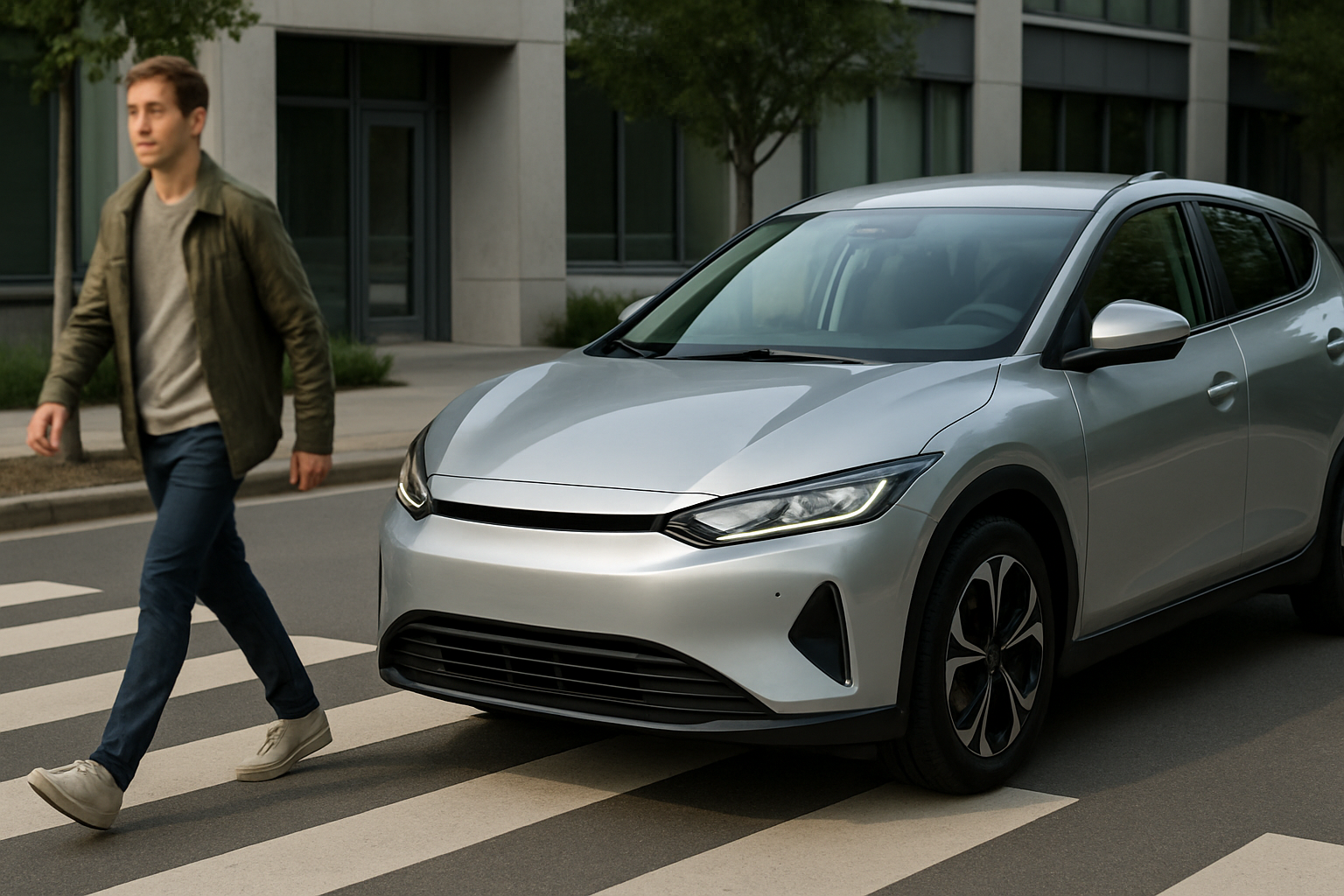
Electric and hybrid vehicles operate so quietly that pedestrians, cyclists, and visually impaired individuals often can’t hear them approaching. This creates a serious safety hazard, especially in parking lots, crosswalks, and urban areas where people expect to hear oncoming traffic.
To address this safety concern, governments worldwide now require electric and hybrid vehicles to emit artificial sounds at low speeds. Understanding how this system works and what you can expect from your vehicle will help you navigate the roads more safely and confidently.
What Is the Pedestrian Alert System and Why Do Vehicles Need It
The Acoustic Vehicle Alerting System (AVAS), commonly called the pedestrian alert system, is a legally mandated safety feature on all electric and hybrid vehicles. This system uses external speakers to broadcast artificial engine sounds when your vehicle travels at low speeds, typically under 19 mph.
Traditional gasoline engines produce enough noise for pedestrians to detect approaching vehicles naturally. Electric motors, however, run nearly silent, creating a dangerous situation where people simply don’t know a car is nearby. Studies showed a significant increase in pedestrian accidents involving quiet electric vehicles, particularly among visually impaired individuals who rely heavily on auditory cues.
The system automatically activates when you’re driving in electric mode at low speeds, reversing, or when the vehicle is stationary but ready to move. You don’t need to do anything to turn it on, and the sound stops automatically once you exceed the 19 mph threshold or when the vehicle is parked and turned off.
Legal Requirements and Regulations
In the United States, the National Highway Traffic Safety Administration (NHTSA) requires all electric and hybrid vehicles manufactured after September 1, 2019, to include pedestrian warning systems. The regulation applies to vehicles with a gross weight rating of 10,000 pounds or less.
European Union regulations went into effect even earlier, requiring AVAS on all new electric vehicle models starting July 1, 2019, and on all new electric vehicles starting July 1, 2021. Similar laws exist in Japan, South Korea, and other countries worldwide.
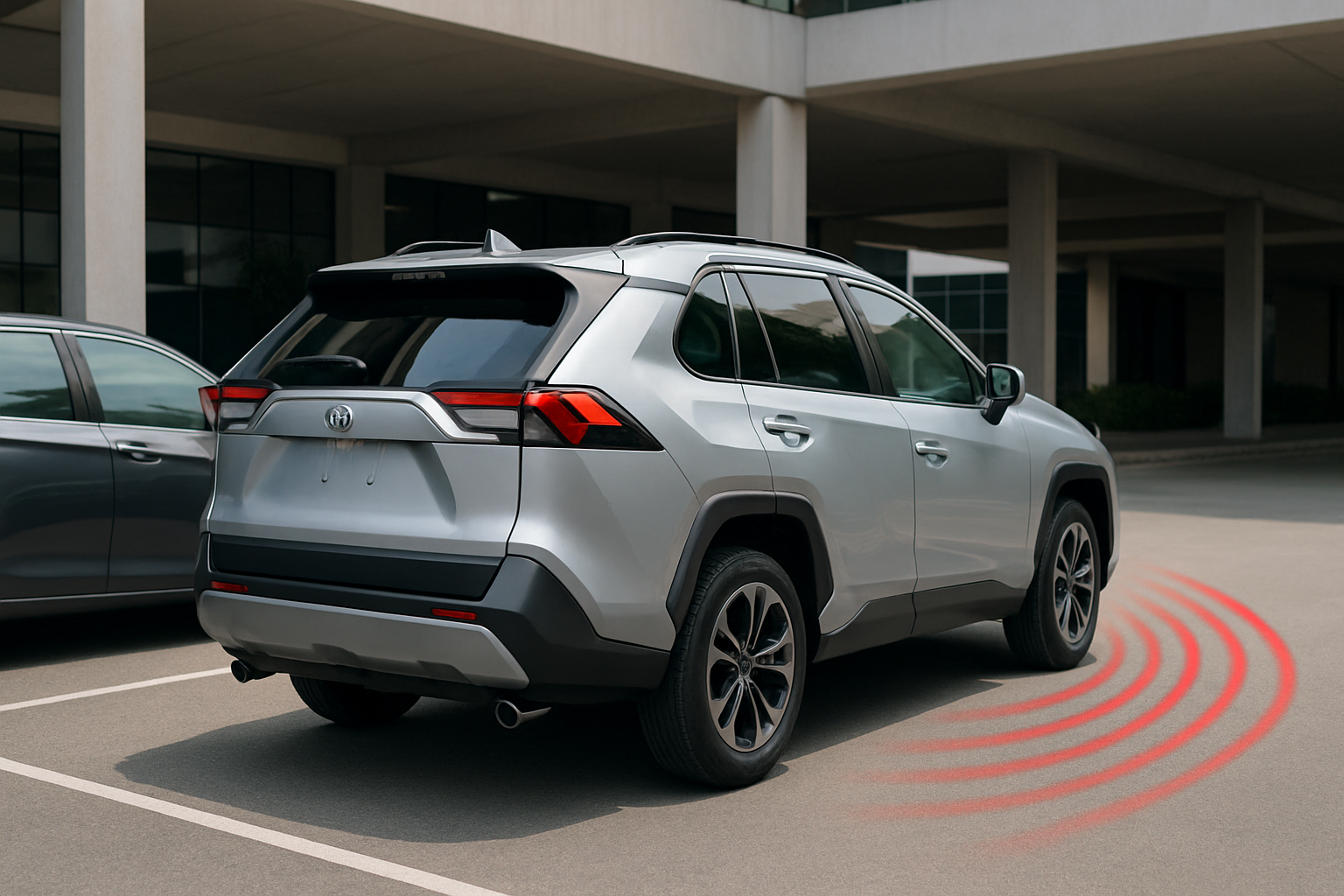
These regulations specify minimum sound levels (typically around 56 decibels at 10 km/h) and require the sound to increase in pitch or volume as vehicle speed increases. The sound must be audible in front of and behind the vehicle, covering a 360-degree radius around the car.
How Different Manufacturers Implement Pedestrian Alert Sounds
Every automaker designs unique sounds for their pedestrian alert systems, creating distinct auditory signatures for their electric and hybrid vehicles. These aren’t just random beeps or buzzes, but carefully engineered sounds that convey information about the vehicle’s speed and direction.
Toyota and Lexus hybrid vehicles produce a futuristic whirring sound that rises and falls with acceleration. The tone is designed to be clearly artificial while remaining pleasant and not overly intrusive. Prius owners often describe it as a subtle “whooshing” noise.
Tesla vehicles emit a low-frequency hum with subtle variations that change based on speed and acceleration. The company has experimented with different sound profiles through software updates, and some models allow owners to choose between different alert tones through the vehicle’s settings menu.
BMW and Mercedes-Benz electric vehicles produce more sophisticated soundscapes that mimic traditional engine characteristics while maintaining their distinctive brand identity. BMW’s system creates a low, refined hum, while Mercedes vehicles often produce sounds that resemble a quiet luxury sedan engine.
Nissan Leaf vehicles use a melodic chime-like sound that many owners find more musical than mechanical. The sound varies in pitch and tempo based on vehicle speed and acceleration patterns.
Understanding Your Vehicle’s External Speaker System
The pedestrian alert system relies on external speakers typically mounted in the front bumper area, though some vehicles have additional speakers in the rear. These speakers are separate from your vehicle’s entertainment system and are specifically designed for outdoor sound projection.
Most vehicles have one or two small speakers behind grilles or protective covers in the front bumper. Higher-end models might include rear-facing speakers as well to alert pedestrians when backing up. The speakers are weatherproof and designed to withstand road debris, car washes, and normal driving conditions.
The system includes sensors that monitor vehicle speed, gear selection, and driving mode to determine when sounds should be active. In hybrid vehicles, the system also monitors whether the gasoline engine is running, since the alert sounds typically deactivate when the engine is producing natural noise.
Some vehicles display a small indicator light or icon on the dashboard when the pedestrian alert system is active, though this varies by manufacturer. The sound volume is preset and cannot be adjusted by the driver in most cases.
Can You Turn Off the Pedestrian Alert System
Federal law prohibits manufacturers from allowing drivers to permanently disable pedestrian alert systems. You cannot turn off this feature through your vehicle’s settings menu, and any aftermarket modifications that disable the system would violate NHTSA regulations.
Some vehicles include a temporary override button that allows you to silence the system for a single drive cycle, but the system automatically reactivates the next time you start the vehicle. This temporary disable feature is intended for situations where the sound might be inappropriate, such as very early morning departures in residential areas.
The override button, when present, is typically located near other vehicle control switches and may be labeled with a speaker icon or “AVAS” text. Pressing it will illuminate a dashboard warning light indicating the pedestrian alert system is temporarily disabled.
Attempting to permanently disable the system by disconnecting speakers or modifying wiring could result in dashboard warning lights, system error codes, or even inspection failures in states that check for proper safety equipment function.
Troubleshooting Common Pedestrian Alert System Issues
If your pedestrian alert system stops working properly, you’ll typically see a dashboard warning light or error message. The most common issue is speaker failure due to road debris damage or water intrusion, though these components are generally quite reliable.
Speakers can become clogged with dirt, leaves, or ice, which may muffle or distort the alert sounds. Regular car washes usually keep the speaker areas clean, but you might need to carefully remove debris from the grille area if sounds become noticeably quieter.
System malfunctions often trigger error codes that your dealer can diagnose with factory scan tools. Common fault codes relate to speaker circuit problems, speed sensor issues, or communication errors between the pedestrian alert module and other vehicle systems.
If you suspect your pedestrian alert system isn’t working, have a friend stand outside the vehicle while you drive slowly past them in a quiet area. They should clearly hear the artificial sounds when you’re moving under 19 mph in electric mode.
Impact on Vehicle Operation and Driving Experience
Most drivers adapt quickly to their vehicle’s pedestrian alert sounds and barely notice them during normal driving. The sounds are designed to be audible to nearby pedestrians without being intrusive to vehicle occupants, though you’ll typically hear them faintly through the windows.
The system adds minimal weight to your vehicle and has no measurable impact on fuel economy or electric range. The small speakers draw very little power, and the alert sounds only operate at low speeds when energy consumption is already minimal.
Some drivers initially worry that the artificial sounds make their vehicles seem less refined or futuristic, but the safety benefits far outweigh any aesthetic concerns. Many owners report feeling more confident driving in pedestrian-heavy areas knowing that people can hear their approach.
The pedestrian alert system requires no maintenance from owners under normal circumstances. The speakers and control modules are designed to last the life of the vehicle, and most manufacturers include them under standard warranty coverage.
Future Developments in Pedestrian Alert Technology
Automakers continue refining pedestrian alert systems based on real-world feedback and advancing technology. Some manufacturers are experimenting with directional speakers that can focus sounds toward specific areas where pedestrians are detected.
Advanced systems in development use cameras and radar to detect nearby pedestrians and adjust alert sounds accordingly. These systems might produce louder or more attention-grabbing sounds when pedestrians are detected in the vehicle’s path.
Future regulations may require more sophisticated alert systems that provide different sounds for various driving situations, such as distinct tones for backing up, turning, or emergency situations. Some proposals include integrating pedestrian alert systems with vehicle-to-pedestrian communication technologies.
Sound customization options may expand as the technology matures, potentially allowing owners to choose from approved sound profiles while maintaining regulatory compliance. However, any customization options would still need to meet federal safety requirements for volume and frequency characteristics.
Frequently Asked Questions
Do pedestrian alert sounds work in all weather conditions?
Yes, the external speakers are designed to function in rain, snow, and extreme temperatures. However, heavy precipitation or strong winds might reduce the effective range of the sounds. Ice buildup can temporarily muffle speakers, but this typically clears once the vehicle warms up or the ice melts.
Will the pedestrian alert system drain my hybrid or electric vehicle’s battery?
The system uses negligible power and won’t measurably impact your vehicle’s range or fuel economy. The speakers only operate at low speeds for short periods, and their power consumption is far less than other vehicle systems like air conditioning or headlights.
Can I replace the pedestrian alert speakers with aftermarket ones?
Replacement speakers must meet specific frequency response and volume requirements to maintain regulatory compliance. Only use OEM replacement parts or aftermarket speakers specifically certified for pedestrian alert applications. Incorrect speakers could result in sounds that don’t meet legal requirements.
What happens if my pedestrian alert system fails inspection or generates error codes?
A malfunctioning pedestrian alert system could cause your vehicle to fail safety inspections in some states. Dashboard warning lights related to the system might also prevent your vehicle from passing emissions testing. Have any pedestrian alert system problems diagnosed and repaired promptly to avoid inspection issues.
This article contains affiliate links. If you purchase through these links, we may earn a small commission at no extra cost to you.

Leave a Reply