
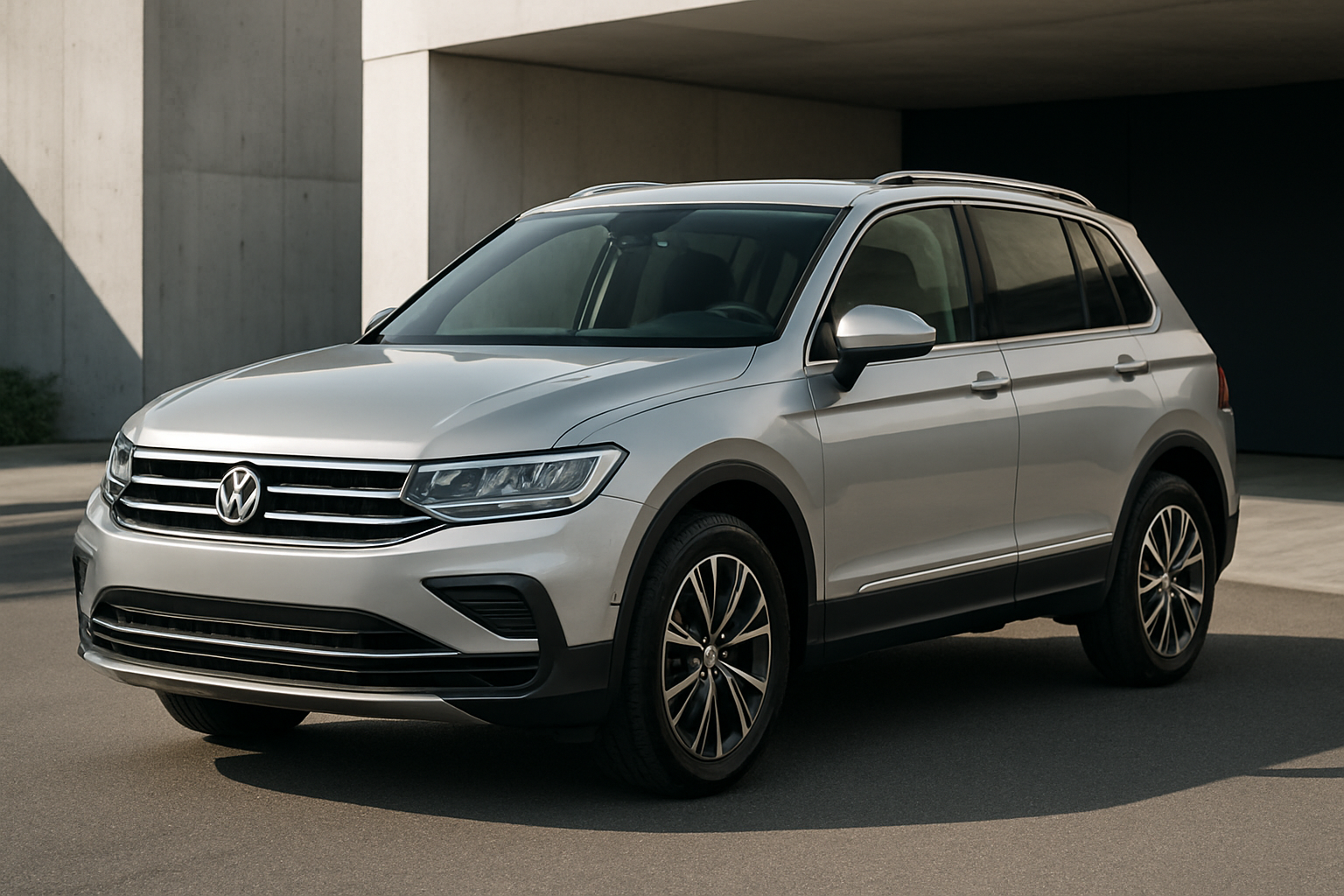
The Volkswagen Tiguan comes equipped with multiple drive modes that transform how your SUV behaves on the road. Understanding when and how to use Eco, Sport, and Individual modes can dramatically improve your driving experience, whether you’re commuting through city traffic or tackling weekend adventures.
These drive modes aren’t just marketing gimmicks. They actually change real vehicle systems to match different driving situations and preferences.
Understanding Drive Mode Basics on Your Tiguan
Your Tiguan’s drive mode system adjusts four main components: throttle response, transmission shift points, steering weight, and air conditioning behavior. Each mode creates a different personality for your vehicle by tweaking these systems in specific ways.
You’ll find the drive mode controls through your infotainment screen or dedicated buttons, depending on your model year and trim level. Most Tiguans from 2018 onward include this system as standard equipment across all trim levels.
The changes happen instantly when you switch modes. You don’t need to restart the engine or wait for the system to adapt. Your Tiguan remembers your last selected mode when you start the vehicle again.
Eco Mode: Maximizing Fuel Efficiency
Eco mode prioritizes fuel economy over performance. When you activate this mode, your Tiguan makes several adjustments to squeeze more miles from each gallon of gas.
What Eco Mode Changes
The throttle response becomes more gradual and less sensitive to your right foot. You’ll need to press the accelerator pedal further to get the same acceleration you’d experience in normal mode. This prevents aggressive acceleration that wastes fuel.
Your transmission shifts to higher gears earlier and stays there longer. The DSG or 8-speed automatic will upshift around 2,000-2,500 RPM instead of waiting for higher engine speeds. This keeps the engine in its most efficient operating range.
The air conditioning system reduces its maximum output and adjusts the fan speed to consume less power from the engine. You’ll still get cold air, but the system won’t work as hard to maintain your set temperature.
Steering effort remains unchanged in Eco mode, unlike some vehicles that make the steering lighter to reduce power steering pump load.
When to Use Eco Mode
Eco mode works best during highway cruising, city commuting, and any time you want to maximize your driving range. It’s particularly effective when you’re driving at steady speeds without frequent acceleration.
Long highway trips benefit most from Eco mode. The transmission keeps engine RPMs low while cruising, and the reduced air conditioning load helps maintain efficiency even with the AC running.
Avoid Eco mode when merging onto highways, passing other vehicles, or driving in mountainous terrain. The reduced throttle response can make these situations feel sluggish or unsafe.
Sport Mode: Enhanced Performance and Response
Sport mode transforms your Tiguan into a more aggressive, responsive vehicle. Every input you make gets amplified, creating a sportier driving experience.
What Sport Mode Changes
Throttle response becomes much more sensitive and immediate. Small movements of your right foot produce quicker acceleration, making the vehicle feel more powerful and eager to move.
The transmission holds gears longer and downshifts more aggressively. Your DSG or automatic transmission will keep the engine between 3,000-4,000 RPM during normal driving, ensuring power is always available for quick acceleration.
Steering weight increases significantly, providing more feedback through the wheel. The electric power steering system adds resistance to create a more connected feeling between you and the road.
Air conditioning behavior remains more aggressive in Sport mode. The system maintains your set temperature more precisely, even if it requires more engine power to do so.
When to Use Sport Mode
Sport mode excels during spirited driving on winding roads, when you need quick acceleration for highway merging, or any time you want maximum vehicle response.
Mountain driving benefits from Sport mode because the transmission anticipates elevation changes and keeps the engine in its power band. You won’t experience the hunting between gears that can happen in other modes on hills.
City driving in Sport mode can feel too aggressive for most situations. The sensitive throttle makes smooth acceleration more difficult in stop-and-go traffic, and fuel economy suffers significantly.
Individual Mode: Creating Your Perfect Setup
Individual mode lets you customize each system independently, creating a personalized driving experience that matches your exact preferences.
Customization Options Available
You can set the throttle response to Eco, Normal, or Sport levels regardless of what you choose for other systems. This flexibility allows combinations like sporty throttle response with economy-focused transmission behavior.
Transmission settings include Eco, Normal, and Sport options. Each changes how early or late the gearbox shifts and how aggressively it responds to throttle inputs.
Steering weight offers Comfort, Normal, and Sport settings. Comfort provides the lightest steering effort, while Sport creates the heaviest, most connected feel.
Air conditioning can be set to Eco or Normal operation. The Eco setting reduces maximum cooling output to save fuel, while Normal maintains full cooling capacity.
Popular Individual Mode Combinations
Many drivers prefer Sport throttle response with Eco transmission and Normal steering. This combination provides quick acceleration when needed while maintaining reasonable fuel economy during cruising.
Another popular setup uses Normal throttle, Sport transmission, and Sport steering. This creates a balanced sporty feel without the sometimes-jerky throttle response of full Sport mode.
For maximum fuel economy, try Eco throttle and transmission with Comfort steering and Eco air conditioning. This combination maximizes efficiency while keeping steering effort light for easy maneuvering.
How to Change Drive Modes
Most Tiguan models access drive modes through the infotainment screen. Touch the “Vehicle” or “Settings” menu, then look for “Driving Profile” or “Drive Mode” options.
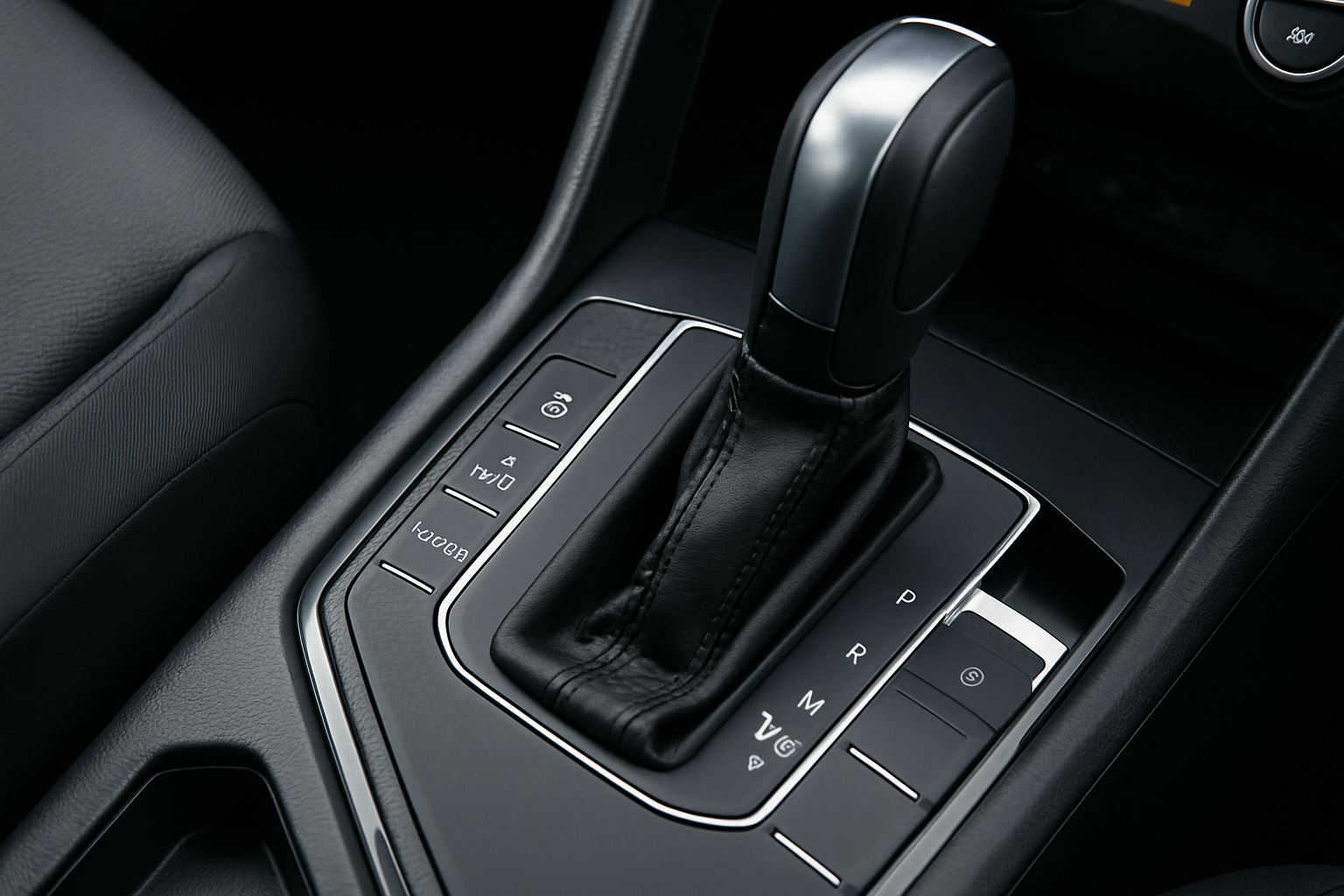
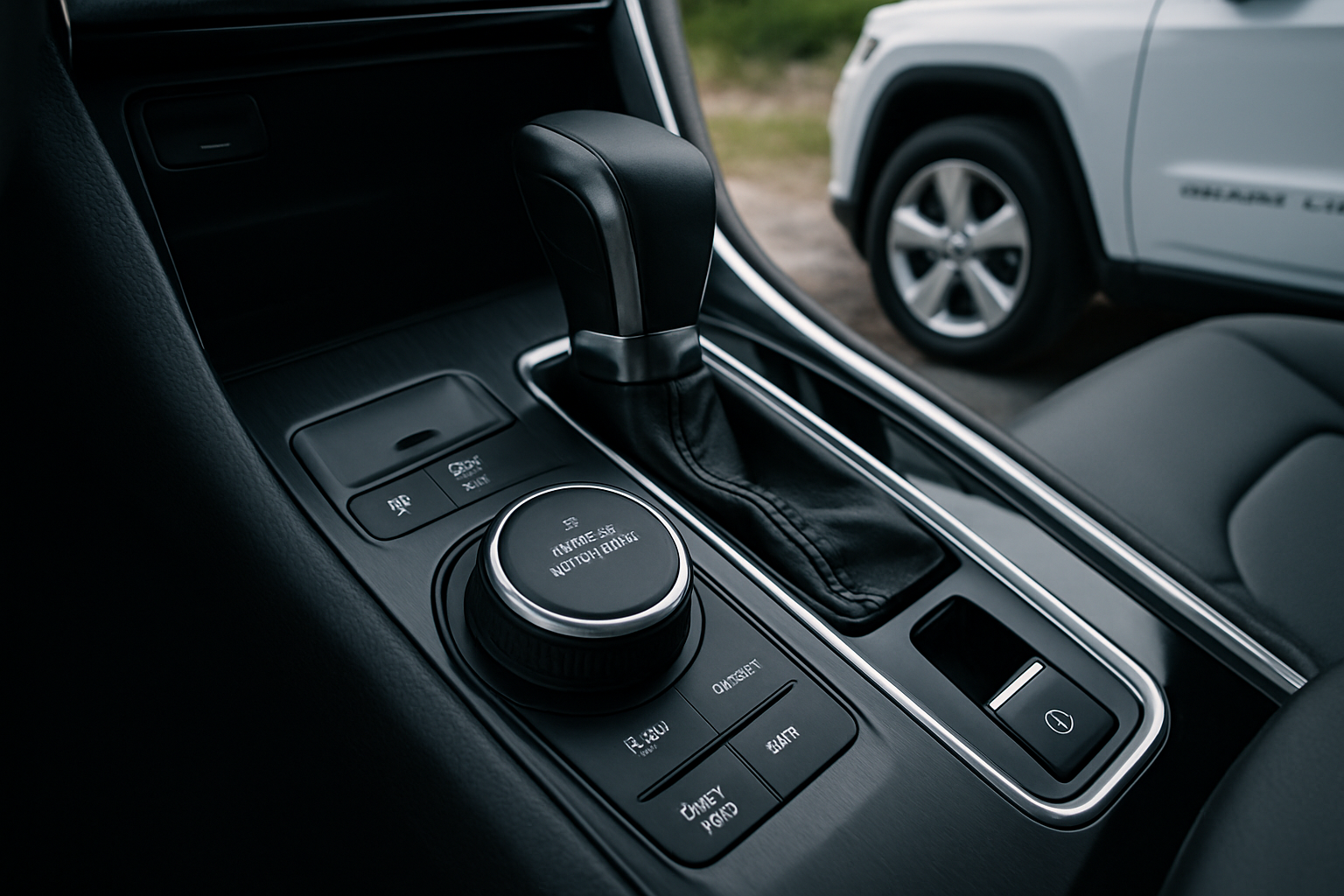
Some higher trim levels include dedicated physical buttons near the gear selector. These buttons provide quicker access without navigating through screen menus while driving.
When you select Individual mode, the system presents separate controls for each customizable component. You can adjust these settings while parked or driving, though it’s safer to make changes before you start moving.
Remembering Your Settings
Your Tiguan saves your Individual mode settings permanently. Once you configure your preferred combination, the vehicle remembers these settings even after turning off the engine.
The last-used drive mode also remains active when you restart the vehicle. If you drove in Sport mode during your last trip, the Tiguan will start in Sport mode next time.
Different driver profiles can store different drive mode preferences if your vehicle has memory seats and multiple key fobs programmed.
Real-World Performance Differences
The differences between modes are immediately noticeable when driving. Eco mode can improve fuel economy by 2-4 MPG during mixed driving, while Sport mode typically reduces economy by 3-5 MPG compared to normal operation.
Acceleration from 0-60 MPH varies by about 1-2 seconds between Eco and Sport modes. While this might not sound significant, it feels substantial during daily driving situations like highway merging.
Steering weight changes are dramatic enough that passengers often notice when you switch between Comfort and Sport settings. The difference in effort required for parking maneuvers is particularly obvious.
Tips for Getting the Most from Each Mode
Don’t stick to one mode for all driving situations. The system is designed for you to switch modes based on current conditions and your immediate needs.
Try Individual mode combinations during different types of driving to find your personal preferences. What works for one driver might not suit another’s style or priorities.
Remember that Sport mode affects more than just performance. The increased air conditioning activity and transmission behavior can impact comfort during long drives in hot weather.
Pay attention to how each mode feels in different weather conditions. Eco mode’s gentler throttle response can be helpful on slippery roads, while Sport mode’s immediate response might cause traction issues.
Common Questions About Tiguan Drive Modes
Do drive modes affect all-wheel drive operation?
Drive modes don’t change when or how your Tiguan’s 4Motion all-wheel drive system engages. The AWD system operates independently based on traction needs, regardless of which drive mode you’ve selected.
Can I damage the engine by using Sport mode frequently?
Sport mode won’t damage your engine. The system only changes how existing components operate within their designed parameters. Your engine management system still protects against harmful operating conditions regardless of drive mode.
Why doesn’t my fuel economy improve much in Eco mode?
Eco mode’s benefits depend heavily on your driving style and conditions. Aggressive acceleration or frequent high-speed driving will minimize the mode’s effectiveness. The biggest improvements come during steady-speed driving and gentle acceleration.
Will using different drive modes affect my warranty?
Drive modes are factory-installed features designed for regular use. Switching between modes won’t void your warranty or cause any coverage issues with Volkswagen.
This article contains affiliate links. If you purchase through these links, we may earn a small commission at no extra cost to you.
Leave a Reply