
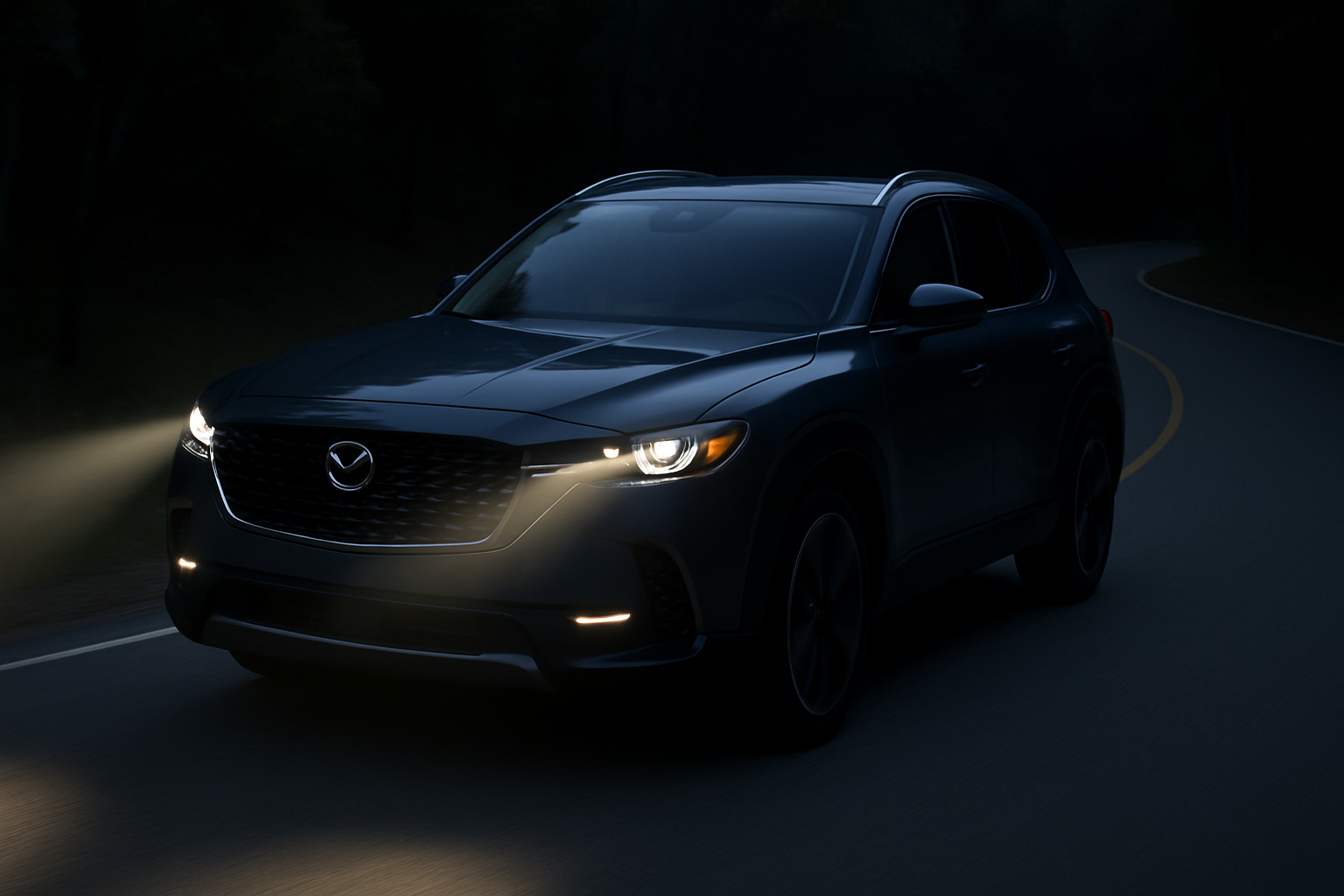
The Mazda CX-50’s advanced lighting technology can dramatically improve your nighttime driving experience once you understand how to use it properly. The Adaptive Front-lighting System (AFS) and auto high beams work together to provide optimal visibility while reducing the risk of blinding other drivers.
Many CX-50 owners don’t realize their vehicle has these features or haven’t figured out how to activate them. Learning to use these systems correctly will help you drive more safely in low-light conditions and take full advantage of your vehicle’s sophisticated lighting capabilities.
Understanding the Adaptive Front-lighting System (AFS)
The CX-50’s Adaptive Front-lighting System automatically adjusts your headlight beam direction based on your steering input and vehicle speed. When you turn into a curve, the headlights pivot to illuminate the road ahead rather than shining straight forward into darkness.
This system uses sensors to detect your steering angle and vehicle dynamics. The headlight assemblies contain small motors that physically rotate the projector units inside the housings. You’ll notice the headlights moving slightly when you turn the steering wheel, even when parked.
The AFS works at speeds between approximately 2 mph and 75 mph. At highway speeds, the system becomes less active to prevent unnecessary movement, but it still provides subtle adjustments for gradual curves.
How to Activate the Cornering Headlights
The cornering headlight feature is part of the AFS and activates automatically when certain conditions are met. Your headlight switch must be in the AUTO position or manually turned to the headlight position for the system to function.
The system engages when you’re driving at low speeds (typically under 25 mph) and turn the steering wheel beyond a certain angle. You’ll see additional light projected to the side you’re turning, illuminating areas that would normally remain dark.
For the system to work properly, make sure your headlight switch is set to AUTO. The cornering lights won’t function if you have only your parking lights or daytime running lights activated.
When Cornering Lights Activate
The cornering headlights typically activate in these situations:
During parking maneuvers when you turn the wheel significantly at low speeds. This helps illuminate parking spaces, curbs, and obstacles that might be outside your normal headlight beam pattern.
When making turns at intersections, especially during night driving. The additional side illumination helps you spot pedestrians, cyclists, or other vehicles that might be in your path.
While navigating winding roads at moderate speeds. The system continuously adjusts to keep the road ahead properly lit through curves and turns.
Setting Up Auto High Beams
The auto high beam feature uses a camera mounted behind your rearview mirror to detect oncoming traffic and automatically switch between high and low beams. This system helps maximize your forward visibility while preventing you from accidentally blinding other drivers.
To enable auto high beams, locate the headlight control stalk on the left side of your steering wheel. Push the stalk away from you (toward the dashboard) and hold it in that position briefly. You’ll see an indicator light appear on your dashboard showing that auto high beams are active.
The dashboard indicator typically shows “AUTO” with a high beam symbol. When the system is actively using high beams, you’ll see the standard blue high beam indicator light as well.
Auto High Beam Operation
Once activated, the system monitors the road ahead using the forward-facing camera. It automatically switches to high beams when no oncoming traffic is detected and visibility conditions warrant additional lighting.
When the camera detects approaching headlights or taillights ahead of you, it immediately switches back to low beams. The system is quite sensitive and usually responds faster than most drivers would manually.
The auto high beam function works best on highways and rural roads with minimal ambient lighting. In urban areas with street lighting, the system may keep the low beams active most of the time.
Optimizing System Performance
Keep your windshield clean, especially the area directly behind the rearview mirror where the camera is mounted. Dirt, snow, or ice on the windshield can interfere with the camera’s ability to detect other vehicles.
The AFS sensors are located in the front of your vehicle, typically integrated with other driving assistance systems. These sensors can be affected by heavy snow, ice, or mud buildup on the front bumper area.
Make sure your headlight lenses are clean and clear. Dirty or foggy headlight lenses reduce the effectiveness of both the adaptive lighting and auto high beam systems.
Weather Considerations
During heavy rain, snow, or fog, you may want to manually control your high beams instead of relying on the auto system. The camera can sometimes have difficulty detecting other vehicles in severe weather conditions.
The cornering lights work well in most weather conditions, but extremely bright sunlight or heavy precipitation might affect their automatic operation. The system has built-in safeguards to prevent inappropriate activation.
Troubleshooting Common Issues
If your cornering headlights aren’t working, first check that your headlight switch is in the correct position. The system won’t function if you’re only running daytime lights or if the switch is in the off position.
A malfunction indicator in your gauge cluster might indicate a problem with the AFS system. This could be due to a sensor issue, motor failure in the headlight assembly, or a software glitch that requires dealer diagnosis.
Auto high beams that don’t activate properly often indicate a dirty windshield or camera lens. Clean the windshield thoroughly, particularly around the camera area, and try the system again.
When to Seek Professional Help
If the headlight assemblies make unusual noises when turning or the lights seem to move erratically, have the system checked by a qualified technician. The small motors inside the headlight housings can wear out over time.
Persistent warning lights related to the lighting system shouldn’t be ignored. These systems are integrated with your vehicle’s computer network, and one malfunctioning component can affect others.
Manual Override Options
You can always override the auto high beam system by manually operating the headlight stalk. Pull the stalk toward you briefly to flash the high beams, or push it away and release it to toggle between auto mode and manual low beams.
If you need to disable the cornering light feature temporarily, some CX-50 models allow you to turn off the AFS through the vehicle settings menu in the infotainment system. Check your owner’s manual for specific instructions for your model year.
Remember that manually overriding these systems means you’ll need to remember to manage your lighting manually. The automatic systems are designed to reduce driver workload and improve safety.
Maintenance and Care
Regular maintenance of your lighting systems helps ensure optimal performance. Have your headlight aim checked periodically, especially after any front-end work or if you notice the lights seem to be pointing too high or low.
The AFS system has moving parts that require occasional calibration. This is typically done during routine maintenance visits, but may need attention if you notice the headlights aren’t tracking properly with your steering inputs.
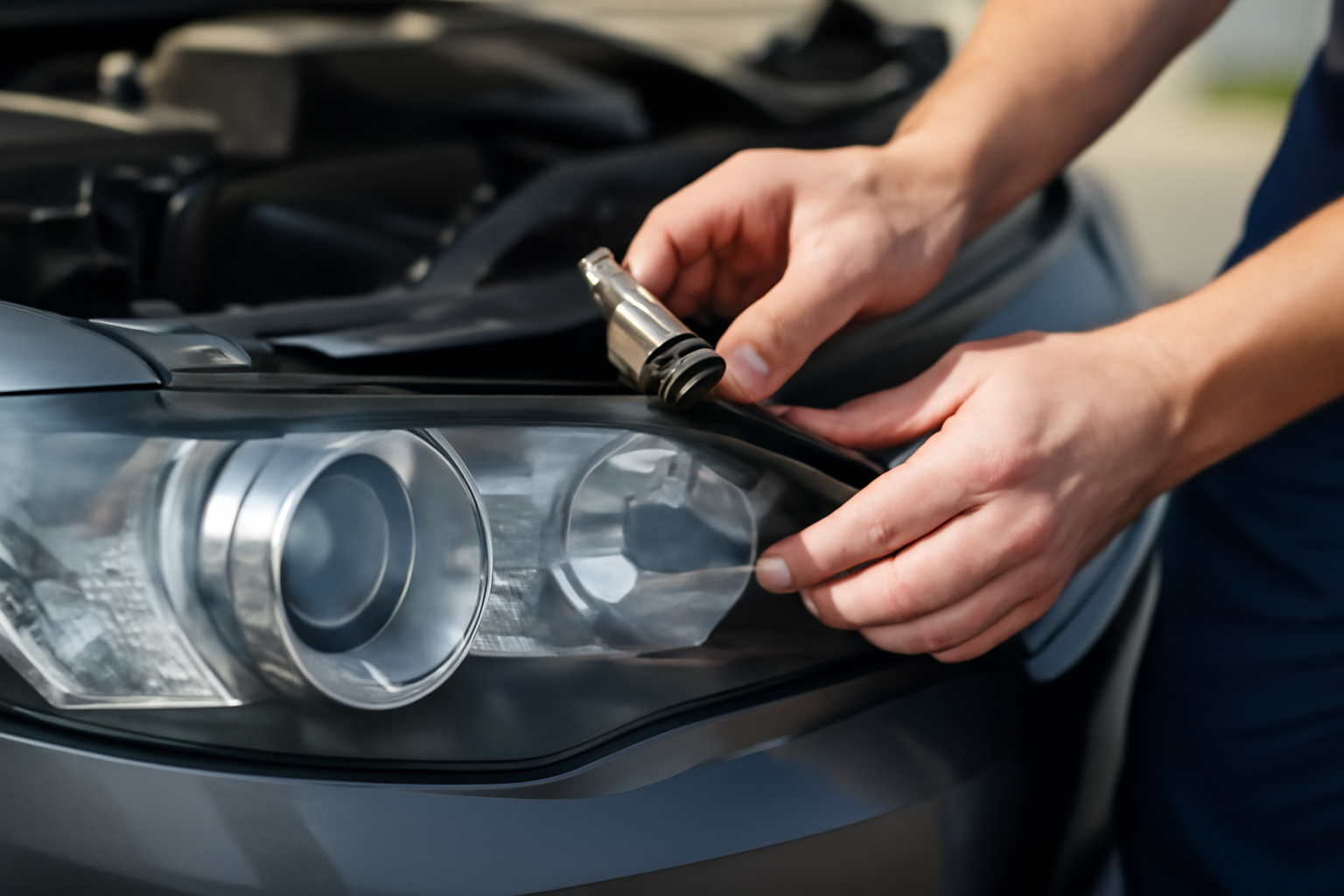
Keep replacement headlight bulbs appropriate for your AFS-equipped vehicle. Some aftermarket bulbs can interfere with the system’s operation or void your warranty.
Frequently Asked Questions
Can I add these features to a CX-50 that doesn’t have them?
Adding AFS or auto high beams to a vehicle not originally equipped with them isn’t practical. These systems require specific headlight assemblies, sensors, cameras, and software integration that must be installed during manufacturing.
Do these systems work with aftermarket HID or LED bulbs?
Using non-OEM bulbs in AFS-equipped headlights can cause problems with beam patterns and system calibration. Stick with manufacturer-recommended bulbs to ensure proper operation and avoid potential warranty issues.
Why do my auto high beams sometimes stay on when I see oncoming traffic?
The camera system has limitations in certain conditions. Very distant lights, motorcycles with single headlights, or vehicles with dim lighting might not trigger the system immediately. Always be ready to manually override when necessary.
How much does it cost to repair AFS components?
AFS repairs can be expensive because the motors and control modules are integrated into the headlight assemblies. Replacement costs can range from several hundred to over a thousand dollars per side, depending on the specific component that fails.
Leave a Reply