
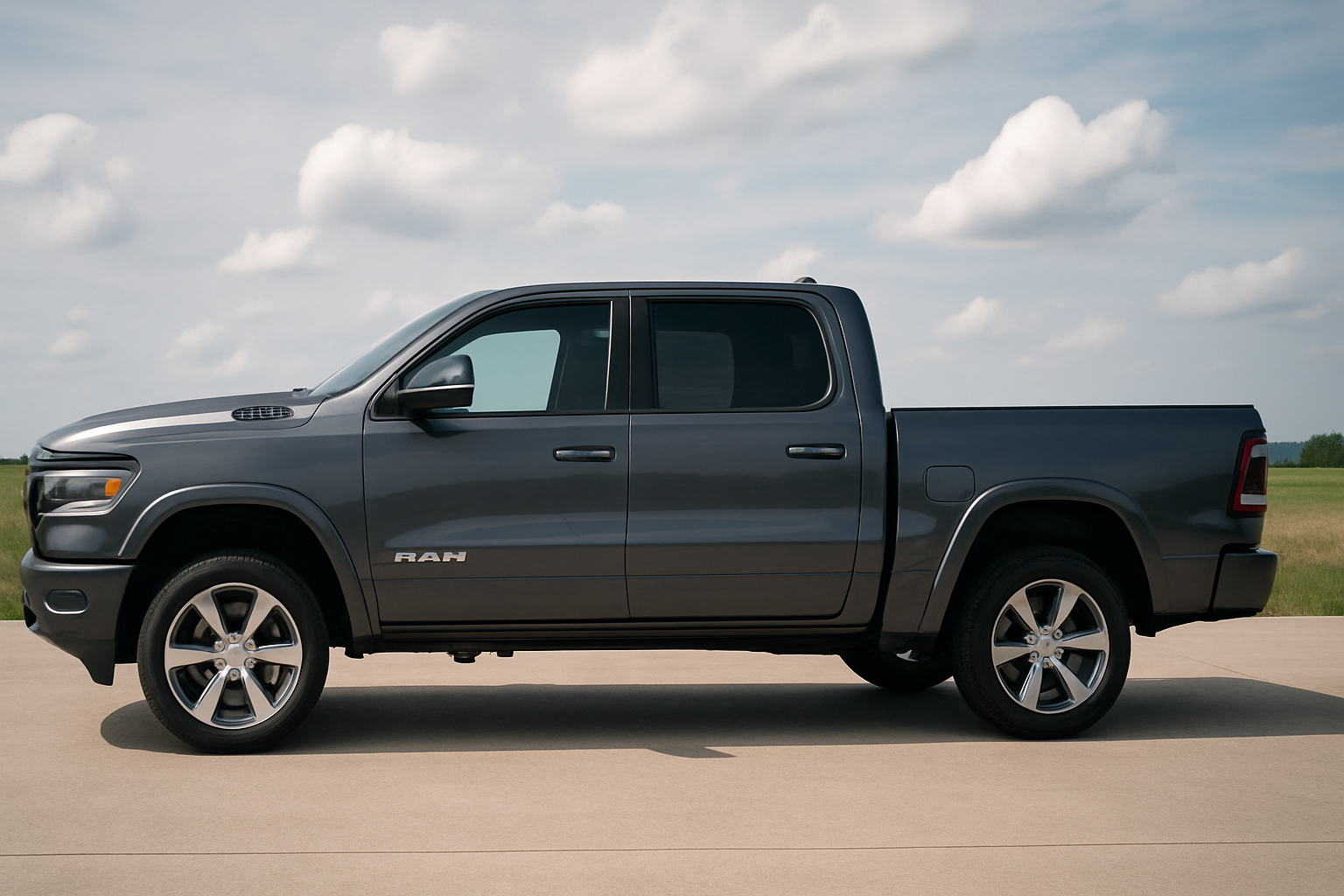
The Ram 1500’s air suspension system transforms your truck into a versatile machine that adapts to any driving situation. With five distinct ride height positions and intelligent automatic adjustments, you can optimize your truck for everything from daily commuting to serious off-road adventures.
This advanced system isn’t just about comfort. It actively improves your truck’s performance, fuel economy, and capability depending on what you’re doing and where you’re going.
Understanding Your Ram 1500’s Air Suspension System
Your Ram 1500’s air suspension replaces traditional coil springs with air-filled bellows that can inflate or deflate to change your truck’s ride height. The system uses an onboard air compressor, electronic sensors, and a sophisticated control module to monitor driving conditions and adjust accordingly.
Unlike basic air suspension systems that simply raise and lower the vehicle, Ram’s setup includes multiple preset modes designed for specific driving scenarios. Each mode optimizes ground clearance, aerodynamics, and ride quality for different situations.
The system continuously monitors your speed, throttle position, and driving conditions. It makes automatic adjustments to keep your truck performing at its best without any input from you.
The Five Ride Height Positions Explained
Entry/Exit Mode
This is the lowest setting, dropping your truck approximately 2 inches below normal ride height. The system automatically engages this mode when you park and turn off the engine, making it easier to get in and out of the cab.
You can also manually activate entry/exit mode using the dashboard controls when loading cargo or connecting trailers. The lower height reduces the step-up distance and makes accessing the bed more comfortable.
Normal Ride Height
This is your truck’s standard operating height for everyday driving. The system maintains this height during typical city and highway driving conditions. Normal mode provides the best balance of ride comfort, handling, and ground clearance for most situations.
Your Ram will automatically return to normal height when you start driving, regardless of which mode it was in when parked.
Off-Road 1
Off-Road 1 raises your truck approximately 1 inch above normal height. This mode works well for light trail driving, gravel roads, and situations where you need extra ground clearance but don’t want the truck raised to maximum height.
The system maintains better stability than Off-Road 2 mode while still providing improved clearance for obstacles and rough terrain.
Off-Road 2
This is the maximum ride height, raising your truck about 2 inches above normal. Off-Road 2 provides maximum ground clearance for serious off-road driving, deep snow, or crossing significant obstacles.
The system limits your maximum speed in this mode to prevent stability issues. You’ll get a dashboard warning if you exceed the speed threshold.
Aero Mode
Aero mode lowers your truck approximately 1 inch below normal height to reduce aerodynamic drag. The system automatically engages this mode during sustained highway driving to improve fuel economy.
You won’t notice much difference in ride quality, but the lower profile reduces wind resistance and can improve your fuel mileage during long highway trips.
How to Control Your Air Suspension
Using the Dashboard Controls
You’ll find the air suspension controls on your dashboard’s touchscreen display. Navigate to the “Off-Road Pages” menu in your Uconnect system to access the ride height controls.
The interface shows a graphic representation of your truck with the current ride height highlighted. You can select any available mode by touching the corresponding icon on the screen.
Some modes have speed restrictions. The system will prevent you from selecting certain heights if you’re driving too fast for safety.
Automatic Height Adjustments
Your Ram’s air suspension makes several automatic adjustments without your input. When you reach highway speeds (typically around 62 mph), the system automatically lowers to aero mode for better fuel economy.
The truck automatically raises to normal height when you slow down or exit the highway. This happens gradually so you won’t feel sudden changes in ride height.
When you park and shut off the engine, the system drops to entry/exit mode after a few minutes. This makes getting out easier and reduces stress on the suspension components during extended parking.
Towing Mode Features
When you’re towing a trailer, your air suspension system provides additional benefits beyond basic ride height adjustment. The system can automatically level your truck when you connect a trailer, compensating for tongue weight that would normally cause the rear to sag.
Towing mode maintains consistent ride height regardless of trailer weight, improving handling and headlight aim. The system continuously adjusts as you drive to keep your truck level even when going up or down hills.
You can manually adjust ride height while towing if you need extra clearance for steep driveways or off-road trailer access. The system remembers your preferred towing height for different trailer configurations.
Real-World Usage Tips
Daily Driving Strategies
For most daily driving, you can leave your truck in automatic mode and let the system manage ride height adjustments. The air suspension will optimize your height based on driving conditions without any input from you.
If you frequently drive on rough roads or unpaved surfaces during your commute, consider manually selecting Off-Road 1 mode. This provides extra clearance while maintaining good ride quality and fuel economy.
Off-Road Applications
Start with Off-Road 1 for mild trail driving and rocky roads. This height provides good clearance while keeping your center of gravity relatively low for better stability.
Save Off-Road 2 for situations where you really need maximum clearance. The higher ride height affects handling and increases body roll, so use it only when necessary.
Remember that the system won’t let you drive fast in the higher modes. Plan accordingly if you need to cover ground quickly on rough terrain.
Loading and Unloading
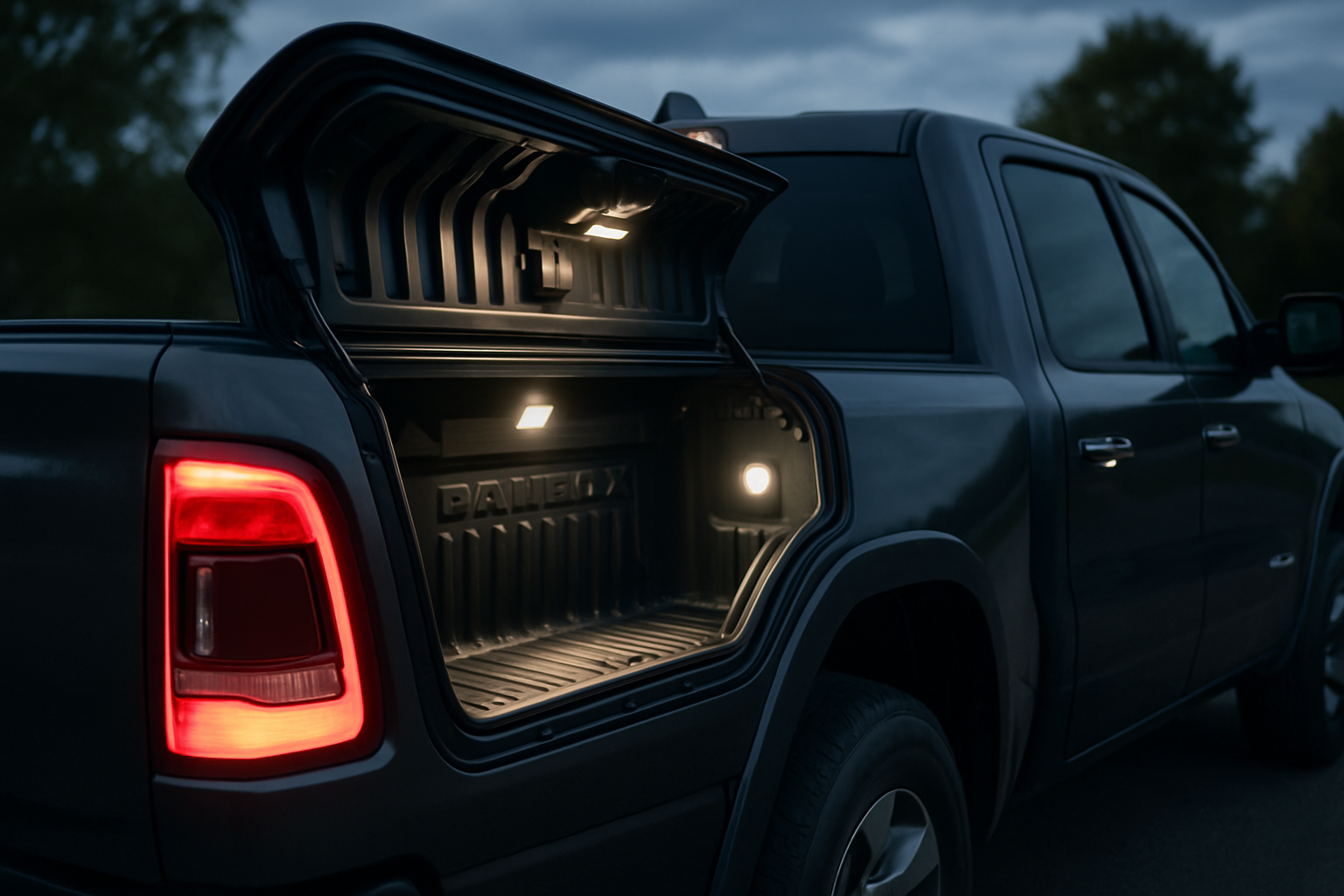
Take advantage of entry/exit mode when loading heavy items in your bed. The lower height reduces the lifting distance and makes it easier to slide heavy objects into the truck.
You can also use entry/exit mode when connecting trailers. The lower height often provides a better match for trailer tongue height, reducing the need for hitch adjustments.
Troubleshooting Common Issues
System Not Responding
If your air suspension controls aren’t responding, check your speed first. The system won’t allow height changes above certain speeds for safety reasons.
Make sure you’re not on an incline greater than the system’s operating limits. The air suspension won’t adjust on steep grades to prevent the truck from becoming unstable.
Slow Height Changes
Height adjustments normally take 30-60 seconds to complete. If changes seem unusually slow, your air compressor might be working harder due to temperature or altitude conditions.
Cold weather can slow down the system’s response time. The air compressor works less efficiently in very cold temperatures, so allow extra time for adjustments in winter conditions.
Warning Messages
If you see air suspension warning messages on your dashboard, don’t ignore them. Common warnings include speed limit notifications when in off-road modes or system fault messages.
Some warnings are informational, like reminders about speed limits in raised modes. Others indicate actual system problems that need attention from a qualified technician.
Maintenance Considerations
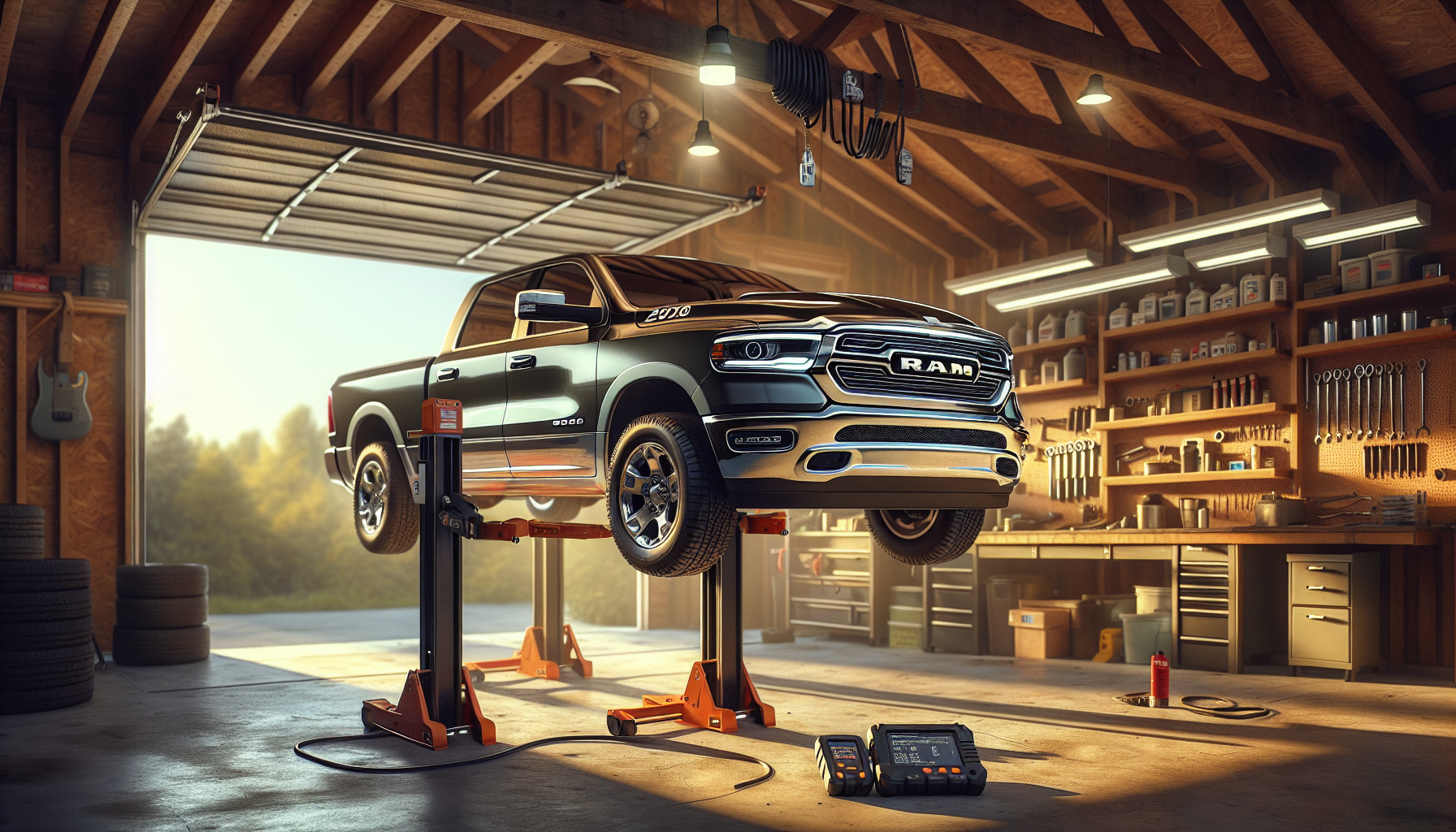
Your air suspension system requires minimal regular maintenance, but you should keep an eye on a few key components. The air filter for the compressor should be replaced according to your maintenance schedule to keep the system operating efficiently.
Inspect the air lines and fittings periodically for signs of wear or damage. Look for cracks in the rubber components or corrosion on metal fittings, especially if you drive in harsh conditions.
The air springs themselves are generally durable, but they can develop leaks over time. If your truck doesn’t maintain ride height when parked, or if you hear the compressor running frequently, you might have a leak in the system.
Frequently Asked Questions
Can I drive normally with the air suspension in off-road modes?
You can drive in off-road modes, but the system limits your maximum speed for safety. Off-Road 1 typically allows highway speeds, while Off-Road 2 restricts you to lower speeds. The dashboard will warn you if you’re going too fast for the selected mode.
Does using different ride heights affect my fuel economy?
Yes, ride height directly affects aerodynamics and fuel economy. Aero mode provides the best fuel efficiency by reducing wind resistance. Off-road modes increase fuel consumption due to higher aerodynamic drag and the energy needed to maintain the raised height.
What happens if the air suspension system fails while driving?
If the system fails completely, your truck will settle to a default height that allows safe driving. You’ll lose the ability to adjust ride height, but you can still drive the truck normally. The system includes fail-safes to prevent sudden height changes that could affect vehicle control.
Can I permanently disable the automatic lowering at highway speeds?
The automatic aero mode engagement is part of the system’s programming and can’t be easily disabled through normal settings. Some aftermarket tuning solutions might offer this capability, but it will negatively impact your fuel economy during highway driving.
Leave a Reply