
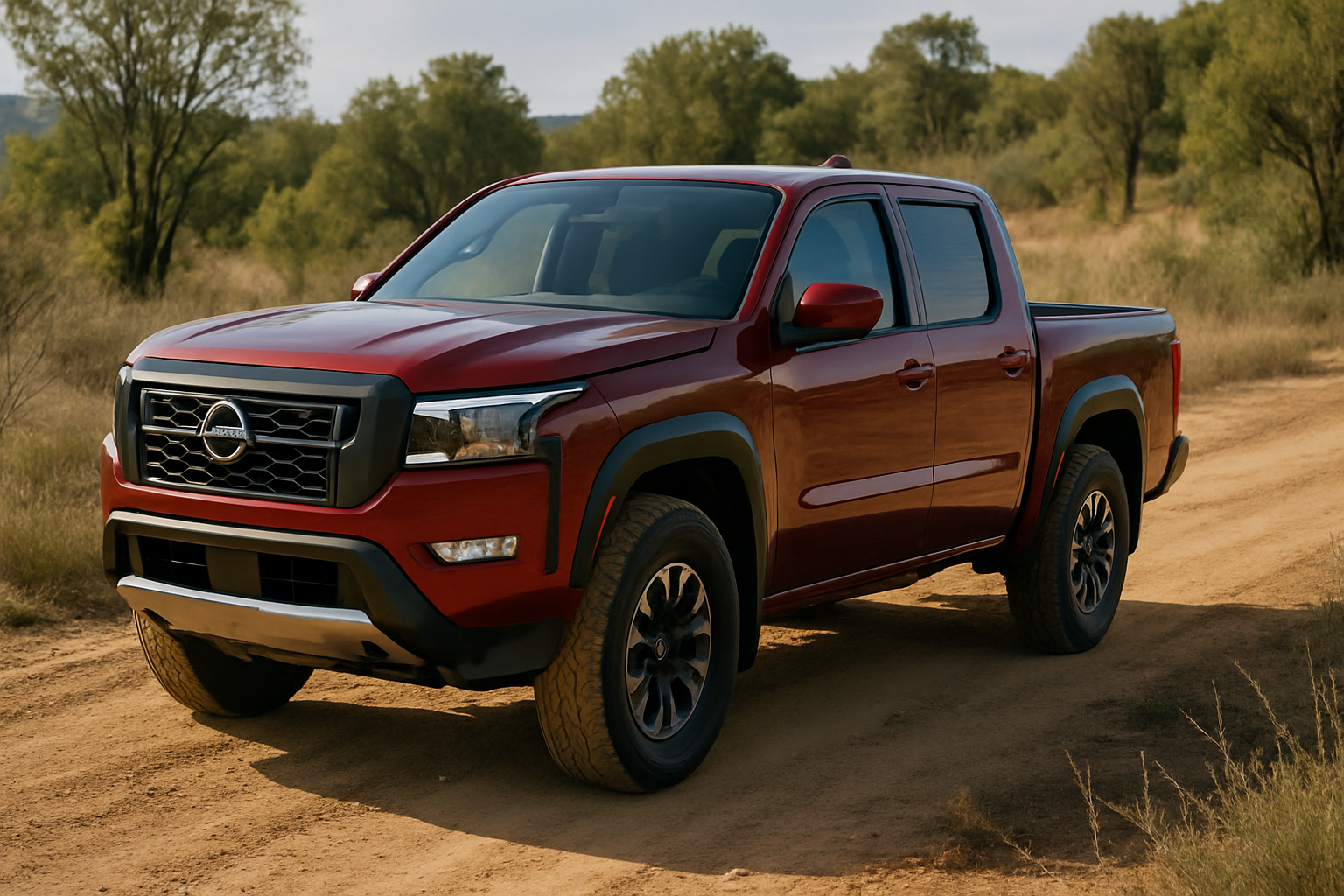
The Nissan Frontier’s 4WD system gives you the traction and capability to handle tough terrain, but only if you know how to use it properly. Understanding when and how to engage each mode, plus the electronic locking differential, can make the difference between confidently tackling challenging conditions and getting stuck.
This comprehensive guide covers everything you need to know about operating your Frontier’s 4WD system, from basic mode selection to advanced features like Hill Descent Control.
Understanding Your Frontier’s 4WD System Components
Your Nissan Frontier comes equipped with a sophisticated four-wheel drive system that includes several key components working together. The transfer case allows you to shift between 2WD, 4WD High, and 4WD Low modes. An electronic locking rear differential provides additional traction when needed.
Most modern Frontier models feature shift-on-the-fly capability, meaning you can engage certain 4WD modes while driving. This system uses a rotary dial or electronic switches located on your center console, typically to the right of the gear shifter.
The electronic locking differential is controlled by a separate button, usually marked with a differential icon. When engaged, it locks the rear axle to ensure both rear wheels turn at the same speed, maximizing traction on slippery or uneven surfaces.
2WD Mode: Your Daily Driver Setting
Two-wheel drive mode sends power only to the rear wheels and should be your default setting for normal driving conditions. This mode provides the best fuel economy and allows for normal steering feel on paved roads.
You’ll use 2WD for highway driving, city streets, and any situation where you have adequate traction. The front wheels can turn freely without being driven, which eliminates the binding that occurs when 4WD is engaged on dry pavement.
Your Frontier will handle light rain, dry gravel roads, and most everyday driving situations perfectly fine in 2WD mode. Only switch to 4WD when you actually need the additional traction.
4WD High: Maximum Speed 62 mph
Four-wheel drive high range splits power between the front and rear axles, providing improved traction while maintaining normal gear ratios. You can safely drive up to 62 mph in 4WD High, though you should reduce speed based on road conditions.
Engage 4WD High before you need it. If you’re approaching snow, ice, mud, sand, or loose gravel, shift into 4WD High while you still have traction. Waiting until you’re already stuck makes the situation much more difficult.
To engage 4WD High on most Frontier models, simply turn the rotary dial to the 4H position while driving at speeds below 62 mph. The system engages automatically without requiring you to stop or press the clutch.
You’ll see a 4WD indicator light on your dashboard when the system is properly engaged. If the light blinks, the system is still engaging or there may be a wheel speed difference preventing engagement.
When to Use 4WD High
Snow and ice conditions are perfect for 4WD High, especially when you need to maintain reasonable road speeds. Light to moderate off-road conditions like dirt roads, gravel, or trails also benefit from 4WD High.
Beach driving in sand often requires 4WD High, particularly when combined with lowered tire pressure. The additional traction helps prevent getting bogged down while still allowing normal driving speeds when conditions permit.
Steep hills with loose surfaces work well with 4WD High, as do situations where you’re towing and need extra traction. Remember that 4WD improves traction, but it doesn’t help with stopping or steering on slippery surfaces.
4WD Low: Maximum Speed 25 mph
Four-wheel drive low range provides maximum torque multiplication through reduced gear ratios, typically around 2.6:1 in most Frontier models. This mode is designed for serious off-road situations where you need maximum torque and precise control at low speeds.
The speed limit in 4WD Low is approximately 25 mph, though you’ll rarely drive anywhere near that fast when conditions actually require low range. Most 4WD Low situations involve speeds under 10 mph for maximum control.
To engage 4WD Low, you must come to a complete stop and shift your transmission into neutral. Turn the rotary dial to 4L and wait for the system to engage completely before shifting back into drive or first gear.
Perfect Situations for 4WD Low
Rock crawling and technical off-road trails require 4WD Low for the precise throttle control and maximum torque. Deep mud, sand, or snow where you need to maintain momentum at very low speeds also benefits from low range.
Steep hill climbs and descents, especially on loose or slippery surfaces, work much better with 4WD Low engaged. The gear reduction gives you more control and prevents the engine from lugging or the wheels from spinning excessively.
Recovery situations, whether you’re pulling someone out or getting unstuck yourself, often require 4WD Low. The increased torque multiplication reduces strain on your drivetrain and provides more pulling power.
Electronic Locking Rear Differential
Your Frontier’s electronic locking differential can be engaged in any 4WD mode to provide maximum traction. When locked, both rear wheels turn at exactly the same speed, eliminating the possibility of power going to a spinning wheel.
The differential lock button is typically located near the 4WD controls and features an icon showing a differential with an arrow. Press the button when you need maximum traction, and you’ll see a confirmation light on your dashboard.
You can engage the differential lock at speeds up to about 12 mph, but it works best at very low speeds or when stopped. The system will automatically disengage at higher speeds to prevent drivetrain damage.
When to Lock Your Differential
Deep mud or sand where one rear wheel might break traction calls for the differential lock. Rock crawling situations where wheel placement is critical also benefit from having both rear wheels pulling equally.
Snow and ice conditions can improve dramatically with the differential locked, especially when combined with 4WD Low for hill climbs or when starting from a stop on slippery surfaces.
Avoid using the differential lock on dry pavement or when turning, as it will cause tire scrubbing and put unnecessary stress on your drivetrain components. The system should automatically disengage when it detects higher speeds or binding conditions.
Hill Descent Control: Your Electronic Brake Assistant
Hill Descent Control automatically applies individual brakes to maintain a steady, controlled speed when descending steep hills. This feature works in 4WD Low and helps prevent loss of control on steep descents.
When active, Hill Descent Control maintains a speed of approximately 3-4 mph without you touching the brake pedal. The system uses the ABS sensors and brake actuators to prevent wheel lockup while maintaining control.
To activate Hill Descent Control, engage 4WD Low and press the HDC button, typically located near the other 4WD controls. You’ll see a dashboard light indicating the system is active and ready to assist.
The system works best on grades steeper than about 10 degrees. On gentler slopes, normal engine braking in 4WD Low provides adequate control without needing HDC intervention.
Shift-on-the-Fly Speeds and Limitations
Your Frontier allows shifting between 2WD and 4WD High at speeds up to 62 mph, but practical considerations suggest making these changes at lower speeds when possible. Shifting at 25-35 mph typically provides smoother engagement.
Shifting from 4WD High to 4WD Low requires a complete stop with the transmission in neutral. This limitation exists because of the significant gear ratio change in the transfer case.
When shifting out of 4WD modes, you may need to drive straight for a short distance to allow the system to fully disengage. Turning while disengaging can cause the system to bind and prevent proper disengagement.
If your 4WD system won’t engage or disengage, try backing up a few feet in a straight line. This often relieves pressure on the transfer case gears and allows the shift to complete properly.
Proper Operating Techniques
Always shift into 4WD before you actually need it. Waiting until you’re stuck or sliding makes engagement much more difficult and potentially impossible. Plan ahead when approaching challenging terrain.
When using 4WD on pavement, limit your driving to the minimum necessary. Extended use on dry roads causes tire wear and puts stress on drivetrain components due to the binding that occurs during turns.
Reduce your tire pressure when driving in sand, typically to 15-20 psi depending on conditions. Lower pressure increases your tire’s footprint and improves flotation, but remember to air back up before returning to pavement.
Maintain steady throttle inputs when possible, especially in challenging conditions. Sudden acceleration or deceleration can break traction and make your situation worse.
Common Mistakes to Avoid
Don’t use 4WD High or Low on dry pavement for extended distances. The system creates a bind during turns that causes tire wear and drivetrain stress. Only use 4WD when conditions actually require additional traction.
Avoid high speeds in 4WD Low under any circumstances. The gear reduction creates extremely high wheel torque that can damage drivetrain components if you exceed the recommended 25 mph limit.
Don’t forget to disengage the differential lock when you no longer need it. Leaving it engaged during normal driving can cause handling problems and component wear.
Never force the transfer case if it won’t shift. Excessive force can damage the shift mechanism. Instead, try the backing-up technique or ensure your vehicle meets the speed requirements for that particular shift.
Maintenance Considerations
Your transfer case requires periodic fluid changes, typically every 30,000-60,000 miles depending on usage conditions. Severe off-road use shortens these intervals significantly.
The front differential also needs service when equipped with 4WD, unlike 2WD models. Check your owner’s manual for specific intervals, but expect changes every 30,000 miles under normal conditions.
Regular use of your 4WD system helps keep seals lubricated and prevents corrosion of components. Even if you don’t need 4WD regularly, engage it monthly for a short drive to exercise the system.
Troubleshooting Common Issues
If your 4WD won’t engage, check that you’re within the proper speed range and driving straight. Wheel speed differences can prevent engagement, so ensure all tires are properly inflated and the same size.
Grinding or clicking noises when turning in 4WD usually indicate you’re driving on surfaces with too much traction. Disengage 4WD and return to 2WD mode for normal road driving.
A blinking 4WD light typically means the system is trying to engage but encountering resistance. Try the backing-up technique or ensure you meet all engagement requirements.
Strange noises or vibrations in 4WD modes may indicate worn components or improper fluid levels. Have your drivetrain inspected by a qualified technician if problems persist.
Frequently Asked Questions
Can I use 4WD High on the highway in rain or snow?
Yes, 4WD High is perfectly acceptable for highway driving in slippery conditions up to 62 mph. Reduce your speed based on conditions and remember that 4WD helps with acceleration and traction but doesn’t improve braking or cornering abilities on slippery surfaces.
How often should I use my 4WD system if I don’t off-road regularly?
Engage your 4WD system at least once per month for a few miles of driving to keep components lubricated and functioning properly. This prevents seals from drying out and keeps the transfer case components from corroding due to lack of use.
What’s the difference between the differential lock and 4WD modes?
4WD modes send power to both front and rear axles, while the differential lock ensures both rear wheels turn at the same speed. You can use the differential lock in any 4WD mode for maximum traction, but it’s most effective in challenging conditions where wheel spin is likely.
Is it normal for the truck to feel different when 4WD is engaged?
Yes, you’ll notice slightly different steering feel and some resistance during tight turns, especially on pavement. This binding effect is normal but indicates you should return to 2WD mode when driving on surfaces with good traction.
Leave a Reply