
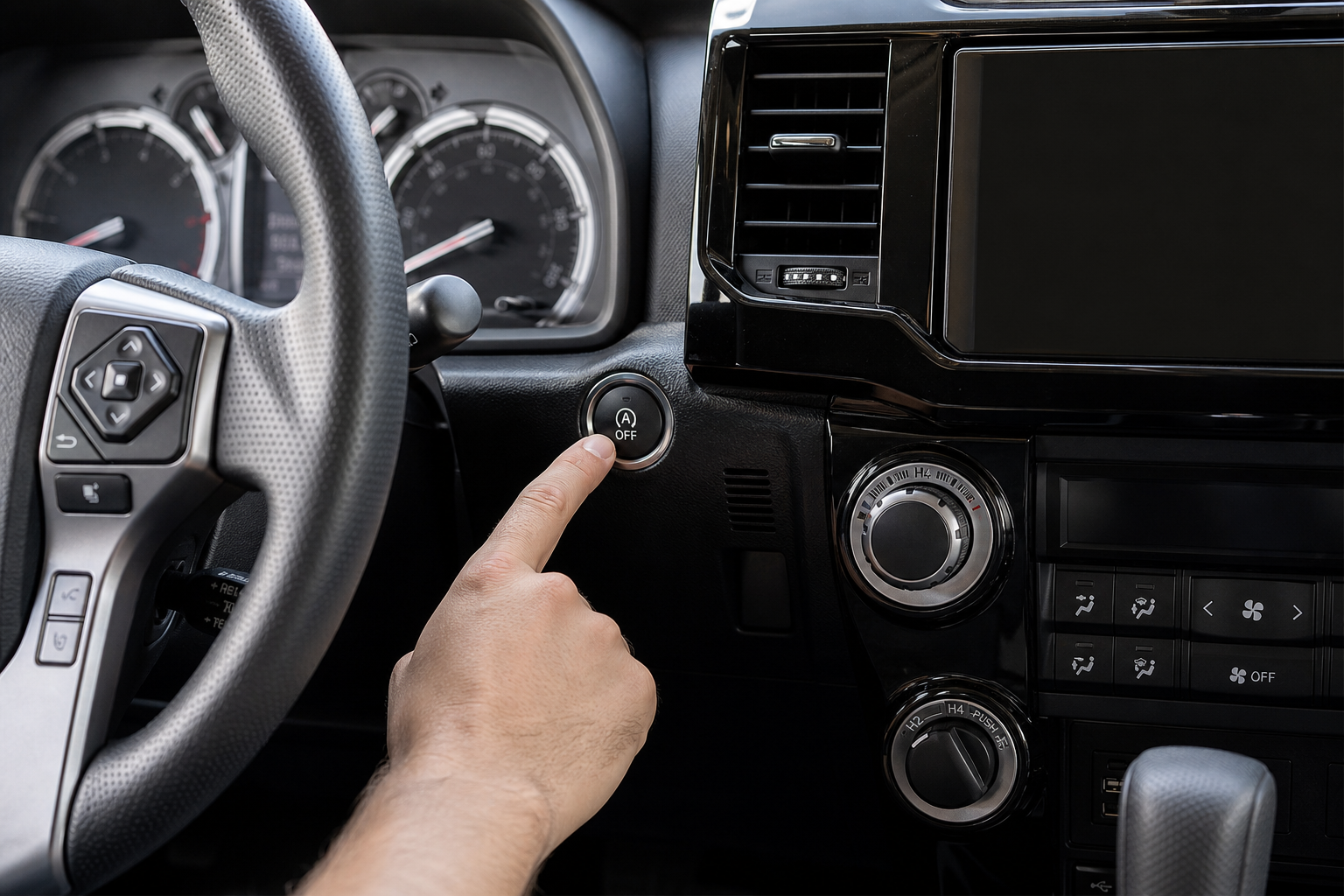
If you own a fifth-generation Toyota 4Runner (2020 and newer), you’ve probably already developed a reflex for hitting that A/OFF button every single time you start the truck. The auto start/stop system cuts the engine at red lights and stop signs to save fuel, but most 4Runner owners find it more annoying than helpful. The engine restart can feel rough, especially off-road or when you’re towing, and it adds unnecessary engine wear in the long run.
The Bottom Line
A plug-and-play module can make your Toyota 4Runner remember your preference to keep Auto Start/Stop off, so you don’t have to press the button every time you start the vehicle.
The bigger frustration isn’t the feature itself. It’s that every time you shut off the engine and restart it, the system resets to active. Press the button today, and you’ll be pressing it again tomorrow morning. This guide covers exactly how to disable it, why it keeps coming back, and how to make the change stick permanently without any trips to the dealer.
Which Toyota 4Runner Models Have Auto Start/Stop
The automatic engine start/stop system was introduced on the 4Runner with the 2020 model year refresh. If you’re driving a 2019 or older 4Runner, you won’t have this feature at all. The system appears across most 2020 and newer trim levels, including the SR5, TRD Off-Road, TRD Sport, Limited, and TRD Pro.
The 2024 and 2025 model years carry the same system forward. Toyota hasn’t removed it or added a way to disable it permanently through the factory settings menu. So regardless of which recent trim you own, you’re dealing with the same reset behavior every time you fire up the engine.
Using the Dashboard Button to Disable It (The Manual Method)
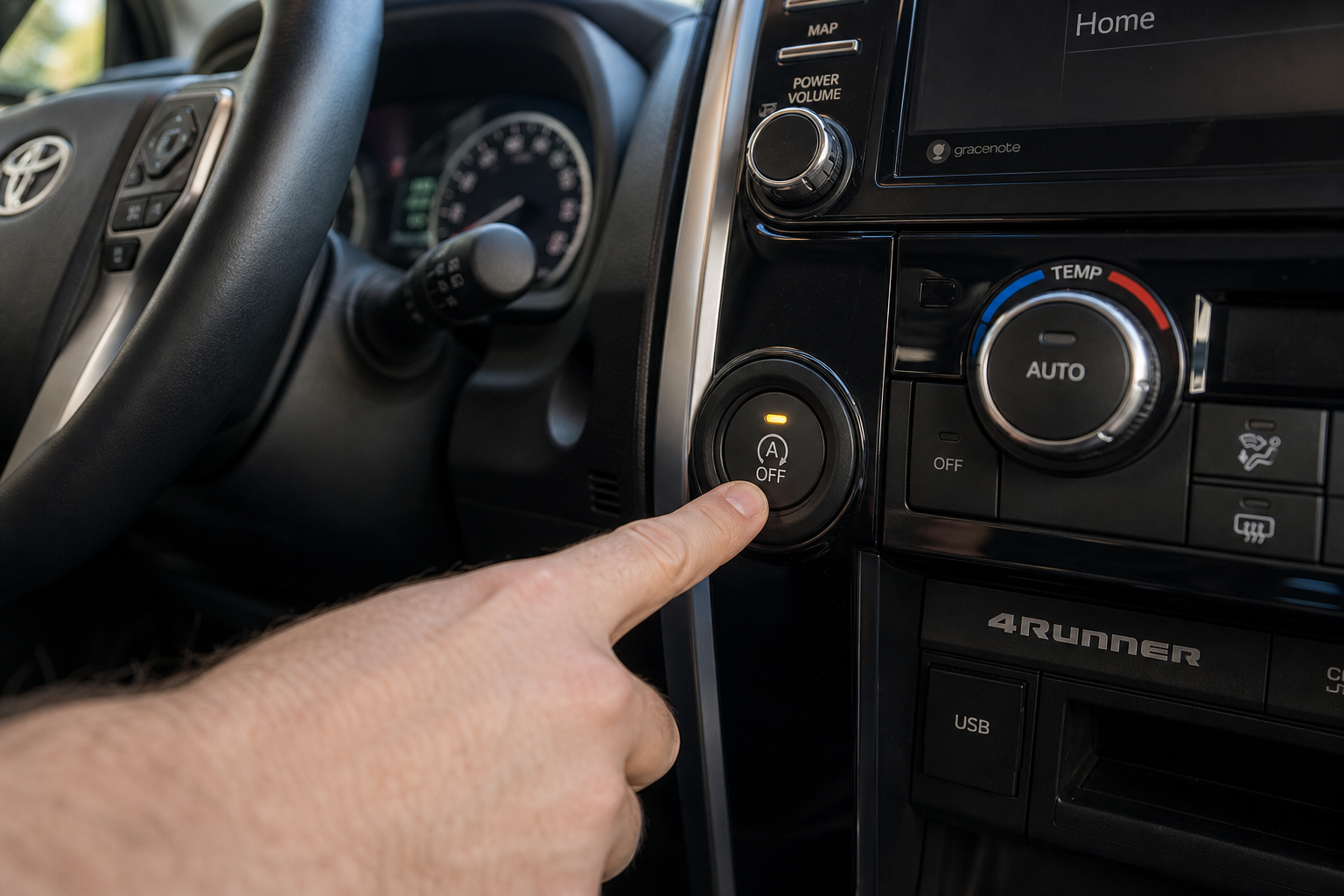
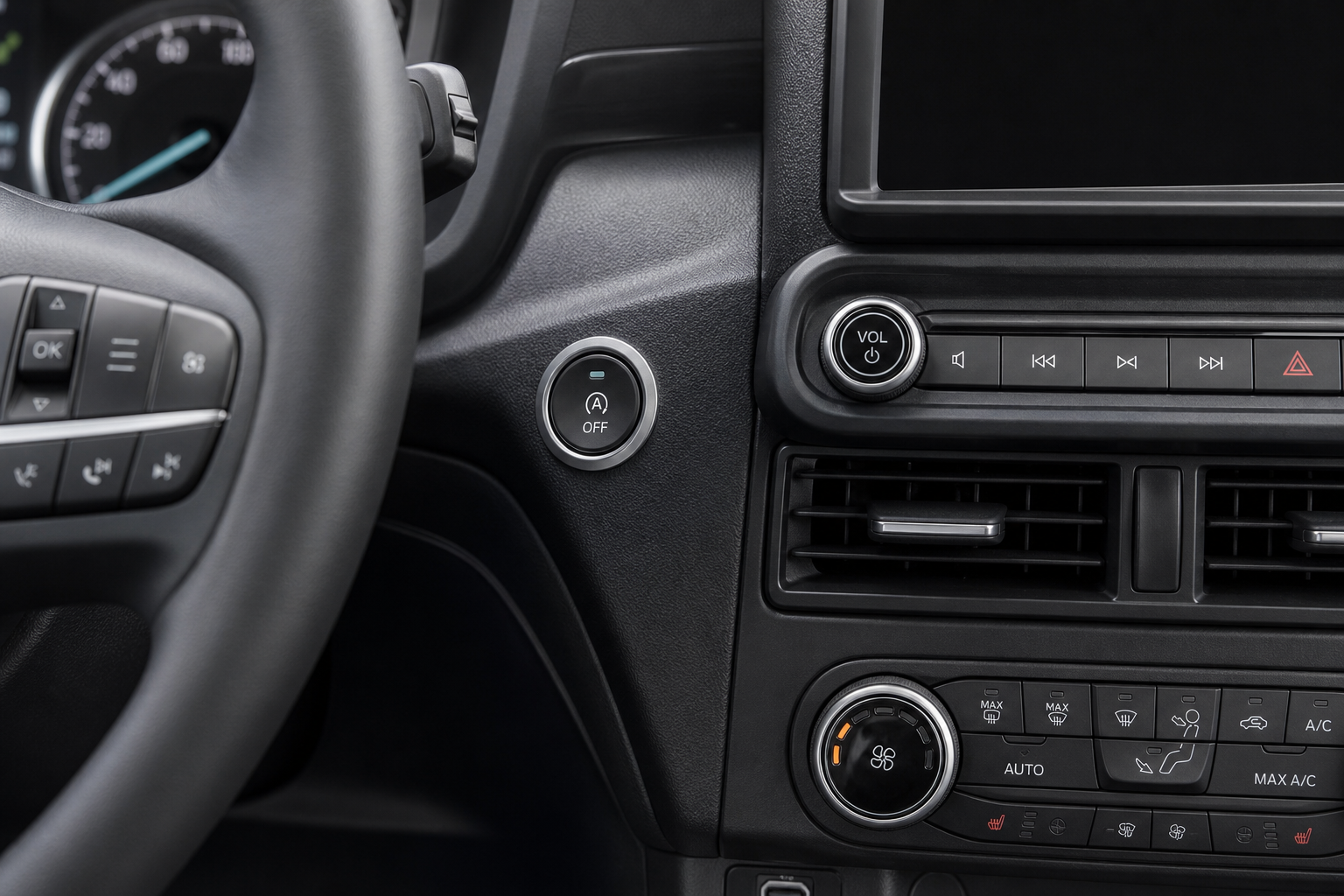
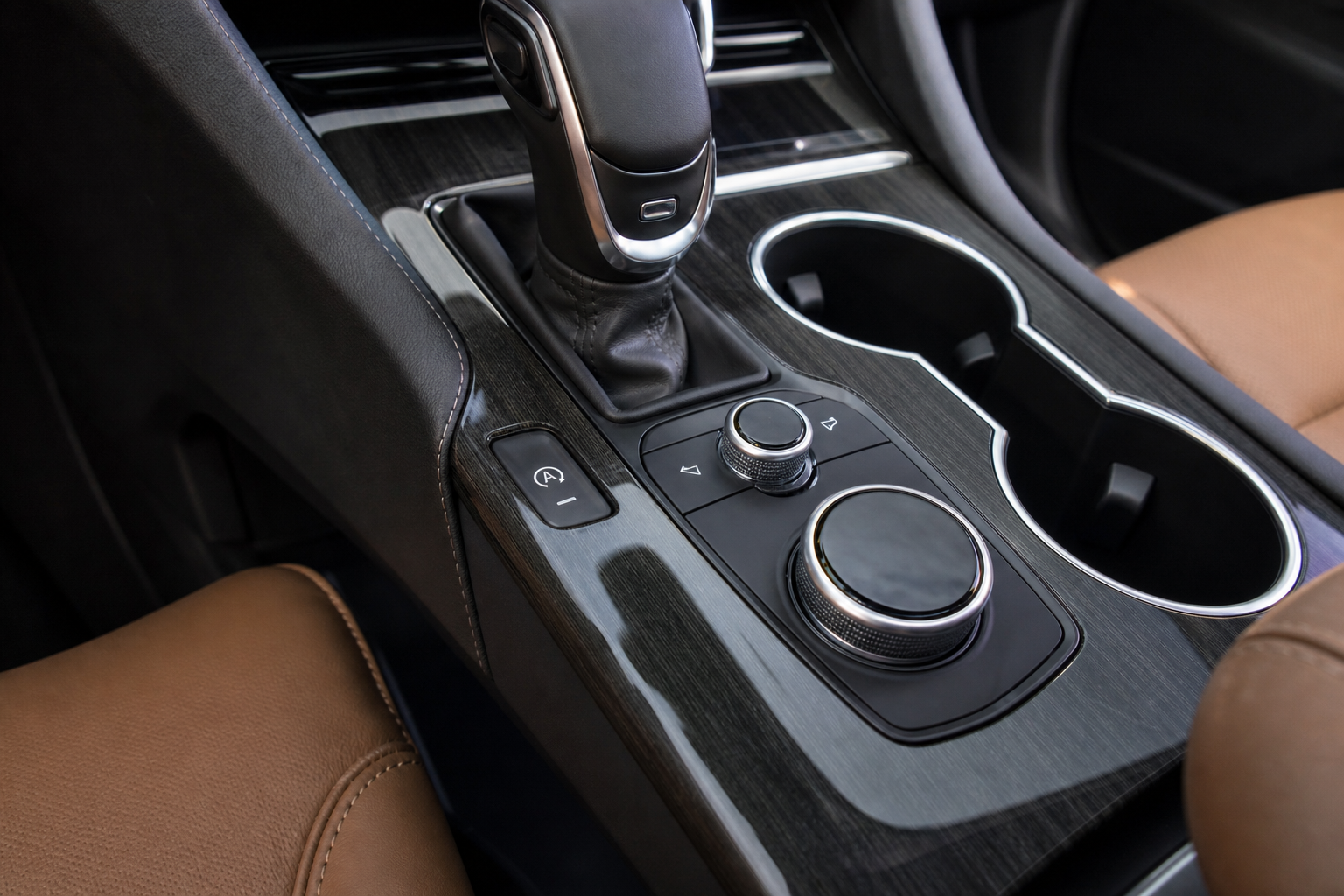
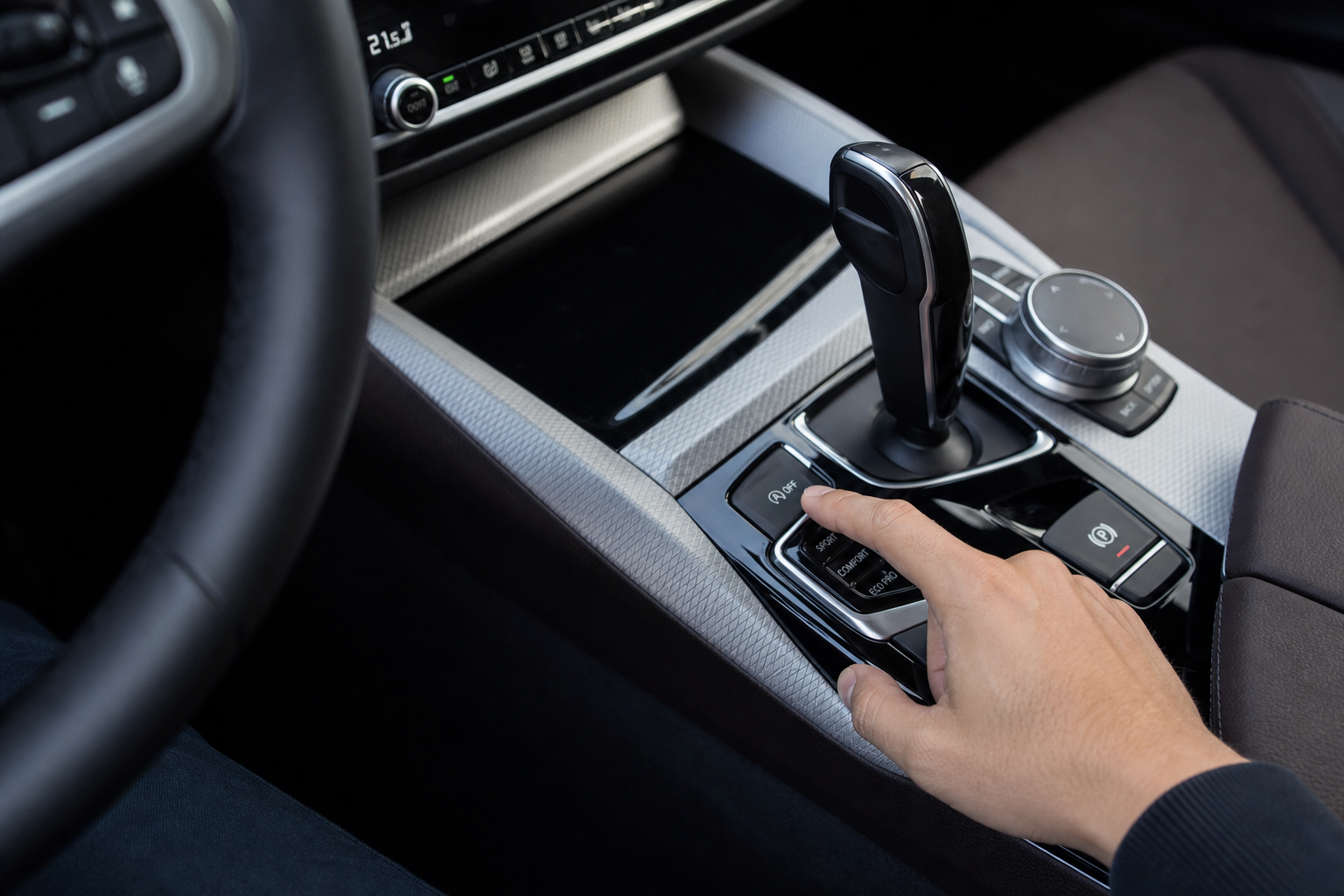
Toyota does include a physical button to turn off auto start/stop. It’s labeled with the letter A and a circular arrow, typically located near the climate controls or center console area depending on trim level. Press it once and a light illuminates to confirm the system is off for that drive.
Here’s where it gets annoying. That setting only lasts until you turn off the ignition. The next time you start the engine, auto start/stop comes back on automatically. Toyota designed it this way to meet certain fuel economy and emissions standards. There’s no factory setting, dealer option, or menu toggle to change this default behavior.
For some drivers, pressing the button daily is fine. But if you use your 4Runner off-road frequently, you already have enough to think about when you’re airing down tires and setting up your trail kit before a run. Adding “press the A/OFF button” to the mental checklist gets old fast.
Why the System Always Resets to On
This is a common frustration across many modern vehicles, not just Toyota. Automakers are required to meet EPA fuel economy targets, and auto start/stop contributes to those numbers during standardized testing cycles. Because of that, many manufacturers default the system to active every time the car starts.
It’s a similar situation to what you’ll find on other vehicles with driver assist systems. For example, if you’ve read about intersection collision avoidance on the Subaru Forester, you’ll notice that Toyota takes the same approach with start/stop: the feature is on by default, and user preference doesn’t carry over between drive cycles.
There is no software update or dealer reflash that will change this behavior on the 4Runner. Toyota locks the default state at the firmware level. The only reliable workaround is a hardware solution that cancels the system automatically each time you start the vehicle.
The Permanent Fix: A Start/Stop Eliminator Module
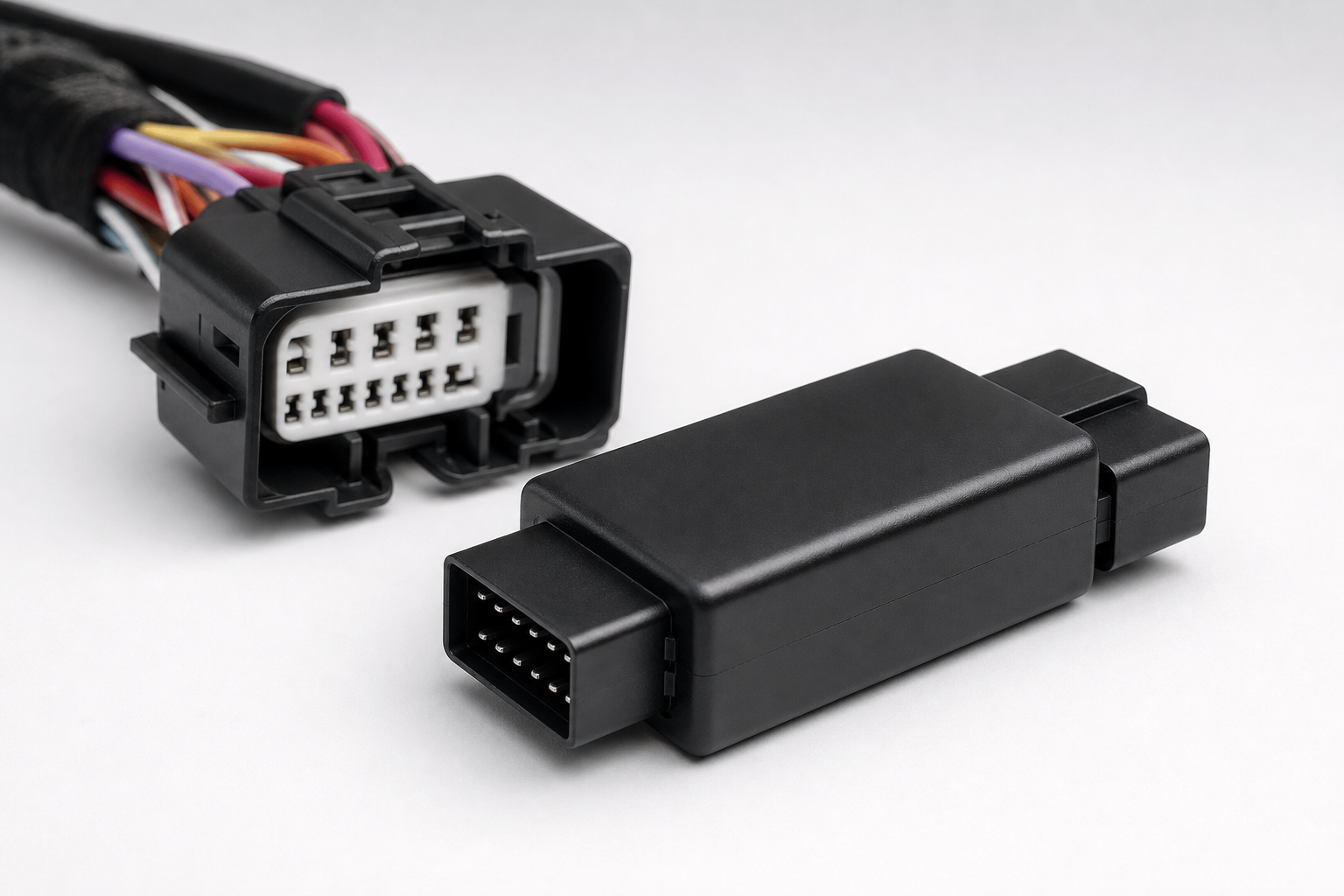
A start/stop eliminator is a small plug-and-play module that connects to your vehicle’s OBD2 port or to a specific connector under the hood or dash. When you start the engine, the module automatically sends the same signal as if you pressed the A/OFF button yourself. You never have to think about it again.
These modules don’t reprogram your ECU, don’t void your warranty (they’re passive devices that mimic a driver input), and take about five minutes to install. Most 4Runner owners install it once and forget it exists.

Toyota 4Runner Start Stop Eliminator
This plug-and-play module automatically cancels auto start/stop every time you start your 4Runner, so you never have to press the button again.
When shopping for one of these modules, make sure you’re buying one specifically listed as compatible with your 4Runner’s model year. The connector location and signal type can vary, and a generic module may not work correctly with Toyota’s system. Look for options that list 2020, 2021, 2022, 2023, 2024, or 2025 4Runner compatibility explicitly on the product listing.
Most quality eliminators connect directly to a dedicated connector near the start/stop button itself or to a harness under the dash. Installation typically involves no cutting, no splicing, and no tools beyond maybe a small trim panel removal tool. If you’ve ever done any basic maintenance or used a OBD2 scanner for DIY diagnosis, the skill level here is lower than that.
How to Install a Start/Stop Eliminator on the 4Runner
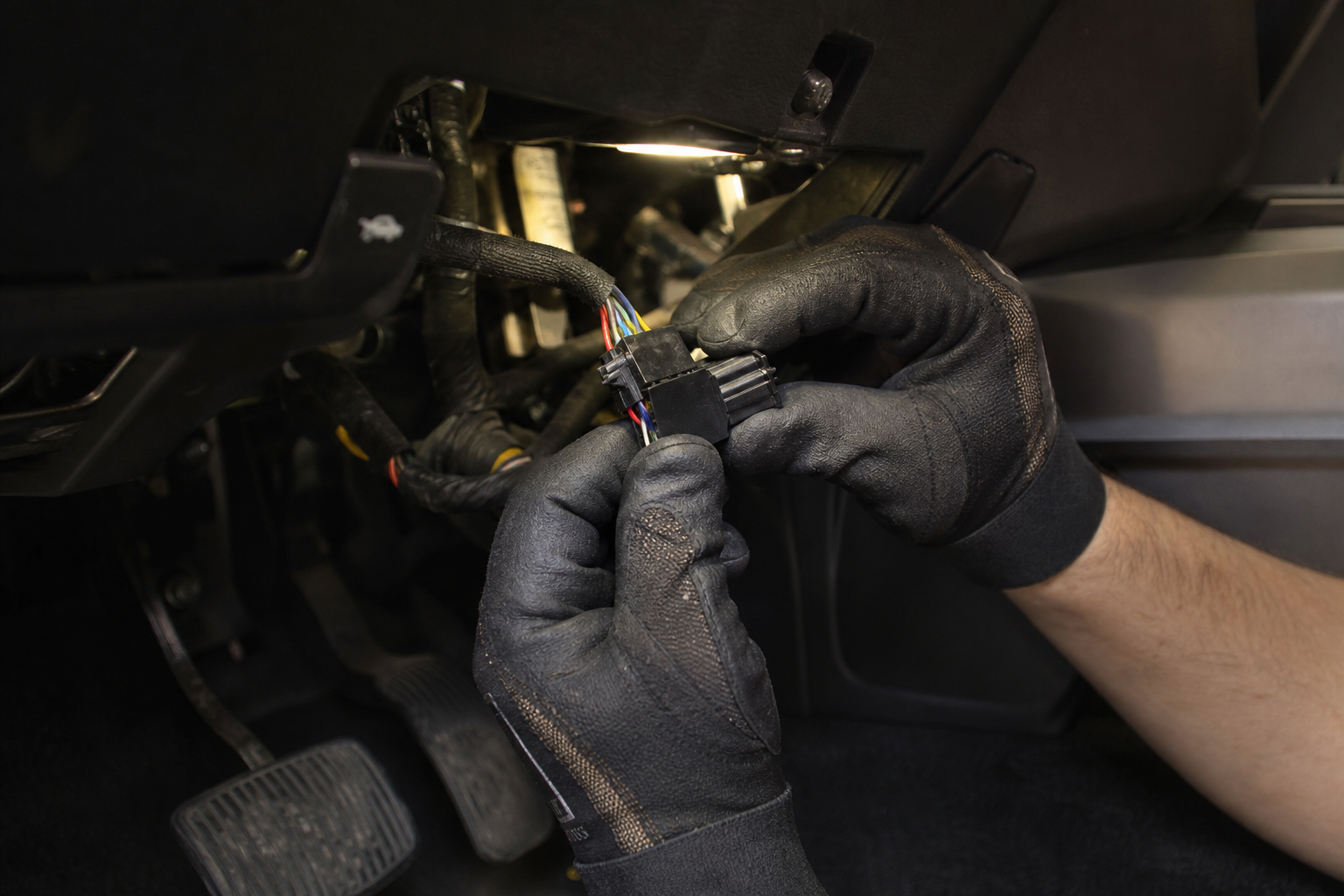
The exact steps vary slightly depending on which module you buy, but here’s the general process for most plug-and-play options designed for the 2020 and newer 4Runner:
- Turn off the vehicle and make sure the key is out of the ignition.
- Locate the A/OFF button panel on your center console or dash cluster area.
- Using a trim panel removal tool, gently pry out the button panel. It’s typically held by clips and not fasteners.
- Disconnect the factory harness connector from the back of the start/stop button.
- Plug the eliminator module inline between the harness and the button. Most use a pass-through design, so your original button remains functional.
- Tuck the module behind the panel and reinstall the trim piece.
- Start the vehicle and confirm the A/OFF indicator light comes on automatically.
The whole process takes less than 10 minutes for most people. If you run into any issues, the module you ordered should include instructions specific to the connector type used in your trim level. Some TRD Pro and Limited models have slightly different dash layouts, so double-check the connector location in your vehicle before you order.
While you’re doing small upgrades like this, it’s also worth thinking about other convenience mods for your 4Runner. If you’re also a Toyota Tundra owner or spending time comparing Toyota’s truck platform features, you might find the guide on using the power sliding rear window on the Tundra interesting for context on how Toyota implements convenience controls across its lineup.
Is It Safe to Disable Auto Start/Stop Permanently?
Yes. Disabling the system doesn’t affect any safety features, traction control, or stability systems. The 4Runner will behave exactly the same as it always has, just without the engine shutting off at every stoplight.
Some people actually argue that disabling start/stop is better for engine longevity. Cold start cycles put more wear on an engine than sustained operation, and repeated stop/start events add up over time. Whether or not that wear is significant is debated, but there’s no downside to keeping the engine running at idle.
You’ll see a very small decrease in official fuel economy numbers since the system does technically save fuel in city driving tests. In real-world driving, most owners don’t notice a measurable difference at the pump.
Frequently Asked Questions
Does disabling auto start/stop void the Toyota 4Runner warranty?
Using a plug-and-play eliminator module that connects to existing connectors without any cutting or ECU modification should not void your warranty. Under the Magnuson-Moss Warranty Act, a dealer would need to prove the device caused a specific failure to deny a warranty claim. Since these modules only replicate a driver input signal, they don’t alter vehicle programming. That said, always keep your receipts and documentation if you’re concerned.
Will the A/OFF button still work if I install an eliminator module?
Most quality eliminator modules use a pass-through design, so your original start/stop button remains fully functional. The module just sends the off signal automatically at startup. You can still press the button manually if you ever want to re-enable the system temporarily, for example during a warranty service appointment.
Does the 4Runner TRD Pro have auto start/stop too?
Yes. The TRD Pro is not exempt from the auto start/stop system. All 2020 and newer 4Runner trims, including the TRD Pro, came with the feature as standard. This surprises some buyers who expect the off-road flagship trim to skip the fuel-saving system, but it does not. The eliminator module solution works the same way regardless of trim level.
This article contains affiliate links. We may earn a small commission at no extra cost to you.

Leave a Reply