
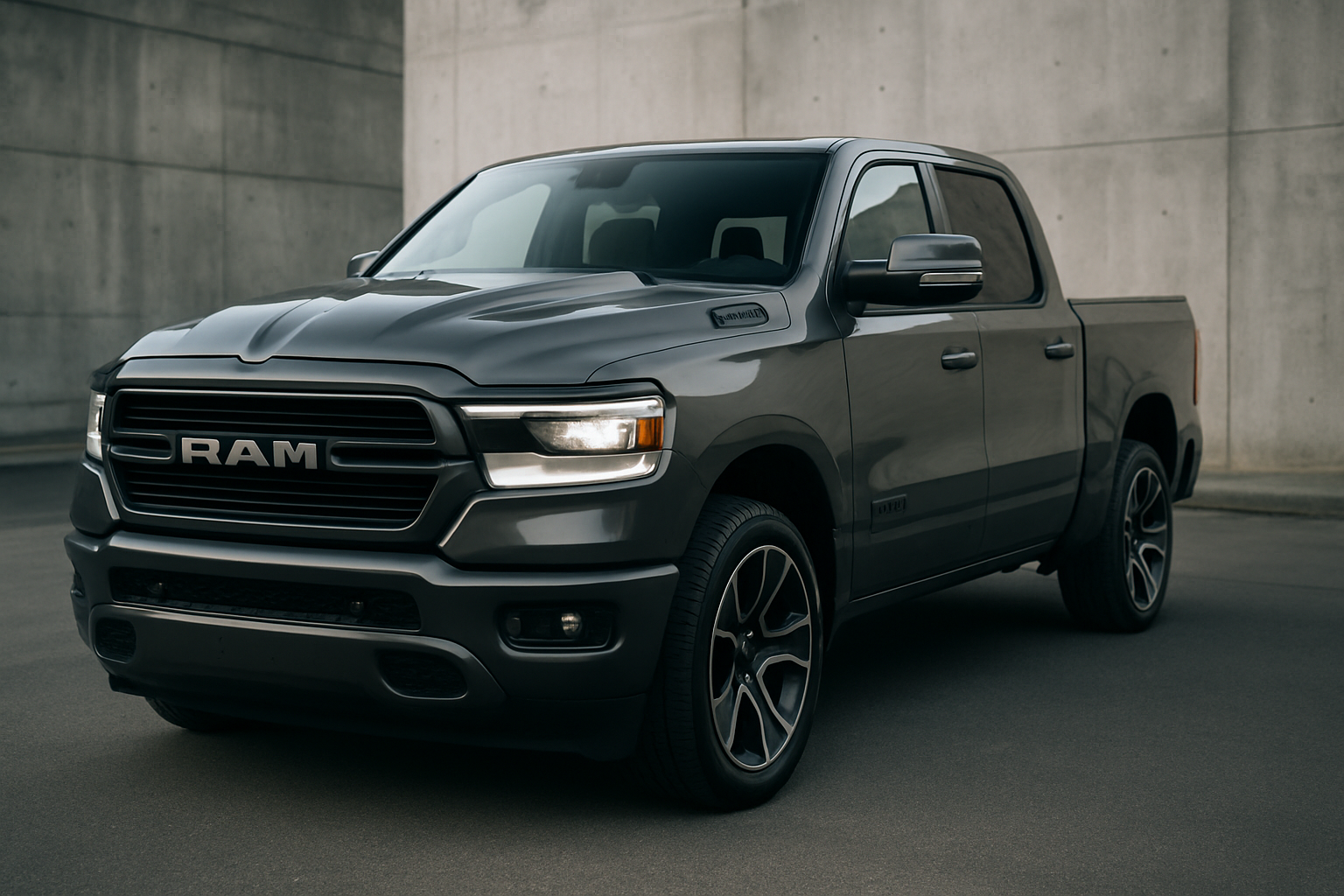
The auto start/stop system in modern RAM 1500 trucks shuts off your engine at red lights and restarts when you lift your foot off the brake. While designed to save fuel, many drivers find the constant stopping and starting irritating, especially in heavy traffic. This system can also wear on the starter motor and create uncomfortable cabin temperature changes during hot summer months.
The Bottom Line
A plug-and-play module can make your Ram 1500 remember your preference to keep Auto Start/Stop off, so you don’t have to press the button every time you start the truck.
Understanding the Stellantis ESS System in Your RAM 1500
The 2019-2026 RAM 1500 uses Stellantis’s Engine Start Stop (ESS) technology, which automatically shuts down the engine when you come to a complete stop with your foot on the brake. The system monitors various sensors including brake pedal position, battery voltage, engine temperature, and cabin climate demands.
When conditions are right, the engine stops running to save fuel. As soon as you lift your foot off the brake pedal, the engine immediately restarts. The system won’t engage if your engine isn’t warmed up, the battery is low, or the air conditioning is working hard.
Many RAM owners find this system more intrusive than helpful. The engine vibration during restart, slight delay in acceleration, and frequent cycling can make city driving less pleasant than it should be.
The Temporary Fix: Dashboard Button Method
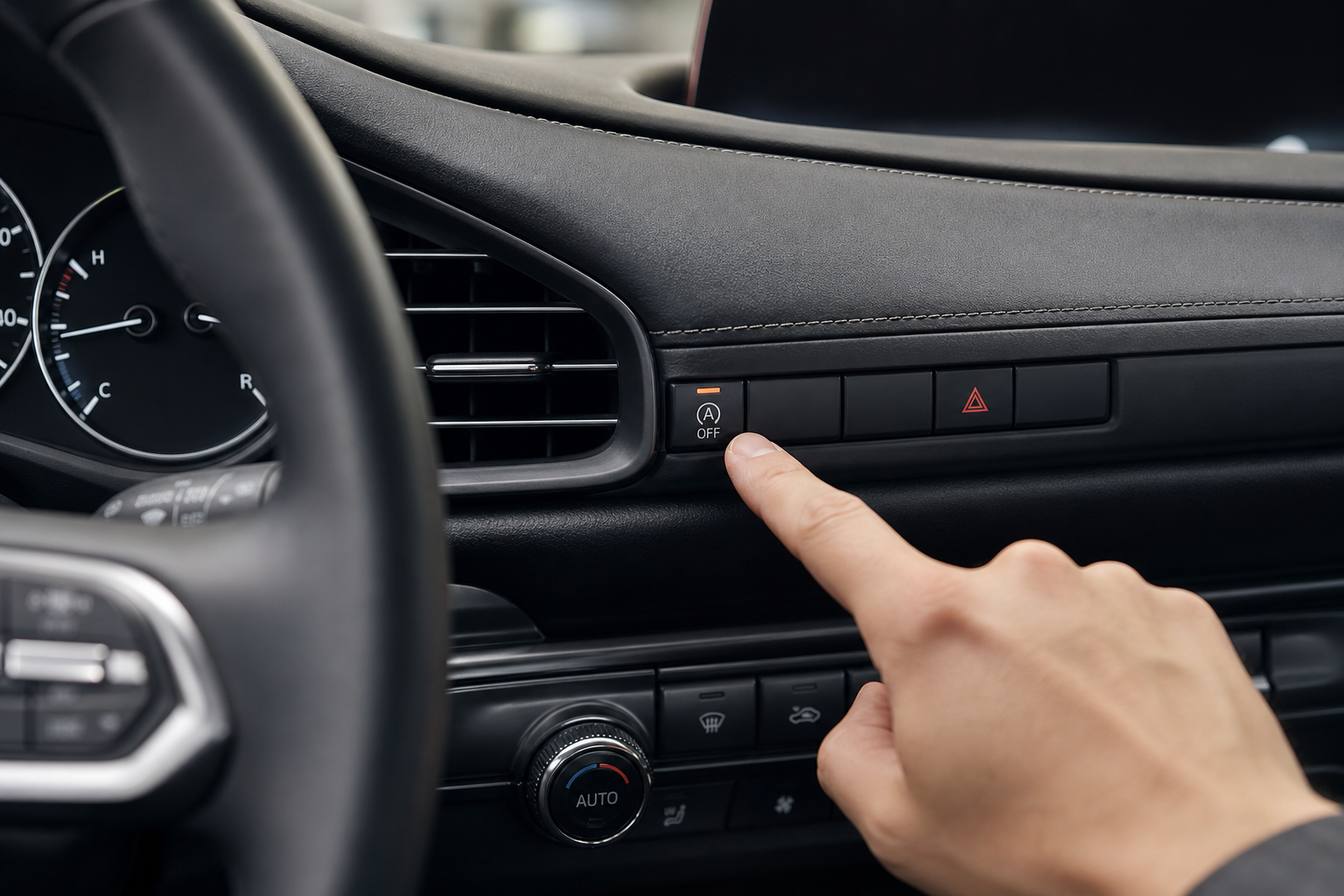
Your RAM 1500 has a manual override button for the auto start/stop system. You’ll find this button on the center console near the electronic parking brake switch. The button features an “A” with a circular arrow around it.
Press this button once after starting your truck, and you’ll see the system disable indicator light up on your dashboard. The engine will no longer shut off at stops during that drive cycle. However, this is only a temporary solution.
The ESS system reactivates every single time you start your truck. This means you’ll need to press that button every time you get in and drive, which gets old fast when you’re doing it multiple times per day.
Why the Manual Override Gets Frustrating
The temporary nature of the manual override creates a daily annoyance. You might forget to disable it and get surprised by the engine shutting off at the first red light. Or you remember halfway through your drive and have to fumble for the button while stopped in traffic.
This reset behavior is intentional from the manufacturer’s perspective. Federal fuel economy regulations encourage automakers to keep these systems active by default. They want drivers to experience the fuel-saving benefits, even if some find the system bothersome.
For drivers who consistently prefer the system off, a permanent solution makes much more sense than the daily button routine.
Permanent Solutions: Aftermarket Devices and Software
Several aftermarket options can permanently disable the auto start/stop system in your RAM 1500. These range from simple plug-and-play devices to more advanced programming tools that modify the truck’s software.
Plug-and-Play Eliminator Devices
The simplest solution involves small electronic devices that trick the system into thinking you’ve manually disabled start/stop. The most popular option for RAM trucks is the Autostop Eliminator, which makes a device specifically designed to install behind the dashboard switch.
These devices intercept the signal between your manual override button and the engine control module. When installed, the system thinks you’ve pressed the disable button every time you start the truck.
OBD2 port eliminators also exist, but the behind-switch devices are generally preferred for RAM trucks because they don’t occupy your diagnostic port and provide a cleaner installation.
Software Programming Options
More technically inclined owners can use programming tools like Tazer or AlfaOBD to modify the truck’s software directly. These tools connect to your truck’s diagnostic port and allow you to change various settings in the engine control module.
The Tazer is particularly popular among RAM and Jeep owners because it can modify multiple vehicle settings beyond just the start/stop system. AlfaOBD is a software application that works with specific OBD2 adapters to access and modify Stellantis vehicle parameters.
Software modification provides the most permanent solution since you’re actually changing how the system behaves rather than tricking it with an additional device.
Installation Overview: Behind-Switch Eliminator
Installing a behind-switch eliminator device requires removing the center console trim panel to access the wiring behind your start/stop button. The process takes about 30 minutes and requires basic hand tools.
You’ll need to disconnect your truck’s battery before starting. Remove the trim panel around the start/stop switch by carefully prying up the edges with a trim removal tool or flat screwdriver wrapped in tape.
The eliminator device has a small wiring harness that connects inline with the existing switch wiring. You’ll unplug the original connector and plug it into the eliminator device, then connect the device’s output connector back to the switch.
After reconnecting the battery and reassembling the trim panel, the system should automatically default to disabled every time you start the truck. The manual button will still work if you ever want to re-enable start/stop temporarily.
Recommended Auto Start/Stop Eliminators
Several manufacturers make quality auto start/stop eliminator devices for the RAM 1500. The Autostop Eliminator brand offers the most RAM-specific option with their behind-switch device designed specifically for Stellantis vehicles.
When choosing an eliminator device, look for options that specifically mention compatibility with 2019-2026 RAM 1500 trucks. Generic OBD2 port devices may work but often don’t provide the clean installation that behind-switch devices offer.
Consider devices that maintain the functionality of your manual override button. This allows you to temporarily re-enable the system if needed without removing the eliminator device.
Important Considerations Before Disabling
Disabling your auto start/stop system won’t void your warranty, but it may affect your fuel economy numbers. The EPA rating for your truck assumes the system is active, so you might see slightly lower real-world fuel economy.
Some states have emissions testing that could theoretically be affected by start/stop modifications, though this is rarely enforced for this type of change. Check your local regulations if you’re concerned about emissions compliance.
When it comes time to sell or trade your truck, you can easily remove most eliminator devices and return the system to stock operation. Software modifications through tools like Tazer can also be reversed if needed.
The system does provide some fuel savings in heavy stop-and-go traffic, typically 2-5% improvement in city driving. Weigh this against your comfort preferences when deciding whether to disable it permanently.
Frequently Asked Questions
Will disabling auto start/stop hurt my engine?
Disabling the system won’t harm your engine. The start/stop feature is designed for fuel economy, not engine longevity. Many mechanics believe reducing the number of start cycles actually decreases wear on your starter motor and engine components.
Can I still use the manual button with an eliminator installed?
Most quality eliminator devices maintain the manual button functionality. You can still press the button to temporarily re-enable auto start/stop if desired. The eliminator simply changes the default state to disabled instead of enabled.
Is the installation reversible?
Yes, eliminator devices can be completely removed to return your truck to stock operation. Behind-switch devices simply unplug from the wiring harness, while software modifications can be reversed using the same programming tools used to install them.
Will this affect my fuel economy significantly?
The impact on fuel economy depends on your driving style. City driving with frequent stops might see a 2-5% decrease in fuel efficiency. Highway driving shows minimal difference since the start/stop system rarely activates at highway speeds anyway.
This article contains affiliate links. If you purchase through these links, we may earn a small commission at no extra cost to you.

Leave a Reply