
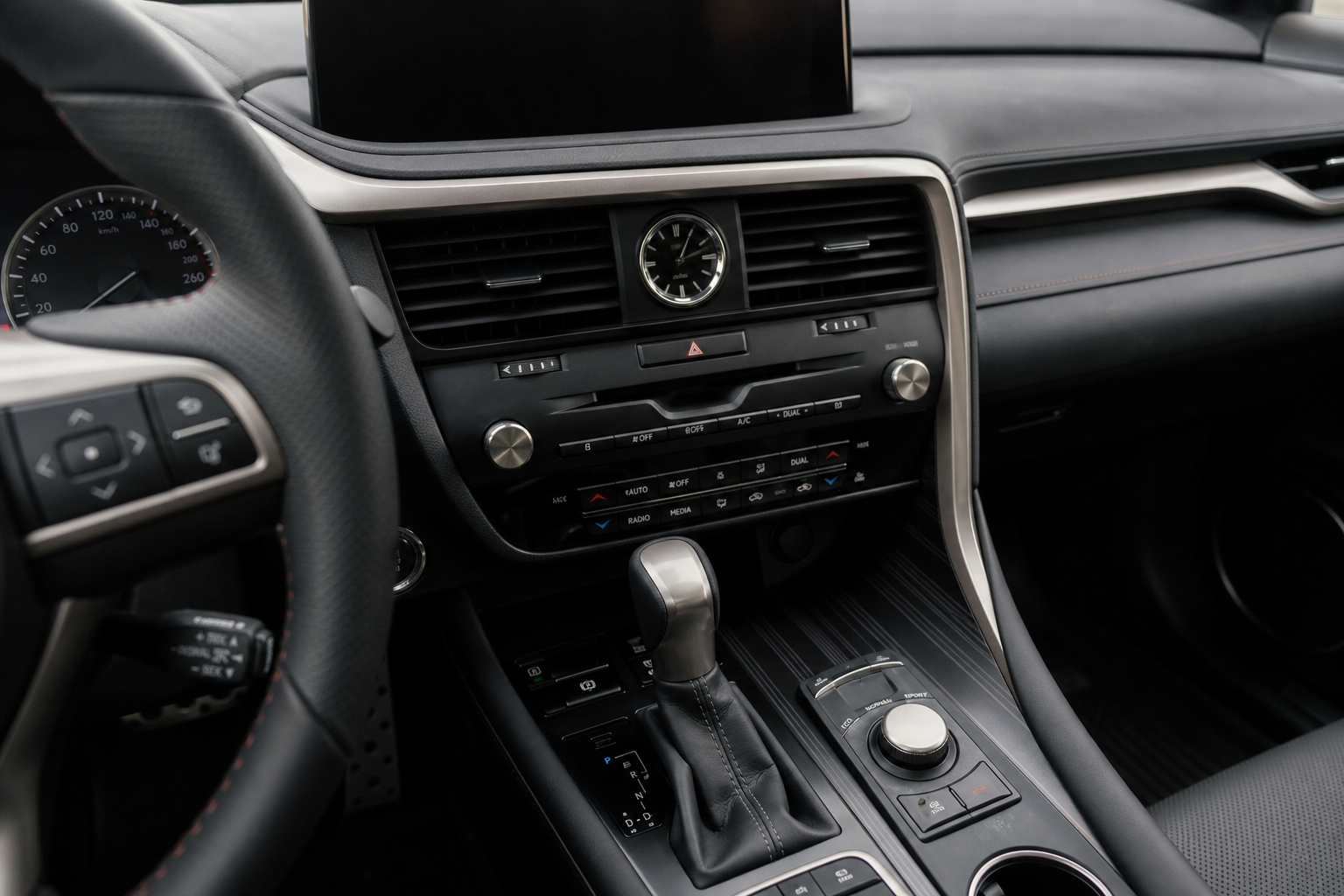
If you own a Lexus RX from 2020 onward, you already know the routine. You start the engine, pull out of your driveway, and before you’ve gone two blocks, the engine shudders to a stop at a red light. You tap the gas, it restarts, and the cycle repeats for the entire drive. Lexus designed the auto start/stop system to improve fuel economy, and on paper it makes sense. In practice, many owners find it more annoying than helpful, especially in stop-and-go traffic where the constant shutting off and restarting makes the car feel jerky and unresponsive.
The Bottom Line
A plug-and-play module can make your Lexus RX remember your preference to keep Auto Start/Stop off, so you don’t have to press the button every time you start the vehicle.
There are two ways to deal with this. You can press the A/OFF button every single time you start the car, or you can set it up once and forget it. This guide covers both options, explains why the factory button doesn’t actually solve the problem permanently, and walks you through the plug-and-play module that does.
Understanding the Lexus RX Auto Start/Stop System
The auto start/stop feature is part of Lexus’s fuel efficiency strategy and has been standard on the RX since the fourth-generation refresh. It’s present on the RX 350, RX 350L, RX 450h, RX 500h, and the newer RX 350h models. On hybrid variants like the 450h and 350h, the system works a bit differently because the electric motor can carry more of the load during stops, but it’s still there and still resets every time you cycle the ignition.
The system activates automatically whenever the car detects conditions are right: engine at operating temperature, battery charged, climate control not working too hard. When you come to a complete stop with your foot on the brake, the engine cuts off. Lift your foot or press the accelerator, and it restarts. On most drives you’ll experience this dozens of times.
Using the Factory A/OFF Button (and Why It Resets)
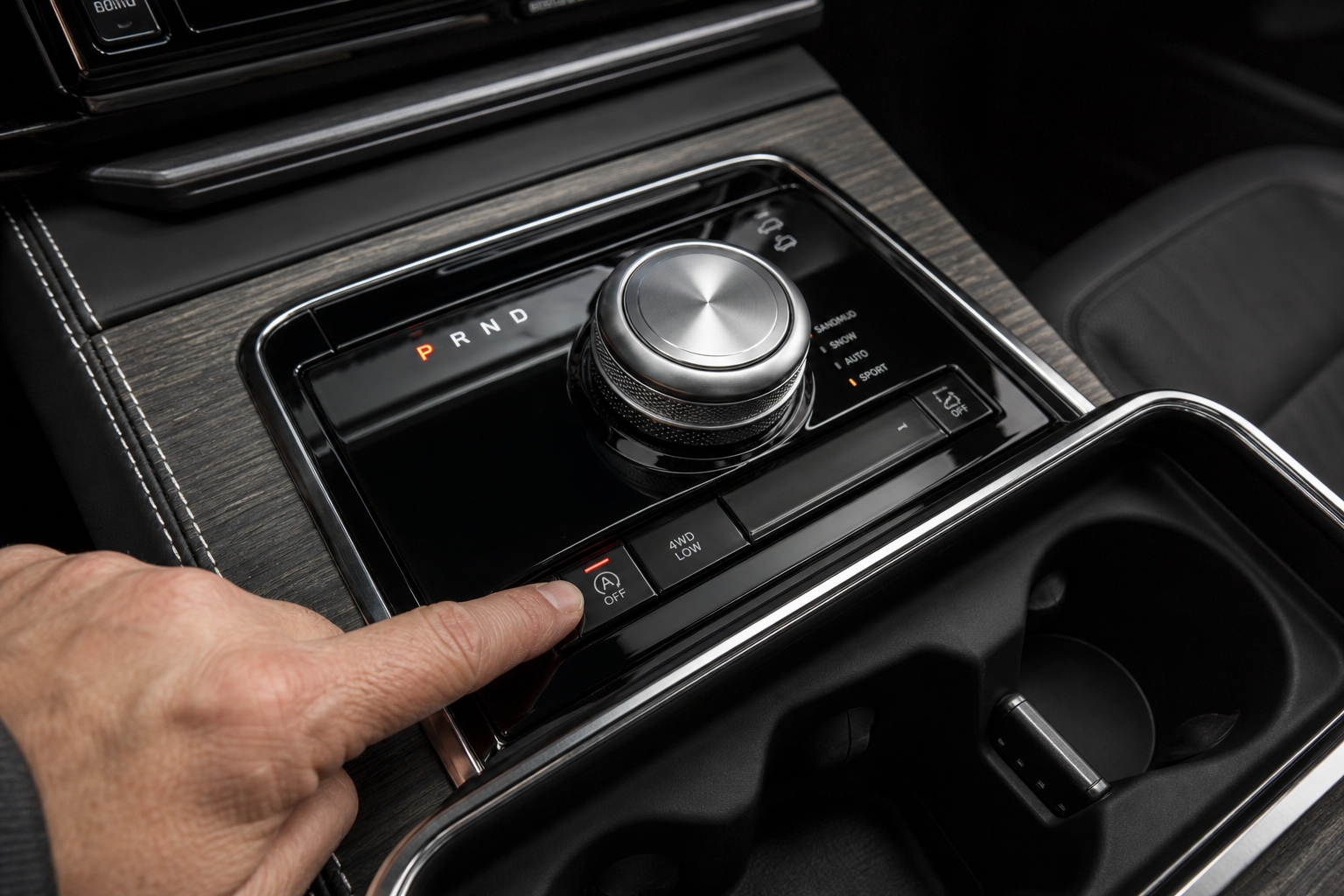
Every Lexus RX with this system has a dedicated button on the center console, usually labeled A/OFF with a small circular arrow icon. Pressing it once disables auto start/stop for that drive. You’ll see an indicator light or a small notification in the instrument cluster confirming it’s off.
Here’s the frustrating part that Lexus doesn’t advertise clearly: this setting does not save. Every time you turn off the ignition and restart the car, the system defaults back to on. It doesn’t matter if you pressed the button 30 seconds before shutting down. Next start, it’s back to auto-off mode.
Lexus, like most manufacturers, built it this way intentionally. The logic is that the fuel economy numbers on the window sticker are calculated with start/stop active, and having it default to on keeps those numbers accurate. From an owner’s perspective, it just means pressing that button every single morning for the life of the vehicle unless you do something more permanent.
Step-by-Step: Disabling Auto Start/Stop with the Factory Button
- Start the engine and let it run for a few seconds.
- Look for the A/OFF button on your center console, typically near the drive mode selector or the gear selector area.
- Press the button once. The indicator light on the button will illuminate, and a message may appear in the multi-information display confirming the system is disabled.
- Drive normally. The engine will no longer shut off at stops for this session.
- Repeat every time you start the car.
If you’re also dealing with other electrical quirks on your RX, it might be worth running a quick scan with one of the best OBD2 scanners for DIY auto repair to rule out anything else throwing codes behind the scenes.
The Permanent Fix: A Start/Stop Eliminator Module
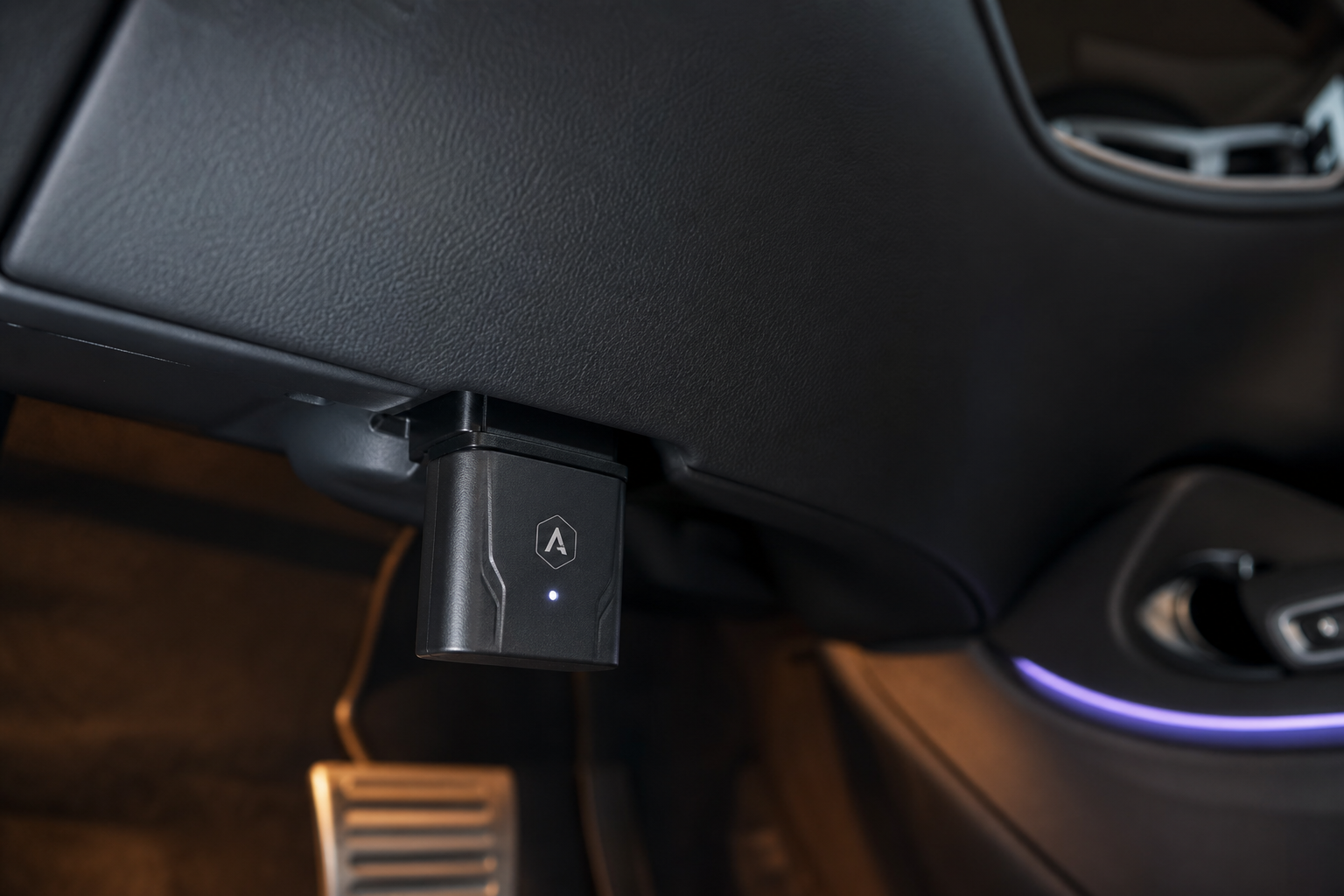
If pressing that button every morning for the next ten years sounds unappealing, a start/stop eliminator module is the answer. These are small plug-and-play devices that tap into the car’s OBD2 port or connect inline with the vehicle’s wiring to automatically press that virtual A/OFF button the moment the car starts. From the car’s perspective, you just pressed the button yourself. No coding, no permanent modification, no warranty concerns in most cases.
The modules designed specifically for the Lexus RX are programmed for Toyota and Lexus CAN bus protocols. They don’t disable any safety features, don’t affect the transmission or braking systems, and don’t trip any warning lights. They simply simulate the button press within the first few seconds of engine startup, before you’ve even buckled your seatbelt.

Lexus RX Start Stop Eliminator
A plug-and-play module that automatically disables auto start/stop every time you start your Lexus RX, so you never have to press the button again.
Installation takes about five minutes and requires no tools. The module plugs directly into the OBD2 port under the dashboard on the driver’s side, or connects to a specific connector in the center console depending on the model. You don’t need to remove any panels or run any wires. Once it’s in, it works silently on every drive without any interaction from you.
Which Lexus RX Models Are Compatible
Compatibility varies by generation and trim. Here’s a quick breakdown:
- 2020-2022 Lexus RX 350 and RX 350L: Compatible with most plug-and-play eliminators designed for the fourth-gen RX platform.
- 2020-2022 Lexus RX 450h: Also compatible, though some modules will specifically note hybrid compatibility. Double-check before purchasing.
- 2023-2025 Lexus RX 350 (fifth generation): The fifth-gen RX is a completely redesigned platform. Make sure any module you buy explicitly lists fifth-gen compatibility. Not all first-gen eliminators work on the new architecture.
- 2023-2025 Lexus RX 350h and RX 500h: Same caution applies. Hybrid-specific variants may need a module that accounts for the hybrid power management system.
Always check the product listing for your specific model year before ordering. A reputable seller will list compatible vehicle makes, models, and years in the product description.
Installation Guide for the OBD2-Type Eliminator
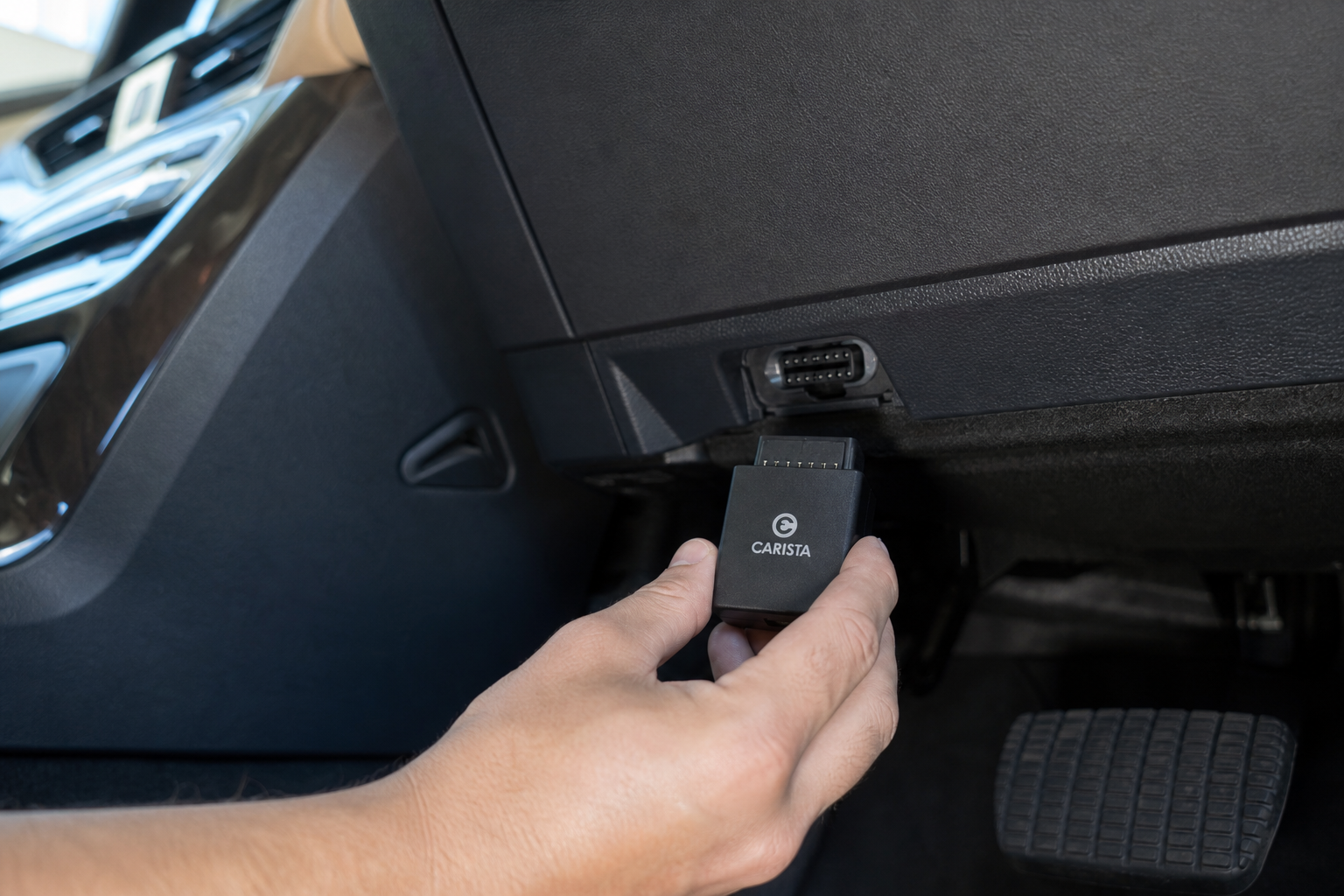
Most Lexus RX start/stop eliminators use the OBD2 port because it’s the simplest connection point and requires no vehicle disassembly.
- Turn off the ignition and remove the key or press the start button to the off position.
- Locate the OBD2 port under the driver’s side dashboard, usually near the steering column or just above the kick panel.
- Plug the eliminator module into the OBD2 port. It should click firmly into place.
- Tuck any excess cable out of the way so it doesn’t interfere with the pedals.
- Start the engine. Within a few seconds, you should see the A/OFF indicator illuminate on the center console, confirming the system has been disabled for this session.
- Repeat the test on the next cold start to confirm it’s working automatically.
If you ever want to remove the module and go back to factory behavior, just unplug it. The car returns to its default start/stop-on setting immediately. There’s nothing to reset or reconfigure.
If you’ve had other experiences dealing with annoying or unexpected vehicle behaviors, like the Acura MDX vibration at idle in drive, you’ll know how much difference small fixes can make to how a car feels every day.
Does Disabling Auto Start/Stop Affect Fuel Economy?
The honest answer is yes, slightly. Tests on similar systems have shown a real-world fuel economy drop of roughly 0.1 to 0.5 MPG when auto start/stop is disabled, depending on how much stop-and-go driving you do. In heavy urban traffic, the effect is more noticeable. On highway driving, it makes almost no difference because the system rarely activates at speed.
For most drivers, that tradeoff is completely acceptable. You’re not going to notice the difference at the pump in any meaningful way. If you’re doing high-mileage urban commuting and squeezing every drop of fuel efficiency you can, it’s worth factoring in. But for typical suburban and highway use, the impact is minimal.
If you’re interested in other ways to keep your Lexus running well, our guide on updating your Lexus navigation system is a good next read, especially if you’re dealing with out-of-date maps or infotainment quirks alongside this fix.

Auto Start Stop Eliminator for Toyota Lexus
Works across multiple Toyota and Lexus platforms including the RX, making it a solid choice if you own more than one vehicle in the family.
Frequently Asked Questions
Will using a start/stop eliminator void my Lexus warranty?
In most cases, no. The Magnuson-Moss Warranty Act generally protects consumers from having warranties voided simply for using aftermarket accessories, as long as the accessory didn’t cause the specific problem being claimed. A passive module that simulates a button press is unlikely to give a dealer any grounds to deny a warranty claim on an unrelated issue. That said, it’s not a bad idea to remove the module before bringing the car in for warranty service, just to keep things simple.
My A/OFF button isn’t working at all. Is something wrong?
Sometimes the auto start/stop system won’t allow itself to be disabled if certain conditions aren’t met. If the engine hasn’t fully warmed up, if the battery is low, or if the climate control is working hard on a very hot or cold day, the system may override your button press and stay active. If the button genuinely doesn’t light up or respond under normal conditions, a diagnostic scan can tell you if there’s a fault code stored in the body control module.
Does this work on the Lexus RX 450h hybrid?
Yes, but you need to make sure the module you buy is listed as compatible with the RX 450h specifically. Hybrid models manage engine stop/start differently because the electric motor plays a larger role, and some eliminators designed purely for non-hybrid applications won’t function correctly or may not communicate with the hybrid system’s CAN bus properly. Stick with modules that explicitly name the 450h or list Toyota hybrid platforms in their compatibility notes.
Final Thoughts
Pressing that A/OFF button every single day is a minor annoyance that adds up fast. A plug-and-play Lexus RX start/stop eliminator is one of the simplest fixes you can make to your daily driving experience. Installation takes minutes, it’s fully reversible, and it works silently every time you start the car without any input from you. If you’ve been tolerating the constant engine cycling since you bought the car, this is the fix you’ve been looking for.
While you’re making small quality-of-life upgrades, it’s also a good time to check your dashboard for any other minor issues. If you’ve noticed surface damage to the

Leave a Reply