
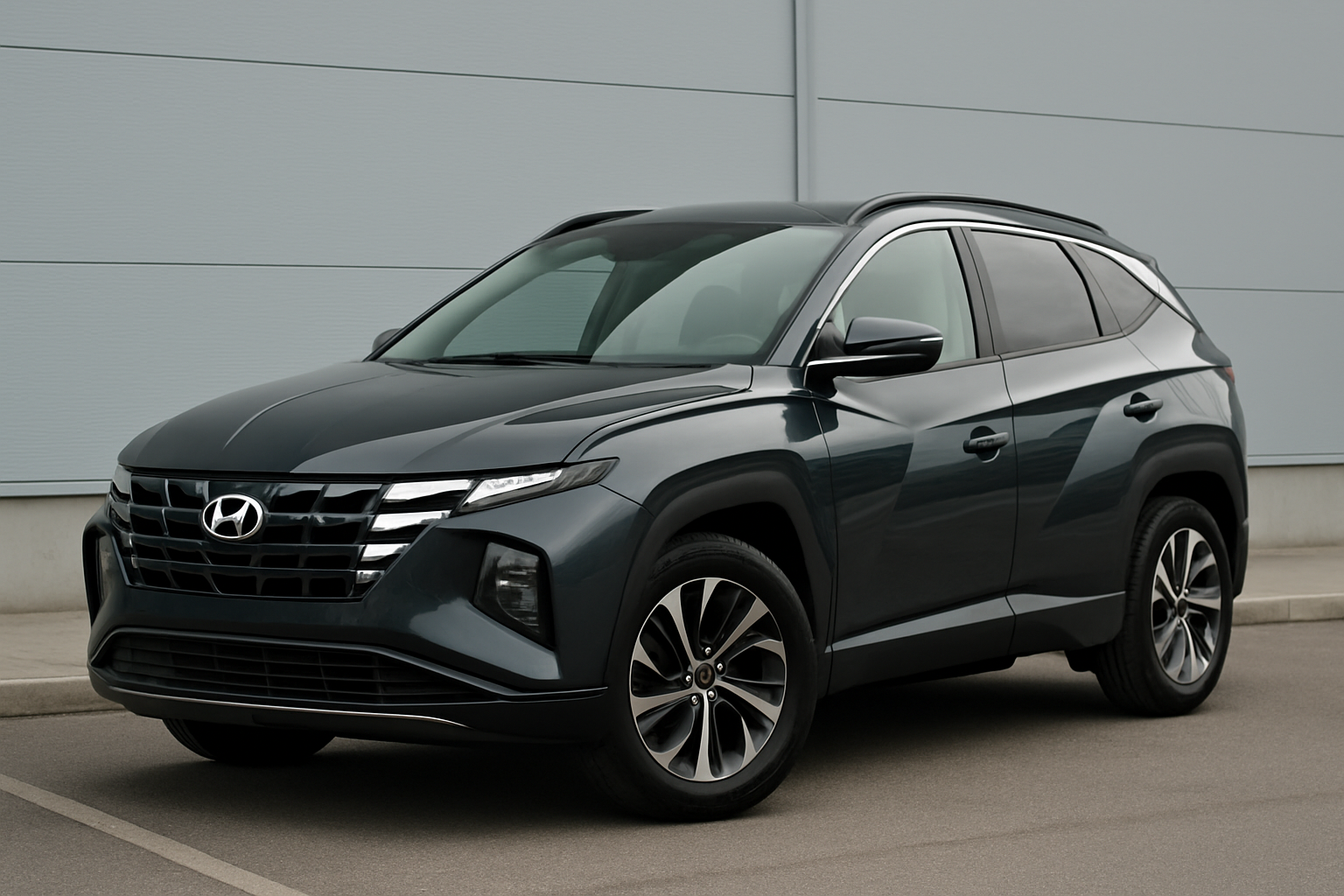
Many Hyundai Tucson owners find the auto start/stop system intrusive, especially during city driving or extended idling periods. While the feature aims to improve fuel economy, it can feel jarring and create unnecessary wear on the starter motor over time.
Understanding Hyundai’s ISG System
The 2022-2026 Hyundai Tucson uses Hyundai’s Intelligent Stop & Go (ISG) system. This technology automatically shuts off the engine when you come to a complete stop, then restarts it when you lift your foot off the brake pedal.
While the system works as designed, many drivers report finding it annoying during stop-and-go traffic, drive-throughs, or parking situations. The brief delay between releasing the brake and engine restart can feel sluggish, particularly when you need immediate acceleration.
The ISG system in the Tucson is more aggressive than some competitors, engaging frequently in city driving conditions. This makes it a prime candidate for elimination among owners who prioritize driving smoothness over the modest fuel savings.
The Temporary Solution: Dashboard Button Method
Every 2022-2026 Hyundai Tucson comes with a manual override button for the ISG system. You’ll find this button on the center console, typically near the electronic parking brake controls. The button features a circular arrow icon with an “A” in the center and “OFF” text.
Pressing this button once will disable the auto start/stop function for your current driving session. The button will illuminate when the system is deactivated, and you’ll notice the engine no longer shuts off at stops.
This method works perfectly for immediate relief from the ISG system. However, it only provides a temporary fix that lasts until you turn off the ignition.
Why the Temporary Fix Gets Frustrating
The ISG disable button resets to the “on” position every single time you start the vehicle. This means you’ll need to manually press the button during every drive if you want to keep the system disabled.
For daily drivers, this becomes tedious quickly. You’ll find yourself reaching for the button as part of your startup routine, which defeats the purpose of wanting a seamless driving experience.
Hyundai designed the system this way to ensure maximum fuel economy compliance and emissions standards. The automaker assumes most drivers will accept the feature once they get used to it, but many Tucson owners disagree.
Permanent Solutions for ISG Elimination
Unlike some other vehicles, the 2022-2026 Hyundai Tucson has limited aftermarket eliminator options. The newer ISG system uses more sophisticated communication protocols that make bypassing more challenging than older models.
Currently, the most viable permanent solutions involve OBD2 coding methods rather than simple plug-and-play devices. Some specialized eliminators work by intercepting the brake pedal signal or modifying the ISG control module communication.
OBD2 Coding Solutions
Several owners have reported success using OBD2 coding tools to permanently disable the ISG system. These methods typically involve connecting a diagnostic tool to your vehicle’s OBD2 port and modifying specific parameters in the engine control module.
Popular coding tools that may work include specialized Hyundai/Kia diagnostic software, though success varies by model year and software version. This approach requires technical knowledge and carries some risk of affecting other vehicle systems.
Aftermarket Eliminator Devices
Some companies produce auto start/stop eliminator devices for Hyundai Tucson models, though options remain limited compared to other vehicles. These devices typically work by either simulating the manual button press automatically or by intercepting sensor signals.
The most common types include OBD2 port plug-in devices and inline modules that install behind the ISG button. OBD2 devices are easier to install but may interfere with diagnostic procedures, while inline modules require more installation work but remain invisible to scan tools.
Installation Overview for OBD2 Eliminators
If you choose an OBD2-based eliminator device, installation typically follows these steps:
- Locate your vehicle’s OBD2 port, usually found under the dashboard on the driver’s side
- Ensure the ignition is off before connecting any device
- Plug the eliminator firmly into the OBD2 port until it clicks securely
- Start the vehicle and test the system by coming to a complete stop
- Verify the engine no longer shuts off automatically during normal driving conditions
Most quality eliminators include LED indicators to confirm proper operation and connection status. The device should work immediately without requiring any programming or setup procedures.
For inline eliminators that install behind the ISG button, you’ll need to remove dashboard panels and disconnect the original button harness. This method requires basic automotive electrical knowledge and appropriate tools.
Important Considerations Before Disabling ISG
Permanently disabling your Tucson’s auto start/stop system may affect your vehicle’s warranty coverage, particularly for engine or electrical components. Hyundai could potentially void warranty claims related to starter motor, battery, or engine management systems if they determine the eliminator caused issues.
The ISG system contributes to your vehicle’s official EPA fuel economy ratings. Disabling it may reduce your actual MPG by 1-2 miles per gallon in city driving conditions, though many owners find this trade-off acceptable for improved driving comfort.
Consider the impact on resale value as well. Future buyers may view the modification negatively, especially if you’ve made permanent wiring changes. OBD2 port devices can be easily removed before selling, making them a more reversible option.
From an emissions standpoint, disabling ISG won’t affect your ability to pass state inspections or smog tests, since the system doesn’t impact actual exhaust emissions when the engine is running.
Alternative Approaches
Some Tucson owners have found creative workarounds that don’t require aftermarket devices. These include adjusting driving habits to prevent ISG activation, such as not coming to complete stops when safe, or keeping slight pressure on the brake pedal.
Another approach involves using the vehicle’s other systems to prevent ISG engagement. Turning on certain accessories, adjusting climate control settings, or using specific drive modes can sometimes reduce how frequently the system activates.
While these methods don’t provide complete elimination, they can significantly reduce the annoyance factor for drivers who prefer not to modify their vehicles.
Frequently Asked Questions
Will disabling auto start/stop damage my engine?
Disabling the ISG system won’t damage your engine. In fact, some mechanics believe it reduces wear on the starter motor and engine components by eliminating frequent restart cycles. Your engine will simply behave like vehicles without auto start/stop technology.
Can I remove the eliminator device later?
Yes, most OBD2-based eliminators can be unplugged easily to restore original functionality. This makes them ideal for lease vehicles or if you change your mind about the modification. Inline devices that require wiring modifications are more difficult to reverse.
Do these devices work on all Tucson trim levels?
Most eliminators work across all trim levels of the 2022-2026 Tucson, since they all use the same basic ISG system. However, some advanced trims with additional driving modes or hybrid powertrains may have compatibility issues with certain devices.
How much do auto start/stop eliminators cost?
Quality eliminator devices typically range from $50 to $200, depending on the type and manufacturer. OBD2 port devices tend to be less expensive than inline modules, though professional installation costs may add $100-300 if you choose not to install it yourself.
This article contains affiliate links. If you purchase through these links, we may earn a small commission at no extra cost to you.


Leave a Reply