
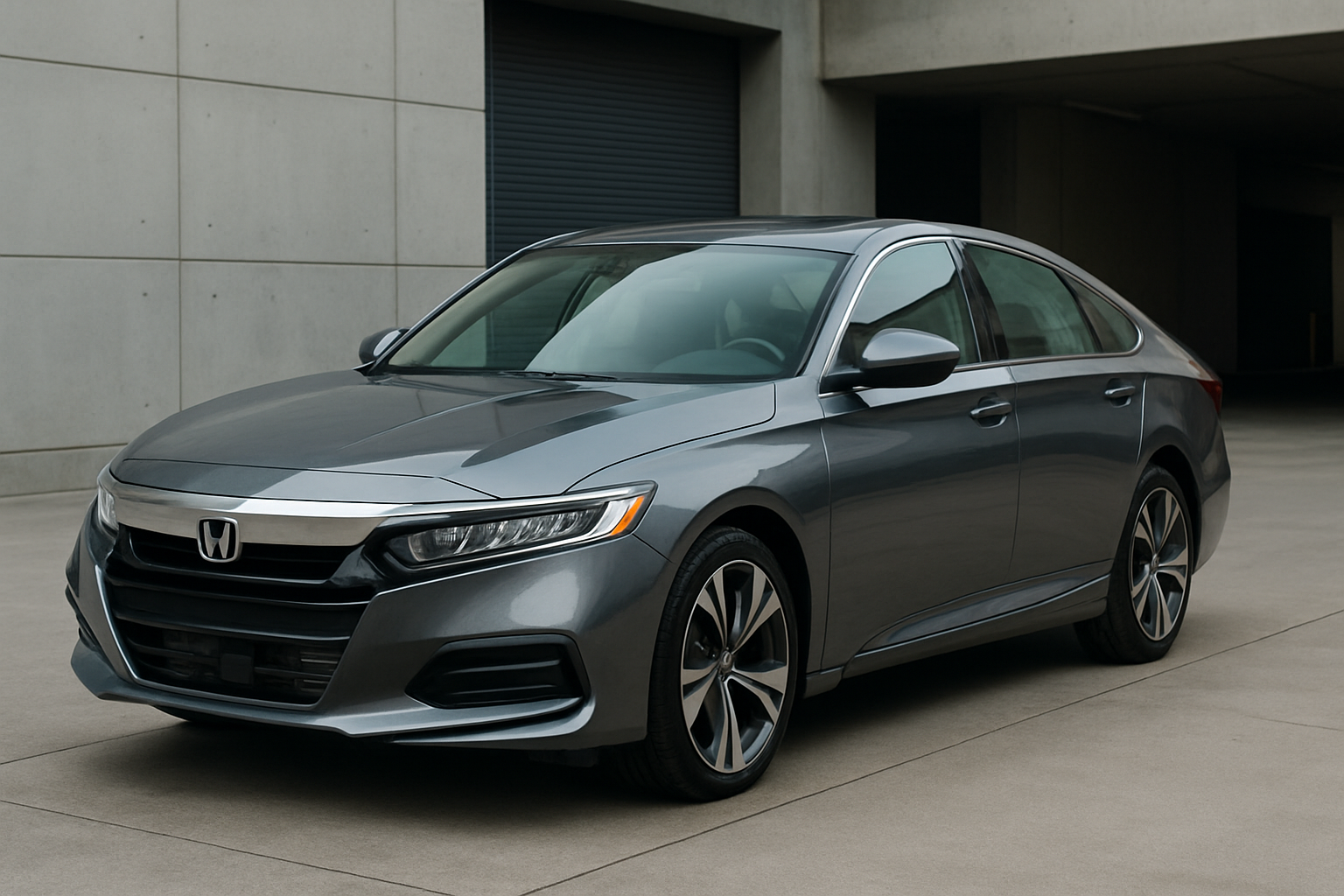
If you’re tired of your Honda Accord’s engine shutting off at every red light and stop sign, you’re not alone. The Idle Stop system in 2018-2026 Honda Accords can feel intrusive and annoying, especially if you prefer traditional driving behavior.
Understanding Honda’s Idle Stop System
Honda’s Idle Stop technology automatically shuts off your engine when you come to a complete stop, then restarts it when you lift your foot off the brake pedal. The system aims to improve fuel economy and reduce emissions during city driving.
However, many Honda Accord owners find the feature more annoying than helpful. The slight delay when accelerating from stops, the vibration during engine restart, and the wear on starter components make this feature unpopular with drivers who value responsive driving dynamics.
The system operates through sensors that monitor brake pedal position, engine temperature, battery charge, and other factors. When conditions are right, it kills the engine during stops and fires it back up when you’re ready to move.
The Temporary Solution: Dashboard Button Method
Every Honda Accord from 2018-2026 includes a manual override button for the Idle Stop system. You’ll find this button on your dashboard, typically located near the gear shifter or on the center console.
The button features an “A” with a circular arrow around it, sometimes with “off” text beneath. When the system is active, the button light remains off. Press it once to disable Idle Stop, and the button will illuminate, indicating the system is deactivated.
This method works perfectly during your current drive. Your engine won’t shut off at stops, and you’ll have normal driving behavior until you turn off the car.
Why the Button Method Falls Short
The major frustration with Honda’s manual override is that it resets every time you start your car. Honda programmed the system to default back to “on” with each ignition cycle, presumably to maximize fuel economy ratings and meet emissions standards.
This means you’ll need to press that button every single time you drive your Accord. For daily drivers, this becomes a repetitive annoyance that defeats the purpose of having control over the feature.
Many owners forget to disable it right away, leading to that familiar jolt when the engine shuts off at the first traffic light. The constant need to remember this step has driven many Honda owners to seek permanent solutions.
Permanent Elimination Options
Several aftermarket solutions can permanently disable your Honda Accord’s Idle Stop system. These range from simple plug-and-play devices to more advanced programming methods.
Behind-Switch Eliminator Devices
The most popular permanent solution involves small electronic devices that connect behind your Idle Stop button. These devices essentially trick your car’s computer into thinking you’ve pressed the disable button every time you start the engine.
Installation typically requires removing the dashboard panel around your shifter area to access the wiring harness behind the Idle Stop button. The device splices into the button’s circuit and automatically sends the “disable” signal during startup.
These eliminators maintain your factory button functionality, so you can still manually enable Idle Stop if needed. However, the system defaults to “off” instead of Honda’s factory “on” setting.
OBD2 Port Devices
Another option involves devices that plug into your car’s OBD2 diagnostic port, usually located under the dashboard near your left knee. These units intercept communication between your car’s modules and override the Idle Stop commands.
OBD2 eliminators are easier to install since they simply plug in without any wiring work. However, they permanently occupy your diagnostic port, which could interfere with other OBD2 devices or diagnostic equipment.
Some OBD2 eliminators offer additional features like customizable settings or the ability to disable other vehicle functions, though these added capabilities often come with higher price tags.
Programming Solutions
Advanced users might explore software solutions using tools like Honda’s service software or third-party programming interfaces. However, these methods typically require specialized equipment and technical knowledge that puts them beyond most DIY mechanics.
Programming approaches can potentially affect your vehicle’s warranty status more significantly than plug-and-play hardware solutions, since they modify factory software settings directly.
Installation Process Overview
Installing a behind-switch eliminator typically takes 30-60 minutes and requires basic hand tools. You’ll need trim removal tools, wire strippers, and possibly a small screwdriver set.
Start by disconnecting your battery’s negative terminal for safety. Remove the trim panels around your center console to access the back of the Idle Stop button. This usually involves carefully prying up plastic panels that are held by clips.
Locate the wiring harness connector behind the button. The eliminator device will either splice into specific wires or connect inline with the existing harness, depending on the specific product design.
After making connections according to the device instructions, reassemble your trim panels and reconnect the battery. Test the system by starting your car and verifying that the Idle Stop button shows “disabled” by default.
Recommended Eliminator Devices
Several companies manufacture auto start stop eliminator devices for Honda Accord models. These plug-and-play solutions offer the most reliable way to permanently disable the Idle Stop system.
Look for devices specifically designed for your Honda Accord’s model year, as wiring configurations can vary between generations. Products from established automotive electronics manufacturers typically offer better reliability and customer support than generic alternatives.
Most quality eliminators include detailed installation instructions and basic hand tools needed for installation. Some manufacturers offer installation videos or phone support to help with the process.
Important Considerations Before Disabling
Warranty Implications
Installing aftermarket devices to modify your Honda’s factory systems could potentially affect warranty coverage. While the modification itself might not void your entire warranty, dealers could refuse warranty claims related to engine or electrical systems if they determine the eliminator caused problems.
Most eliminator devices are designed to be completely reversible, allowing you to restore factory functionality before warranty service if needed. Keep your installation instructions and any removed components in case you need to reverse the modification.
Fuel Economy Impact
Disabling Idle Stop will reduce your fuel economy, particularly in city driving with frequent stops. Honda’s EPA fuel economy ratings factor in the Idle Stop system’s contribution, so you’ll likely see a decrease in real-world MPG.
The impact varies based on your driving patterns. Highway driving shows minimal difference, while stop-and-go city traffic could show more noticeable fuel consumption increases.
Emissions and Inspection Concerns
Some states’ emissions testing programs check for proper operation of factory emissions control systems, which could include Idle Stop functionality. Research your local inspection requirements before permanently disabling the system.
Most eliminator devices can be quickly removed if needed for inspection, though this requires planning ahead for your testing appointment.
Resale Value Considerations
Future buyers might expect full factory functionality when purchasing your Honda Accord. While you can restore the Idle Stop system before selling, some buyers might view any modification history negatively.
Document your modification carefully and keep all original components to ensure complete reversibility when needed.
Frequently Asked Questions
Will disabling Idle Stop damage my engine or starter?
Disabling the system won’t damage your engine or starter. In fact, some mechanics argue that eliminating the frequent restart cycles reduces wear on starter components and engine mounts. Your Honda Accord will operate exactly like vehicles without Idle Stop technology.
Can I still use the manual button after installing an eliminator?
Most eliminator devices preserve full button functionality. You can still manually enable Idle Stop during your drive if desired. The eliminator simply changes the default setting from “enabled” to “disabled” at startup, giving you control over when to use the feature.
Are eliminator devices legal to use?
These devices are legal for personal use in most areas, as they don’t affect safety systems or emissions control hardware. However, local regulations vary, and some commercial or fleet vehicles might have restrictions on modifications. Check local laws and any lease agreement terms before installation.
How much do professional installations cost?
Most automotive electronics shops or Honda specialists charge $100-200 for eliminator installation, depending on your location and the specific device. Many car audio shops also offer installation services, since the work involves similar skills to stereo installations. DIY installation saves money but requires basic mechanical skills and tools.
This article contains affiliate links. If you purchase through these links, we may earn a small commission at no extra cost to you.


Leave a Reply