
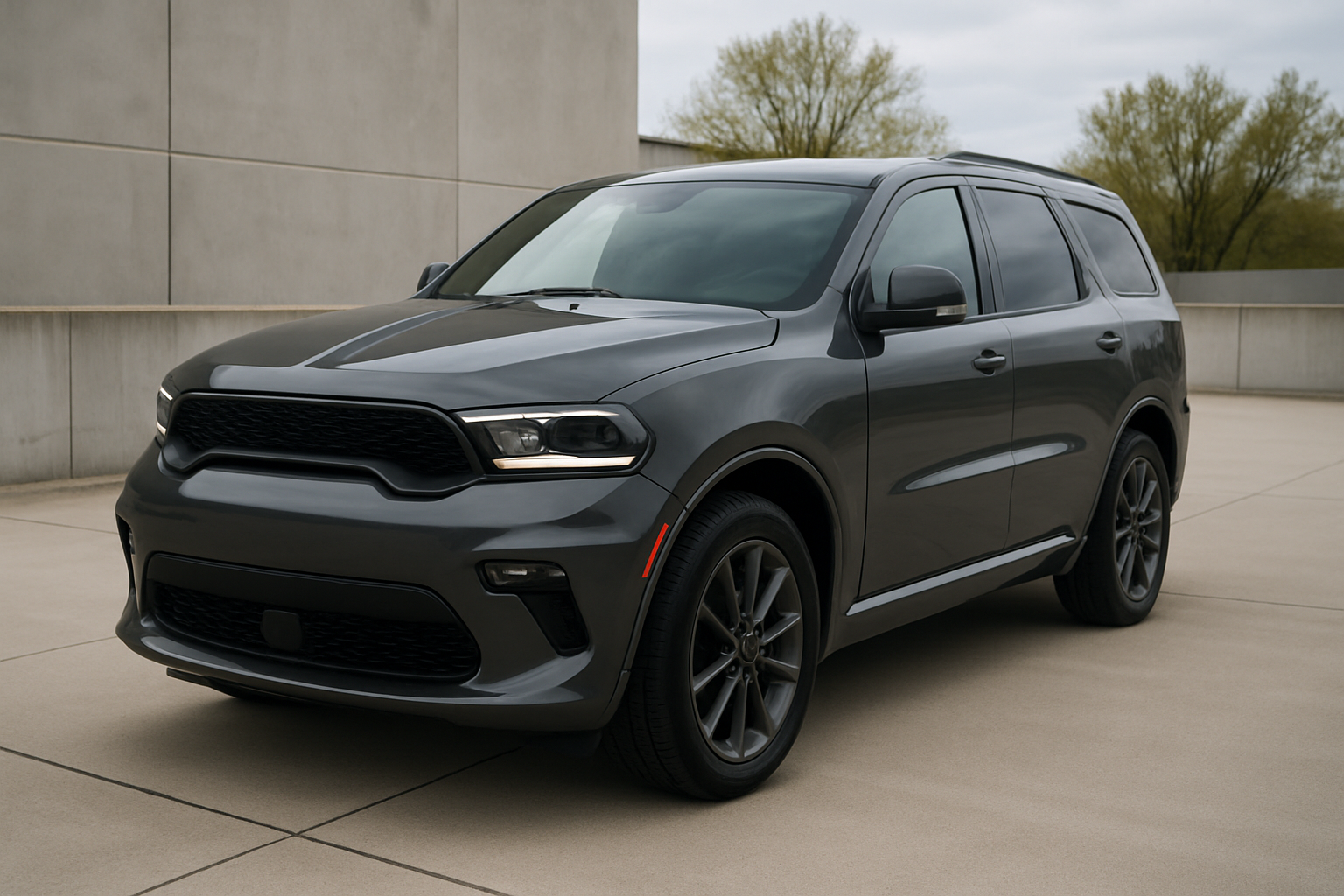
The auto start/stop system in the 2019-2026 Dodge Durango can be incredibly frustrating for many drivers. While Stellantis designed this ESS (Engine Stop Start) system to save fuel, it often creates more annoyance than benefit with its jerky restarts and inconsistent operation.
What Auto Start/Stop Does in Your Durango
The Stellantis ESS system automatically shuts off your Durango’s engine when you come to a complete stop, like at traffic lights or in stop-and-go traffic. When you lift your foot off the brake pedal, the engine restarts automatically.
While this might sound efficient on paper, the reality is quite different. The system often creates a noticeable delay when you need to accelerate, especially in situations where quick response matters. Many Durango owners report feeling like their vehicle hesitates at critical moments.
The restart process can also be jarring, with vibrations felt throughout the cabin. Air conditioning performance suffers during engine-off periods, making summer driving particularly uncomfortable.
The Temporary Fix: Dashboard Button Method
Your Durango does include a way to disable the auto start/stop system temporarily. Look for a button on your dashboard with an “A” surrounded by a circular arrow. On most 2019-2026 Durangos, you’ll find this button to the left of the steering wheel, near the headlight controls.
Press this button once, and you’ll see an indicator light appear on your dashboard showing the system is disabled. The engine will no longer shut off automatically at stops.
This method works perfectly while you’re driving. Your Durango will behave like a traditional vehicle without the start/stop interruptions.
Why the Dashboard Button Isn’t Enough
The major problem with using the dashboard button is that it resets every single time you turn off your Durango. When you start the vehicle the next time, the auto start/stop system activates again automatically.
This means you’ll need to press that button every time you drive, which becomes tedious quickly. Most drivers want a permanent solution that doesn’t require daily attention.
Some Durango owners try to make pressing the button part of their routine, but it’s easy to forget, especially during rushed mornings or stressful situations.
Permanent Solutions: Aftermarket Devices and Software
Several aftermarket options can permanently disable the auto start/stop system in your Durango. These solutions fall into two main categories: plug-and-play hardware devices and software coding modifications.
Plug-and-Play Eliminator Devices
Hardware eliminators are the most popular choice for Durango owners. These devices connect to your vehicle’s electrical system and send a constant “disable” signal to the ESS system.
Two types of hardware eliminators exist. OBD2 port devices plug directly into your diagnostic port, usually located below the dashboard on the driver’s side. Behind-switch devices connect to the wiring harness behind your existing start/stop button.
OBD2 port devices are easier to install but take up your diagnostic port permanently. Behind-switch devices require more installation work but leave your OBD2 port available for other uses.
Most quality eliminators include LED indicators to confirm they’re working properly. They also maintain your vehicle’s original functionality, meaning you can still manually enable start/stop if needed.
Software Coding Solutions
AlfaOBD is the most effective software tool for permanently disabling start/stop on Stellantis vehicles like your Durango. This Windows-based program connects to your vehicle through an OBD2 interface and modifies the ESS settings directly in your car’s computer.
AlfaOBD requires a compatible OBD2 adapter and a Windows laptop or tablet. The software allows you to change the default start/stop setting from “enabled” to “disabled,” making your preferred setting permanent.
This method is more technical than plug-and-play devices but offers the cleanest solution. Your vehicle will behave exactly as if it never had auto start/stop from the factory.
Recommended Eliminator Devices
Several manufacturers produce reliable auto start/stop eliminator devices for the Dodge Durango. The Autostop Eliminator is particularly well-regarded among Durango owners for its reliability and easy installation.
These devices typically cost between $50-150 depending on features and installation complexity. Most include detailed instructions and customer support to help with installation questions.
When choosing an eliminator, consider whether you want to keep your OBD2 port available. Behind-switch devices cost slightly more but offer cleaner installations.
Installation Overview: OBD2 Port Device
Installing an OBD2 port eliminator is the simplest approach for most Durango owners. Start by locating your OBD2 port, which is typically below the dashboard on the left side of the steering column.
Turn off your vehicle completely and remove the keys. Plug the eliminator device firmly into the OBD2 port until it clicks into place.
Start your Durango and check for any indicator lights on the eliminator device. Most devices will show a solid LED when functioning properly.
Test the system by coming to a complete stop. Your engine should no longer shut off automatically. The start/stop button on your dashboard may still be present but won’t affect engine operation.
Some eliminators require a brief initialization period, so don’t worry if the system doesn’t respond immediately. Drive normally for a few minutes to allow the device to sync with your vehicle’s computer.
Installation Overview: Behind-Switch Device
Behind-switch eliminators require removing the dashboard panel around your start/stop button. This process varies by model year but typically involves carefully prying off plastic trim pieces.
Once you access the button’s wiring harness, disconnect the original connector and plug it into the eliminator device. Then connect the eliminator’s output harness back to the button.
This creates a loop where the eliminator intercepts the signal between your button and the vehicle’s computer. The device constantly sends a “disabled” signal regardless of the button’s actual position.
Reassemble your dashboard panels and test the system. Your start/stop button may still light up, but the engine won’t actually shut off at stops.
Important Considerations Before Disabling
Disabling auto start/stop will have a minor impact on your fuel economy. The EPA estimates that start/stop systems improve fuel efficiency by 3-10% in city driving conditions.
Your vehicle’s warranty should remain intact when using quality eliminator devices. These devices don’t modify your engine or emissions systems permanently. However, you may want to remove the device before warranty service visits.
Most eliminators are completely reversible. You can remove the device and restore original functionality at any time, which helps maintain resale value.
Check your local emissions regulations before permanently disabling start/stop. While most areas don’t specifically test for this feature, some regions have strict anti-tampering rules.
Frequently Asked Questions
Will disabling auto start/stop hurt my engine?
Disabling the system won’t damage your engine. Your Durango will operate exactly like vehicles without start/stop technology. The engine continues running normally at stops instead of cycling on and off.
Can I still use the dashboard button after installing an eliminator?
Most eliminators completely override the dashboard button. The button may still light up or respond visually, but it won’t actually control the start/stop function. Your engine will stay running regardless of the button’s position.
How much will this affect my gas mileage?
Expect a decrease of 0.5-2 MPG in city driving conditions. Highway driving won’t be affected since start/stop doesn’t activate at highway speeds. Most drivers find the improved driving experience worth the minor fuel economy reduction.
Is this modification legal?
Using eliminator devices is legal in most jurisdictions. These devices don’t modify emissions equipment or violate federal regulations. However, check your local laws if you live in an area with strict vehicle modification rules.
This article contains affiliate links. If you purchase through these links, we may earn a small commission at no extra cost to you.

Leave a Reply