
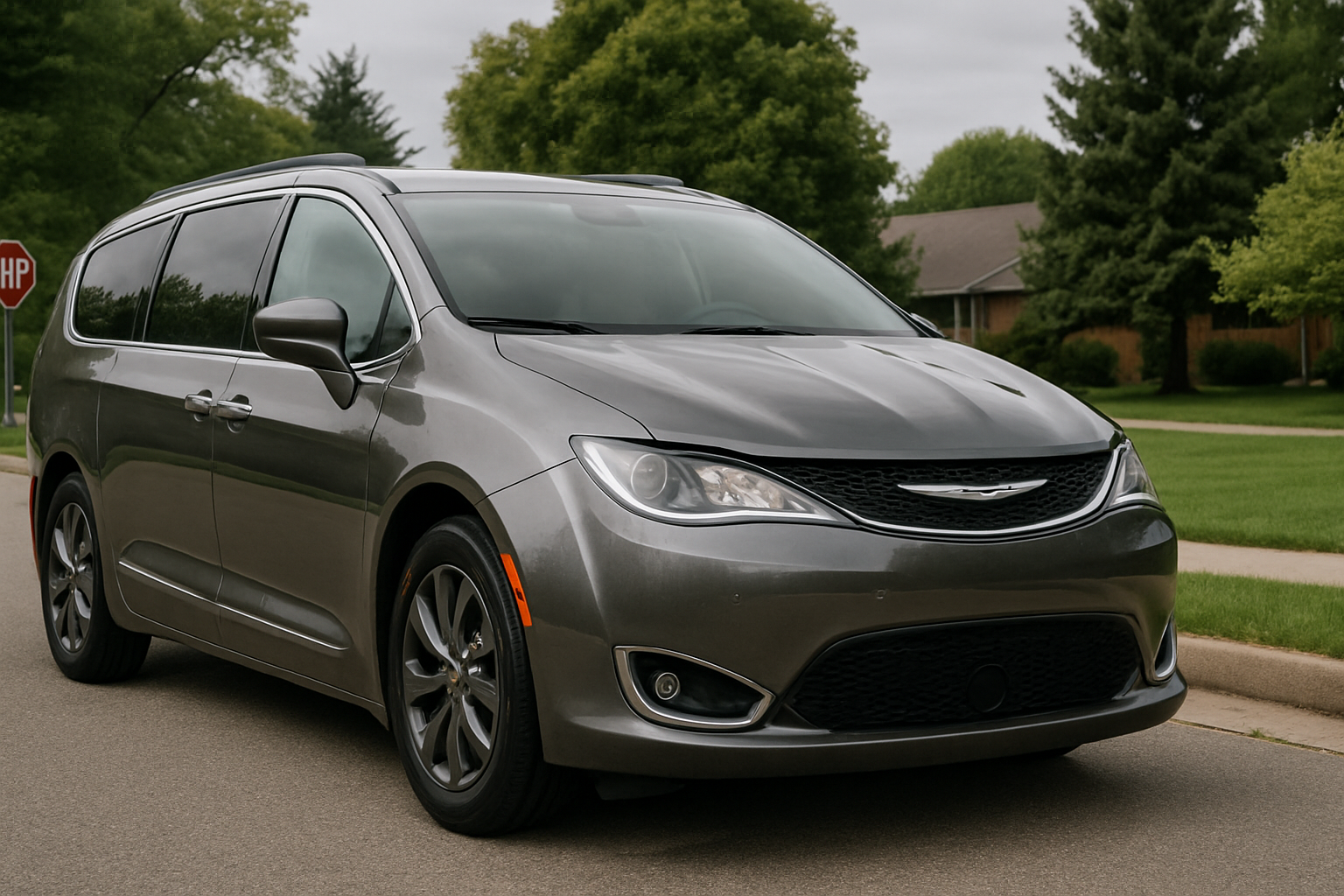
The auto start/stop system in the Chrysler Pacifica can be one of the most irritating features for daily drivers. While it’s designed to save fuel and reduce emissions, many owners find the constant engine shutting off and restarting at traffic lights creates an annoying driving experience that they’d rather live without.
Understanding Auto Start/Stop on the Chrysler Pacifica
The auto start/stop system on 2017-2026 non-hybrid Chrysler Pacifica models automatically shuts off the engine when you come to a complete stop with your foot on the brake. The engine restarts as soon as you lift your foot off the brake pedal or engage the accelerator.
This system operates through the vehicle’s computer monitoring various sensors including brake position, engine temperature, battery charge, and cabin climate control demands. When conditions are right, the system cuts the engine to save fuel during idle periods.
Many Pacifica owners complain about the jerky restart feel, the delay when accelerating from stops, and the way it can interfere with smooth driving in stop-and-go traffic. The system can also be particularly annoying in drive-throughs or when making quick stops where you don’t want the engine cycling on and off repeatedly.
The Temporary Solution: Dashboard Button
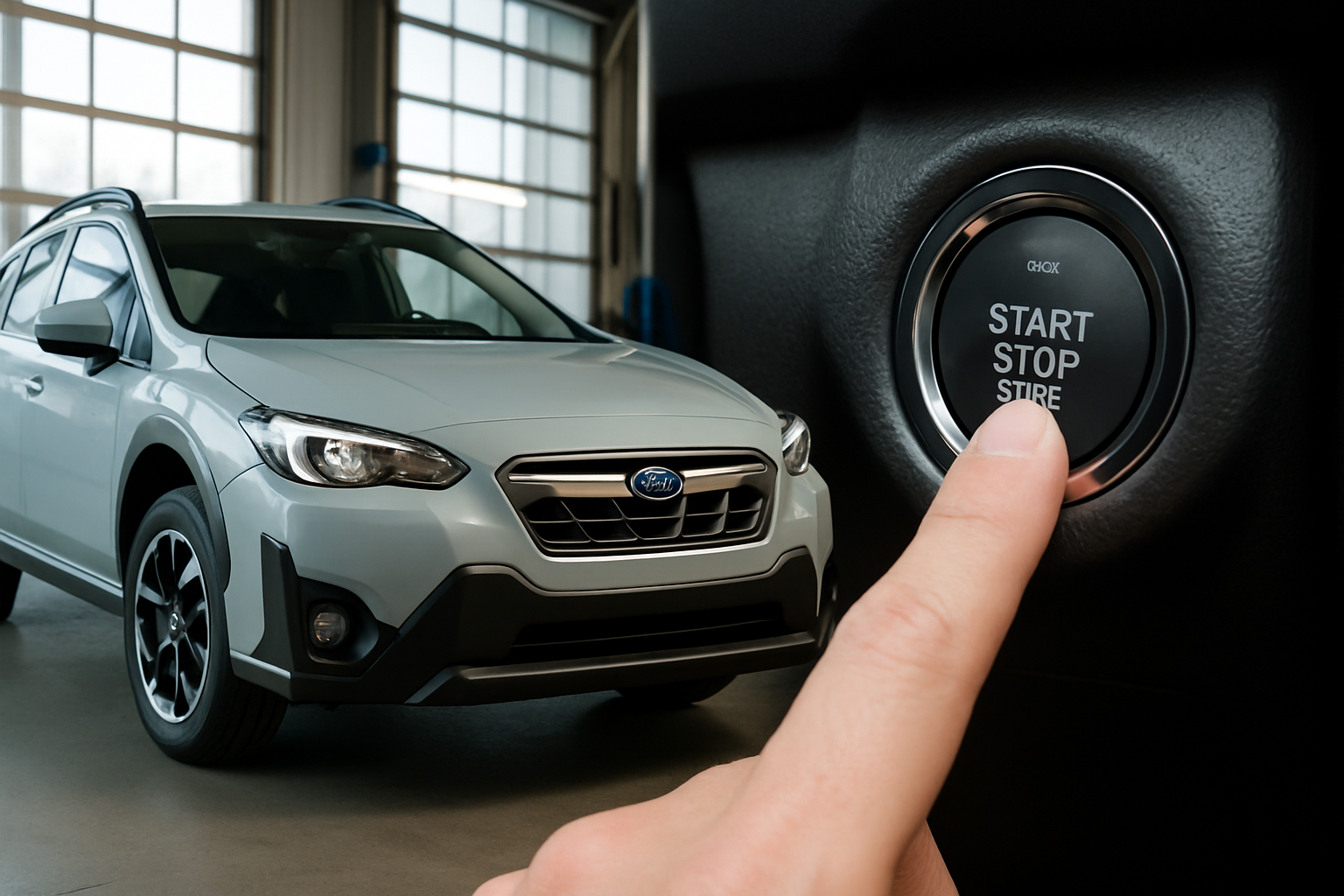
Your Pacifica comes with a manual override button that lets you disable auto start/stop for your current driving session. You’ll find this button on the center console area near the gear shifter, labeled with an “A” surrounded by a circular arrow with a line through it.
The button typically has an LED indicator that shows when the system is active or disabled. When the light is off, auto start/stop is enabled. Press the button to disable the system for your current trip, and the indicator light will illuminate to show it’s been turned off.
This method works perfectly fine for disabling the feature, but it only lasts until you turn off your ignition. Every single time you start your Pacifica, the system defaults back to enabled, and you’ll need to press that button again.
Why the Temporary Fix Gets Old Fast
Having to disable auto start/stop every time you drive becomes a real pain point for most owners. You’ll find yourself developing a routine of getting in, starting the engine, and immediately reaching for that button before you can drive normally.
It’s especially frustrating when you forget to disable it and get caught off guard by the engine shutting off at the first red light. Some drivers report that passengers get startled by the sudden engine restart, thinking something is wrong with the vehicle.
The manual override was clearly designed as an occasional-use feature, not something you’re supposed to interact with every single drive. This daily annoyance has led many Pacifica owners to seek out permanent solutions.
Permanent Solutions Available
Several aftermarket companies have developed plug-and-play devices specifically designed to permanently disable auto start/stop on the Chrysler Pacifica. These devices work by intercepting the signals that control the system, effectively making your vehicle behave as if you pressed the disable button every time you start it.
The most popular options fall into two categories: OBD2 port devices and behind-the-switch modules. Autostop Eliminator makes a Pacifica-specific device that plugs directly into your OBD2 diagnostic port, making installation extremely simple for most car owners.
OBD2 port devices are generally easier to install since the diagnostic port is easily accessible under your dashboard on the driver’s side. These devices plug in and immediately start working, with no wiring or disassembly required.
Behind-the-switch modules require removing the dashboard panel to access the wiring harness behind the manual override button. These devices intercept the signal at the switch level and are completely hidden once installed, but they require more technical skill to install properly.
Recommended Auto Start/Stop Eliminators
For Pacifica owners looking for a reliable permanent solution, plug-and-play auto start/stop eliminators offer the most convenient installation process. These devices are specifically designed to work with Chrysler’s electrical systems and have been tested by thousands of owners.
The Autostop Eliminator device for Pacifica models plugs directly into your OBD2 port and begins working immediately. The device is small enough that it won’t interfere with other diagnostic tools, and most owners report no issues with dealership service when the device is temporarily removed.
Other manufacturers like Start-X and GTEEK also produce compatible devices, though availability and specific compatibility can vary by model year. When shopping for these devices, make sure to verify compatibility with your specific Pacifica year and engine configuration.
Installation Process for OBD2 Devices
Installing an OBD2-based auto start/stop eliminator is one of the simplest automotive modifications you can perform. The entire process takes less than five minutes and requires no tools or technical experience.
First, locate your OBD2 diagnostic port, which is positioned under the dashboard on the driver’s side, usually near your left knee when you’re seated normally. The port is a standardized 16-pin connector that’s easily recognizable by its distinctive rectangular shape.
Remove the device from its packaging and simply plug it into the OBD2 port until it clicks into place. The device should fit snugly and won’t fall out during normal driving. Most devices have a small LED indicator that will light up to confirm they’re receiving power and functioning properly.
Start your engine and verify that the auto start/stop system no longer engages when you come to a complete stop with your foot on the brake. The manual override button on your dashboard may still function normally, but the system will default to disabled rather than enabled each time you start your vehicle.
Important Considerations Before Disabling
Disabling auto start/stop does have some implications you should understand before making the modification. While these devices don’t typically void your warranty since they don’t permanently alter your vehicle’s systems, some dealerships may ask you to remove aftermarket devices before performing certain types of service.
The auto start/stop system does provide legitimate fuel savings, typically improving city fuel economy by 3-5 percent according to EPA testing. Disabling the system will result in slightly higher fuel consumption, though many owners consider this an acceptable trade-off for improved driving comfort.
From a resale perspective, these devices can be easily removed before selling your vehicle, returning it to completely stock condition. The OBD2 port devices leave no trace of installation, and behind-the-switch modules can be uninstalled by reversing the installation process.
Some states have emissions regulations that could theoretically be affected by disabling emissions-related systems, though enforcement of these regulations on individual passenger vehicles is extremely rare. Check your local regulations if you have concerns about compliance.
Alternative Methods
While plug-and-play devices offer the most convenient solution, some technically inclined owners explore software-based methods for disabling auto start/stop. Tools like AlfaOBD can sometimes access the vehicle’s computer settings and change the default behavior of various systems.
These software methods typically require a laptop computer, specialized OBD2 interface cables, and some familiarity with automotive diagnostic software. The process involves connecting to your vehicle’s computer modules and changing specific parameter settings.
Software modifications can be more permanent than plug-in devices, but they also carry higher risk of causing unintended consequences if done incorrectly. Most average car owners will find the plug-and-play devices to be a much safer and more reliable solution.
Frequently Asked Questions
Will disabling auto start/stop affect my warranty?
Plug-and-play devices that don’t permanently modify your vehicle’s wiring or software typically don’t void warranties. However, dealerships may ask you to remove the device before diagnosing certain problems. The device can be easily unplugged for service visits and reinstalled afterward.
How much fuel economy will I lose?
Most owners report a decrease of 1-2 MPG in city driving conditions after disabling auto start/stop. Highway fuel economy remains unchanged since the system doesn’t operate at highway speeds. The actual impact varies depending on your driving patterns and how much time you spend in stop-and-go traffic.
Can I still use the manual override button?
With most eliminator devices installed, the manual override button will still function, but the default state changes from enabled to disabled. This means the system starts disabled each time you start your vehicle, and pressing the button would temporarily re-enable auto start/stop for that driving session.
What happens if I need to remove the device?
OBD2 port devices can be unplugged in seconds, immediately returning your vehicle to stock behavior. Behind-the-switch modules require disassembling the dashboard panel again, but the installation is completely reversible. Your vehicle will function exactly as it did from the factory once the device is removed.
This article contains affiliate links. If you purchase through these links, we may earn a small commission at no extra cost to you.

Leave a Reply