
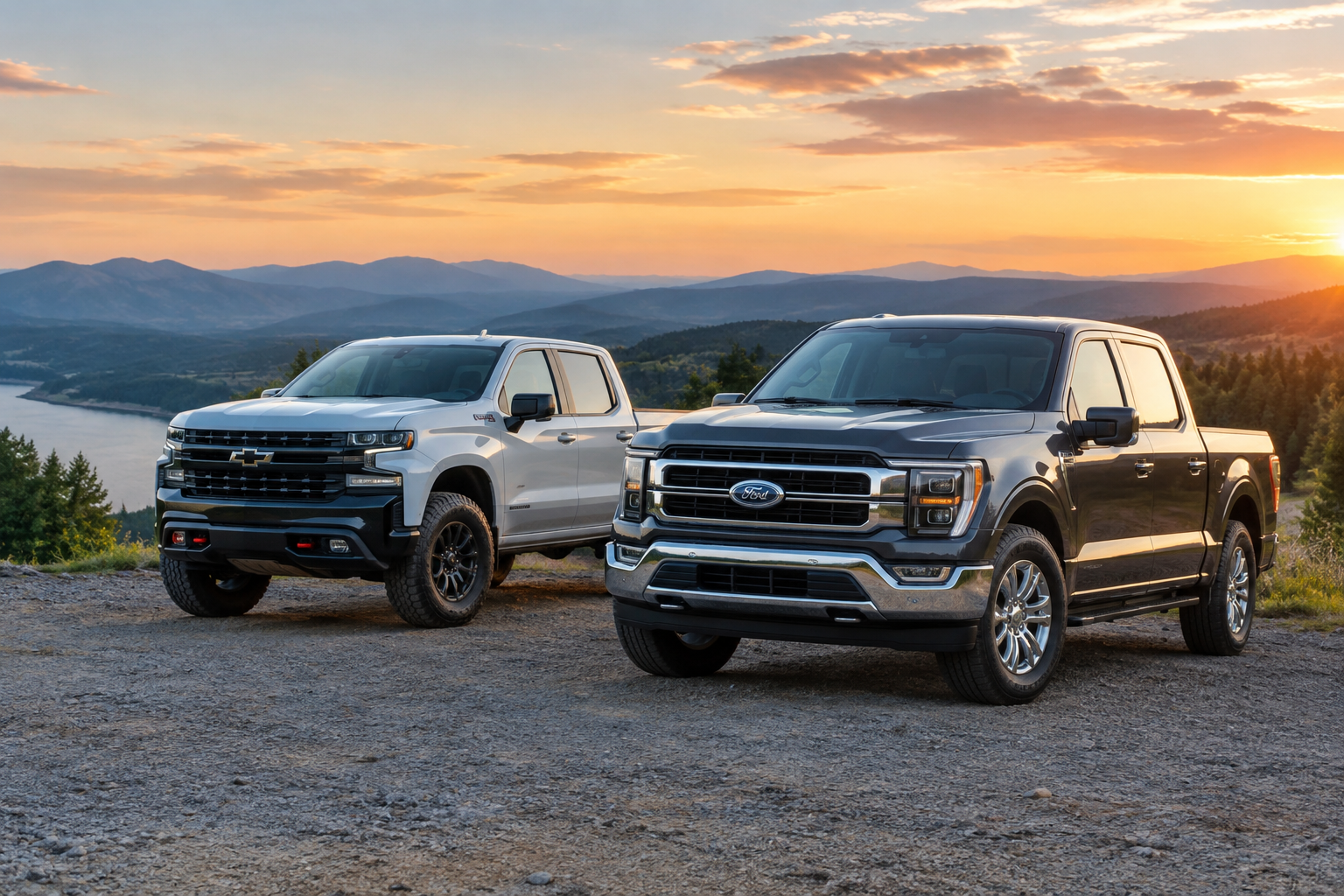
Trucks depreciate slower than almost any other vehicle category, but that doesn’t mean they’re all created equal. Some pickups hang onto 70% of their value after five years while others bleed money faster than a minivan. If you’re buying a truck as an investment as much as a tool, the specific model, trim, and configuration you choose matters more than most shoppers realize.
We pulled depreciation data from sources like iSeeCars and Kelley Blue Book studies to rank the trucks that actually hold their value, and broke down exactly why. We’ll also cover which trims and options protect resale value best, and how to keep your truck’s value intact once you drive it off the lot.
What “Average” Truck Depreciation Looks Like
Before ranking the winners, you need a baseline. Across the full-size and midsize truck segment, the average pickup loses somewhere around 38% of its value after three years and 50% after five years. Compare that to the average passenger car, which often loses closer to 45% and 55% over the same stretch, and you can see why trucks are already a safer bet.
The trucks below beat that average, some by a wide margin. Pay attention to the “why” behind each one, because it tells you what to look for when you shop.
The Trucks That Hold Their Value Best
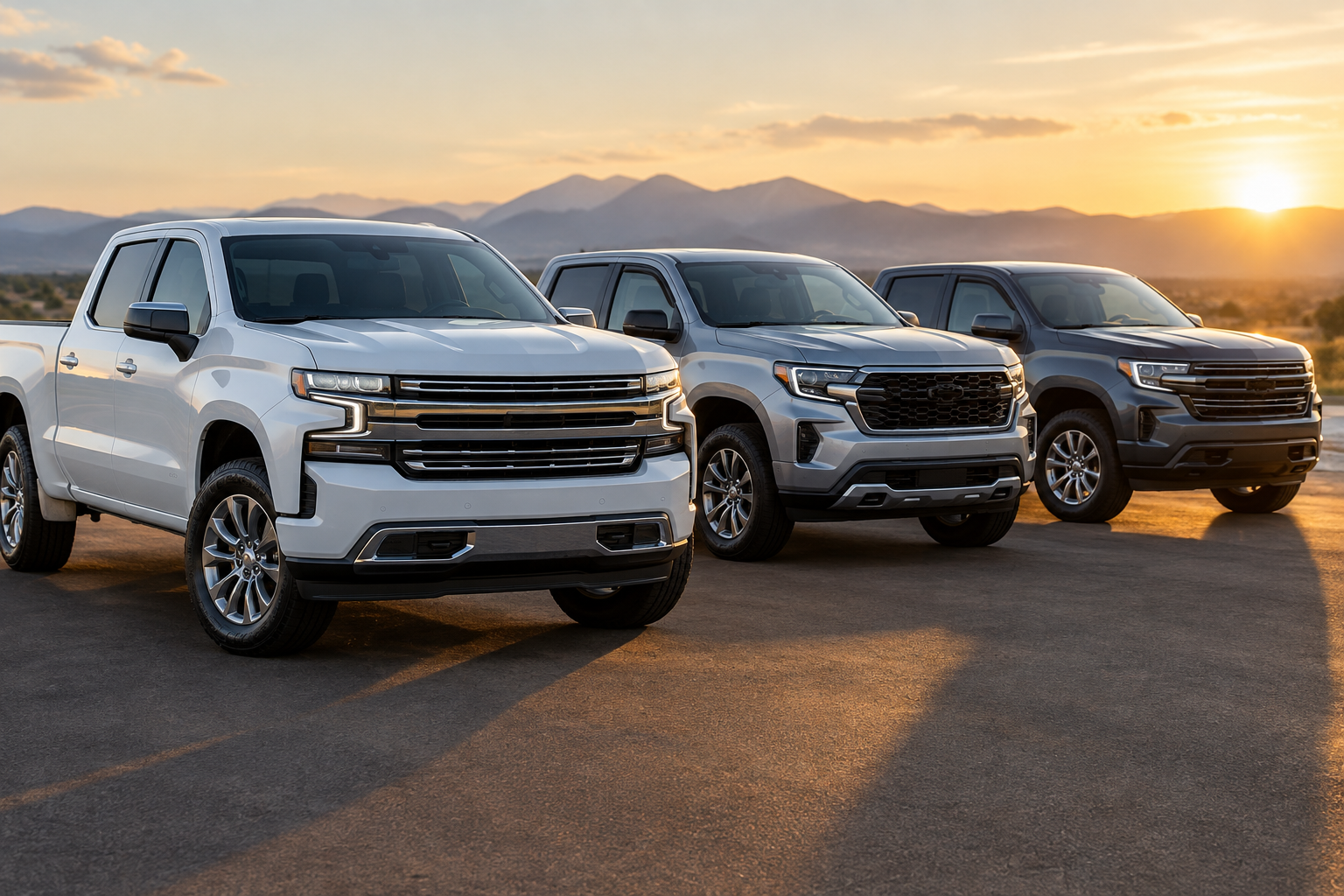
1. Toyota Tacoma
Depreciation: roughly 21% at three years, 34% at five years.
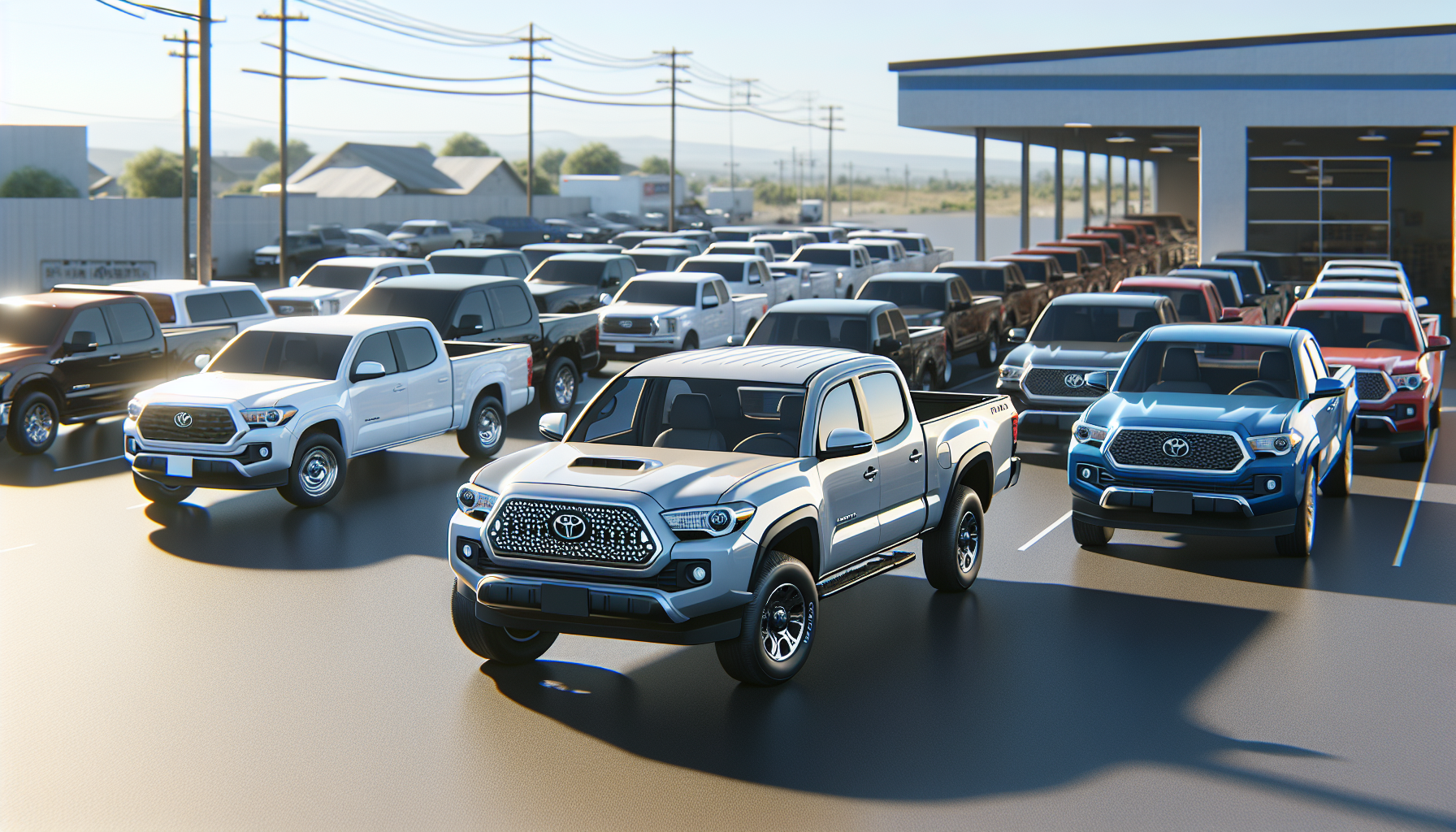
The Tacoma has topped resale value lists for over a decade, and it’s not close. Toyota builds fewer of them relative to demand, dealer incentives stay thin, and the reputation for reliability means buyers trust a used Tacoma more than almost any other used truck on the lot. TRD Off-Road and TRD Sport trims in 4×4 hold the strongest resale, especially in double cab configuration.
2. Toyota Tundra
Depreciation: roughly 24% at three years, 37% at five years.
The Tundra rides on the same reliability halo as the Tacoma, though the newer turbocharged and hybrid powertrains are still building their own long-term track record. TRD Pro and Limited trims with 4×4 hold value best, while base SR trims depreciate faster due to lower demand.
3. Ford Maverick
Depreciation: roughly 23% at three years, 36% at five years.
The Maverick’s low starting price and hybrid fuel economy created genuine waitlists at launch, and that demand hasn’t fully cooled. Hybrid Lariat and XLT trims with the available all-wheel drive package resell the fastest and for the most money.
4. Honda Ridgeline
Depreciation: roughly 29% at three years, 43% at five years.
The Ridgeline’s unibody design turns off traditional truck buyers, but the loyal Honda ownership base and reputation for near-bulletproof reliability keep resale surprisingly strong for a niche vehicle. Black Edition and RTL-E trims retain the most value.
5. Chevrolet Colorado
Depreciation: roughly 28% at three years, 42% at five years.
The redesigned Colorado brought real off-road credibility with the ZR2 trim, and that halo effect lifts resale across the whole lineup. ZR2 and Trail Boss 4×4 crew cabs hold their value noticeably better than base WT trims.
6. GMC Sierra 1500
Depreciation: roughly 30% at three years, 44% at five years.
GMC’s premium positioning attracts buyers who want Chevy Silverado capability with more upscale styling and features, and that brand loyalty carries into the used market. AT4 and Denali trims in crew cab 4×4 configuration hold value far better than lower Elevation or Pro trims. If you own one, our guide to the rear seat reminder settings and lane assist controls are worth a look for day-to-day ownership.
7. Nissan Frontier
Depreciation: roughly 31% at three years, 45% at five years.
The redesigned Frontier fixed a lot of the outdated tech that hurt older generations, and PRO-4X trims with the off-road package have developed a genuine following. Standard SV trims depreciate noticeably faster.
8. Ford F-150
Depreciation: roughly 32% at three years, 46% at five years.
The F-150’s sheer volume works against it slightly for resale compared to the Tacoma or Maverick, but strong brand loyalty and unmatched configuration options keep it ahead of most full-size competitors. Lariat and Tremor trims in 4×4 SuperCrew configuration outperform base XL and XLT trims by a wide margin. Owners should also check out our guide to using the power running boards and how to manage the driver alert system.
9. Ram 1500
Depreciation: roughly 33% at three years, 47% at five years.
The Ram 1500’s air suspension, interior quality, and ride comfort earn it strong loyalty, but heavier incentive spending by Stellantis on new models drags down used values slightly compared to Ford and GM. Rebel and Laramie trims hold up best, and performance variants have their own market entirely, which we cover in our comparison of the Ram RHO, TRX, and Ford Raptor.
How to Configure a Truck for Maximum Resale
The truck you choose matters, but so does how you spec it. A few rules apply across almost every brand and model.
- Choose 4×4 over 2WD. Four-wheel drive consistently commands a stronger resale premium, even in regions where it rarely snows.
- Crew cab beats regular or extended cab. Buyers want back seat space, and trucks with tighter cabs sit on lots longer and sell for less.
- Stick to popular mid-tier trims. Base trims lack the features used buyers expect, while fully loaded top trims often cost more new than they’re worth used. The sweet spot trims (TRD Off-Road, XLT/Lariat, AT4, Rebel) balance features with broad demand.
- Pick neutral exterior colors. White, black, and gray resell faster and for more money than niche colors that limit your buyer pool.
- Avoid rare or discontinued options. Manual transmissions, diesel engines in certain models, and short-lived special editions can help or hurt depending on the truck, so research the specific model before assuming a “rare” option adds value.
Maintenance History Matters More Than People Think
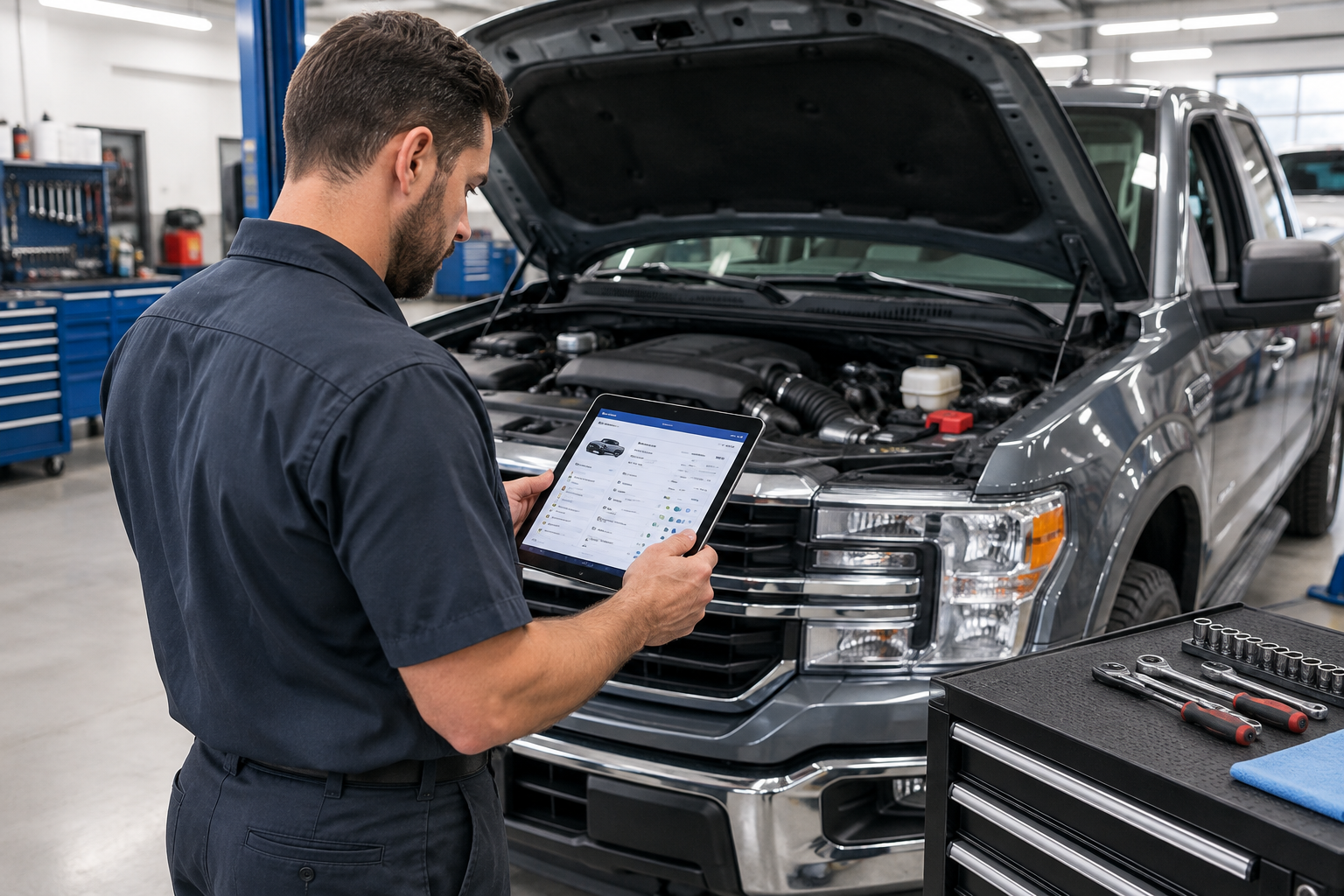
A documented service history can add real dollars to a used truck’s sale price, and its absence can cost you even more. Buyers and dealers alike use gaps in maintenance records as leverage to lower their offer, even if the truck runs perfectly fine.
Keep every receipt, use the same shop when possible, and stay on top of fluid changes, brake service, and tire rotations. If you’re noticing early warning signs like a soft brake pedal after sitting overnight or issues with your AC not blowing cold air, getting them fixed promptly and documenting the repair protects your resale value down the road. Regular use of features like tow/haul mode when appropriate also reduces wear on the drivetrain over time.
Protecting Your Truck’s Value After Purchase
A few inexpensive accessories go a long way toward keeping your truck looking and functioning like new when it’s time to sell.

Spray-In Bed Liner Kit
A durable spray-in liner protects your bed from scratches and rust better than a stock paint finish.
A bare truck bed takes a beating fast, and scratches, dents, and rust spots are some of the first things a buyer notices during an inspection. A quality drop-in bed liner is a budget-friendly alternative if you’d rather skip the spray-in process, though spray-in liners tend to hold up better over the long haul and don’t trap moisture underneath.

Hard Folding Tonneau Cover
Keeps cargo dry and secure while protecting the bed floor and improving fuel economy over an open bed.
A tonneau cover does double duty. It shields your bed from sun and weather damage while also signaling to future buyers that you took care of the truck. Soft roll-up covers are more affordable, while hard folding covers offer better security and a cleaner look for daily drivers.
Round out your protection with a set of all-weather floor mats to keep the interior carpet free of stains, and mud flaps to protect the lower body panels and rocker panels from chips and road grime. Both are cheap insurance against the kind of wear that makes a used truck look tired before its time.
Frequently Asked Questions
Do diesel engines help or hurt truck resale value?
It depends on the model. In heavy-duty trucks like the Ram 2500 or F-250, diesel engines significantly boost resale value because of their towing capability. In half-ton trucks, the diesel option often depreciates faster since demand is lower and repair costs scare off some used buyers.
Is it better to buy a used truck near its 3-year mark or wait until 5 years?
The 3-year mark tends to be the sweet spot. You avoid the steepest first-year depreciation hit while the truck typically still has factory warranty coverage remaining, and reliable models like the Tacoma or Tundra still have plenty of usable life left.
Does mileage matter more than age for truck resale value?
Both factor in, but mileage usually carries more weight with buyers and dealers. A well-maintained truck with higher mileage but a documented service history often outperforms a lower-mileage truck with gaps in its records.
Leave a Reply