
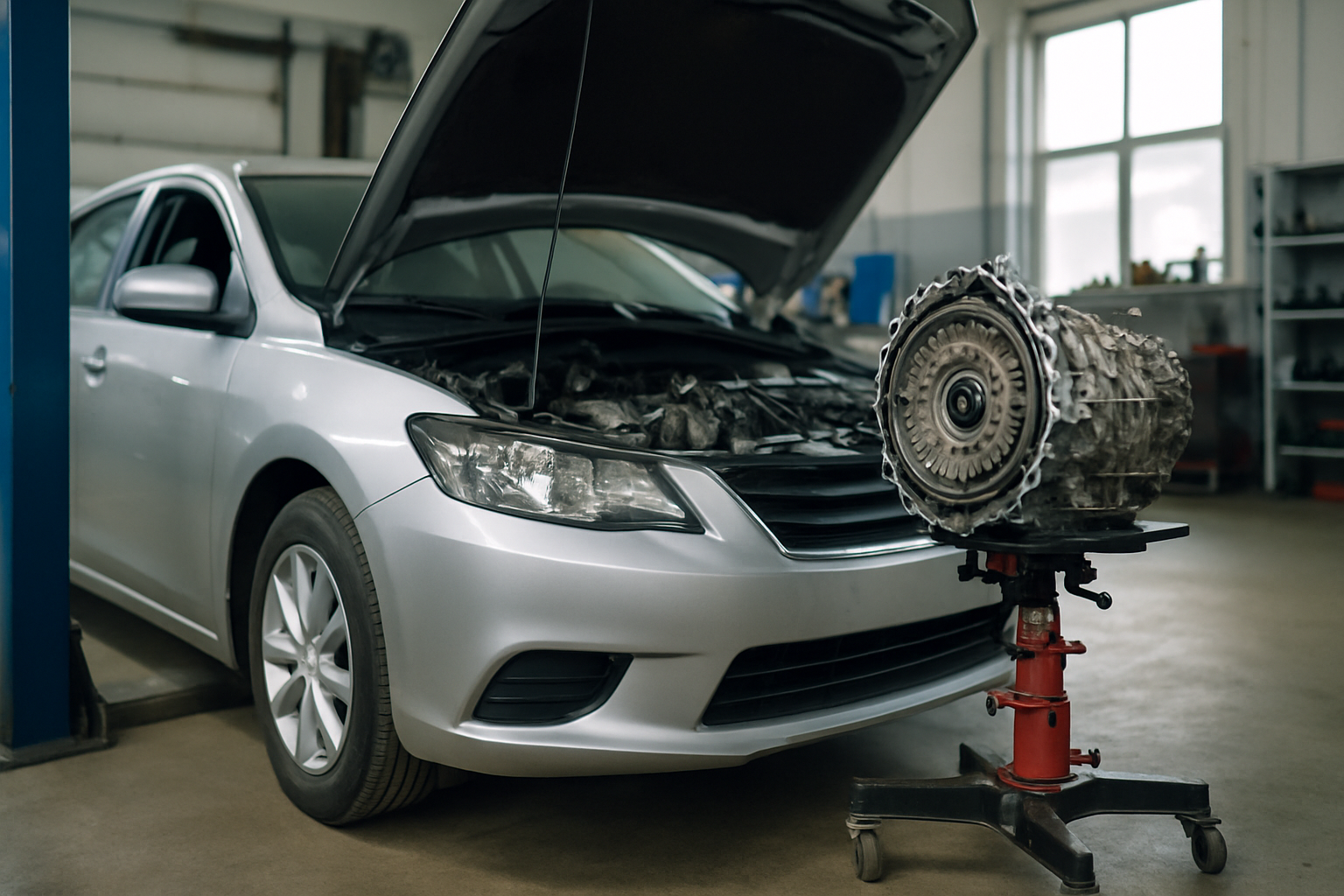
A slipping transmission can turn your daily commute into a nightmare. When your car’s RPMs suddenly spike without a corresponding increase in speed, or when there’s a frustrating delay between shifting into drive and actually moving forward, you’re dealing with transmission slip.
This problem affects millions of drivers every year and can range from a simple fluid top-off to a complete transmission rebuild costing thousands of dollars. Understanding what’s causing your transmission to slip and knowing your repair options can save you both money and headaches down the road.
What Does Transmission Slipping Actually Mean
Transmission slipping occurs when your engine revs up but the power doesn’t transfer efficiently to your wheels. You’ll notice the RPM gauge climbing while your car struggles to accelerate or maintain speed. This happens because the internal components responsible for transferring power have worn down or aren’t functioning properly.
In automatic transmissions, this power transfer relies on hydraulic pressure, clutch packs, and various solenoids working together. When any of these components fail, you get that distinctive slipping sensation that feels like your car is “searching” for the right gear.
Common Signs Your Transmission Is Slipping
Recognizing transmission slip early can prevent more expensive damage. Here are the most common warning signs you shouldn’t ignore.
RPM Flaring
The most obvious sign is when your engine RPMs shoot up during acceleration, but your car doesn’t speed up accordingly. You might see the tachometer jump from 2,000 to 4,000 RPMs while your speedometer barely moves. This typically happens during shifts between first and second gear or when merging onto highways.
Delayed Engagement
When you shift from park to drive or reverse, there should be an immediate response. If you experience a delay of more than a second or two before the transmission engages, you’re likely dealing with internal wear or low fluid pressure.
This delay often gets worse over time and may be accompanied by a hard thud when the transmission finally engages.
Shuddering or Vibration
A healthy transmission should shift smoothly without any noticeable vibration. If you feel shuddering, especially during shifts or when accelerating from a stop, your clutch packs may be worn or your torque converter could be failing.
This shuddering often feels like driving over rumble strips and typically occurs between 25-45 mph during light acceleration.
Burning Smell
Overheated transmission fluid creates a distinct burning odor that’s different from engine oil or coolant smells. This usually indicates your transmission is working harder than it should, often due to slipping clutches creating excessive friction and heat.
What Causes Transmission Slipping
Understanding the root cause of your transmission slip helps determine whether you’re looking at a minor repair or major overhaul.
Low or Contaminated Transmission Fluid
Transmission fluid serves multiple purposes: it lubricates moving parts, provides hydraulic pressure for shifts, and helps cool the system. When fluid levels drop or the fluid becomes contaminated with metal particles and debris, your transmission can’t function properly.
Low fluid often results from leaks around seals, gaskets, or the transmission pan. You might notice red or brown puddles under your car where you park. Contaminated fluid typically appears dark brown or black instead of the normal bright red color.
Worn Clutch Packs
Automatic transmissions use multiple clutch packs to engage different gears. These clutches have friction material similar to brake pads that wears down over time. High mileage, aggressive driving, or overheating accelerates this wear process.
When clutch material wears thin, the clutches can’t maintain proper grip, causing the slipping sensation. This wear also creates metal debris that circulates through your transmission, potentially damaging other components.
Solenoid Failure
Transmission solenoids are electronically controlled valves that regulate fluid flow throughout your transmission. When these fail, they can’t direct adequate pressure to engage clutches properly.
Solenoid problems often trigger check engine lights and store diagnostic codes. A scan tool can identify which specific solenoids are malfunctioning, helping pinpoint the repair needed.
Torque Converter Problems
The torque converter connects your engine to the transmission using fluid coupling. When internal components like the lock-up clutch fail, you’ll experience slipping, especially at highway speeds when the converter should lock up for efficiency.
Diagnosing Your Transmission Problem
Before jumping into expensive repairs, proper diagnosis helps identify the exact cause and scope of your transmission problems.
Check Fluid Level and Condition
Start with the basics by checking your transmission fluid. Most vehicles have a transmission dipstick, though some newer models require special procedures or don’t have dipsticks at all.
Check fluid when the engine is warm and running, with the transmission in park. The fluid should be bright red and smell slightly sweet. Dark, burnt-smelling fluid indicates internal damage and contamination.
Scan for Diagnostic Codes
Modern transmissions are controlled by computers that store diagnostic trouble codes when problems occur. Even if your check engine light isn’t on, there may be pending codes that provide valuable diagnostic information.
Professional scan tools can access transmission-specific codes that basic code readers might miss. These codes can pinpoint failing solenoids, pressure problems, or electrical issues.
Road Test Evaluation
A proper road test helps identify when and how the slipping occurs. Note whether the problem happens during specific shifts, at certain speeds, or under particular driving conditions like hills or heavy acceleration.
Transmission Repair Options and Costs
Depending on your diagnosis, you have several repair options ranging from simple maintenance to complete replacement. Each option has different costs and benefits.
Fluid Change and Filter Replacement
If you caught the problem early and your fluid is simply old or slightly low, a complete fluid change might solve your slipping issues. This involves dropping the transmission pan, replacing the filter, and refilling with fresh fluid.
Cost range: $150-$400 depending on your vehicle and local labor rates. This repair makes sense when fluid contamination is minimal and you haven’t experienced slipping for an extended period.
Keep in mind that if your transmission has been slipping for months, fresh fluid won’t restore worn clutch packs or fix mechanical damage. In some cases, changing fluid in a severely worn transmission can actually make slipping worse by removing debris that was helping maintain some friction.
Solenoid Replacement
When diagnostic codes point to specific solenoid failures, replacing the faulty solenoids can restore proper operation. This repair requires removing the transmission pan and valve body to access the solenoids.
Cost range: $300-$800 depending on which solenoids need replacement and your vehicle’s complexity. Some luxury vehicles have solenoids integrated into the valve body, making this repair more expensive.
Transmission Rebuild
A rebuild involves disassembling your transmission, replacing worn internal components like clutch packs and bands, and reassembling with updated parts. This addresses most internal wear issues while reusing your existing transmission case.
Cost range: $2,500-$4,500 for most vehicles. The wide range depends on your specific transmission type, parts availability, and whether any hard parts like the pump or planetary gears need replacement.
Quality rebuilds come with warranties ranging from 12 months to 3 years. Make sure your shop uses updated parts that address known weaknesses in your transmission design.
Remanufactured Transmission
A remanufactured transmission is a factory-rebuilt unit that’s been completely disassembled, updated with the latest parts and software, and tested to like-new specifications. This option often provides better reliability than rebuilds.
Cost range: $3,000-$5,500 including installation. While more expensive upfront, remanufactured units typically come with longer warranties and have been updated to address known design issues.
Used Transmission Replacement
Installing a used transmission from a salvage yard offers a lower-cost option, though it comes with significant risks since you don’t know the history or condition of the replacement unit.
Cost range: $1,800-$3,500 including installation. While tempting due to lower cost, used transmissions often fail within a year or two, leaving you back where you started.
Factors That Affect Repair Costs
Several factors influence how much you’ll pay to fix your slipping transmission. Understanding these can help you budget and make informed decisions.
Vehicle Age and Mileage
High-mileage vehicles often have additional problems discovered during transmission work. Worn engine mounts, leaking seals, or damaged cooling lines add to repair costs. On older vehicles, the cost-benefit analysis might favor replacement over major repairs.
Transmission Type
CVT transmissions, dual-clutch systems, and luxury vehicle transmissions typically cost more to repair than conventional automatics. Parts availability and specialized knowledge requirements drive up labor costs for these systems.
Geographic Location
Labor rates vary significantly by region. Major metropolitan areas typically have higher shop rates than rural locations. However, urban areas may have more transmission specialists who can provide competitive pricing.
When to Repair vs Replace Your Vehicle
Major transmission repairs often cost more than your vehicle’s value, making replacement decisions challenging. Consider these factors when deciding whether to invest in repairs.
If your vehicle is worth less than $5,000 and needs a transmission rebuild, replacement usually makes more financial sense. However, if you know the vehicle’s history and other systems are in good condition, repairs might provide several more years of reliable service.
Factor in additional costs like registration, insurance, and taxes when comparing repair costs to vehicle replacement. Sometimes keeping your current car, even with expensive repairs, costs less than switching vehicles.
Preventing Future Transmission Problems
Whether you repair your current transmission or get your slipping problem fixed, following proper maintenance prevents future expensive repairs.
Change transmission fluid according to your owner’s manual schedule, typically every 30,000-60,000 miles depending on driving conditions. Severe service conditions like towing, stop-and-go traffic, or extreme temperatures require more frequent changes.
Address small leaks before they become major problems. A minor seal leak that costs $200 to fix can lead to transmission damage costing thousands if ignored.
Frequently Asked Questions
Can I drive with a slipping transmission?
While you can technically drive with mild transmission slip, continuing to do so will cause additional damage and increase repair costs. Slipping generates excessive heat that can damage other internal components. If you must drive, avoid highway speeds and aggressive acceleration until you can get proper repairs.
Will transmission additives fix my slipping problem?
Over-the-counter transmission treatments rarely provide lasting fixes for mechanical problems like worn clutches. While some additives can temporarily improve shifting in marginally worn transmissions, they won’t restore proper operation to severely damaged units. Save your money for proper repairs rather than temporary band-aids.
How long do transmission repairs typically take?
Simple repairs like fluid changes or solenoid replacement can be completed in a few hours. Rebuilds typically take 2-4 days, while remanufactured unit installation usually takes 1-2 days. Parts availability can extend these timeframes, especially for older or less common vehicles.
Should I go to a dealer or independent shop for transmission work?
Both options have advantages. Dealers have access to the latest technical information and genuine parts but typically charge higher labor rates. Independent transmission specialists often provide competitive pricing and have extensive experience with your specific transmission type. Get quotes from both to compare pricing and warranty terms.
This article contains affiliate links. If you purchase through these links, we may earn a small commission at no extra cost to you.


Leave a Reply