
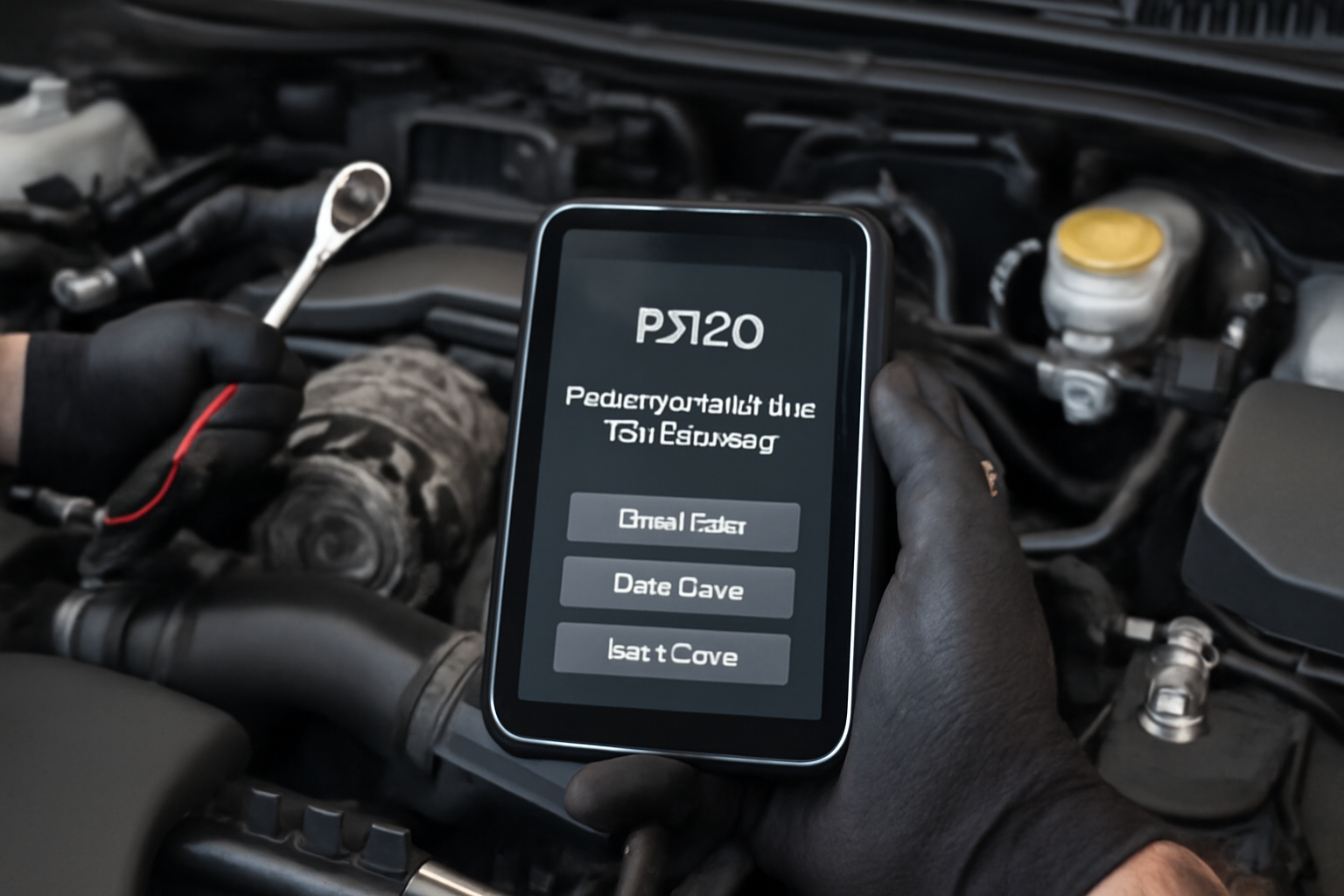
Transmission slipping feels like the engine revs up but the car doesn’t accelerate proportionally, almost as if the gears aren’t fully engaging. It’s one of the most concerning symptoms a driver can experience, and for good reason. Ignoring it usually leads to complete transmission failure, which is one of the most expensive repairs on any vehicle.
The causes range from simple fluid issues to internal component wear. Here’s how to diagnose what’s happening and decide whether it’s a DIY fix or a shop job.
What Transmission Slipping Feels Like
During acceleration, the RPMs climb higher than normal before the transmission catches and the car lurches forward. You may notice delayed engagement when shifting from park to drive (a pause of 1 to 2 seconds before the car moves). Shifts between gears feel soft, late, or accompanied by a flare in engine speed.
In severe cases, the transmission may refuse to engage a gear entirely, leaving you stuck in neutral. A burning smell from under the vehicle often accompanies advanced slipping.
Low or Degraded Transmission Fluid
Check the fluid level and condition first. Low fluid is the most common cause of slipping in automatic transmissions. With the engine running and warmed up, pull the transmission dipstick and check the level. If your vehicle doesn’t have a dipstick, a shop can check it through the fill plug.
Healthy fluid is translucent red. Dark brown or black fluid with a burnt smell has lost its friction properties and can’t maintain proper hydraulic pressure. A fluid change using the correct transmission fluid specification often resolves slipping caused by degraded fluid.

Automatic Transmission Fluid
Choose the correct specification for your vehicle’s transmission type
Clogged Transmission Filter
The transmission filter prevents debris from circulating through the valve body and clutch packs. A clogged filter restricts fluid flow, reducing the hydraulic pressure needed to hold gears firmly. On vehicles where the filter is accessible (typically by removing the transmission pan), replacing it along with a fluid change can restore proper operation.
Worn Clutch Packs
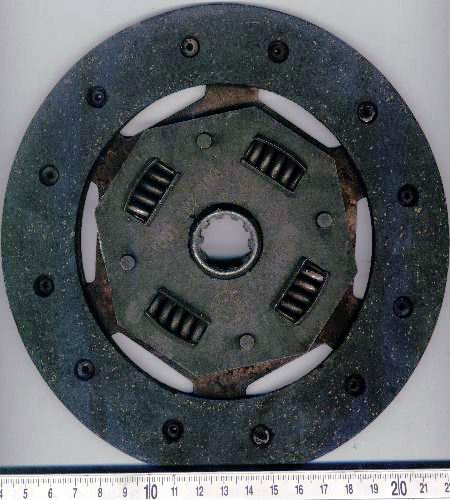
Automatic transmissions use internal clutch packs and bands to engage different gears. Over time, the friction material on these components wears thin, reducing their ability to hold under load. This is the most common cause of slipping in high-mileage transmissions (150,000+ miles).
Worn clutch packs require internal transmission work, either a rebuild or replacement. This is beyond the scope of DIY for most people and requires specialized tools and knowledge. If you’re shopping for a reliable used car that can reach high mileage, check the transmission service history carefully.
Solenoid Failure
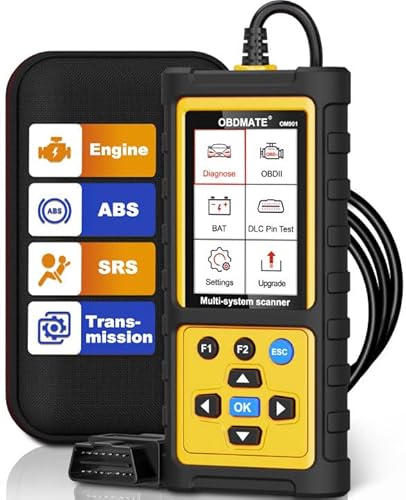
Shift solenoids are electromechanical valves that direct fluid flow to engage specific gears. When a solenoid fails or becomes stuck, the transmission can’t properly engage the affected gear, causing slipping or harsh shifting. An OBD2 scanner that reads transmission codes can identify a failing solenoid.
Solenoid replacement ranges from moderately accessible (external solenoids) to requiring transmission pan removal or partial disassembly (internal solenoids).
Fluid Change vs. Flush
A drain-and-fill replaces about 40% to 50% of the total fluid volume. This is the safer option for high-mileage transmissions that haven’t had regular fluid changes. It dilutes the old fluid without disturbing accumulated debris that may actually be helping worn components maintain engagement.
A complete flush replaces nearly all the fluid using a machine. While this provides the cleanest result, some mechanics caution against flushing transmissions with over 100,000 miles and no service history. The fresh fluid’s detergent properties can dislodge debris that was acting as a cushion for worn components, sometimes making slipping worse.
If you own a vehicle with a dual-clutch transmission like the Volkswagen GTI, follow the manufacturer’s specific service intervals closely. These transmissions have different maintenance requirements than conventional automatics.
When to Consider a Rebuild
If fluid changes, filter replacement, and solenoid service don’t resolve the slipping, internal component wear is the likely cause. A transmission rebuild involves removing the transmission, disassembling it, replacing worn clutch packs, bands, seals, and bearings, and reassembling it to factory specifications.
A quality rebuild typically includes a warranty and restores the transmission to near-new performance. It’s significantly less expensive than a brand-new transmission and is the standard repair approach for most vehicles.
Transmission failures are one reason certain models appear on lists of vehicles to avoid at high mileage. Research your specific make and model for known transmission issues before buying used.
Frequently Asked Questions
Can I drive with a slipping transmission?
You can drive short distances at low speeds, but continued driving accelerates internal damage. The heat generated by slipping clutch packs damages seals and other components, escalating the repair scope. Get it diagnosed as soon as possible.
Does transmission slipping always mean a rebuild?
No. Low fluid, dirty fluid, a clogged filter, or a failing solenoid can all cause slipping and are fixable without a rebuild. Start with the simplest, cheapest diagnosis before assuming the worst.
How long does a rebuilt transmission last?
A quality rebuild with proper maintenance (regular fluid changes) should last 100,000 miles or more. The lifespan depends heavily on driving habits and maintenance frequency after the rebuild.
Is a transmission flush or drain-and-fill better for my car?
For high-mileage vehicles (over 100,000 miles) with unknown service history, a drain-and-fill is safer. It refreshes the fluid without risking dislodging debris that may be helping worn components function. For newer vehicles with regular maintenance, a flush provides more thorough cleaning.


Leave a Reply