
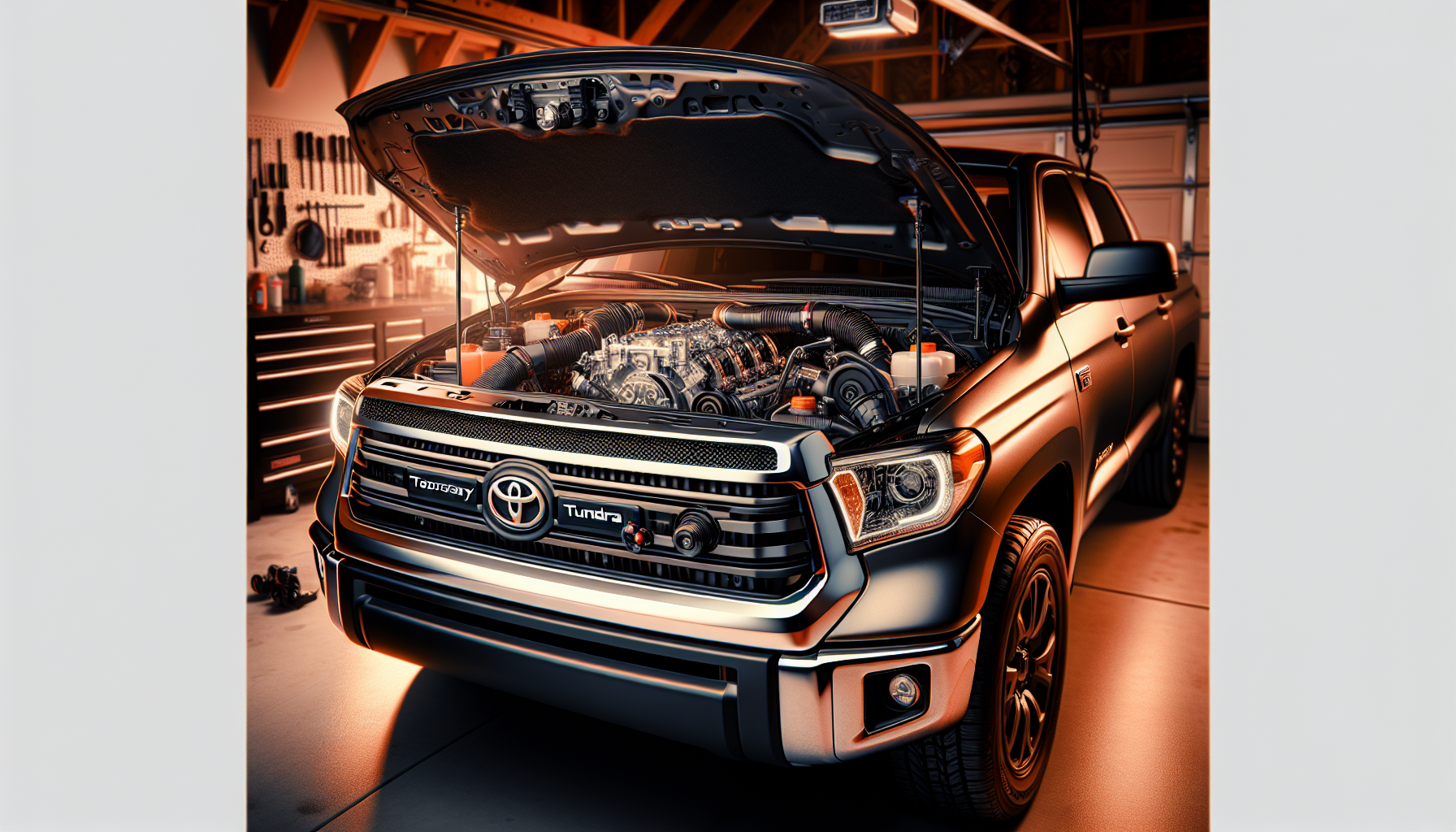
If your Tundra’s check engine light just came on and you’re staring at a P0410, P0418, P0443, or P2443 code, you’ve likely got a secondary air injection system problem. This emissions system pumps fresh air into the exhaust manifold during cold starts to help the catalytic converter warm up faster and reduce emissions. When it fails, your truck will still run fine, but you’ll fail emissions testing and that annoying light won’t go away.
The good news is that this is a well-documented issue on 2007-2021 Tundras with the 5.7L V8. The bad news? Toyota’s fix involves replacing some expensive parts. But before you hand over your wallet to the dealership, there are some things worth checking yourself.
Common Causes
The secondary air injection system has several components that can fail, and age is the biggest enemy here. If your Tundra has over 100,000 miles, you’re in the prime failure zone.
Failed Secondary Air Injection Pump
This electric pump does all the heavy lifting, forcing air into the exhaust system during the first few minutes after a cold start. The pump typically fails because water gets into the housing and corrodes the motor internals. I’ve pulled apart failed pumps and found rust, seized bearings, and burned-out motor windings. Once they start making grinding noises or stop spinning entirely, they’re done.
Stuck or Leaking Air Switching Valve
The air switching valve (ASV) directs air from the pump to the exhaust manifold. These valves can stick open, stick closed, or develop vacuum leaks. Carbon buildup is usually the culprit. When they fail, the ECU can’t properly control where the air goes, triggering fault codes.
Clogged or Damaged Check Valves
Check valves prevent exhaust gases from backing up into the air injection system. Heat and carbon deposits can cause these one-way valves to fail. When they do, hot exhaust gases can damage the pump and other components upstream.
Vacuum Leaks and Broken Hoses
The system relies on vacuum lines to control the ASV. These rubber hoses get brittle over time and crack. I’ve found plenty of Tundras where a $5 vacuum hose was the entire problem, but the owner was quoted $1,200 for a new pump.
Corroded Electrical Connections
The pump relay and electrical connectors live in a harsh environment under the hood. Moisture causes corrosion, and corroded connections mean the pump won’t get power when it should.
How to Diagnose the Problem
Start by pulling the codes with an OBD-II scanner. Write them down because they’ll point you in the right direction.
Listen for Pump Operation
The pump only runs during cold starts, so let your truck sit overnight. In the morning, pop the hood and have someone turn the key to start the engine while you listen near the driver’s side of the engine bay. You should hear a distinct whirring sound for about 60-90 seconds after startup. If you hear grinding, squealing, or nothing at all, the pump is likely dead.
Check for Vacuum Leaks
With the engine running, inspect all vacuum lines connected to the air switching valve. Look for cracks, disconnected hoses, or brittle rubber. Spray a little soapy water on connections and watch for bubbles. Replace any questionable hoses before throwing parts at the problem.
Test the Air Switching Valve
The ASV is located near the driver’s side of the engine. With the engine cold, disconnect the vacuum line and apply vacuum with a hand pump. The valve should hold vacuum. If it doesn’t, it’s leaking internally. You can also check for carbon buildup by removing the valve and inspecting the passages.
This video walks through the diagnostic process and shows you exactly what causes these failures:
Inspect the Check Valves
Remove the check valves from the exhaust manifold ports. Blow air through them in one direction (should flow easily), then try the opposite direction (should be blocked). If air flows both ways, the valve is shot. Also look for carbon buildup that could prevent proper seating.
Check Electrical Connections
Locate the pump relay in the fuse box and swap it with another relay of the same type to rule out a bad relay. Inspect the pump connector for corrosion or burned terminals. Clean them with electrical contact cleaner if needed.
How to Fix It
Once you’ve identified the failed component, fixing it isn’t terribly complicated. Most DIYers with basic tools can handle these repairs.
Replacing the Secondary Air Injection Pump
The pump sits low on the driver’s side, near the frame rail. You’ll need to remove the inner fender liner to access it. Disconnect the battery first. Remove the electrical connector and the two inlet/outlet hoses (be ready for some trapped water to drain out). Three bolts hold the pump to its bracket. Installation is the reverse, but make sure to clean the hose connections and check that the mounting bracket isn’t corroded.
Here’s a detailed walkthrough of the pump replacement process:
Cleaning or Replacing the Air Switching Valve
If the valve is just carboned up, you can try cleaning it with carburetor cleaner and compressed air. Remove it from the engine, soak it for an hour, then blow out all the passages. Test it with a vacuum pump before reinstalling. If it won’t hold vacuum or the diaphragm is torn, replace it. New valves run about $150-200 from Toyota.
Replacing Check Valves
These screw into the exhaust manifold. Let the engine cool completely before attempting removal, or you’ll strip the threads. Use a deep socket and be patient. Apply anti-seize to the new valve threads before installation. Torque to spec (around 44 ft-lbs, but verify in your service manual).
Fixing Vacuum Leaks
Replace any cracked or brittle vacuum lines with high-temperature vacuum hose from your local auto parts store. Make sure connections are tight. This is the cheapest fix possible and solves the problem more often than you’d think.
The Bypass Solution
Some owners install a secondary air injection bypass module that tricks the ECU into thinking the system is working properly. This keeps the check engine light off without actually fixing the system. It’s not legal in all states and won’t help you pass emissions testing if your state checks the system functionality. But if you live somewhere without emissions testing, it’s an option that costs less than $200 and takes 30 minutes to install.
When to See a Mechanic
Most of these repairs are doable at home, but there are situations where professional help makes sense.
If you’re getting multiple codes that point to different system components, there might be an underlying issue like ECU problems or wiring faults that require diagnostic equipment beyond a basic code reader. Chasing your tail replacing parts one at a time gets expensive fast.
Removing check valves from the exhaust manifold can be tricky if they’re seized. If you’re not comfortable working with stuck exhaust components, let a shop handle it. Stripped threads in your exhaust manifold turn a simple job into a nightmare.
If you live in a state with strict emissions requirements, a shop with emissions certification can ensure the repair is done correctly and document the work for inspection purposes.
Estimated Repair Costs
| Repair Type | DIY Cost | Shop Cost |
|---|---|---|
| Vacuum hose replacement | $10-20 | $80-150 |
| Air switching valve replacement | $150-200 | $300-450 |
| Check valve replacement (both) | $100-150 | $250-400 |
| Secondary air pump replacement | $300-500 | $800-1,200 |
| Complete system overhaul | $500-700 | $1,200-1,800 |
| Bypass module installation | $150-200 | $250-350 |
These are rough estimates. OEM Toyota parts cost more than aftermarket, and labor rates vary by location. The pump itself is the most expensive component, which is why proper diagnosis is critical before you start buying parts.
Prevention Tips
You can’t prevent this system from eventually wearing out, but you can extend its life.
Check the pump drain hole regularly. There’s a small weep hole on the bottom of the pump housing that’s supposed to let condensation drain out. If it gets clogged with dirt, water accumulates inside and ruins the motor. Clean it out with a small wire or compressed air every oil change.
Don’t ignore vacuum leaks. Small leaks only get worse and can cause the system to work harder than necessary, shortening component life. Fix them when you find them.
If you live in an area with harsh winters and they salt the roads heavily, spray the pump and surrounding area with corrosion inhibitor periodically. The salt accelerates rust formation.
Pay attention to how your truck sounds during cold starts. If the pump starts making noise, address it before it fails completely and potentially damages other components like the check valves.
Final Thoughts
The secondary air injection system failure is common enough on these Tundras that Toyota should have issued a recall, but they haven’t. If you caught the problem early and it’s just a vacuum leak or dirty valve, count yourself lucky. A failed pump is more expensive but still manageable for most DIYers.
Don’t let a dealership scare you into replacing the entire system if only one component has actually failed. Proper diagnosis saves money. And if you’re handy with tools, this is absolutely something you can tackle in your driveway over a weekend.


Leave a Reply