
If you own a Toyota Tacoma, especially one from the first or second generation (1995-2015), you’ve probably heard about the frame rust issue. Maybe you’ve even crawled under your truck and found some suspicious orange flakes. This isn’t just surface rust we’re talking about. Toyota had a serious problem with frame corrosion that led to a massive recall and buyback program. The frames were failing structurally in some cases, and Toyota ended up spending over $3 billion to address it.
The problem mostly affected Tacomas from certain production years, particularly those sold in states that use road salt. But even if you live somewhere warm, rust can still happen. Understanding what causes it and how to prevent it can save you from a totaled truck or a scary situation on the road.
Common Causes
Toyota used a specific frame design and coating process that just didn’t hold up. The frames on affected Tacomas were manufactured by a supplier called Dana, and they had a coating that actually trapped moisture against the metal instead of protecting it. Think of it like wearing a raincoat that holds water inside. Once moisture got under that coating, the steel started corroding from the inside out.
Road salt makes everything worse. If you live in the Rust Belt or anywhere that salts roads in winter, your Tacoma was exposed to a chemical that actively accelerates corrosion. Salt lowers the freezing point of water, which is great for roads but terrible for your frame. It keeps moisture in contact with the metal even in cold temperatures.
The C-channel design of the Tacoma frame created perfect little pockets where mud, salt, and water could collect. The rear crossmember and leaf spring mounts are particularly bad spots. Water gets in there and just sits. The frame has drain holes, but they weren’t enough to prevent buildup in certain areas.
Poor undercoating or no undercoating at all from the factory left the metal exposed. Some owners made it worse by pressure washing the undercarriage, which sounds like a good idea but can actually blast protective coatings off and force water into places it wouldn’t normally reach.
How to Diagnose the Problem
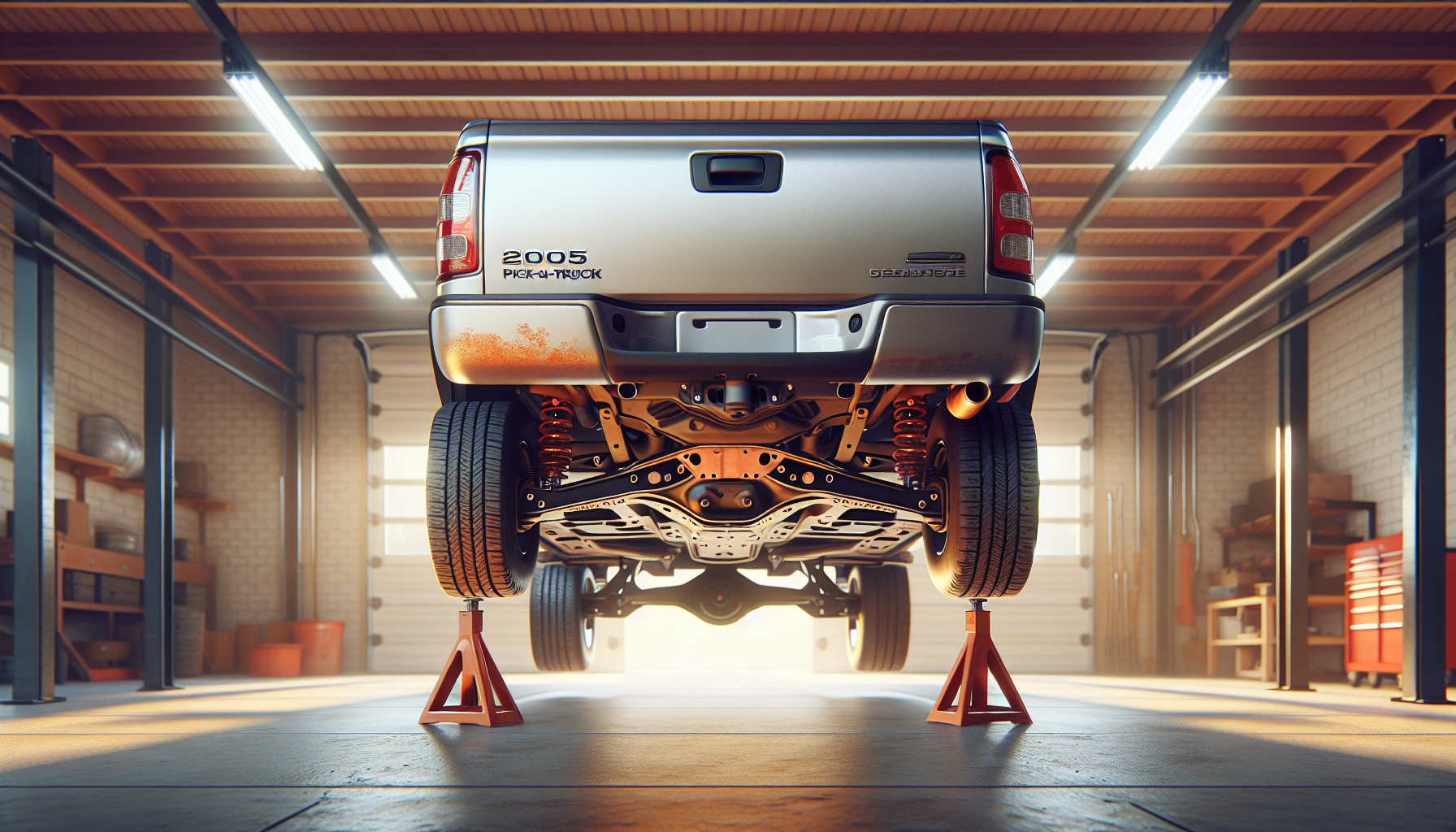
Get under your truck. You need good lighting and a safe way to access the underside. Jack stands or ramps work, but make sure everything is secure before you slide underneath.
Start at the rear and work your way forward. The rear crossmember where the bumper mounts is often the first place to show serious rust. Look for surface scaling that flakes off easily. Poke suspicious spots with a screwdriver. If the screwdriver goes through the metal or chunks fall off, you’ve got a problem.
Check the leaf spring mounting points. These are high-stress areas that take a lot of force. If the metal here is compromised, it’s dangerous. Look for visible holes, heavy pitting, or areas where the frame looks thin or deformed.
Inspect the entire length of the frame rails. Pay attention to seams, welds, and anywhere the frame design creates a horizontal surface where debris can sit. Use a wire brush on suspicious spots to see what’s under the surface rust. Sometimes what looks like heavy rust is just surface corrosion on solid metal. Other times, you’ll brush away flakes and find nothing but air underneath.
Look for previous repair attempts. Some trucks have had sections patched or plated. Check if those repairs are holding up or if rust is continuing around the repair area.
This video gives you a detailed look at what frame rust looks like on a first-gen Tacoma:
How to Fix It
Surface rust can be stopped. If you’ve got light to moderate surface corrosion but the frame is still structurally sound, you can treat it yourself. Wire brush or use a grinding wheel to remove all the loose rust and scale. You want to get down to bare metal or at least solid rust that doesn’t flake off.
After cleaning, treat the metal with a rust converter or encapsulator. These products chemically convert rust into a stable compound or seal it away from moisture. Follow the product instructions for application and drying time.
Once the rust treatment has cured, apply a proper undercoating. I prefer rubberized undercoating or a product like Fluid Film that penetrates and provides long-term protection. Don’t use anything that will trap moisture. The coating needs to either seal completely or allow the metal to breathe.
For more serious rust where the frame has holes or structural damage, you’re looking at welding in new metal. This isn’t a weekend DIY job unless you’re a competent welder and understand structural repairs. The frame needs to maintain its strength, and a bad weld is worse than no weld.
Some people use patch panels or plates bolted and welded over rust holes. This can work for small areas, but you need to make sure you’re actually attaching to solid metal. The repair also needs to be sealed properly so rust doesn’t continue underneath.
Here’s a walkthrough of a budget frame repair approach:
When to See a Mechanic
If the rust has compromised any structural part of the frame, don’t drive the truck until a professional evaluates it. Leaf spring mounts, crossmembers, and anything that supports critical components need to be solid. A frame failure while driving can cause loss of control or even separate the bed from the cab.
When rust is extensive and throughout multiple sections of the frame, you need a professional assessment. A good frame shop can tell you if the truck is repairable or if you’re looking at a frame replacement or total loss situation.
Frame replacement is a major job. The entire body comes off, the old frame goes away, and a new one goes underneath. This requires specialized equipment and costs serious money. Most shops charge $5,000 to $10,000+ for this job depending on your location and the condition of the truck.
If your Tacoma falls under the recall years (check with Toyota using your VIN), you might still qualify for recall coverage even though the official program has ended. Some owners have successfully gotten buybacks or frame replacements years after the program supposedly closed. Call Toyota corporate and push the issue if your frame is rotted.
Estimated Repair Costs
| Repair Type | Cost Range |
|---|---|
| DIY surface rust treatment and undercoating | $100-$300 |
| Professional rust treatment and undercoating | $500-$1,200 |
| Minor frame repair (small patches/welding) | $800-$2,500 |
| Major frame section replacement | $2,000-$5,000 |
| Complete frame replacement | $5,000-$12,000+ |
| Toyota recall coverage (if eligible) | $0 (or buyback at 150% value) |
Prevention Tips
Wash your undercarriage regularly, especially after winter driving. But do it gently. A regular garden hose works fine. You want to rinse off salt and debris without blasting protective coatings away. Don’t use a high-pressure washer directly on the frame.
Apply an annual undercoating treatment. Fluid Film is popular because it creeps into seams and provides ongoing protection without hardening. Spray it everywhere under the truck, getting into the frame channels through drain holes and anywhere you can access.
Keep drain holes clear. The frame has small holes designed to let water escape. If these get clogged with mud or debris, water sits inside the frame and rusts from the inside. Check them periodically and poke them clear with a wire.
Store your truck in a garage if possible, especially in winter. Keeping it out of the elements slows corrosion significantly. If you can’t garage it, at least try to park on pavement instead of dirt or grass where moisture stays in contact with the undercarriage.
Inspect regularly. Twice a year, get under the truck and look at the frame. Catching rust early means you can treat it before it becomes structural. Once you’ve got holes, your options get expensive fast.
Consider an oil spray treatment from a professional rustproofing shop. Some shops offer annual oil spray services that coat the entire undercarriage in a thin protective film. This isn’t the same as rubberized undercoating. It’s a penetrating oil that gets into every crack and seam.
Know Your Recall Status
Toyota issued recalls for 1995-2000 Tacomas, 2001-2004 Tacomas, and 2005-2011 Tacomas at different times. The recall program officially ended, but the rust warranty was extended to 15 years from the original sale date with unlimited mileage in some cases. If your truck is rusty and falls into these years, call Toyota at 1-800-331-4331 with your VIN.
Some owners got full buybacks at 150% of the truck’s book value. Others got frame replacements for free. Even if you’re past the warranty period, document everything and push Toyota for coverage. They’ve been known to make exceptions when the rust is clearly related to the original defect.
Frame rust on a Tacoma isn’t something you ignore. These are great trucks that can last 300,000 miles if the frame holds up. Check yours now, treat what you find, and stay on top of prevention. A few hours of maintenance each year beats watching your truck dissolve from underneath.

Leave a Reply