
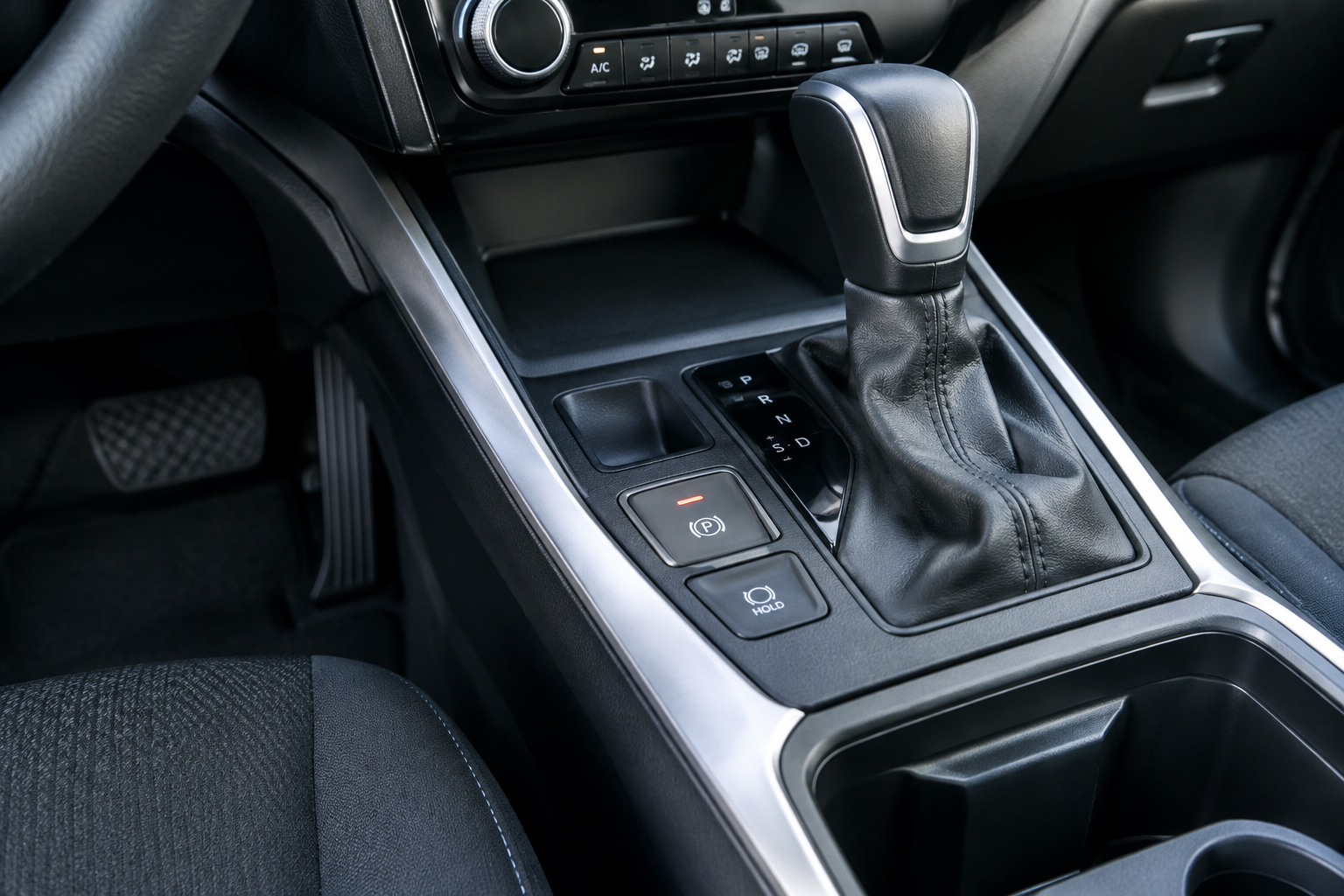
You hop in your RAV4, press the brake pedal, hit the ignition button, and reach for the parking brake switch expecting it to release like it always does. Instead you get a stubborn warning light, a beep, or a brake symbol that just won’t clear. An electronic parking brake (EPB) that won’t release can feel alarming, especially if you’re blocked in or running late, but most causes are simple electrical or procedural issues rather than a failed caliper.
Before you panic or start looking up tow truck numbers, it helps to understand how the RAV4’s EPB actually works and what conditions it needs to release safely. This guide walks through the checks in the order a technician would actually try them, starting with the free and easy stuff first.
How the RAV4’s Electronic Parking Brake Actually Works
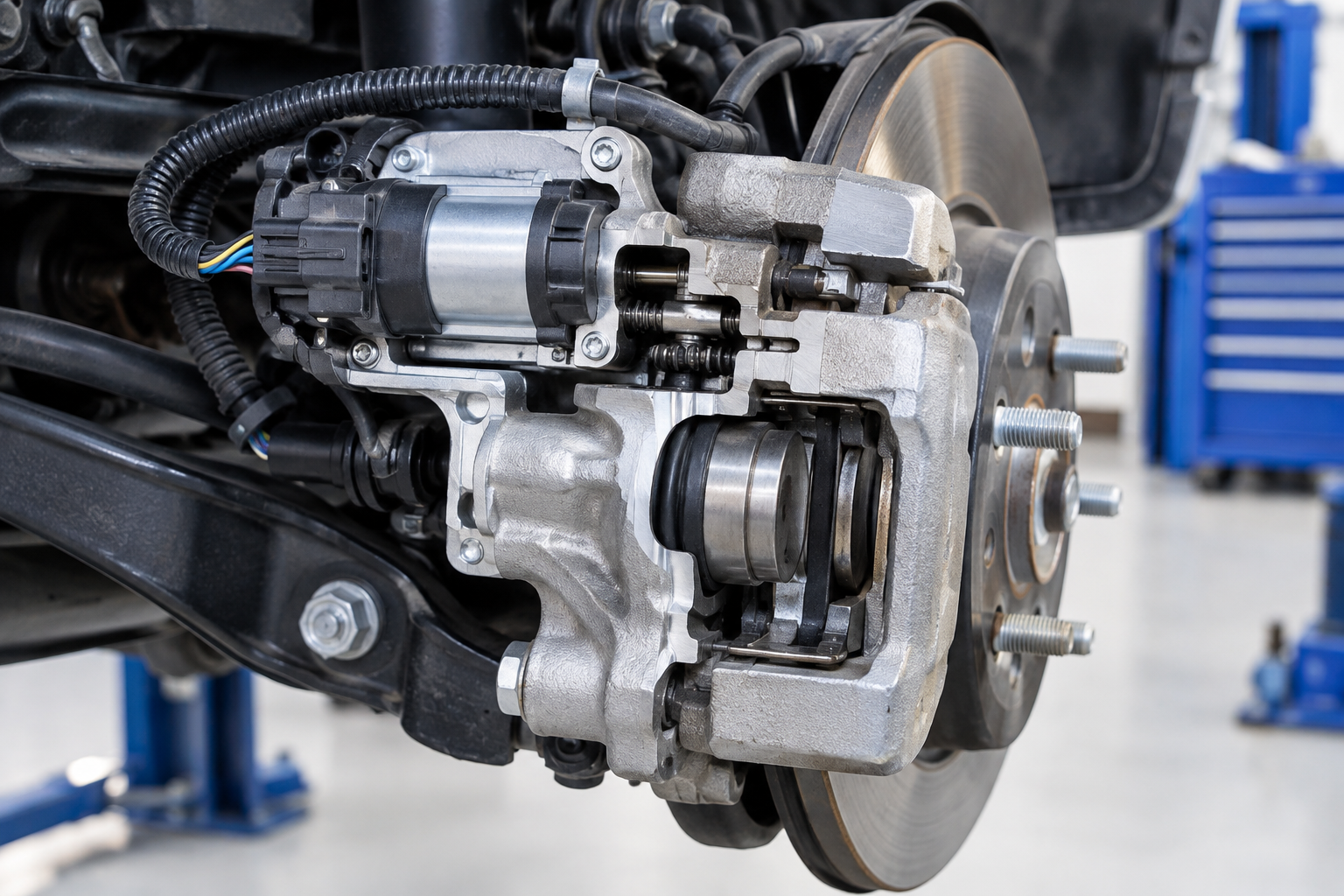
Instead of a cable running to drum brakes or rear calipers, the RAV4’s EPB uses a small electric motor built into each rear caliper. When you pull up on the switch, a control module sends voltage to the motor, which screws the caliper piston against the rotor to clamp the brake. Pushing the switch down reverses the motor and backs the piston off.
That motor and the module controlling it need a few conditions met before they’ll release: adequate battery voltage, the brake pedal pressed (on most model years), the ignition in the ON or Ready position, and no active fault codes stored in the EPB system. If any one of those is missing, the system will often refuse to release and throw a warning light rather than risk an unsafe or incomplete release.
Start With the Basics: Safe Checks Before You Assume the Worst
Most EPB complaints turn out to be something simple. Work through these before assuming you need a new caliper or module.
- Press the brake pedal firmly. Many RAV4 model years require your foot on the brake before the EPB will release, similar to how you can’t shift out of Park without braking.
- Confirm the ignition is fully in the ON or Ready position. A partial start or accessory-only mode won’t give the module enough authority to run the caliper motors.
- Check that your driver’s door is closed and your seat belt is buckled. Some RAV4 trims tie the auto-release feature to these inputs, and an open door can prevent the parking brake from disengaging when you put the vehicle in gear.
- Look at your battery voltage. If the battery is weak, sitting below the roughly 11.5 to 12 volt range at rest, the EPB module may not release the caliper motors even though everything else works fine.
- Check for other warning lights. A charging system warning, ABS light, or master warning light alongside the EPB alert usually points to a shared electrical cause rather than a brake-specific failure.
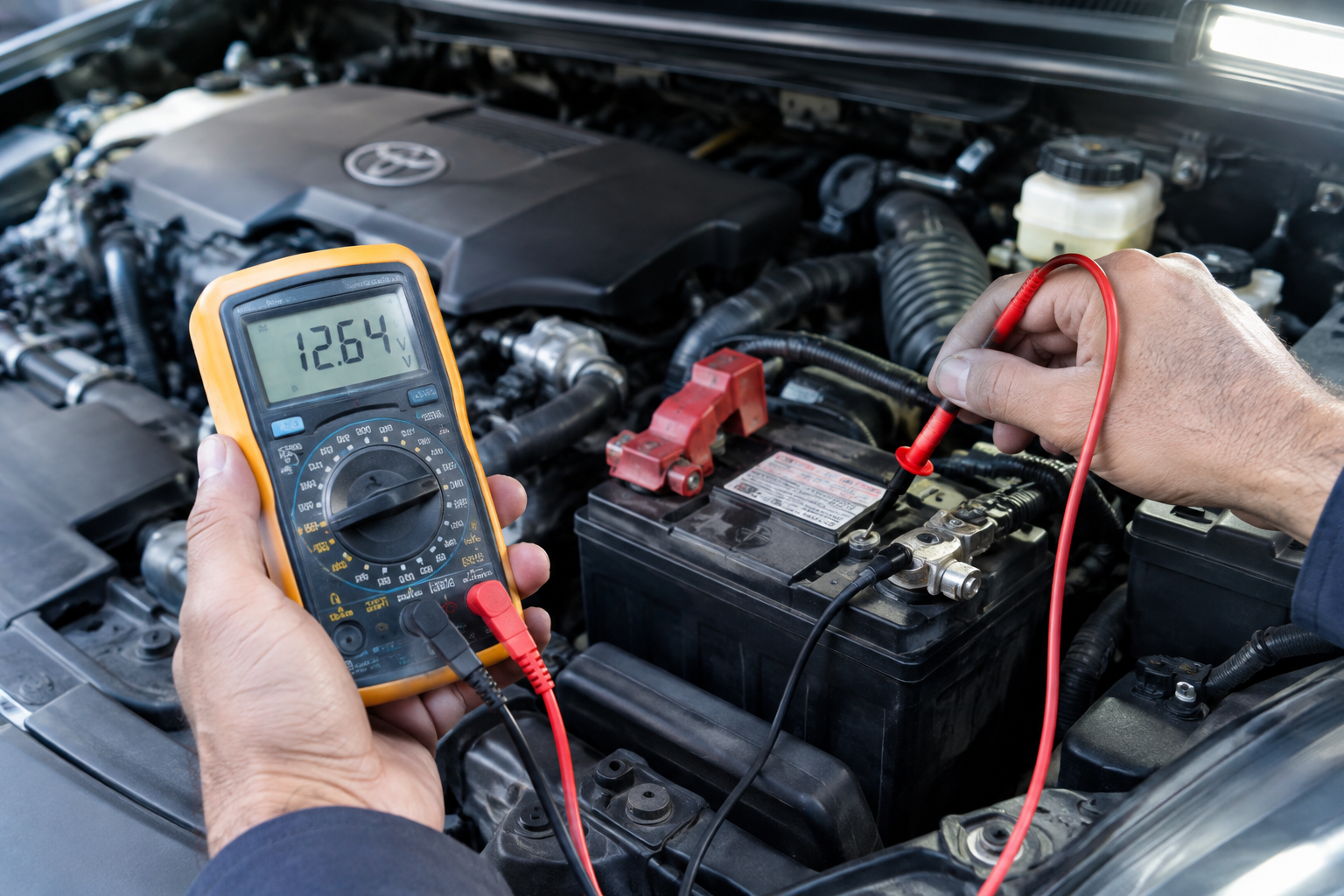
If your battery is old, corroded at the terminals, or simply worn out, that’s a very common root cause of EPB release problems. A quick way to rule this out is a cheap voltage or load test at a parts store, or checking it yourself with a basic multimeter before you spend money diagnosing the brake system itself.
Low Voltage and Electrical Faults
The EPB motors draw a real amount of current for a moment when they engage or release, and if your electrical system is already stressed, that draw can trip a fault. This shows up most often in RAV4s with an aging 12-volt battery, a failing alternator, or corroded ground connections near the rear of the vehicle where the caliper wiring runs.
If you’ve recently had a dead battery, jump-started the vehicle, or disconnected the battery for any reason, the EPB module may need a moment to re-initialize. In some cases the system stores a fault from the low-voltage event and needs that code cleared before it will behave normally again. This is where a scan tool becomes genuinely useful instead of optional.
A basic OBD2 scanner that can read manufacturer-specific codes, not just generic engine codes, will show you exactly what the EPB module is flagging. Toyota’s brake system codes are specific enough to point you toward a battery issue, a switch issue, or an actuator issue rather than leaving you guessing.
Toyota RAV4 OBD2 Scanner
A bidirectional scanner that reads Toyota-specific brake and body codes, not just generic engine codes, so you can actually see what the EPB module is complaining about.
If you’re chasing a voltage-related gremlin, it’s also worth having a reliable way to check the battery itself rather than guessing. A digital multimeter lets you confirm resting voltage and see if it drops abnormally when you try to release the parking brake, which tells you a lot about whether the battery or alternator is the real problem.
Switch, Actuator, and Caliper Problems
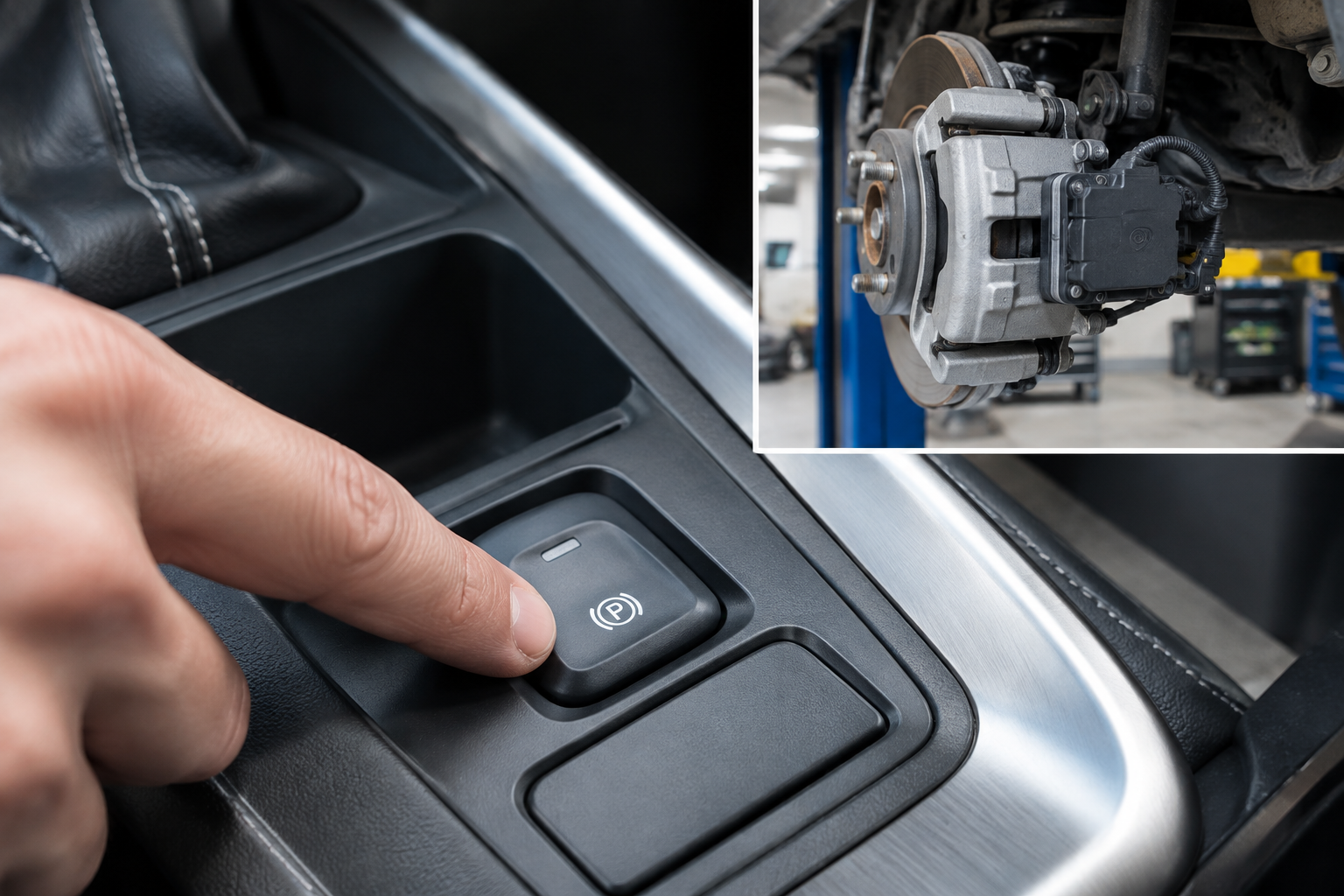
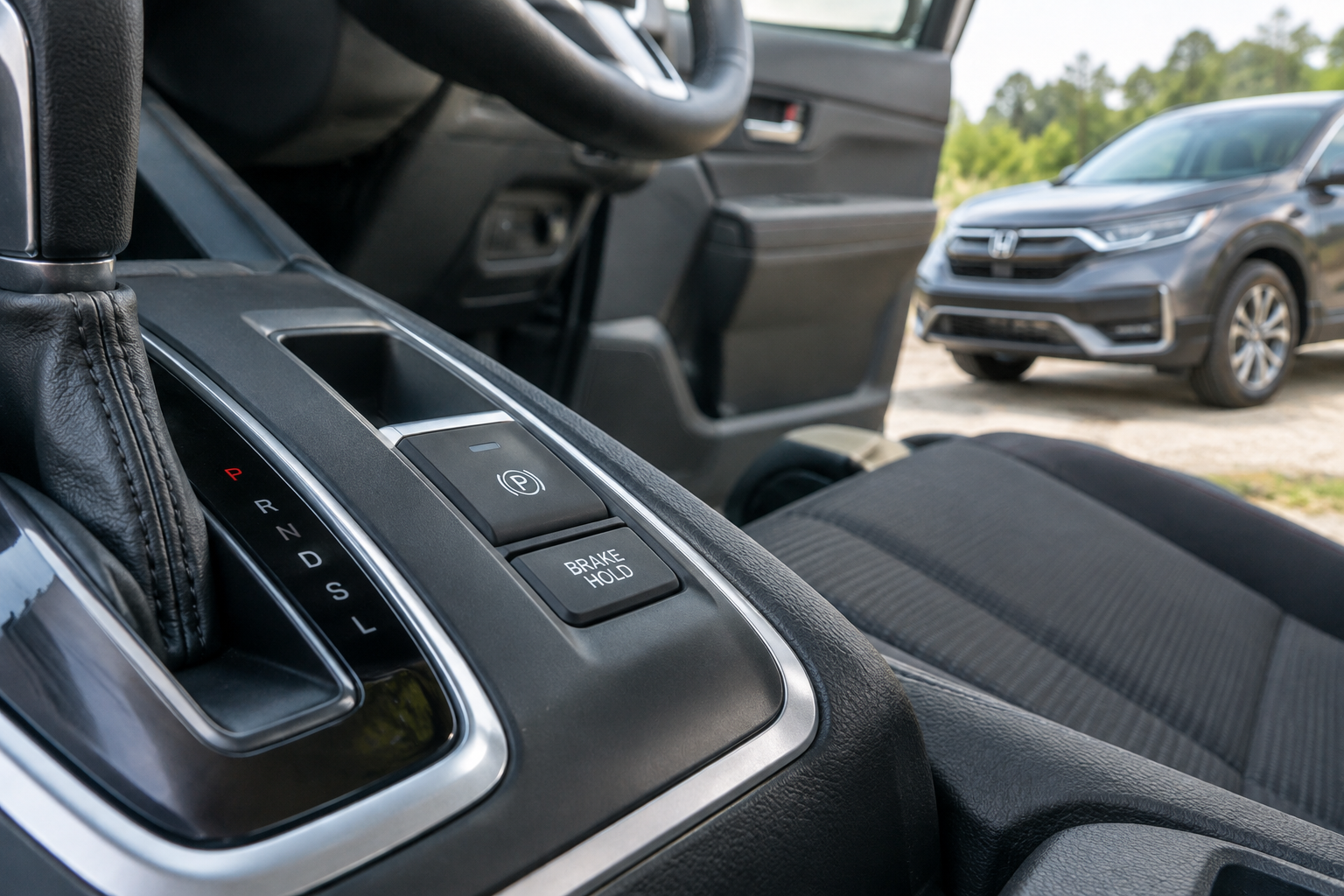
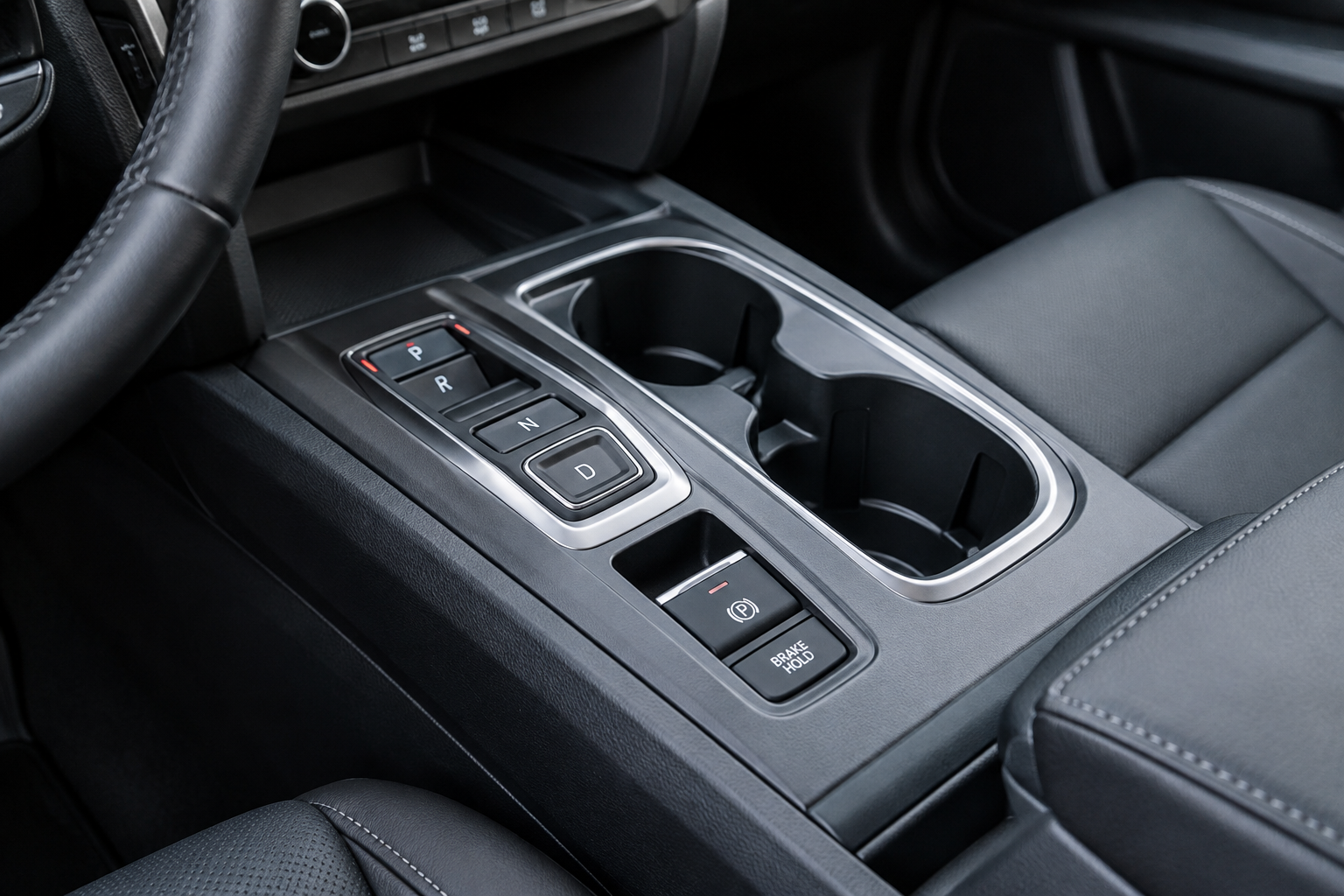
If your voltage checks out fine and you’ve confirmed the pedal, door, and ignition conditions are all correct, the next suspects are mechanical or component-level. The EPB switch itself, the small toggle near your shifter, can fail internally so it doesn’t send a clean release signal even though it feels normal to press.
Corrosion or debris on the rear calipers can also physically bind the actuator, especially on RAV4s that see a lot of road salt or sit unused for long stretches. In these cases the motor may be trying to release but the caliper piston is seized enough that it can’t complete the movement, which the module reads as a fault and locks out further attempts until it’s addressed.
A worn or damaged wiring harness at the rear axle is another possibility, particularly if you’ve had suspension work done recently or noticed chafing near the rear wheel wells. This is less common than a weak battery but it does happen, and it’s not something you can diagnose without a scan tool or a lift.
If your RAV4 is also showing other brake symptoms, like a pedal that feels soft or sinks slowly, it’s worth reading through this guide on a brake pedal going to the floor after sitting overnight, since a shared hydraulic issue can sometimes coincide with EPB warnings even though the systems are technically separate.
Service Mode and Why It Complicates Things
Toyota built a “maintenance mode” or service mode into the EPB system specifically so technicians can retract the caliper pistons fully during brake pad replacement. If a previous shop worked on your rear brakes and didn’t exit service mode properly, the EPB can be left in a state where it won’t respond normally to the switch until that mode is closed out with a scan tool.
This is a common cause of a “new” EPB problem that shows up right after a brake job, and it’s often mistaken for a failed actuator when the real issue is just an incomplete service procedure. If your parking brake started acting up shortly after any brake service, mention this specifically to whoever worked on the car, since it’s usually a quick fix rather than a parts replacement.
Service mode procedures and emergency release steps also vary by model year on the RAV4, since Toyota has updated the EPB system across different generations. Always check your specific owner’s manual for the exact steps rather than relying on generic instructions you find online, because using the wrong procedure can trigger additional faults or leave the system in an unexpected state.
What Not to Do
Never attempt to drive the RAV4 with the parking brake engaged in order to “force” it to release, even at low speeds in a parking lot. This can damage the caliper motor, warp the rotor, or in some cases cause the rear wheels to lock unpredictably, none of which fixes the underlying problem.
If your owner’s manual describes a manual emergency release procedure, typically involving a cable or access point in the trunk area for certain model years, follow those steps exactly rather than improvising. If you can’t locate this procedure or you’re not confident performing it, it’s reasonable to call for a tow rather than risk damaging the brake system further.
Frequently Asked Questions
Why does my RAV4 parking brake warning light stay on after I release it?
A warning light that stays on after release usually points to a stored fault code rather than an ongoing mechanical problem. This can happen after a low-voltage event, a battery disconnect, or an incomplete service mode exit, and clearing the code with a scan tool often resolves it if the underlying cause has already been addressed.
Can a weak battery really prevent the parking brake from releasing?
Yes, and it’s one of the most common causes. The caliper motors need a solid voltage supply to move the piston, and a battery that’s marginal at rest can drop below the threshold the EPB module needs the moment it tries to draw current.
Is it safe to drive with the electronic parking brake stuck on?
No. Driving with the EPB engaged can overheat the rear brakes, damage the caliper motor, and cause uneven wear or a sudden release at an unexpected time. If it won’t release through normal or manual emergency procedures, have the vehicle towed rather than driven.

Leave a Reply