
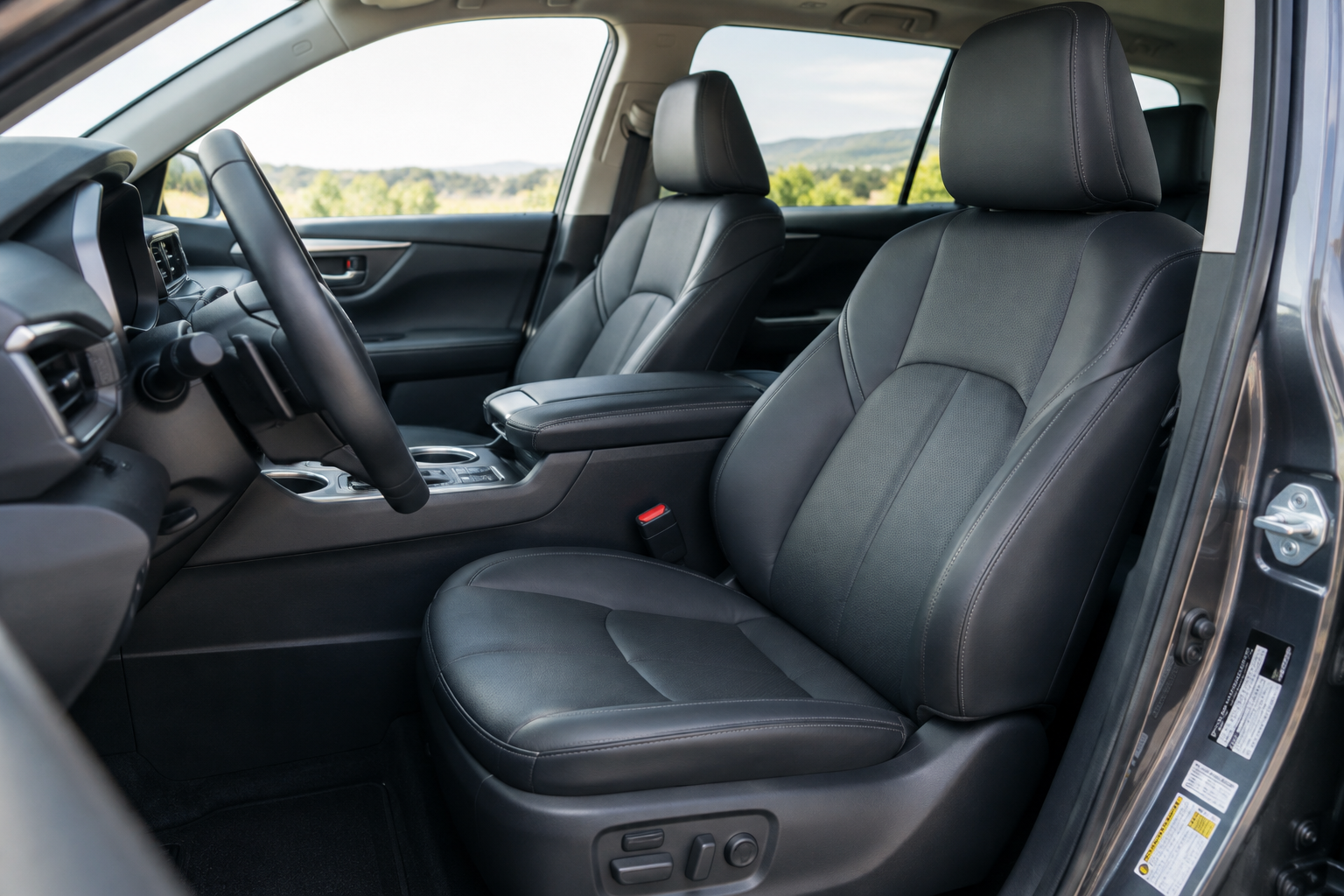
You climb into your Highlander, hit the memory seat button, and instead of sliding into your usual position, the seat either doesn’t move at all or stops somewhere that feels off. Maybe it worked fine last week. Maybe it’s been acting up since someone else drove the car, or since the battery died. Whatever the case, a memory seat that won’t save or recall correctly usually comes down to a handful of specific causes, and most of them don’t require a trip to the dealer.
Before you assume the seat motor or module is failing, it helps to understand how Toyota’s memory seat system is actually supposed to work. Once you know the correct save sequence and what can interrupt it, you can usually tell within a few minutes whether you’re dealing with a setup issue or an actual hardware problem.
Which Highlander Trims Even Have Memory Seats
Memory seats aren’t available across the whole Highlander lineup, so it’s worth confirming your trim actually has the feature before you spend time troubleshooting. On most model years, memory function is bundled into the Limited and Platinum trims, and sometimes it shows up as part of an optional package on XLE. Base LE and XLE trims typically don’t get it at all.
The feature is usually tied to the power seat with power lumbar and is often paired with memory mirrors and memory steering wheel position on higher trims. If your Highlander doesn’t have numbered buttons (usually labeled “1” and “2”) on the door panel near the seat switch, it doesn’t have memory seat capability, and no software trick will add it.
Model year matters too. Toyota redesigned the Highlander for 2020, and the memory system’s logic changed slightly between the third-generation (2014-2019) and fourth-generation (2020-present) trucks. If you’re working from an older forum post or a friend’s instructions, double check that it applies to your generation before assuming it should work the same way.
The Correct Save Sequence (And Why Skipping a Step Breaks It)
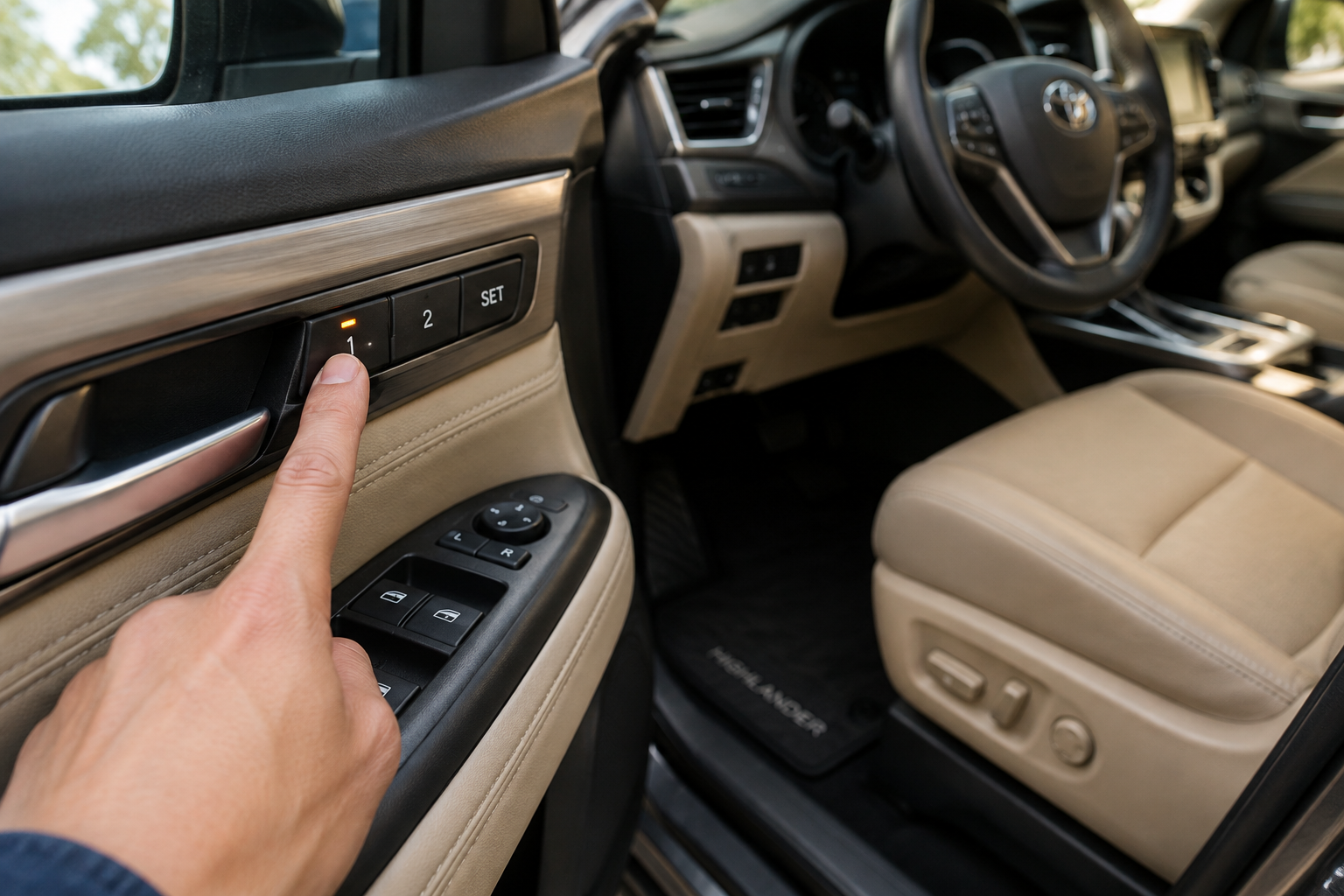
This is where most memory seat complaints actually originate. The save process on a Highlander requires a specific order of operations, and if you rush it or get interrupted, the position simply won’t stick.
The general sequence is:
- Turn the ignition on (or have the vehicle in accessory/on mode with the key inside or the smart key nearby).
- Adjust the seat, mirrors, and steering wheel (if equipped) to your preferred position.
- Press and hold the “SET” button until you hear a beep or see a confirmation light.
- While still holding SET, press memory button “1” or “2” within a few seconds.
- Release both buttons once you hear the second confirmation beep.
If you let go of SET too early, or if you press the memory button after the confirmation window closes, the system discards the input and keeps whatever position was previously saved. This is the single most common reason drivers think their memory seat is “broken” when it’s really just a timing issue with the save sequence.
It also helps to make sure the vehicle is fully stopped and not mid-cycle through any other electrical process, like a door being open with the dome light still active or the car just waking from a long sleep. Try the sequence again with the driver’s door closed and the vehicle in a stable on state.
Key Fob and Driver Profile Association
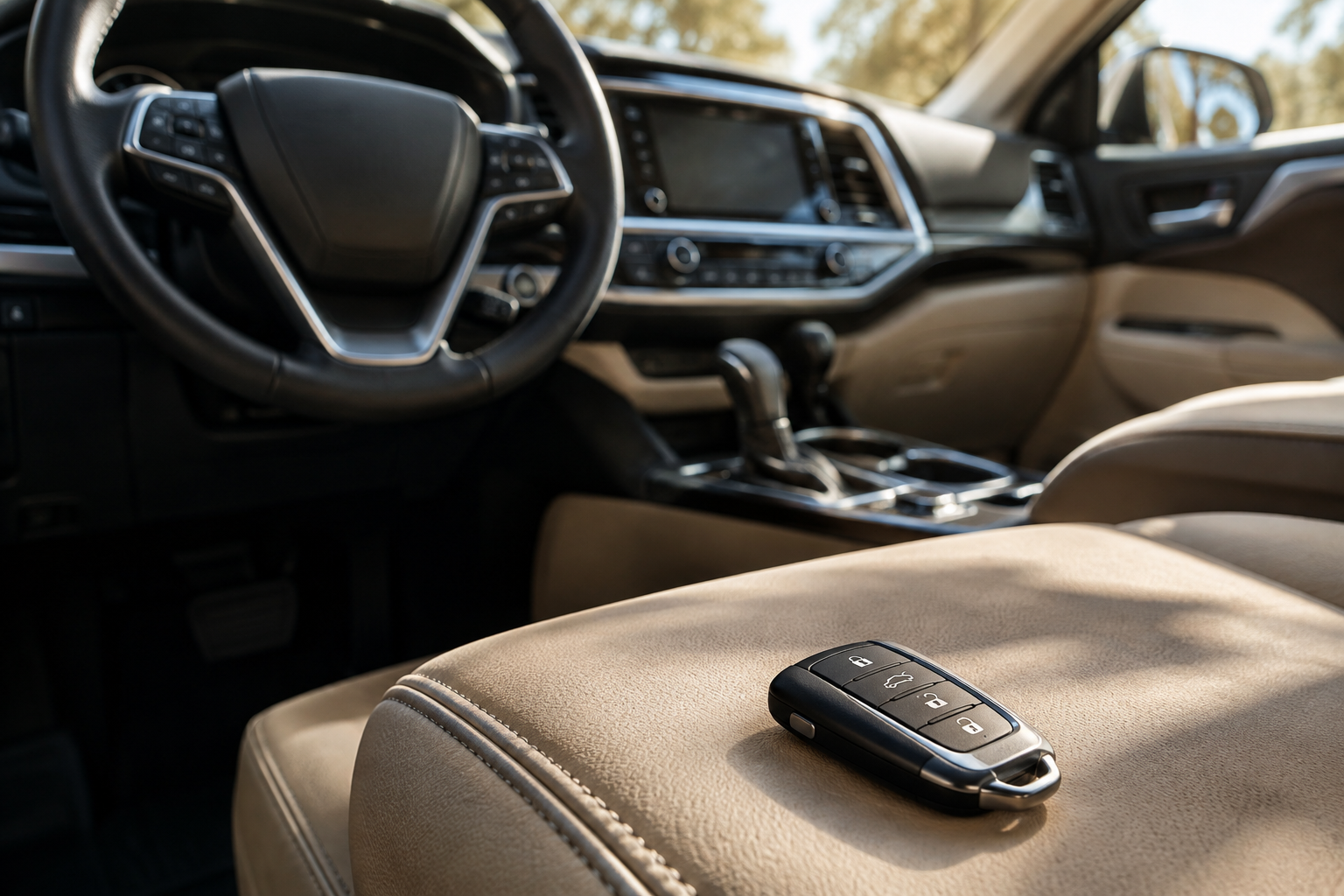
Toyota’s memory system links seat positions to specific key fobs, not just to buttons 1 and 2 in isolation. If your Highlander has two key fobs programmed to the vehicle, each fob can theoretically call up a different memory slot automatically when you unlock the door, depending on how the system is configured.
This is a common source of confusion in households where two drivers share the vehicle. If your spouse’s key fob is associated with memory slot 1 and yours is slot 2, but someone re-saved a position under the wrong slot, you’ll walk up to the car and the seat will move to a stranger’s setup before you even touch a button.
Check which fob you’re actually using before assuming the system is glitching. If you recently got a replacement key cut or reprogrammed after losing one, that new fob may not carry over the old memory association and could need to be re-paired to a slot manually through the seat buttons.
Easy Entry/Exit Settings Can Override Your Memory Position
The Highlander’s easy entry/exit feature automatically slides the seat back and drops it slightly when you shift into park and open the door, then returns it to your saved position when you start the vehicle and buckle your seatbelt. If this feature is functioning but the “return” half of the cycle isn’t completing, it can look exactly like a memory seat failure.
Usually this shows up as the seat sliding back correctly on exit but not sliding forward again on your next drive. Check your seat settings menu on the touchscreen (on 2020 and newer models this lives under Vehicle Settings) to confirm easy entry/exit is enabled and functioning, not just the memory feature itself. Toggling it off and back on sometimes clears a stuck state.
Seat Position Limits and Sensor Drift
Every power seat has physical end-of-travel limits programmed into its control module. If you’ve had aftermarket seat covers installed, a new subwoofer box wedged behind the seat, or any modification that restricts full seat travel, the module can lose track of true zero and start recalling positions that are slightly off from what you saved.
Over time, the position sensors inside the seat track (usually potentiometers or hall-effect sensors) can also drift or accumulate debris, especially in vehicles that see a lot of sand, mud, or spilled drinks. This kind of drift tends to get gradually worse rather than appearing overnight, which is a useful clue when you’re trying to figure out if it’s a settings issue or a sensor going bad.
If you suspect a failing seat switch is behind the problem, rather than a software or profile issue, it’s worth inspecting the switch assembly itself for sticky buttons, corrosion, or a cracked housing before replacing anything. You can find compatible replacement units by searching for a Toyota Highlander memory seat switch on Amazon and comparing OEM-style options against your Highlander’s model year.
Toyota Highlander Power Seat Switch
A direct OEM-style replacement switch is often cheaper and faster than a dealer part if your current switch is sticking or unresponsive.
A worn switch usually shows symptoms beyond just memory function, like the manual adjustment buttons feeling inconsistent or requiring extra pressure in certain directions. If manual seat adjustment feels normal in every direction but memory recall is the only thing failing, the switch is less likely to be the culprit and you should look at the module or sensors instead.
Battery Disconnects and Module Reinitialization
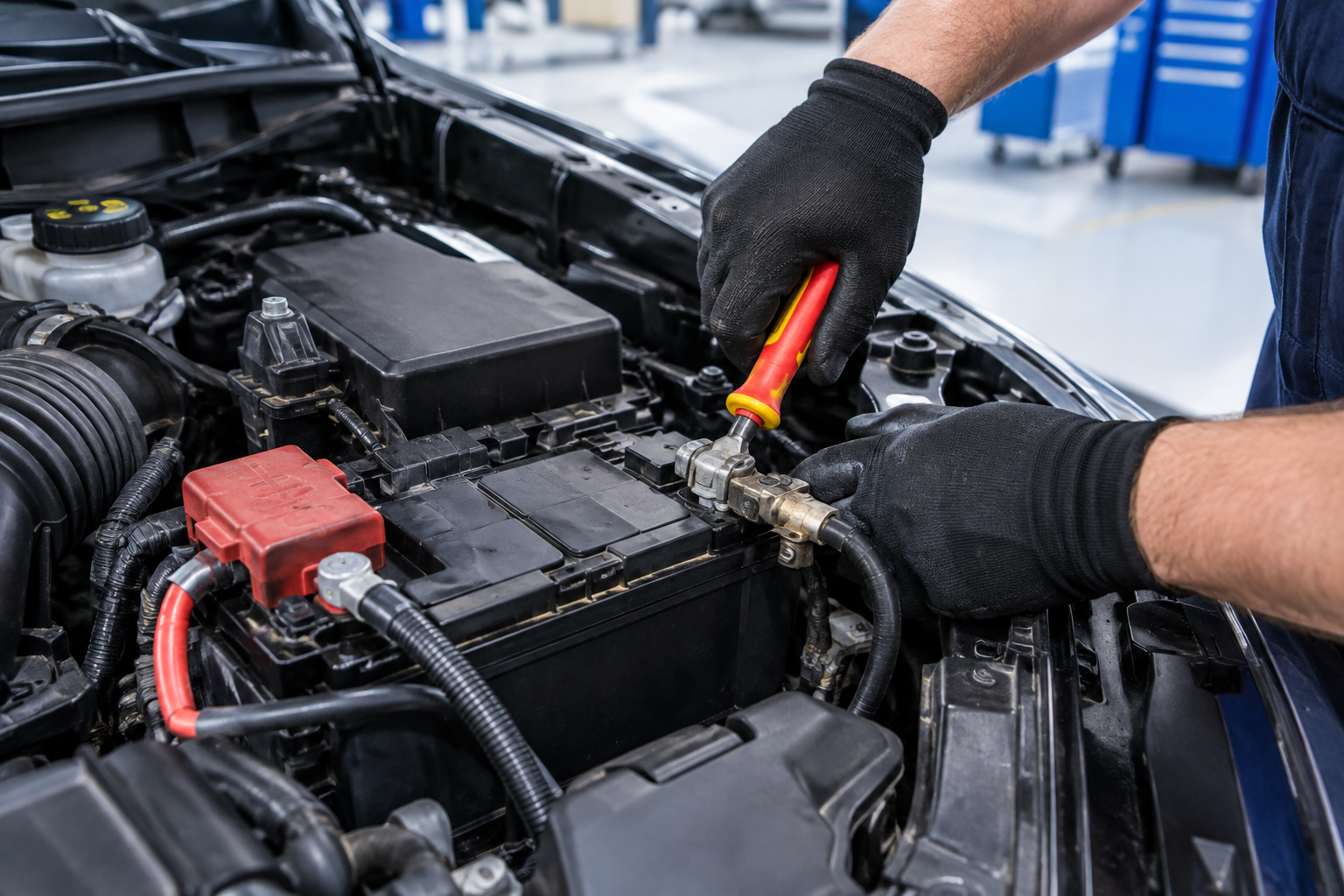
Disconnecting the 12-volt battery, whether for a repair, a jump start gone wrong, or just letting the car sit dead for too long, will often wipe stored memory seat positions on the Highlander. This is normal behavior for the system, not a sign of damage, but it does mean you’ll need to redo the save sequence from scratch afterward.
On some model years, a battery disconnect can also cause the seat to lose its reference point for full forward and full rearward travel, which shows up as the seat moving to an unexpected position or making a grinding noise the first time you use it after reconnecting power. Running the seat all the way forward and then all the way back a couple of times usually lets the module relearn its travel limits.
If the seat still won’t behave normally after that, a technician can reinitialize the seat control module with a scan tool, similar to how other convenience features sometimes need a reset after electrical work. This is comparable to how certain hybrid drivetrain quirks can appear after a battery event and need a proper relearn procedure rather than just time to sort itself out.
When It’s Actually a Faulty Module, Not a Setting
If you’ve confirmed the save sequence is correct, checked which key fob is in use, ruled out easy entry/exit interference, and the seat still saves the wrong position or fails to save at all, you’re probably looking at a hardware issue. The most likely culprits at that point are a failing position sensor inside the track, a seat control module that’s lost calibration, or wiring damage from repeated seat movement pinching a harness.
A dealer or independent shop with Toyota-compatible diagnostic software can pull codes from the seat control module and tell you definitively whether it’s a sensor, a wiring fault, or a module failure. This isn’t usually a DIY repair once you’re past the switch and basic recalibration steps, since the seat track assembly involves multiple sensors that need to be replaced and calibrated together.
Before you get to that point though, it’s worth ruling out simpler electrical gremlins elsewhere in the cabin. If you’re also noticing other odd electrical behavior, like unrelated warning lights or accessories acting up, it might be worth a broader electrical inspection rather than treating the seat as an isolated problem.
Frequently Asked Questions
Why does my Highlander’s seat move to a different position when my spouse drives it?
This is normal if your Highlander has two memory slots tied to two separate key fobs. If the seat moves to your spouse’s saved position, it means the system recognized their fob and pulled up their profile. Make sure you’re each saving your positions under your own numbered memory button while holding your own key fob.
Can a dead battery really erase my memory seat settings?
Yes. Disconnecting the 12-volt battery or letting it fully drain will typically clear stored memory seat positions on the Highlander, along with clock settings and sometimes radio presets. You’ll need to redo the save sequence once the battery is reconnected and the car is powered back on.
My seat saves a position but returns to a slightly different spot every time. Is that a sensor problem?
It can be, especially if the drift is small and consistent. It’s also worth checking for anything physically restricting the seat track, like a misaligned seat cover or debris in the rail, since that can throw off the module’s reference point without an actual sensor failure. If the drift gets worse over time, a failing position sensor becomes more likely.
Leave a Reply