
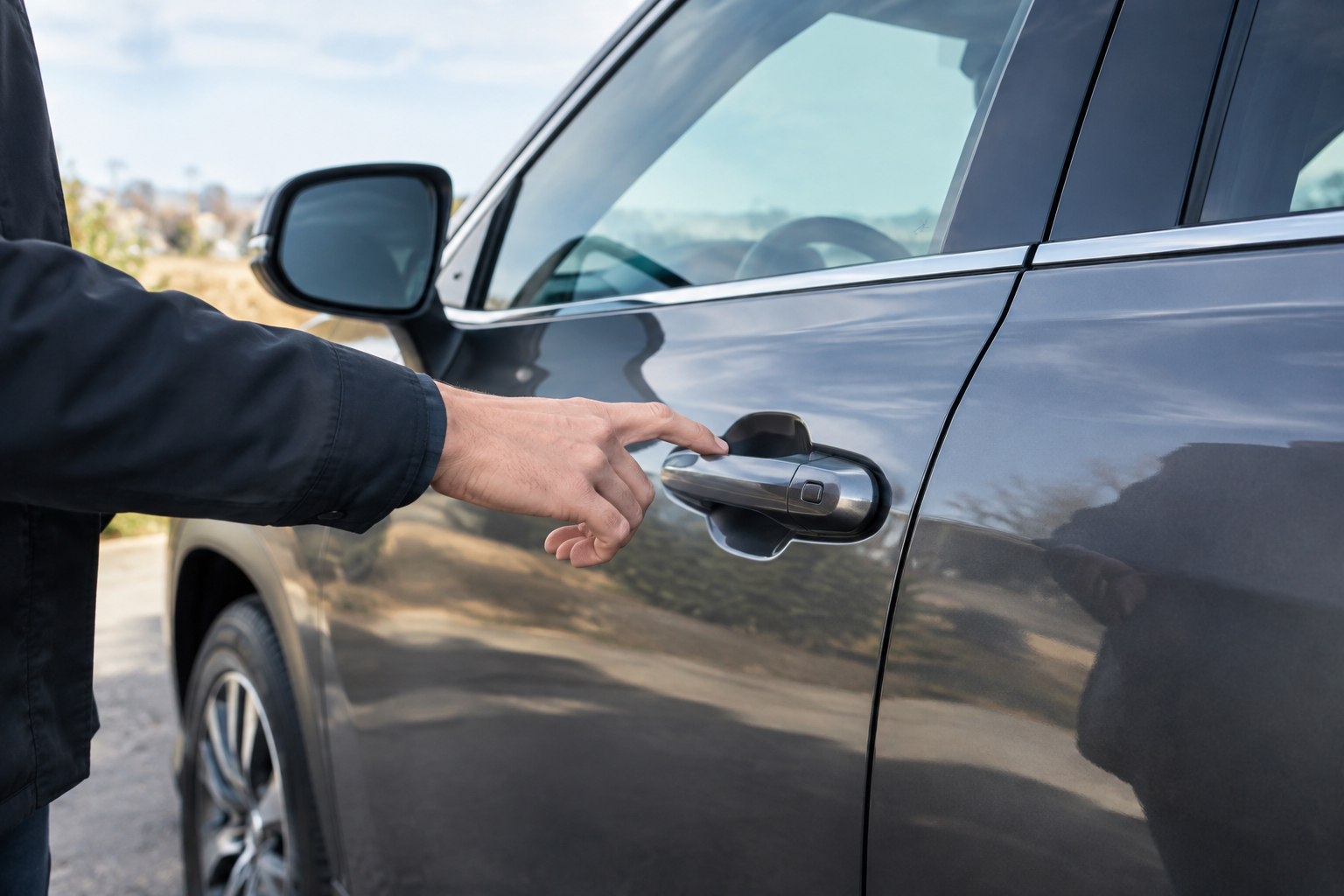
You walk up to your Highlander, reach for the door handle expecting it to pop open like it always does, and nothing happens. You try the passenger side. Still nothing. Your key fob is in your pocket, the doors are locked, and now you’re standing in a parking lot pressing the handle over and over like that’s somehow going to fix it.
Toyota calls this feature Smart Key with Push Button Start, and the handle-touch function is technically the “Smart Entry” system. When it stops responding, the cause is usually simpler than people assume. Before you call a locksmith or a dealer, run through the checks below. Most of the time this is a battery issue, not a broken vehicle.
Start With the Fob Battery, Even If the Fob Still Works
This trips people up constantly. Your fob can still unlock the doors when you press the button, but fail completely when you touch the handle. That’s not a coincidence, it’s how the system is designed.
Pressing the button on the fob sends a strong RF signal that the car can pick up from a distance. Smart Entry, on the other hand, relies on a much weaker low-frequency signal exchanged between the door handle antenna and the fob when you’re standing right next to it. A fob with a weak or dying battery often has just enough juice for the button to work but not enough for the passive handshake required by Smart Entry.
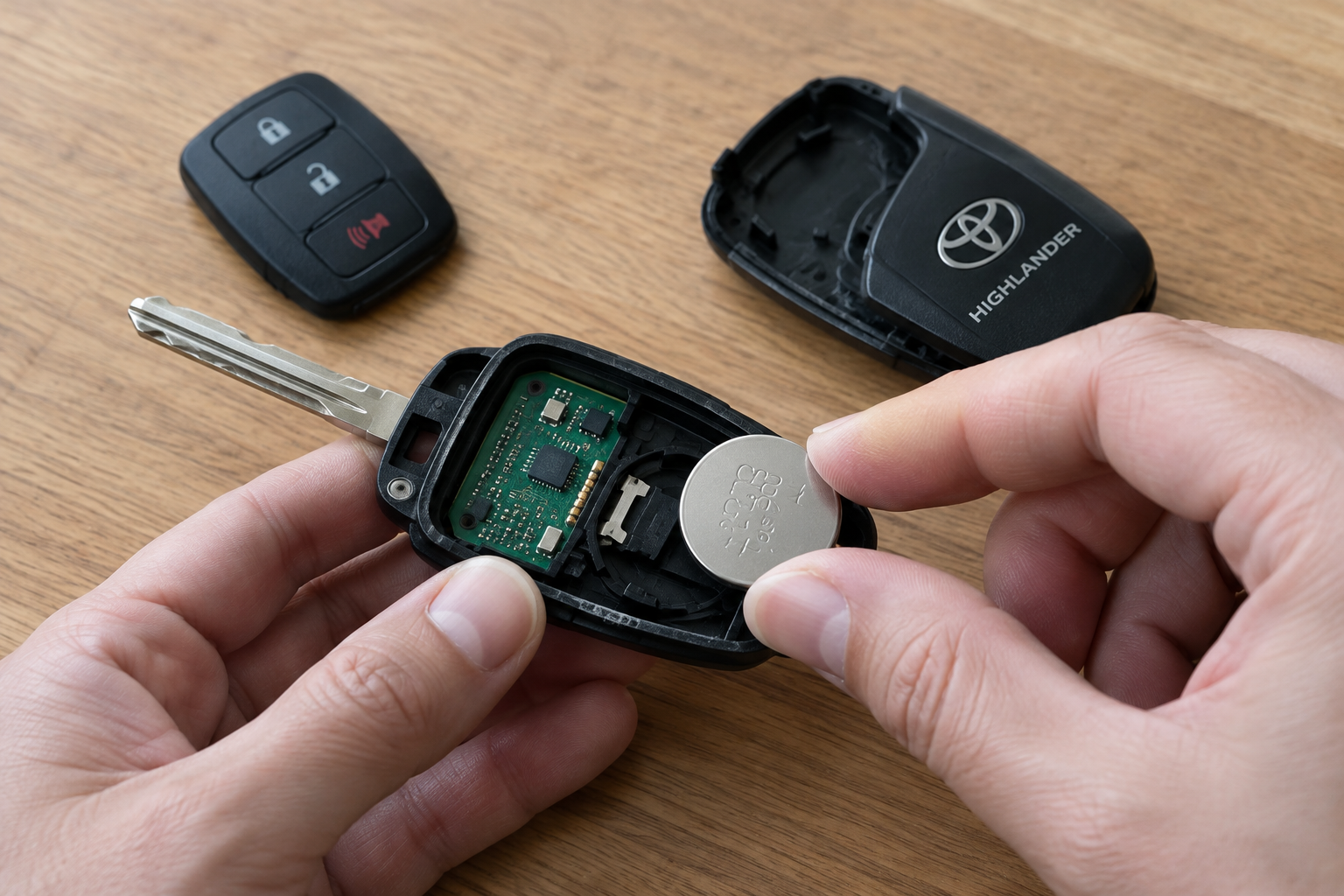
Replacing the battery is the first thing to try, and it’s cheap insurance either way. Most Highlander fobs use a CR2032 coin cell, though some older models use a CR1620. Check your specific fob before buying.
Toyota Highlander Key Fob Battery CR2032
A fresh battery is the cheapest fix and solves this problem more often than anything else on this list.
If you’re comfortable opening the fob yourself, it takes about five minutes with a small flathead screwdriver. Toyota’s manual outlines the exact steps, but generally you’ll pry the mechanical key blade out first, then split the fob case at the seam.
Fob Sleep Mode and Power-Saving Behavior
Newer Highlanders (2020 and up) have a power-saving feature that puts the fob into a low-power “sleep” state if it hasn’t moved in a while, or if it’s been sitting inside a phone case, purse, or bag with lots of other electronics nearby. This isn’t a malfunction, it’s intentional to preserve battery life.
Waving the fob or pressing any button usually wakes it back up. If your Highlander has been parked for several days and the handle suddenly stops responding, try pressing the lock or unlock button once before touching the handle again. If that solves it instantly, sleep mode was the culprit, not a dead battery or a vehicle fault.
Ruling Out the Vehicle Side: One Door vs. All Doors
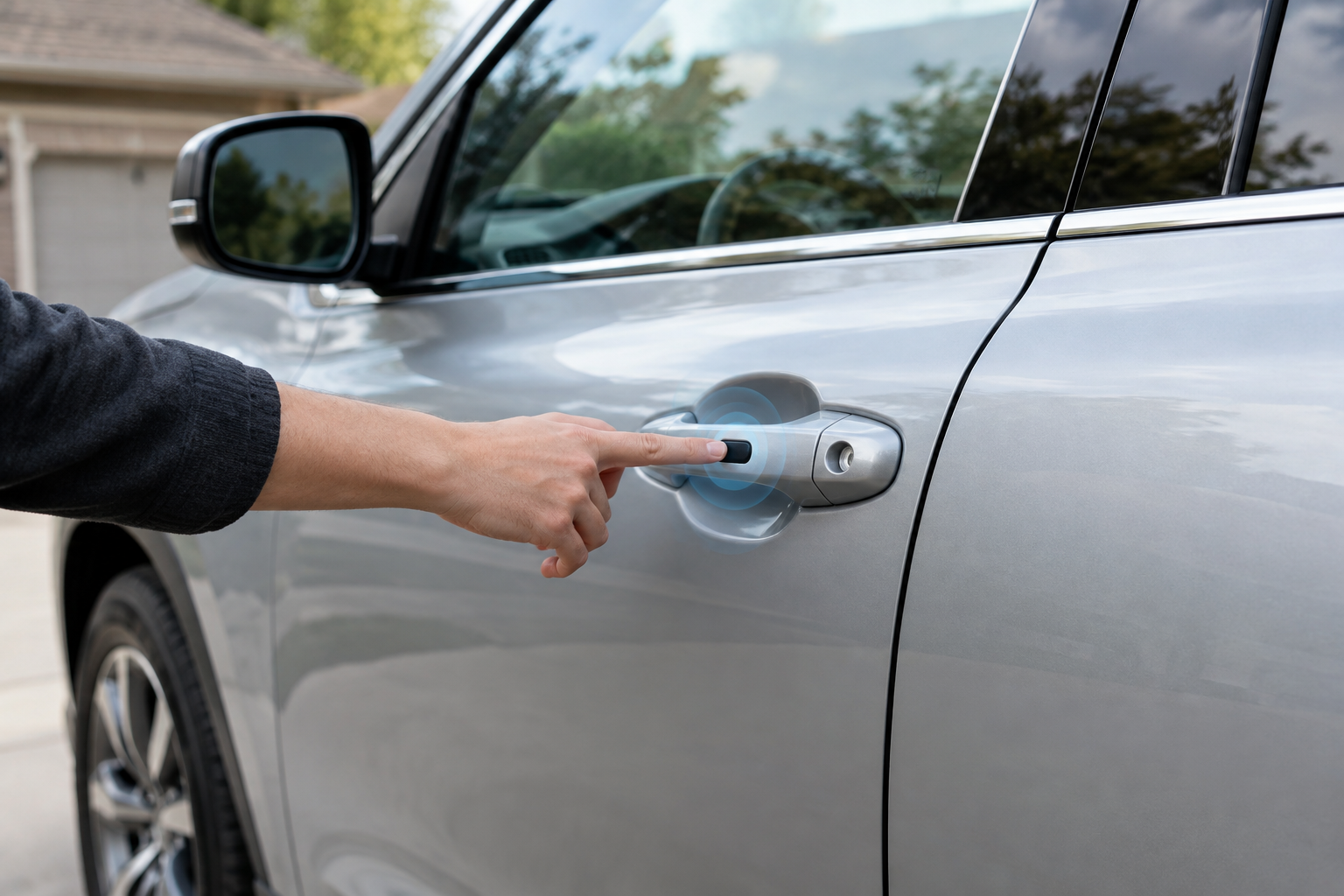
This is the fastest way to tell if you have a fob problem or a vehicle problem. If every door handle on the Highlander ignores the fob, the issue is almost always the fob itself, the 12V battery, or a system-wide setting. If only one door handle refuses to unlock while the others work fine, you’re dealing with a localized fault, most likely a bad sensor or wiring connector inside that specific handle.
The driver’s door handle takes the most abuse over the years since it’s used constantly, so it tends to fail first. A failed handle sensor typically needs replacement rather than repair, and it’s a common enough issue that Toyota forums are full of owners swapping out driver-side handles around the 80,000 to 120,000 mile mark.
Check for a Disabled Setting
Some Highlander trims allow you to toggle Smart Entry on or off per door, or disable it entirely through the multi-information display settings menu. It’s easy to bump this setting accidentally, especially if kids have been playing with the touchscreen or someone borrowed your car and turned it off intentionally to save the fob battery. Dig into the vehicle settings menu under “Smart Key” and confirm the feature is actually enabled for both front doors.
Low 12V Battery and Interference
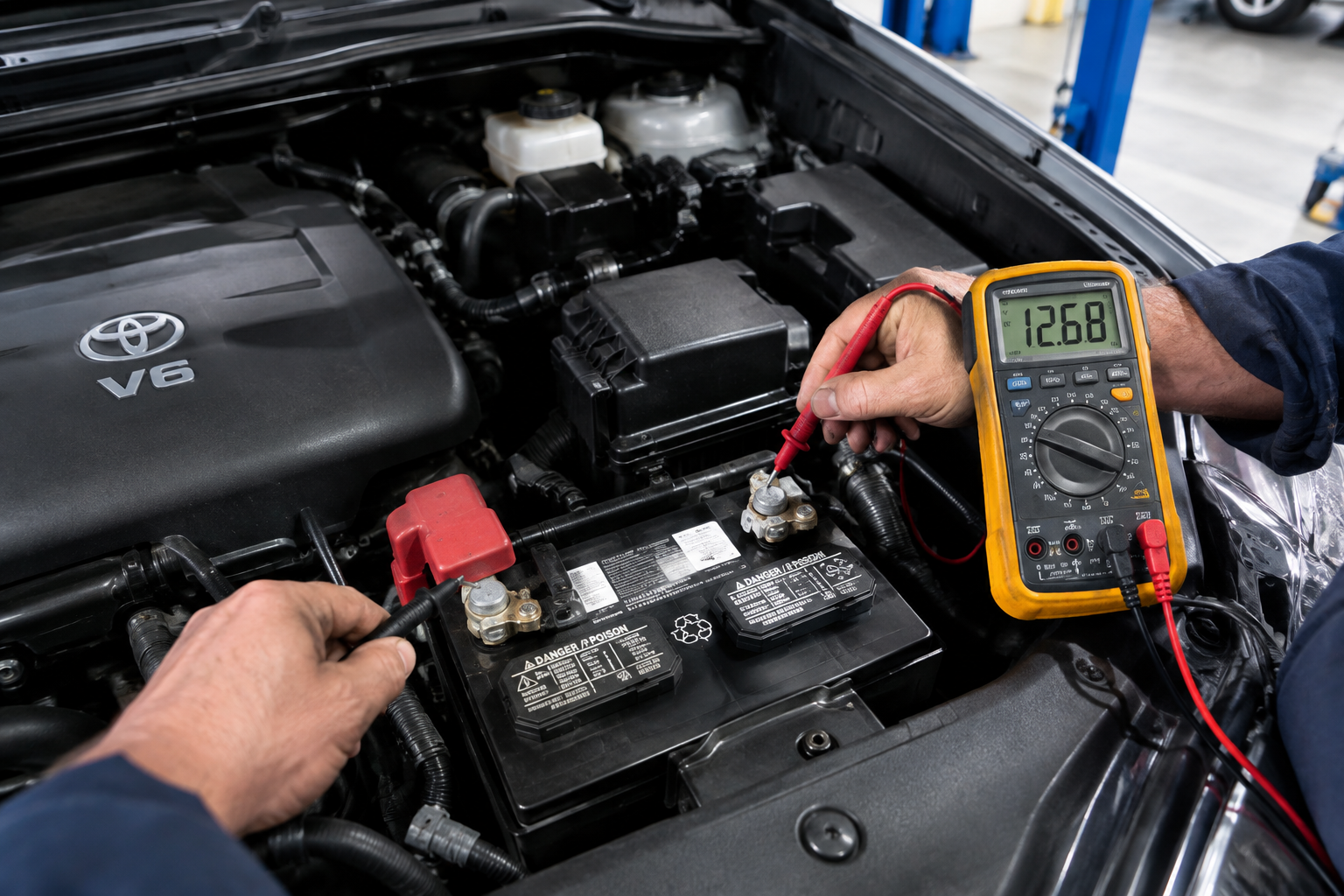
A weak 12V battery doesn’t just affect starting the engine, it also reduces the power available to the door handle antennas and the body control module that processes the Smart Entry signal. If your Highlander has been slow to start, has flickering interior lights, or you’ve noticed the infotainment system rebooting randomly, a marginal battery is a strong suspect. This is especially common on hybrid Highlanders where the 12V battery is smaller and easier to overlook.
External interference can also block the signal. Sitting your fob near a phone charger, another key fob, or a strong RF source like a cell booster can scramble the low-frequency signal enough to prevent the handshake. If you park near a cell tower, gas station, or industrial building, try approaching from a different angle or moving the fob away from other electronics in your pocket.
If you’re chasing down electrical gremlins across the vehicle, it’s worth checking whether other systems are acting up too. Issues like a weak or jerky regenerative braking feel on hybrids can sometimes point to the same underlying low-voltage problems affecting your Smart Entry system.
FAQ
Why does my key work to start the car but not unlock the door handle?
These are two separate systems. Starting the car with the push button only requires the fob to be somewhere inside the cabin, which needs a much weaker signal than the handle sensor requires from outside the car. A fob with a partially drained battery often has enough range for the interior check but not enough for the exterior handle handshake, which is why this specific combination almost always points to the fob battery.
Can cold weather affect Smart Entry on the Highlander?
Yes. Coin cell batteries lose voltage output in cold temperatures, and a battery that tests fine at room temperature can fail to deliver enough power on a freezing morning. If your handle issue is worse in winter and seems to improve once the car and fob warm up, that’s a strong sign your battery is on its way out even if it hasn’t fully died yet.
Leave a Reply