

Nothing gets your attention like pressing the button to release your parking brake and getting nothing but a stubborn warning light. The Toyota Highlander’s electronic parking brake (EPB) is generally reliable, but when it decides not to release, you’re stuck until you figure out why. The good part is that most EPB issues trace back to a handful of common causes, and you can rule out several of them yourself before assuming the worst.
This guide walks through the safe checks you should run first, what’s actually happening behind the scenes when the EPB won’t disengage, and when it’s time to stop troubleshooting and call a shop or dealer.
Start With the Basics: Pedal, Power, and Position
Before you assume you have a failed actuator or a dead module, run through the simple stuff. Most EPB “won’t release” complaints come down to something small that gets overlooked in the panic of the moment.
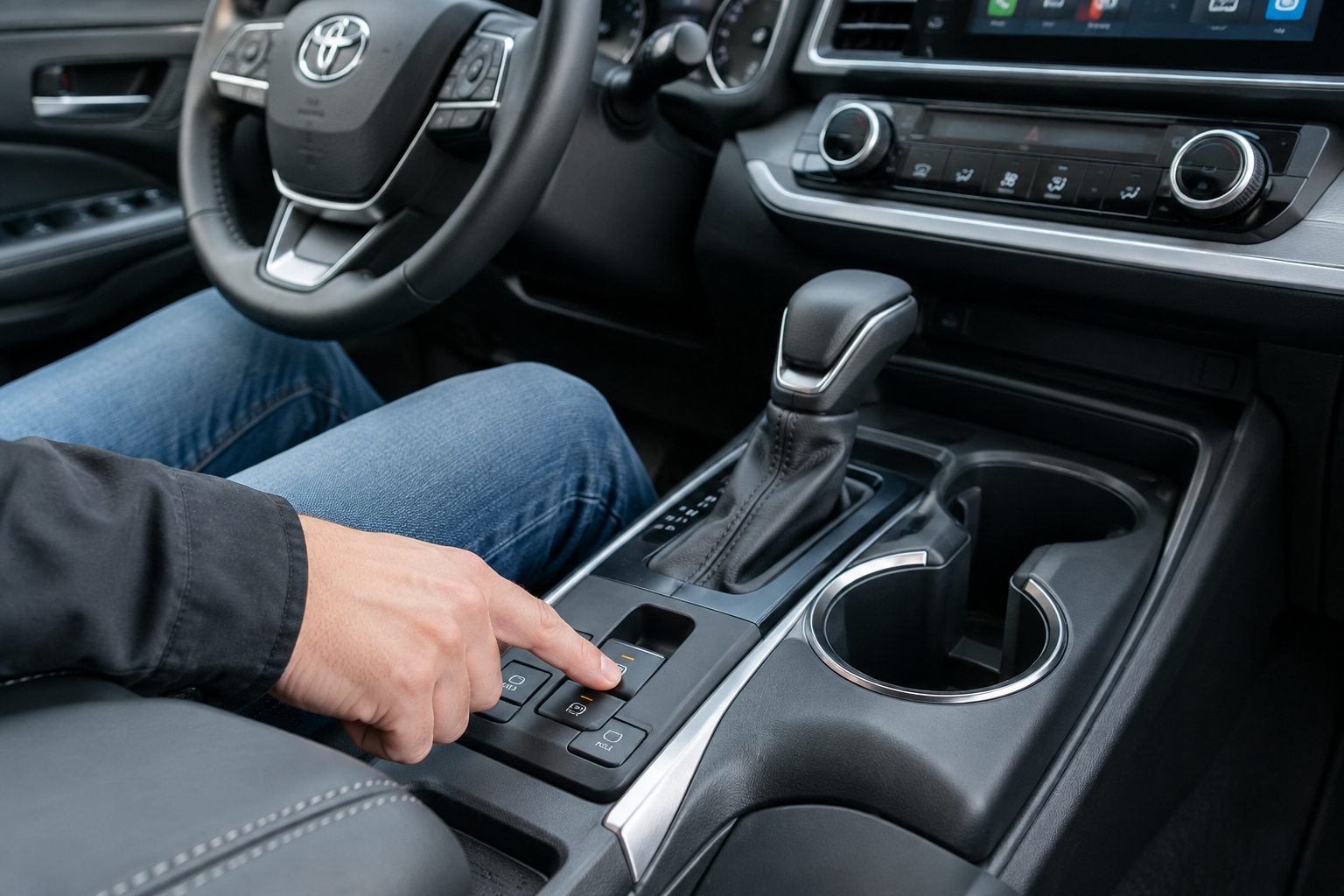
- Brake pedal input: On most Highlander model years, you need to press the brake pedal firmly while pulling up or pressing the EPB switch to release it. A light tap won’t register. Push the pedal down like you mean it, then try the switch again.
- Ignition state: The EPB switch typically only works with the ignition on or the vehicle in Ready mode (for hybrid Highlanders). If you’re trying to release it with the key out or in accessory mode, it simply won’t respond.
- Battery voltage: Electronic parking brakes are voltage-sensitive. If your battery is weak, corroded at the terminals, or barely holding a charge, the EPB module may refuse to release as a safety precaution. This is one of the most common culprits, especially on Highlanders sitting for a few weeks with a marginal battery.
- Seat belt and door status: On some model years, Toyota’s logic ties EPB release behavior to seat belt engagement or door-closed status as part of a safety interlock. Make sure your seat belt is buckled and all doors are fully shut before troubleshooting further.
If you’ve checked all of that and the brake still won’t budge, grab your owner’s manual and look for the manual/emergency release procedure specific to your model year. Toyota changed the EPB actuator design and release procedure across Highlander generations, so a YouTube video showing a 2015 model won’t necessarily apply to your 2022.
Low Voltage Is the Number One Suspect
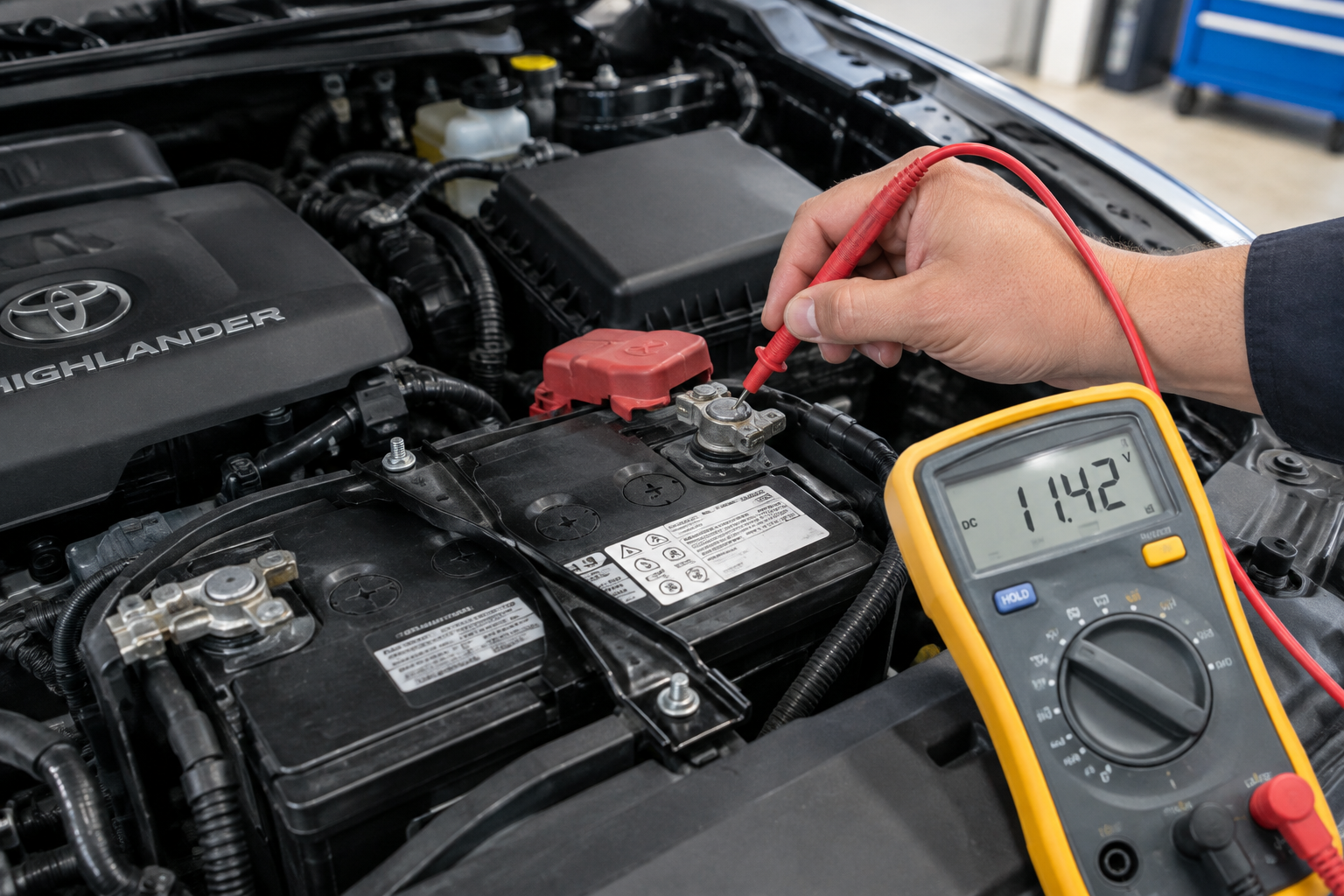
If there’s one issue that causes more EPB complaints than anything else, it’s a weak or dying 12V battery. The EPB actuator motors need a stable voltage supply to clamp and release the caliper. When voltage drops below a certain threshold, the system throws a fault code and locks the brake in its current position rather than risk an incomplete release or apply.
Symptoms of a voltage-related EPB fault usually include a parking brake warning light paired with other electrical oddities: dim interior lights, slow power window operation, or a “check hybrid system” message on hybrid Highlanders. If you notice any of these alongside the EPB warning, your battery or charging system is the first place to look.
A basic multimeter check across the battery terminals with the engine off should read close to 12.6 volts. If it’s sitting well below that, or if it drops sharply when you try to start the vehicle, you’re likely dealing with a battery that needs charging or replacing. An OBD2 scanner can also pull stored voltage-related fault codes tied to the EPB module, which saves you a guessing game at the parts store.
Toyota Highlander OBD2 Scanner
A reliable way to pull EPB and battery-related fault codes before you spend money on parts you don’t need.
If you’re regularly dealing with battery drain or slow cranking on your Highlander, it’s worth reading up on other electrical gremlins too. Weak batteries have a way of causing symptoms that look unrelated, similar to how regenerative braking issues in hybrids can sometimes trace back to charging system problems rather than the brake hardware itself.
Switch Problems and Wiring Faults
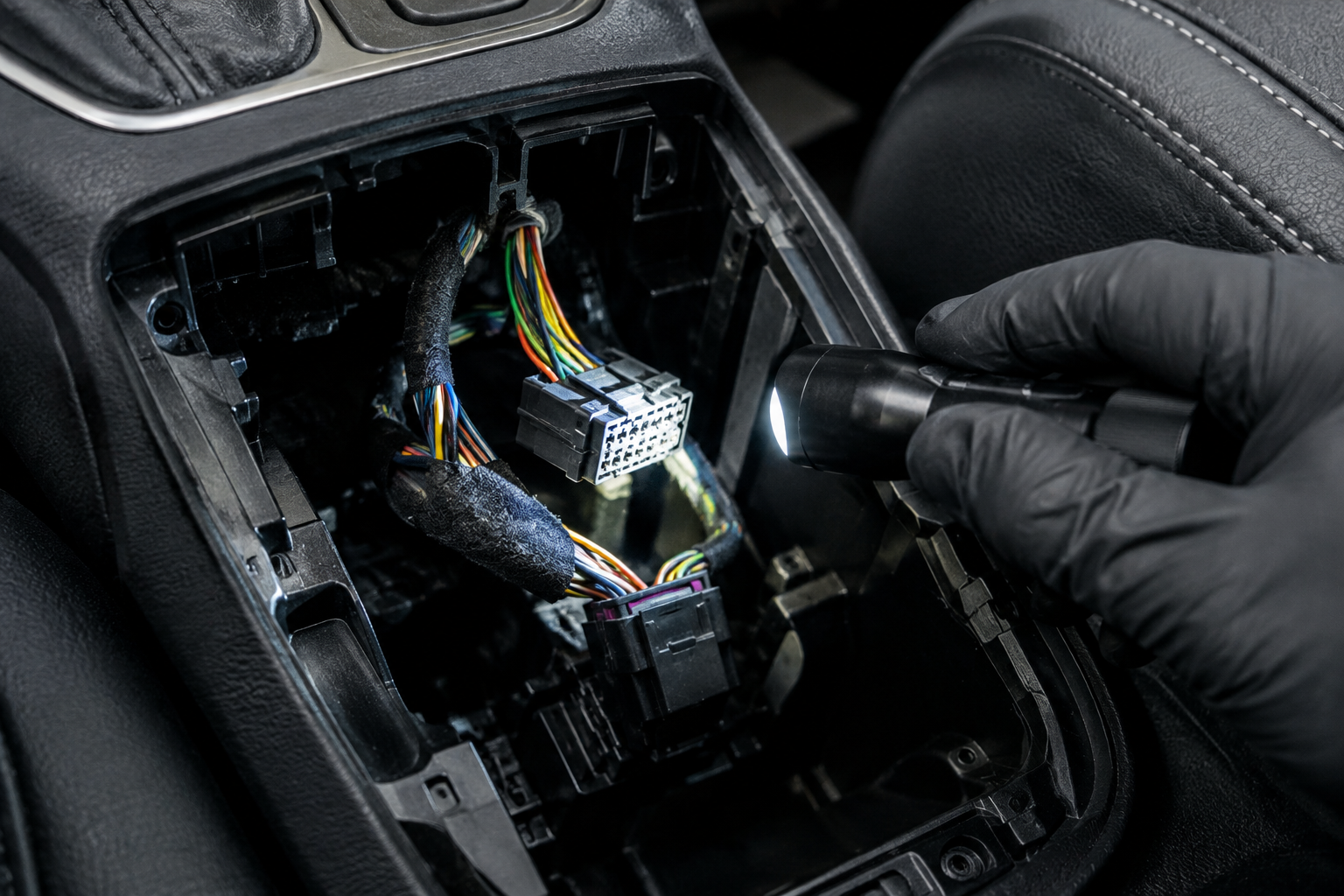
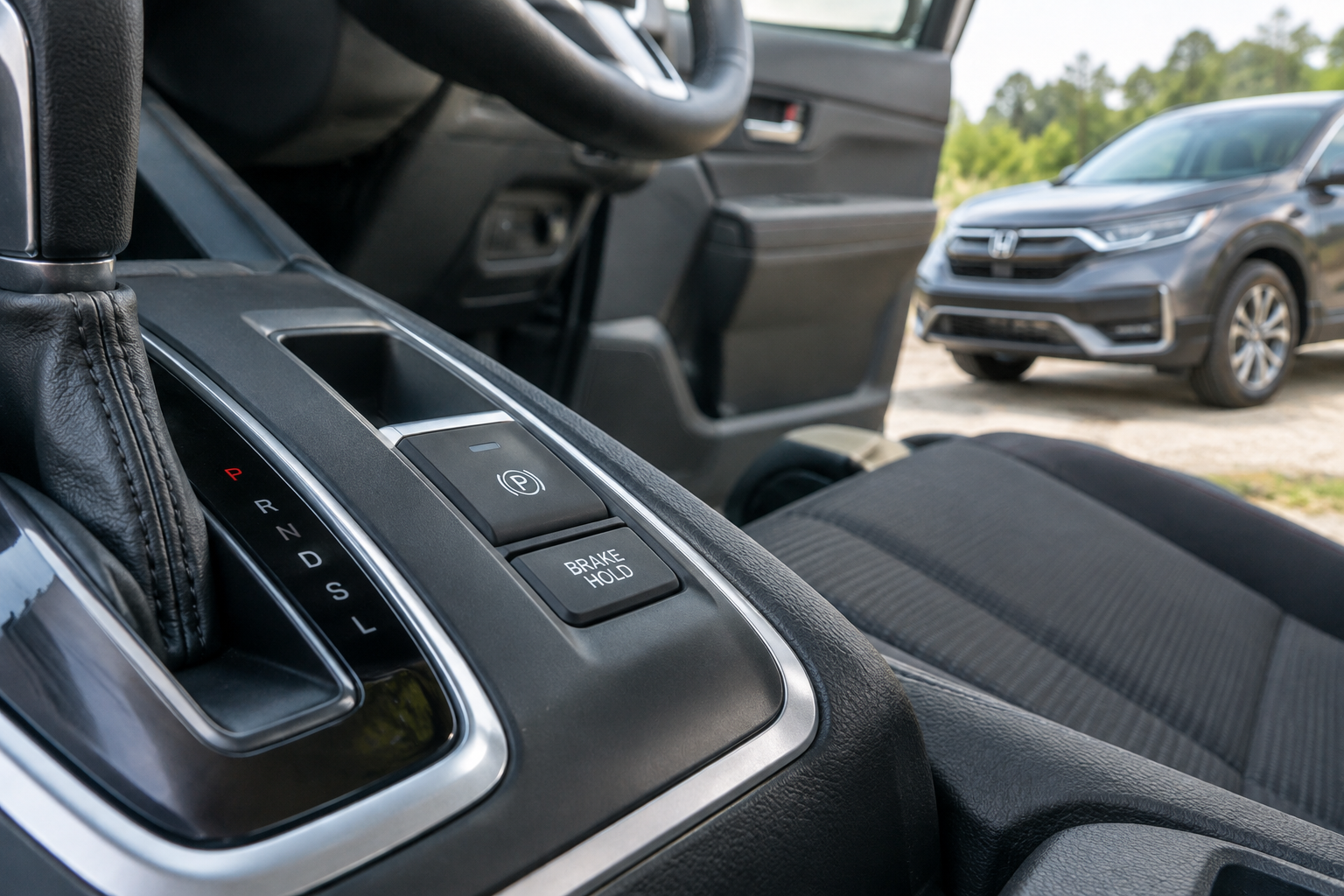
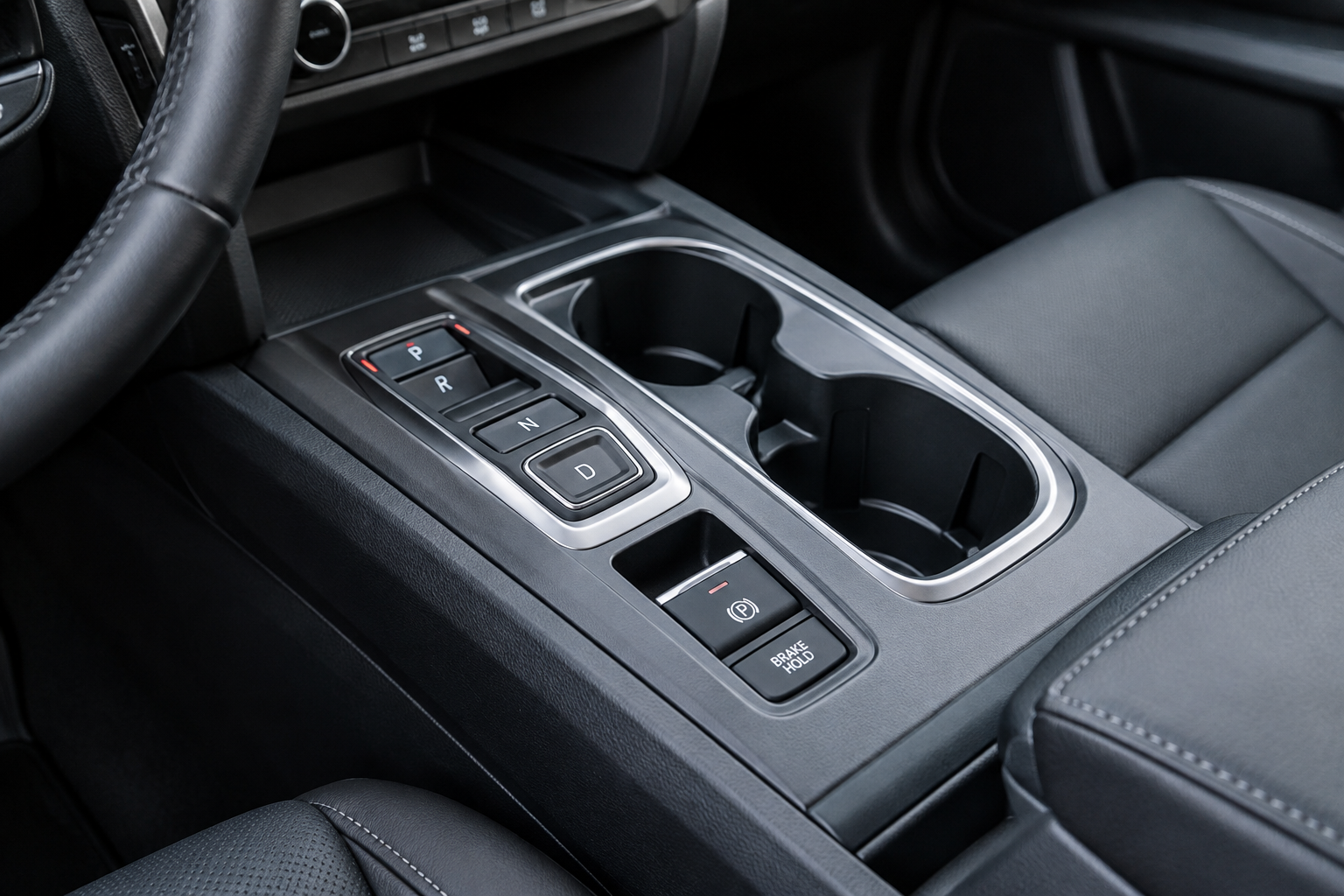
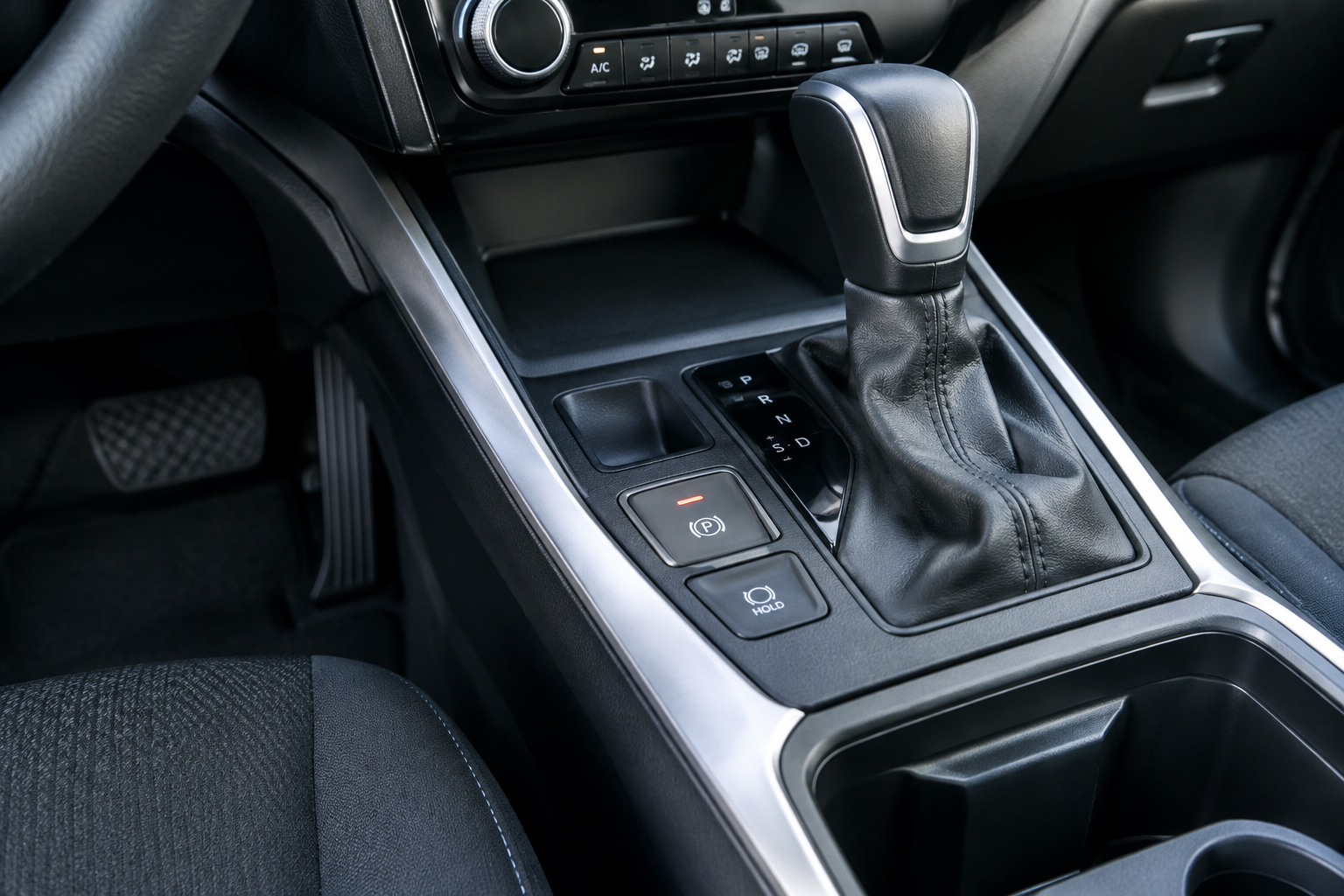
The EPB switch itself, that small toggle or button on the center console, is a mechanical part with electrical contacts underneath. Over years of use, those contacts can wear, get sticky, or fail intermittently. If pressing the switch does nothing, or works only sometimes with a wobble or extra pressure, the switch itself may be the fault rather than the brake system.
Wiring issues are less common but do happen, particularly if there’s been recent work done near the center console, a battery replacement, or rodent damage (unfortunately common in vehicles that sit for extended periods). A scan tool that can access body electrical modules, not just engine codes, will help confirm whether the module is even receiving a signal from the switch when pressed.
If your scanner shows no communication fault but the switch still doesn’t respond, that points toward a bad switch assembly rather than a wiring break. Replacing the switch is a relatively minor repair compared to actuator or caliper work, so it’s worth ruling out early.
Actuator and Caliper Faults
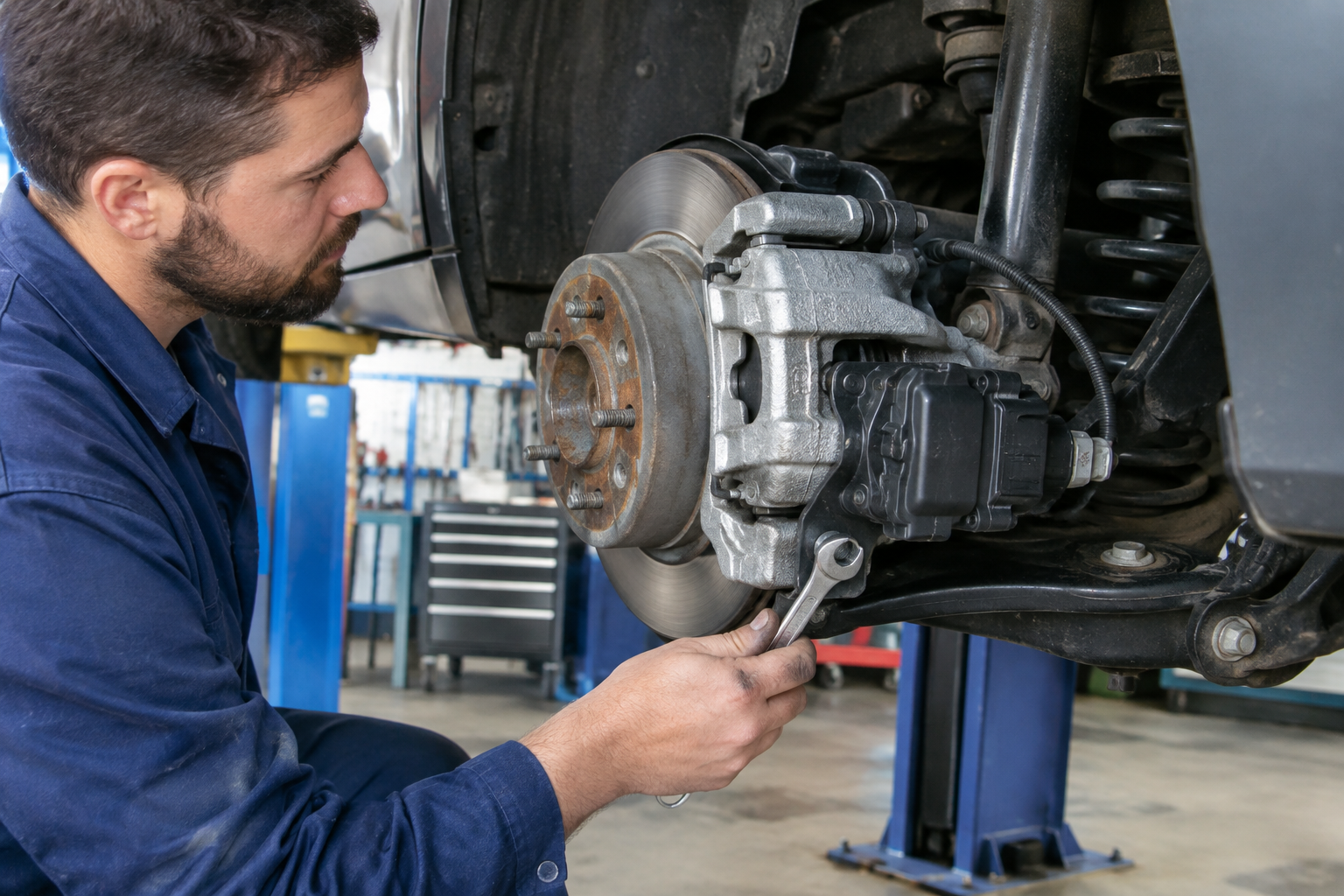
Each rear caliper on an EPB-equipped Highlander has a small electric motor built into it that drives the mechanism to clamp and release the brake. These actuators can fail from age, corrosion, or internal motor wear, especially in climates with heavy road salt exposure.
Signs that point to an actuator or caliper fault rather than a voltage or switch issue include:
- A grinding or clicking noise from one rear wheel when you try to release the brake
- The EPB releasing on one side but not the other (you may notice the vehicle pulling or feeling asymmetric drag)
- A stored fault code specifically referencing the left or right rear actuator
- Visible corrosion or damage around the caliper wiring harness
If you suspect one actuator has failed mechanically, do not attempt to drive the vehicle to “free it up.” Forcing the vehicle to move with one rear brake still clamped can damage the actuator further, overheat the brake, or cause a dangerous pull to one side. This is a case where a tow to a shop is the safer and ultimately cheaper option.
Service Mode and Why It Complicates Things
Toyota built a “maintenance mode” or service mode into the EPB system specifically so technicians can retract the caliper pistons manually during brake pad replacement, without the motor fighting against them. If a shop (or a DIY brake job) didn’t properly exit service mode after the work was done, the EPB can behave erratically, refusing to apply or release correctly until the mode is reset.
This is a common problem after a rear brake pad or rotor replacement. If your EPB trouble started right after a brake service, service mode is the first thing to suspect, even before you start chasing wiring or actuators.
Exiting service mode typically requires either a specific button-and-ignition sequence outlined in the repair manual for your model year, or a scan tool capable of sending the command directly to the EPB module. Because Toyota has revised this procedure across Highlander generations, and because doing it wrong can leave the calipers in an unsafe state, this is one area where following your exact model year’s factory procedure matters more than following a generic guide.
If your Highlander’s EPB has been acting up since a brake job, whether from a dealer or independent shop, call them back before doing anything else. A stuck service mode is a quick fix for someone with the right tool, and it costs you nothing if the work was done recently.
When to Stop Troubleshooting and Call a Professional
Basic checks like battery voltage, pedal pressure, and confirming ignition state are safe for any owner to do. Pulling codes with an OBD2 scanner is also safe and genuinely useful information to have before you call a shop, since it saves diagnostic time and often saves you money.
Where you should draw the line is anything involving physically forcing the caliper to release, driving the vehicle with a brake still engaged, or attempting an emergency release procedure you’re not 100% sure applies to your exact model year. Toyota’s emergency release location and method has changed across Highlander generations, sometimes it’s a cable under the console, sometimes it’s a different mechanism entirely, and using the wrong procedure can damage components or leave you with a brake that won’t reapply properly.
If you’re dealing with a Highlander that’s stuck in park with the EPB engaged and none of the safe checks resolve it, a tow to a Toyota dealer or a shop with Techstream (Toyota’s factory diagnostic software) is the responsible move. It’s not the exciting answer, but it’s the one that keeps you and your brakes intact.
Frequently Asked Questions
Can a dead 12V battery really cause the EPB to get stuck?
Yes, and it’s one of the most common causes. The EPB module needs stable voltage to run the actuator motors safely. If voltage drops too low, the system locks the brake in place rather than risk a partial release, which could leave a caliper improperly seated.
Is there a manual way to release the Toyota Highlander parking brake without power?
Some Highlander model years have a manual emergency release, often a cable accessible through a panel near the trunk or under the rear seat, but the exact location and procedure varies significantly by generation. Check your owner’s manual for the specific instructions for your model year rather than relying on a generic guide, since using the wrong method can cause damage.
Why did my EPB start malfunctioning right after a brake pad replacement?
This almost always points to the system being left in service/maintenance mode. Technicians use this mode to retract the caliper pistons during pad replacement, and if it isn’t properly exited afterward, the EPB won’t apply or release correctly. Contact whoever performed the brake work to have it reset.
An EPB fault is rarely a mystery once you work through it in order: pedal and ignition state, battery voltage, switch function, then actuator and service mode possibilities. Most Highlander owners find the fix lands in the first two categories. For anything involving the actual caliper hardware or service mode reset, lean on a scan tool or a shop with the right software rather than guessing your way through it.
Leave a Reply