
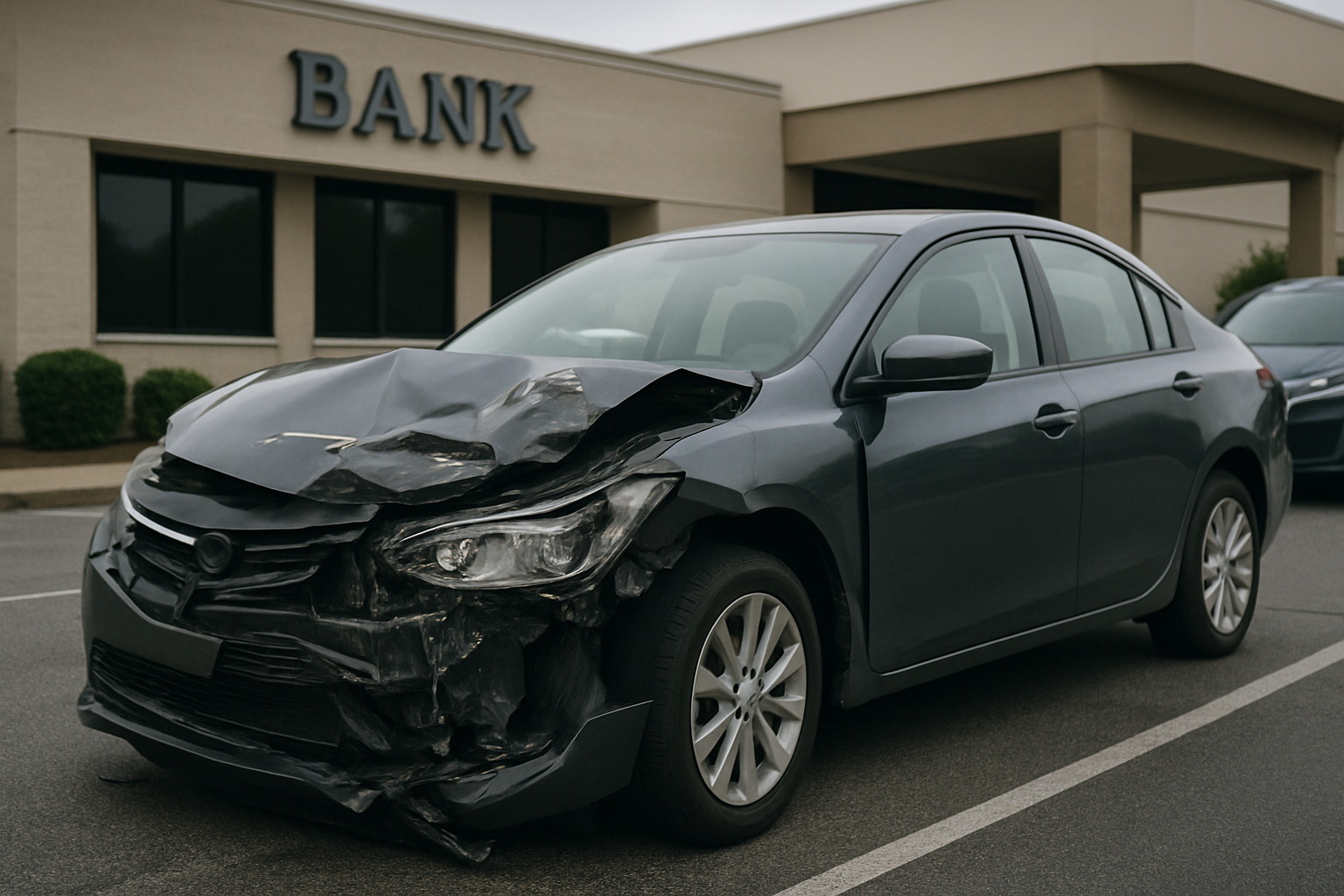
Getting into a car accident is stressful enough. When you discover your totaled vehicle is worth less than what you still owe on the loan, that stress multiplies quickly. This situation, known as being “upside down” or “underwater” on your loan, affects millions of drivers every year.
How Insurance Payouts Work for Total Loss Claims
When your car gets totaled, your insurance company doesn’t pay off your remaining loan balance. Instead, they pay the Actual Cash Value (ACV) of your vehicle at the time of the accident. This creates a crucial distinction that catches many drivers off guard.
The ACV represents what your car was worth in the used car market immediately before the accident. Insurance adjusters determine this value by comparing your vehicle to similar makes, models, years, and mileage in your area. They factor in the condition, any modifications, and current market trends.
Your loan balance, however, reflects the original purchase price minus your payments, plus interest and fees. Cars depreciate faster than most people pay down their loans, especially in the first few years of ownership. This creates the gap between what you owe and what the car is actually worth.
The Financial Gap You’ll Face
Let’s walk through a realistic example. You bought a $30,000 SUV two years ago with a $2,000 down payment, financing $28,000 at 6% interest over 60 months. Your monthly payments are about $540.
After 24 payments, you’ve paid down roughly $9,600 of the principal, leaving you with an outstanding balance of around $18,400. But your SUV has depreciated significantly. Between normal wear and current market conditions, the insurance company values it at only $15,500.
This means you’re facing a $2,900 gap between the insurance payout and your loan balance. You’ll receive the $15,500 from insurance, but you still owe your lender $18,400. That extra $2,900 comes out of your pocket.
What Gap Insurance Actually Covers
Gap insurance bridges this exact financial shortfall. When you have gap coverage, the insurance pays the difference between your car’s ACV and your remaining loan balance, minus your deductible.
Using our previous example, gap insurance would cover that $2,900 difference. You’d walk away from the total loss without owing money on a car you can no longer drive. The gap insurer coordinates directly with your primary insurance company and your lender to handle the payments.
You can purchase gap insurance from several sources. Many auto dealerships offer it at the time of purchase, though they often charge premium prices. Your auto insurance company typically provides gap coverage as an add-on to your comprehensive and collision coverage at a much lower cost.
Credit unions and banks that finance your vehicle sometimes include gap insurance in their loan packages or offer it separately. Shop around for the best rates, as prices can vary significantly between providers.
When You Don’t Have Gap Insurance
If you find yourself underwater on a totaled car without gap coverage, you’re not completely without options. You’ll need to be proactive and creative to minimize the financial damage.
Start by negotiating with your insurance company on the ACV determination. Insurance adjusters can make mistakes or use outdated comparables. Research similar vehicles for sale in your area and document any recent maintenance, new tires, or improvements that might increase your car’s value.
Gather receipts for recent repairs, upgrades, or maintenance that weren’t factored into the initial valuation. A new transmission, fresh tires, or recent brake work can add value to your claim. Present this documentation professionally to your adjuster.
Contact your lender to discuss your options for the remaining balance. Some lenders offer hardship programs or payment plans for situations like this. They might allow you to roll the remaining balance into a new auto loan, though this puts you immediately underwater on your next vehicle.
Negotiating with Your Insurance Company
Don’t accept the first valuation offer without question. Insurance companies expect some negotiation on total loss claims. You have the right to challenge their ACV determination if you believe it’s too low.
Research comparable vehicles on AutoTrader, Cars.com, and local dealer lots. Print listings for similar vehicles with higher asking prices. Focus on cars with similar mileage, condition, and features in your geographic area.
Consider hiring an independent appraiser if the gap is substantial. Professional appraisers charge $300 to $500 but can sometimes recover thousands in additional value. This makes financial sense when you’re facing a large shortfall.
Document everything in writing. Email your adjuster with your research and supporting documentation. Keep records of all phone conversations, including dates, times, and the adjuster’s responses to your requests.
Understanding Depreciation Patterns
Different types of vehicles depreciate at different rates, which affects how likely you are to face a gap situation. Luxury cars, electric vehicles, and trucks often depreciate faster than economy sedans or popular SUVs.
New cars typically lose 20% to 30% of their value in the first year alone. By year three, many vehicles are worth only 50% to 60% of their original purchase price. Lease vehicles and cars with long loan terms are particularly susceptible to gap situations.
Market conditions also play a major role. During periods of high used car demand, vehicles hold their value better. Economic downturns, changes in fuel prices, or shifts in consumer preferences can dramatically affect depreciation rates.
Your Next Vehicle Purchase Strategy
Learning from this experience can help you avoid future gap situations. Make a larger down payment on your next vehicle to reduce the initial loan balance. A 20% down payment significantly reduces your chances of going underwater.
Choose shorter loan terms when possible. While longer terms offer lower monthly payments, they also mean you’re paying down principal more slowly. A 36-month or 48-month loan keeps you closer to your vehicle’s actual value.
Consider certified pre-owned vehicles that have already absorbed their steepest depreciation. A two or three-year-old car with low mileage can offer nearly new reliability without the dramatic first-year value loss.
Buy gap insurance from the beginning. Adding gap coverage to your auto insurance policy typically costs $40 to $60 per year. Compare this to potentially owing thousands on a totaled vehicle, and it becomes an obvious choice.
Working with Lenders and Credit Impact
Your auto lender expects full repayment regardless of what happens to the collateral. They’ll work with you to resolve the remaining balance, but they won’t simply forgive the debt because your car was totaled.
Some lenders offer to roll the remaining balance into your next auto loan. While this solves the immediate cash flow problem, it puts you in an even deeper underwater position from day one of your new loan. You’ll be financing more than your new car is worth.
Personal loans represent another option for covering the gap. Credit unions often offer competitive rates on unsecured loans. The interest rate will likely be higher than your auto loan, but you can pay it off aggressively without affecting your new vehicle.
Failing to pay the remaining balance will damage your credit score and could result in collections activity. The lender may also pursue legal action to recover the debt. Don’t ignore the situation hoping it will resolve itself.
State Laws and Regulations
Some states have specific laws regarding gap insurance disclosures and total loss settlements. New York, for example, requires dealers to inform customers about gap insurance options. Other states regulate how insurance companies calculate ACV.
Research your state’s insurance regulations or consult with an insurance attorney if you believe your claim was handled improperly. State insurance commissioners often provide resources for consumers disputing claim settlements.
Keep detailed records throughout the entire process. Document all communications with your insurance company, lender, and any other parties involved in resolving your claim. This documentation becomes crucial if disputes arise later.
Frequently Asked Questions
Can I still get gap insurance after buying my car?
Yes, you can add gap insurance to your existing auto policy in most cases, as long as you haven’t filed a total loss claim yet. Contact your insurance agent to add this coverage. Some insurers have restrictions based on your car’s age or your loan-to-value ratio.
Does gap insurance cover my deductible?
Most gap insurance policies don’t cover your collision or comprehensive deductible. You’ll still be responsible for paying the deductible amount out of pocket. However, some premium gap policies do include deductible coverage, so check your specific policy terms.
What if my car was financed through a buy-here-pay-here dealer?
Buy-here-pay-here financing often involves higher interest rates and faster depreciation scenarios. You’re more likely to face significant gap situations with these loans. The same principles apply, but you may have less negotiating power with the lender for payment arrangements.
How long do I have to resolve the remaining loan balance?
This varies by lender, but most expect resolution within 30 to 60 days after the insurance settlement. Contact your lender immediately after the accident to discuss timeline and options. Don’t wait until after you receive the insurance check to start this conversation.

Leave a Reply