
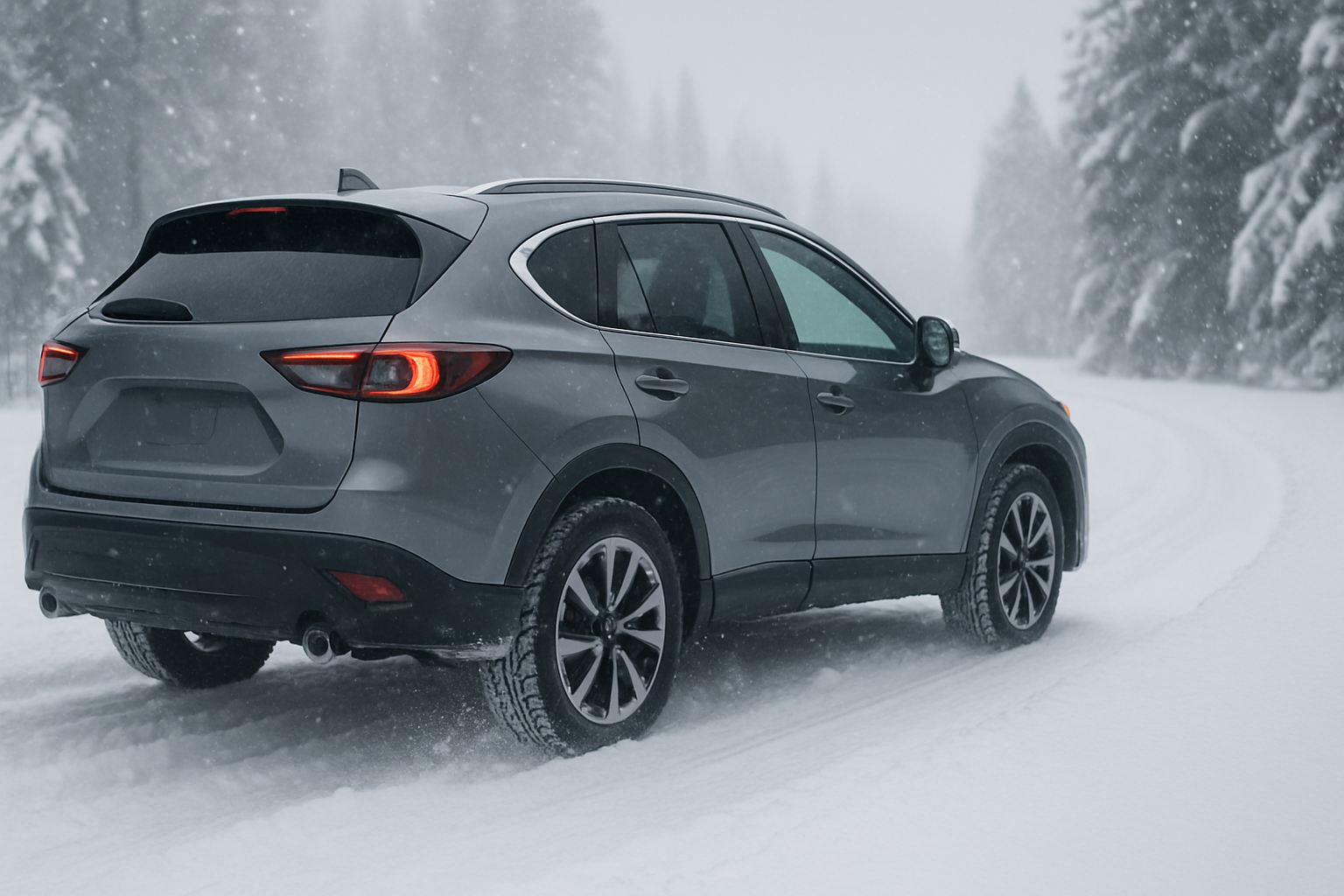
Winter driving can turn into a white-knuckle experience when your vehicle starts sliding on snow and ice. While basic all-wheel drive helps, torque vectoring AWD takes traction control to the next level by actively managing power to each individual wheel. This advanced system can mean the difference between confidently navigating snowy roads and finding yourself stuck in a ditch.
How Traditional AWD Works vs. Torque Vectoring
Most basic AWD systems work like a simple power splitter. When your front wheels lose traction, the system sends some power to the rear wheels. When all four wheels are slipping, you’re stuck.
Traditional AWD systems typically split power 50/50 or use a predetermined ratio like 60/40 front to rear. Some can shift power between front and rear axles, but they can’t control individual wheels. If your left front wheel hits ice while the right front grips pavement, a basic system just sends equal power to both sides.
Torque vectoring AWD changes this completely. Instead of treating each axle as a single unit, these systems can send different amounts of power to each wheel independently. Your left front wheel might get 15% of the engine’s power while the right front receives 35%, depending on what each tire needs for maximum grip.
The Technology Behind Torque Vectoring
Torque vectoring systems use a combination of sensors, electronic controls, and mechanical components to manage power distribution. Multiple sensors monitor wheel speed, steering angle, throttle position, and even lateral G-forces to determine exactly how much power each wheel should receive.
The system processes this information dozens of times per second. When it detects that one wheel is spinning faster than the others (indicating lost traction), it can instantly reduce power to that wheel and redirect it to wheels with better grip.
Some systems achieve this through electronically controlled clutches, while others use brake-based torque vectoring. The most advanced setups combine both methods for maximum effectiveness.
Real-World Examples: How Different Brands Approach Torque Vectoring
Acura Super Handling All-Wheel Drive (SH-AWD)
Acura’s SH-AWD system stands out for its ability to overdrive the outside rear wheel during cornering. When you’re turning left on a snowy road, the system can actually spin the right rear wheel faster than the vehicle’s forward speed would normally require.
This creates a subtle pulling effect that helps rotate the car through the turn. In snow conditions, this means you maintain control even when the front wheels start to push wide. The system can send up to 70% of available torque to the rear wheels and distribute it side-to-side as needed.
Acura uses planetary gearsets and electromagnetic clutches to achieve this level of control. You’ll find this system on the MDX, RDX, and TLX models.
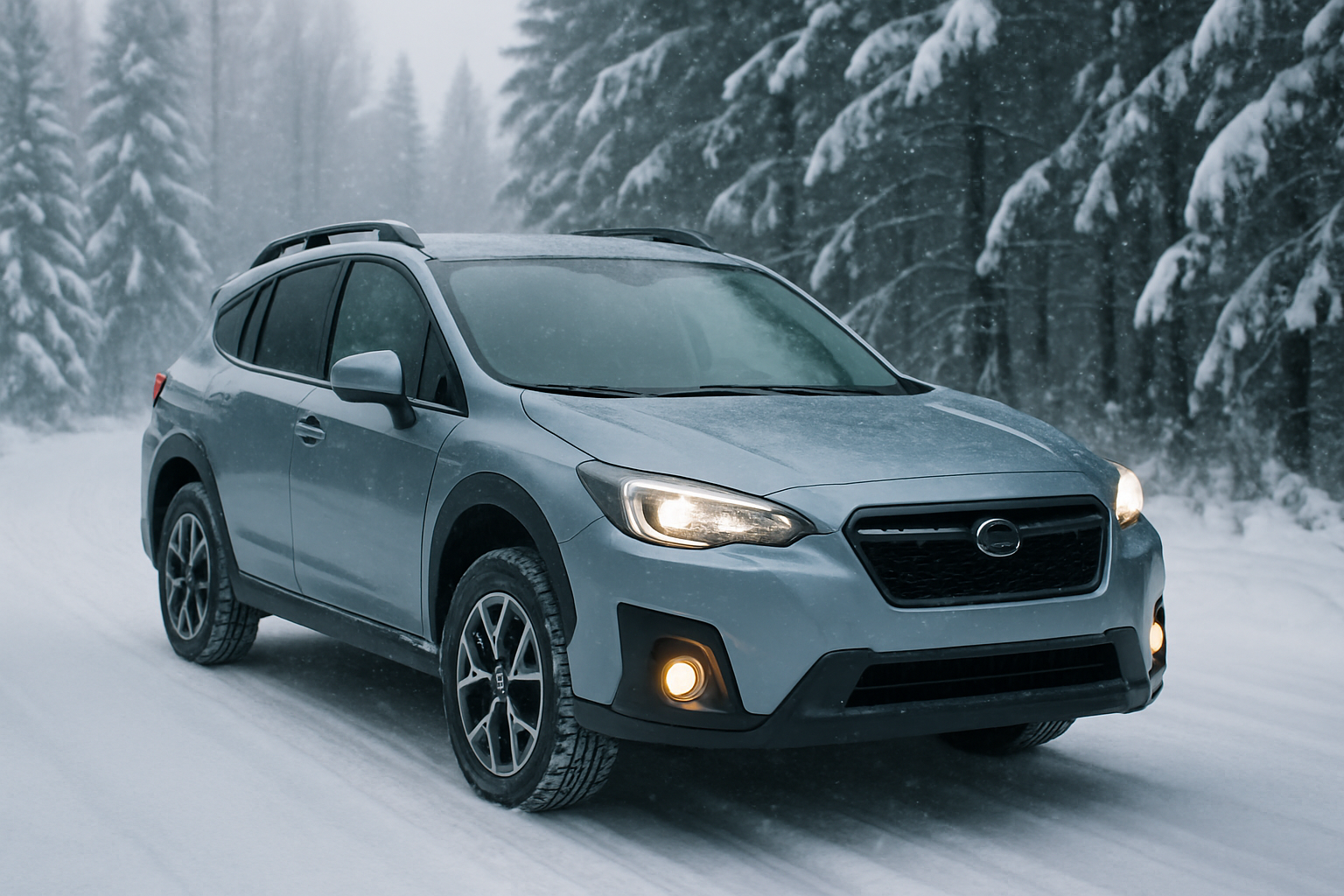
Subaru Symmetrical AWD
Subaru takes a different approach with their symmetrical AWD system. Instead of starting with front-wheel drive and adding rear-wheel capability, Subaru designed their drivetrain around AWD from the beginning.
The boxer engine sits low and centered in the chassis, with equal-length driveshafts to all four wheels. This creates better balance and reduces the torque steer that can make winter driving unpredictable.
Subaru’s torque vectoring comes through their Vehicle Dynamics Control (VDC) system, which uses selective braking to control individual wheels. When your left front wheel starts spinning on ice, the system applies that wheel’s brake while sending more power to the other three wheels.
Ford Intelligent AWD with Twin-Clutch Technology
Ford’s approach centers on their twin-clutch rear differential unit. Two independent clutches control power delivery to each rear wheel, allowing for precise torque distribution.
The system can completely disconnect the rear axle during normal driving to improve fuel economy, then engage one or both rear wheels in milliseconds when traction is needed. Ford’s Terrain Management System works with the AWD to optimize performance for specific conditions like snow, sand, or mud.
You’ll experience this technology in vehicles like the Ford Explorer, Edge, and Escape with the available AWD system.
Why Torque Vectoring Excels in Snow Conditions
Snow creates constantly changing traction conditions. One wheel might have solid grip on pavement while the wheel next to it spins uselessly on ice. Traditional AWD systems struggle with this inconsistency because they can’t respond to individual wheel needs.
Torque vectoring systems excel in these mixed-surface scenarios. When your right wheels hit a patch of ice while your left wheels grip the road, the system instantly reduces power to the slipping wheels and increases it to the wheels with traction.
During cornering on snowy roads, torque vectoring provides additional benefits. The system can send more power to the outside wheels to help rotate the vehicle through the turn, reducing understeer and maintaining your intended path.
Emergency maneuvers become more predictable with torque vectoring. If you need to swerve around an obstacle on a snowy highway, the system helps maintain vehicle stability by managing power delivery to each wheel throughout the maneuver.
Limitations and Considerations
Torque vectoring AWD isn’t magic. When all four wheels lose traction completely, even the most advanced system can’t create grip that doesn’t exist. Physics still applies, and proper winter tires remain more important than any electronic system.
These systems add complexity and weight to your vehicle. More electronic components mean more potential failure points, and repairs can be expensive. The additional hardware also impacts fuel economy compared to simpler AWD systems.
Cost represents another consideration. Vehicles with advanced torque vectoring typically carry higher purchase prices than those with basic AWD. Maintenance costs can also be higher due to the additional complexity.
Maximizing Your System’s Effectiveness
Your tires make the biggest difference in snow performance, regardless of your AWD system. The best torque vectoring setup won’t help if you’re running worn all-season tires. Invest in quality winter tires or aggressive all-terrains for serious snow driving.
Learn your vehicle’s terrain modes if it has them. Most modern AWD vehicles offer snow, sand, or slippery modes that adjust the torque vectoring algorithms for specific conditions. These modes often reduce throttle sensitivity and modify shift points for better control.
Understand that torque vectoring works best with smooth inputs. Sudden acceleration or steering changes can overwhelm any system. Gradual throttle application gives the system time to manage power distribution effectively.
Maintenance and Long-Term Ownership
Regular maintenance becomes more critical with torque vectoring AWD systems. Differential fluid changes, clutch pack services, and software updates help maintain peak performance. Follow your manufacturer’s maintenance schedule closely.
Watch for warning signs like unusual noises during turns, vibrations during acceleration, or dashboard warning lights. Early intervention prevents minor issues from becoming expensive repairs.
Keep your vehicle’s software updated. Manufacturers often release calibration updates that improve AWD system performance. Your dealer can check for available updates during routine service visits.
Is Torque Vectoring AWD Worth It?
If you regularly drive in snow and challenging weather conditions, torque vectoring AWD provides meaningful benefits over basic systems. The improved traction and stability can make winter driving significantly less stressful.
For drivers in mild climates who rarely encounter snow, the additional cost and complexity might not justify the benefits. Basic AWD or even good front-wheel drive with proper tires might meet your needs.
Consider your driving habits and local conditions. Mountain residents and those in snow-heavy regions will appreciate the advanced traction management. Urban drivers in areas with occasional snow might find basic AWD sufficient.
Frequently Asked Questions
Does torque vectoring work with winter tires?
Yes, torque vectoring AWD works exceptionally well with winter tires. The combination of advanced traction management and proper tires provides the best possible snow performance. The system can better utilize the enhanced grip that winter tires provide.
Can I turn off torque vectoring if I want to?
Most systems allow you to disable electronic stability control, which typically turns off torque vectoring as well. However, this isn’t recommended for normal driving. The system operates transparently and doesn’t interfere with normal driving dynamics.
How much does it cost to repair torque vectoring systems?
Repair costs vary significantly by manufacturer and specific component failure. Clutch pack replacements might run $1,500-$3,000, while electronic control module issues could cost $800-$2,000. Regular maintenance helps prevent many expensive failures.
Does torque vectoring hurt fuel economy?
Advanced torque vectoring systems typically have minimal impact on fuel economy during normal driving. Many can disconnect or reduce rear axle engagement when AWD isn’t needed. The fuel economy impact is usually less than 1-2 mpg compared to similar vehicles with basic AWD.
This article contains affiliate links. If you purchase through these links, we may earn a small commission at no extra cost to you.
Leave a Reply