
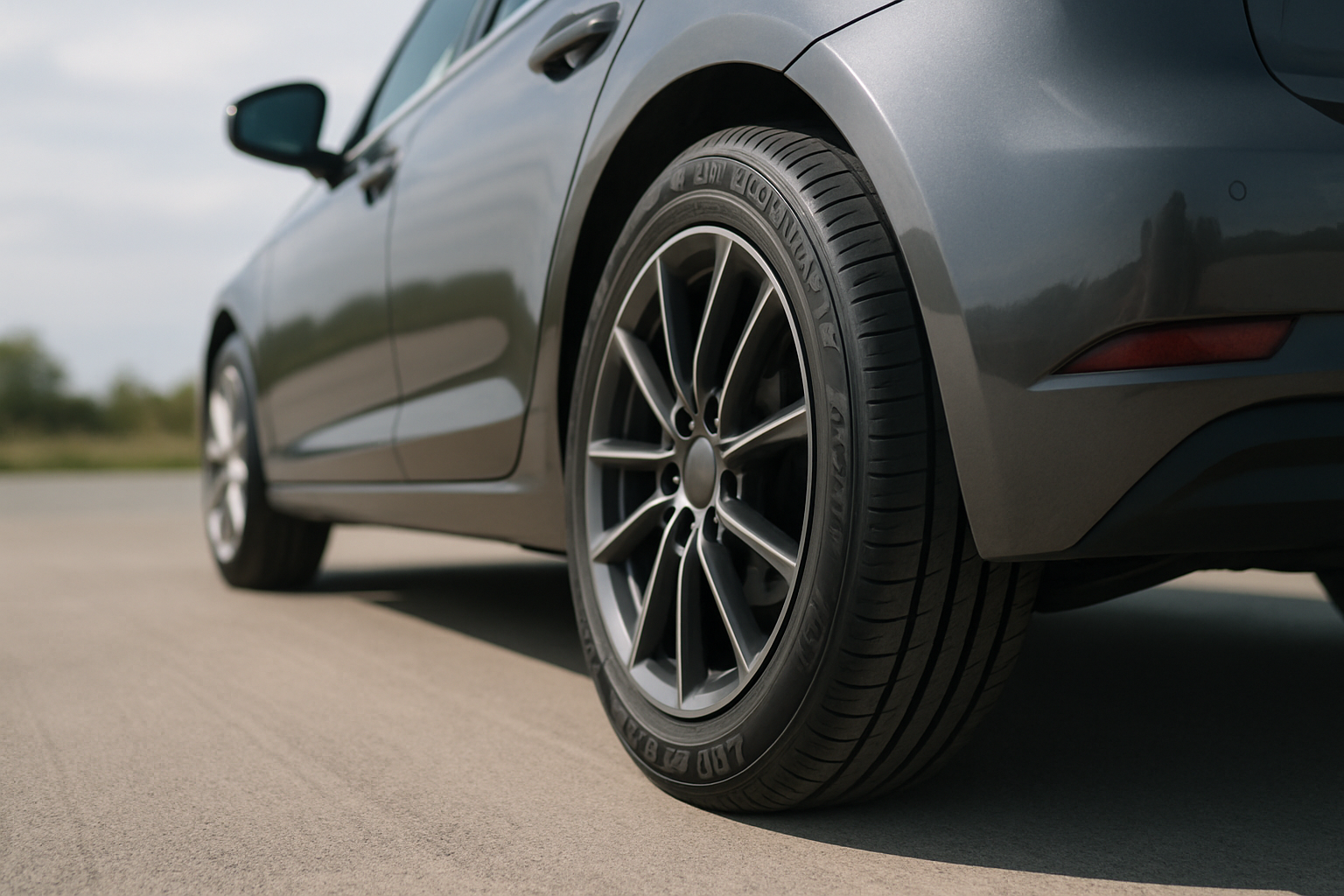
Every tire on your vehicle contains a wealth of information printed right on the sidewall, but most drivers glance at those numbers and letters without understanding what they actually mean. Learning to decode these markings can help you make better decisions about tire purchases, ensure proper replacements, and even keep you safer on the road.
Understanding the Basic Tire Size Format
The most prominent marking on your tire sidewall follows a standardized format that tells you everything about the tire’s dimensions and capabilities. Take a common tire size like P225/65R17 as an example. Each part of this code reveals specific information about your tire.
This alphanumeric sequence might look confusing at first, but once you understand each component, you’ll be able to read any tire size with confidence. Manufacturers follow strict guidelines when marking tires, so these codes are consistent across all brands and models.
Breaking Down P225/65R17
The “P” Designation
The letter “P” at the beginning stands for “Passenger,” indicating this tire was designed for passenger cars, minivans, and light trucks. You might also see “LT” for Light Truck tires, which are built to handle heavier loads and more demanding conditions.
Some tires don’t have any letter prefix at all. These are typically European metric tires that meet slightly different standards but can often be used interchangeably with P-metric tires of the same size.
Tire Width: 225
The three-digit number 225 represents the tire’s width in millimeters, measured from sidewall to sidewall when the tire is properly inflated and mounted on the correct rim width. This measurement is taken at the tire’s widest point.
Tire widths typically range from about 155mm for compact cars up to 315mm or more for high-performance vehicles and trucks. A wider tire generally provides better grip and handling but may increase road noise and reduce fuel economy.
Aspect Ratio: 65
The number after the slash, 65 in this example, represents the aspect ratio or profile. This tells you the height of the tire’s sidewall as a percentage of the tire’s width. A 65 aspect ratio means the sidewall height is 65% of 225mm, which equals about 146mm.
Lower aspect ratios like 45 or 50 create shorter sidewalls that typically improve handling and steering response. Higher ratios like 70 or 75 provide more cushioning and a smoother ride but may feel less precise in corners.
Construction Type: R
The letter “R” indicates radial construction, where the tire’s internal cords run radially from bead to bead. Nearly all modern tires use radial construction because it provides better fuel economy, longer tread life, and improved handling compared to older bias-ply designs.
You might occasionally see “D” for diagonal or bias-ply construction, typically on trailer tires or specialty applications. Some high-performance tires use “Z” to indicate they’re rated for speeds over 149 mph.
Wheel Diameter: 17
The final number, 17, tells you the diameter of the wheel rim in inches that this tire fits. This measurement is crucial because you cannot mount a tire designed for a 17-inch wheel on a 16-inch or 18-inch rim.
When shopping for replacement tires, this number must match exactly. However, you can sometimes change wheel and tire combinations, like going from 17-inch wheels with higher-profile tires to 18-inch wheels with lower-profile tires, as long as the overall diameter remains similar.
Load Index and Speed Rating
After the tire size, you’ll find additional numbers and letters that indicate the tire’s load capacity and maximum speed capability. These might appear as something like “98H” following the size designation.
Load Index Numbers
The load index is a numerical code that corresponds to the maximum weight each tire can safely carry when properly inflated. Common load indices range from 75 (853 pounds) to 105 (2,039 pounds) for passenger car tires.
For our example, a load index of 98 means each tire can handle up to 1,653 pounds. Multiply this by four tires, and you get the vehicle’s maximum load capacity. Always choose replacement tires with a load index equal to or higher than your original equipment tires.
Speed Rating Letters
The letter immediately following the load index indicates the tire’s maximum safe operating speed when properly inflated and loaded. Speed ratings run alphabetically, with some exceptions, from A (lowest) to Y (highest).
Common speed ratings include S (112 mph), T (118 mph), H (130 mph), V (149 mph), and W (168 mph). Even if you don’t plan to drive these speeds, the speed rating also indicates the tire’s overall construction quality and heat resistance during normal driving.
DOT Date Code
Every tire sidewall contains a DOT (Department of Transportation) code that includes manufacturing information and, most importantly, the production date. This code typically starts with “DOT” followed by a series of letters and numbers.
The last four digits of the DOT code tell you when the tire was manufactured. The first two digits represent the week of the year, and the last two represent the year. For example, “2318” means the tire was made in the 23rd week of 2018.
Tire age matters significantly for safety. Even if the tread looks good, tires older than six years should be inspected regularly, and most experts recommend replacing tires that are 10 years old regardless of tread depth.
Additional Sidewall Information
UTQG Ratings
The Uniform Tire Quality Grading system provides standardized information about treadwear, traction, and temperature resistance. You’ll see a treadwear number (like 400) and letter grades for traction (AA, A, B, or C) and temperature (A, B, or C).
Treadwear numbers are comparative, with higher numbers indicating longer expected life under controlled test conditions. Traction grades AA and A provide the best wet-weather stopping ability, while temperature grade A offers the best heat resistance.
Maximum Pressure Information
The sidewall also shows the maximum cold inflation pressure, typically listed as “MAX PRESS 44 PSI COLD” or similar. This represents the highest pressure you should put in the tire, but your vehicle’s recommended pressure is usually lower and can be found on a sticker inside the driver’s door jamb or in the owner’s manual.
Using the maximum pressure listed on the tire will create a harsh ride and uneven wear patterns. Always follow your vehicle manufacturer’s recommended pressures for optimal performance and tire life.
Monitoring Your Tire Pressure
Understanding tire pressure ratings becomes more important when you have the tools to monitor pressure accurately. Digital tire pressure gauges provide precise readings that help you maintain optimal pressure based on the specifications you now know how to read on your tire sidewall.
Maintaining proper pressure extends tire life, improves fuel economy, and ensures the load and speed ratings remain valid. Check your tire pressure at least monthly when tires are cold, meaning the vehicle hasn’t been driven for at least three hours.
When Sidewall Information Matters Most
Knowing how to read tire sidewalls becomes crucial when replacing tires, especially if you can’t reference your original equipment specifications. You can ensure proper fitment and maintain your vehicle’s designed performance characteristics.
This information also helps when buying used vehicles. You can quickly assess tire age, check if all four tires match, and determine if the installed tires meet the vehicle’s requirements. Mismatched tires or incorrect specifications can affect handling, fuel economy, and safety.
Understanding load ratings becomes especially important if you frequently carry heavy loads or tow trailers. Exceeding tire load ratings can lead to dangerous blowouts, even if the tires look fine externally.
Frequently Asked Questions
Can I mix different tire sizes on my vehicle?
Generally, you should keep the same tire size on all four wheels for optimal performance and safety. Some vehicles come with different front and rear tire sizes from the factory, but this is specified in the owner’s manual. Mixing sizes can affect traction control systems, differentials, and handling characteristics.
What happens if I choose a tire with a lower speed rating than original equipment?
Installing tires with lower speed ratings than originally specified can compromise safety and vehicle performance. The speed rating affects the tire’s construction and ability to dissipate heat during normal driving, not just at maximum speeds. Stick with the original speed rating or higher.
How do I know if my tires are too old to use safely?
Check the DOT date code to determine manufacturing date. Replace tires that are 10 years old regardless of appearance, and have tires over six years old inspected annually by a qualified technician. Age-related deterioration occurs even if tires aren’t used frequently.
Do I need to replace all four tires at once?
While replacing all four tires ensures uniform performance, you can replace tires in pairs if the remaining tires have adequate tread depth and aren’t too old. Always put new tires on the rear axle for better stability, especially in wet conditions. For all-wheel-drive vehicles, check your owner’s manual as some require replacing all four tires to prevent drivetrain damage.
Leave a Reply