
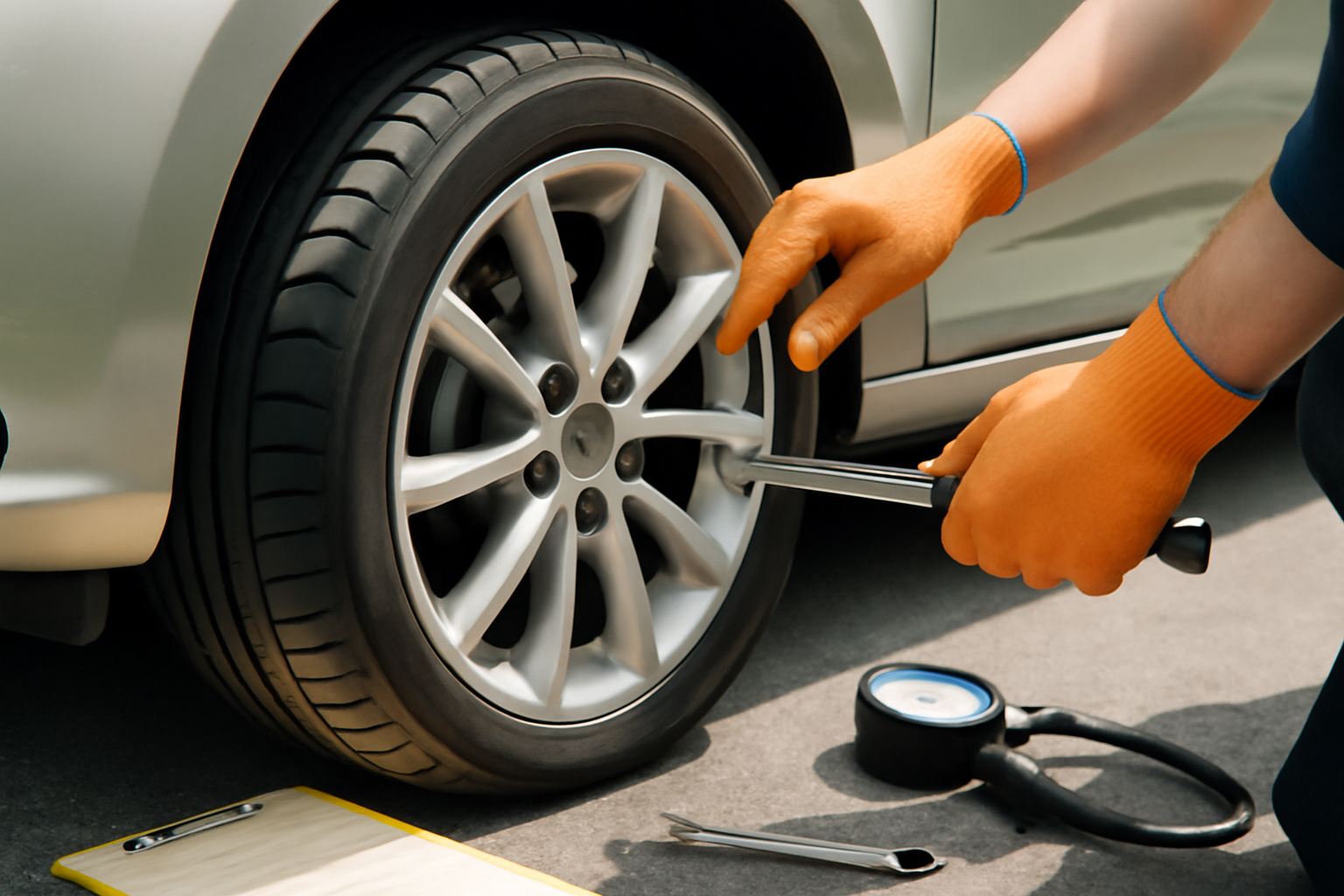
Summer heat is harder on tires than most drivers realize. Pavement temperatures can exceed 150 degrees Fahrenheit on a hot day, accelerating rubber degradation and increasing the risk of blowouts. A few simple maintenance steps keep your tires safe and performing well through the hottest months.
Check Pressure More Often
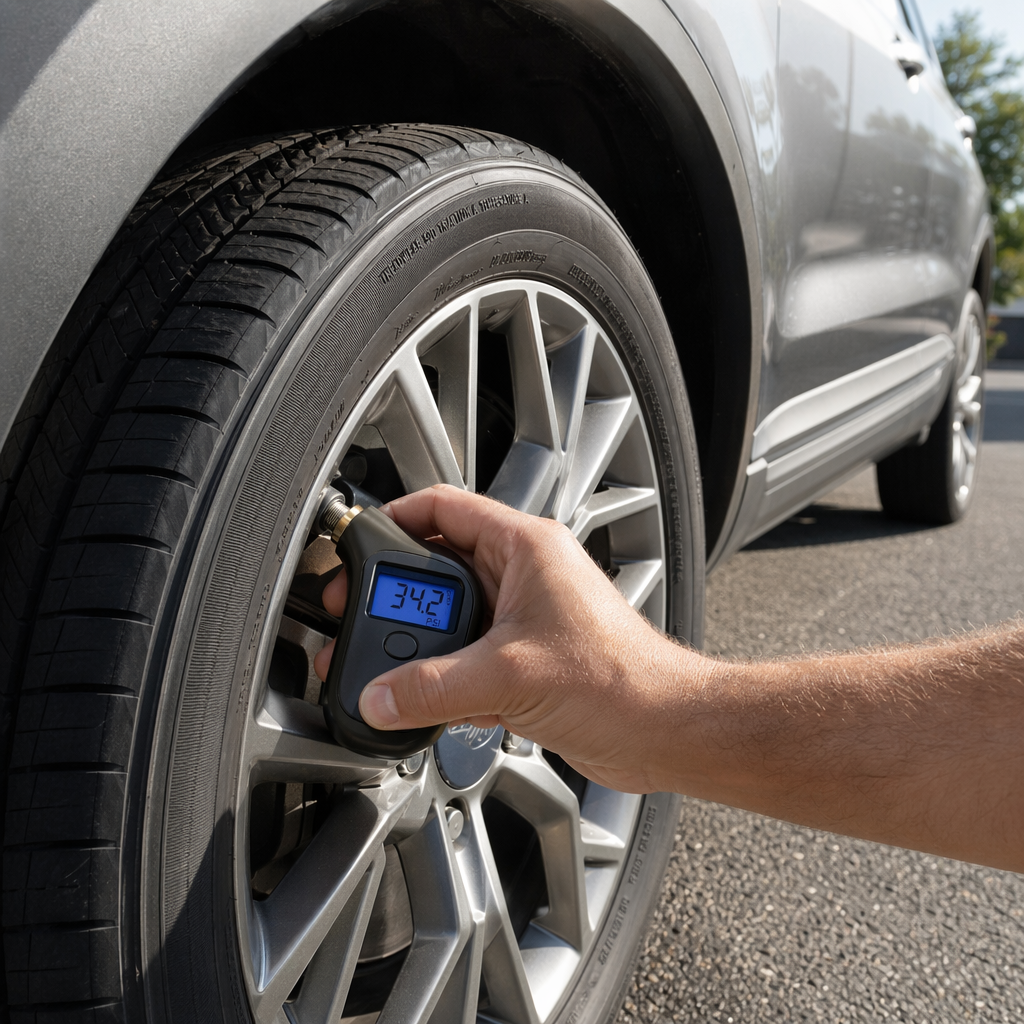
Tire pressure increases approximately 1 PSI for every 10-degree rise in ambient temperature. Tires inflated to the correct pressure on a cool spring morning may be 4 to 6 PSI over the recommended level by mid-afternoon in July.
While slight over-inflation is less dangerous than under-inflation, consistently running tires at elevated pressures causes center-wear and reduces ride quality.
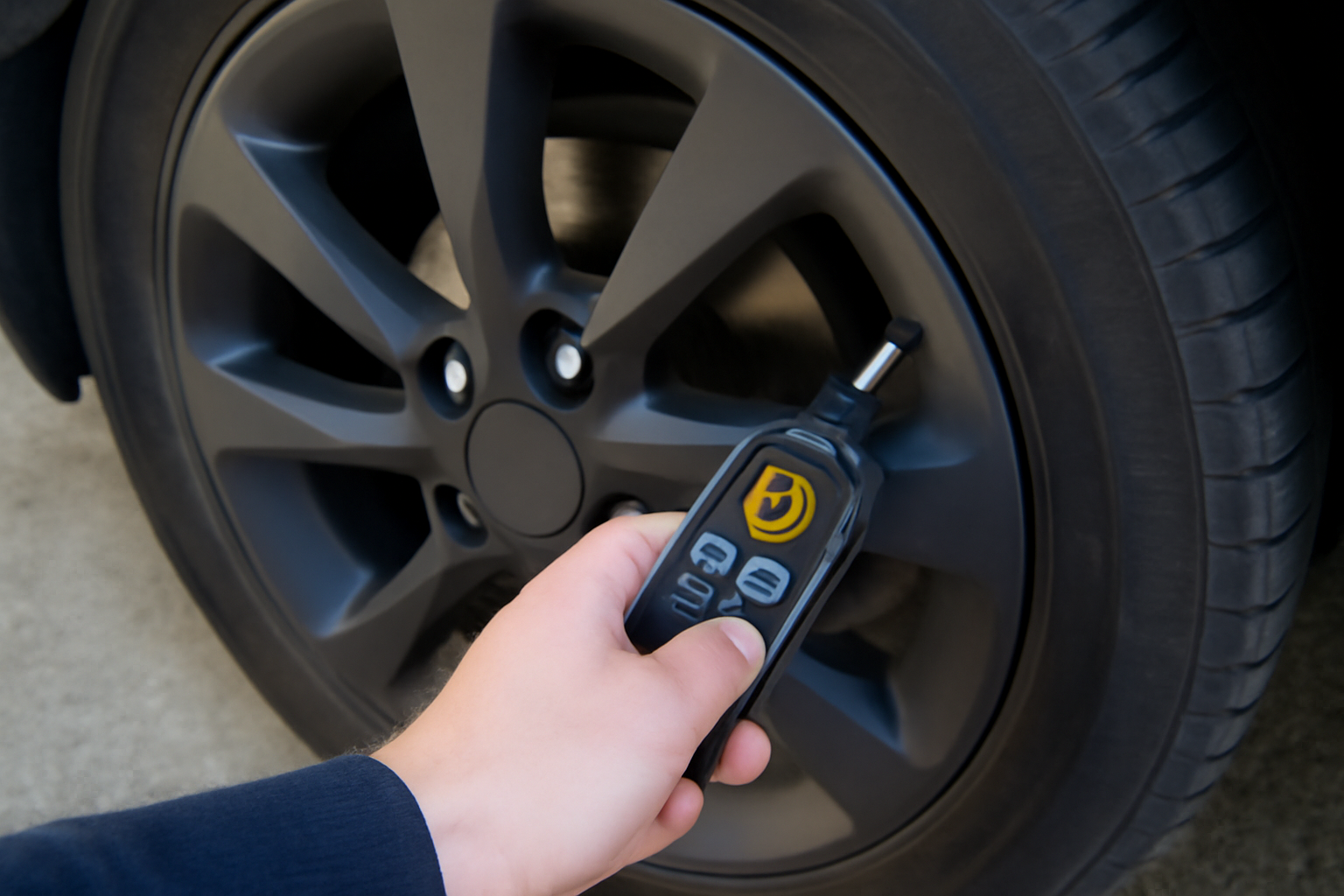
Check your tire pressure in the morning before driving, when tires are cold. Use a reliable digital tire pressure gauge rather than gas station gauges, which are often inaccurate.
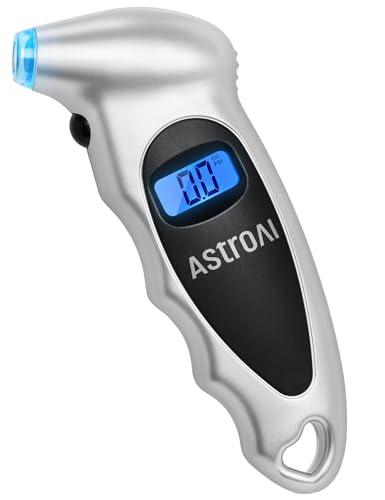
Digital Tire Pressure Gauge
More accurate than gas station gauges and essential for monitoring summer pressure fluctuations
Inspect Tread Depth
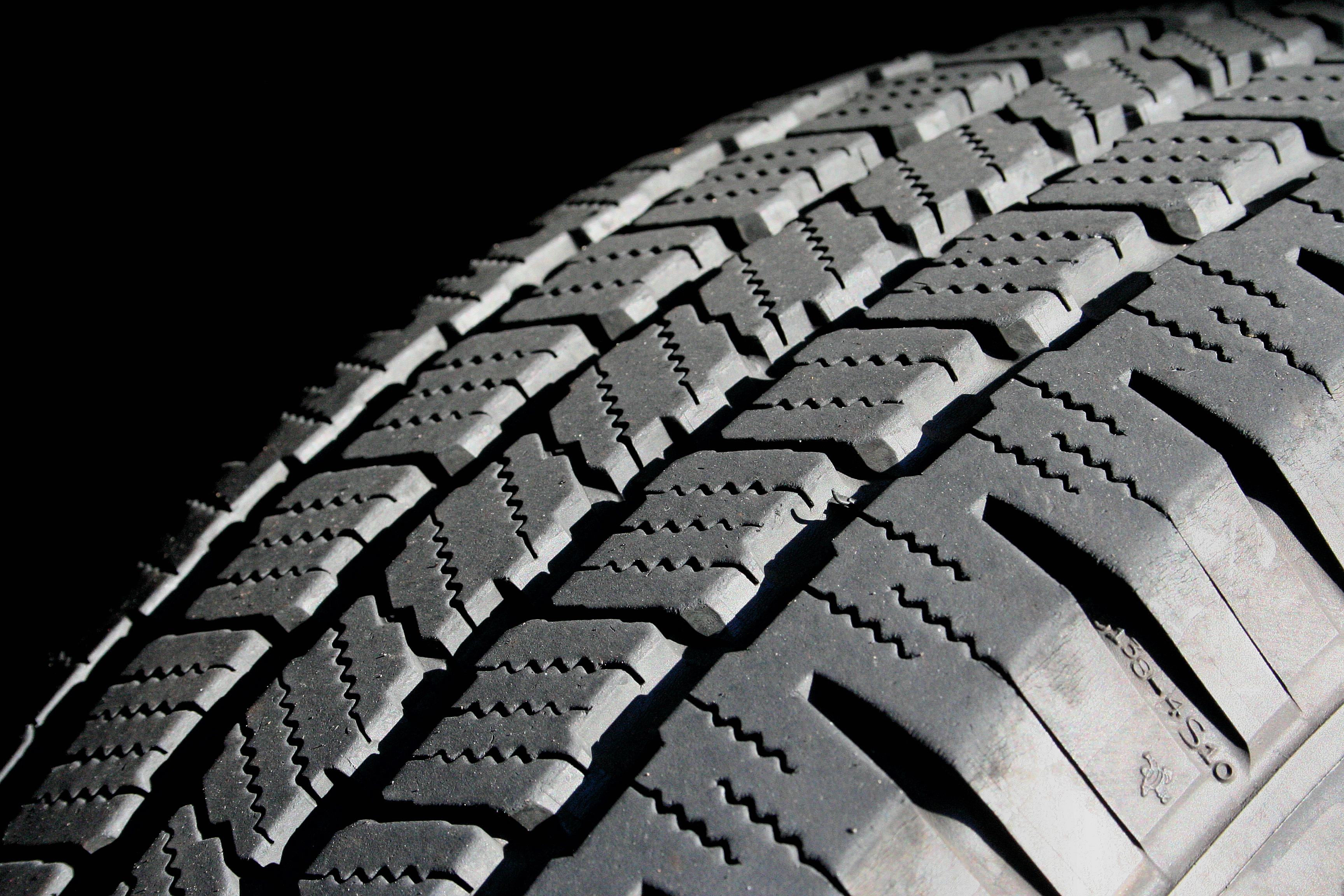
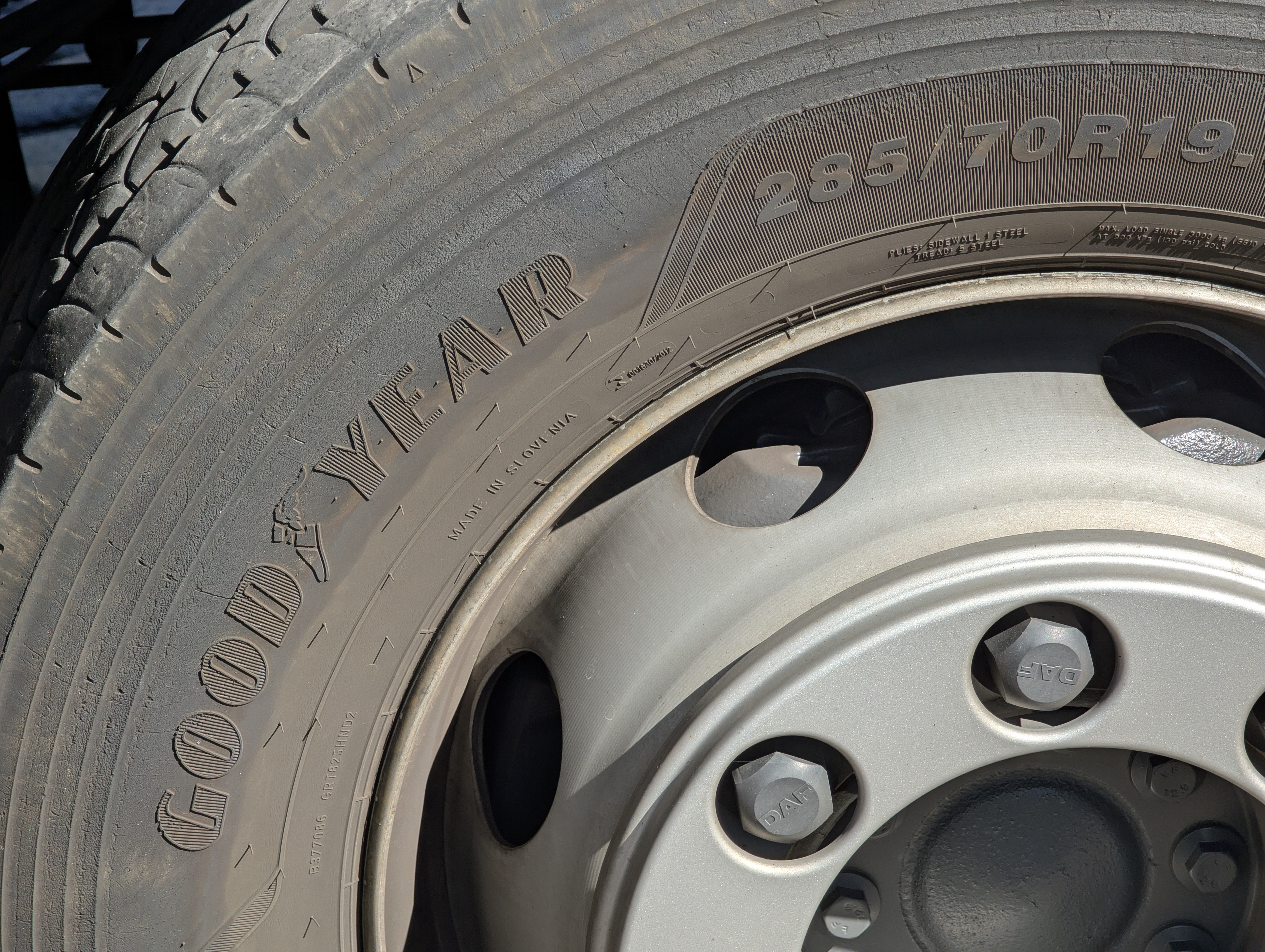
Summer rain and thunderstorms demand adequate tread depth for safe stopping and hydroplaning resistance. The legal minimum is 2/32 of an inch, but tires lose significant wet-weather performance below 4/32 of an inch.
Use a tread depth gauge or the quarter test (insert a quarter head-first into the tread; if the tread reaches Washington’s hairline, you have about 4/32 remaining). Replace tires that fall below 4/32, especially before summer road trips.
Look for Heat Damage
Inspect your tire sidewalls for cracks, bulges, or blistering. Heat accelerates the oxidation of rubber compounds, causing small cracks (called weather checking) that weaken the sidewall.
A bulge indicates internal structural damage, usually from hitting a pothole or curb, and means the tire needs immediate replacement.
Tires older than 6 years are more susceptible to heat damage regardless of tread depth. Check the DOT date code on the sidewall (a four-digit number where the first two digits are the week and the last two are the year of manufacture). Replace any tire older than 6 to 10 years.
Maintain Your Rotation Schedule
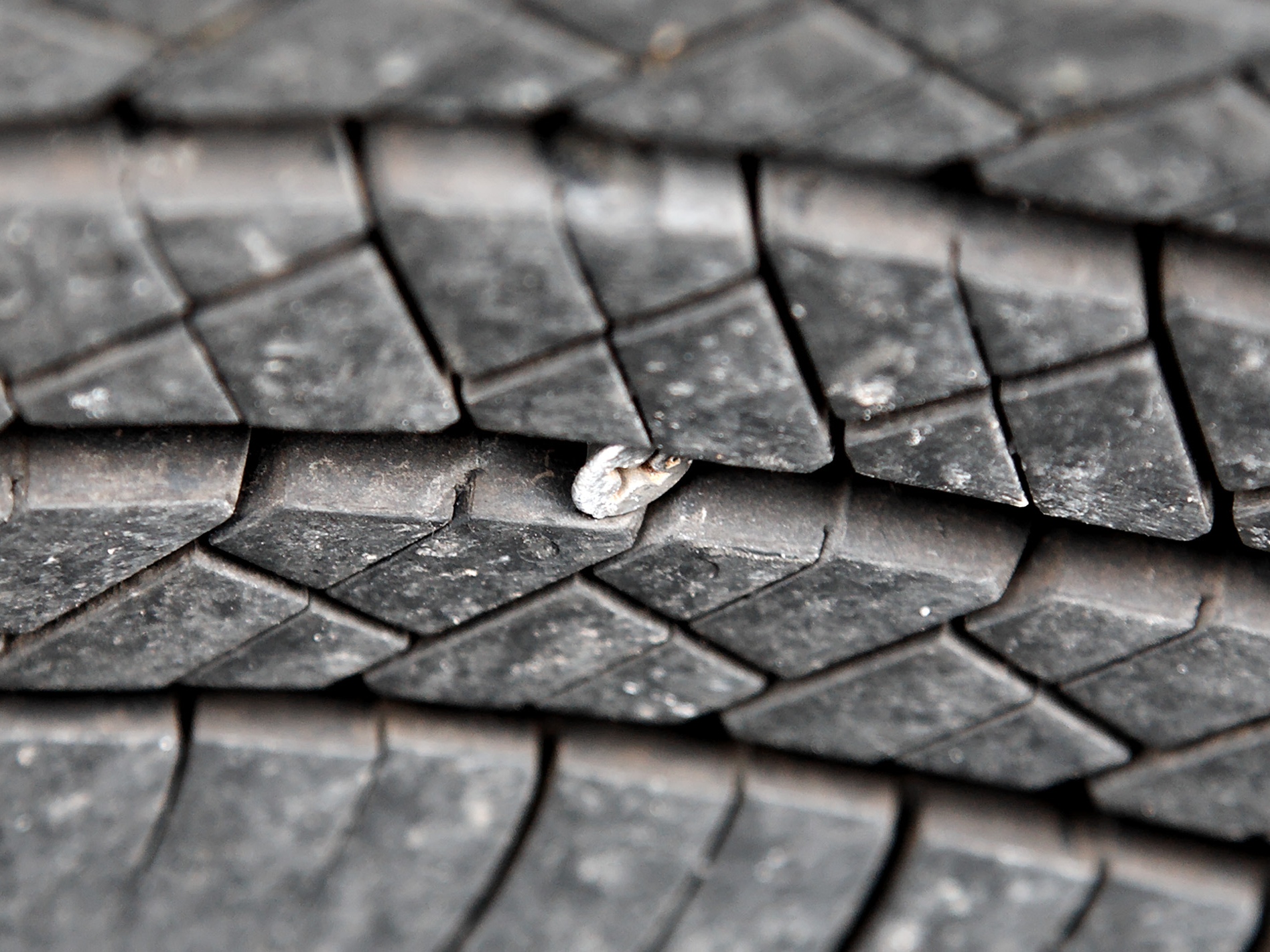
Heat amplifies uneven wear patterns. Tires that are already wearing unevenly will degrade faster in summer.
Stick to a rotation every 5,000 to 7,500 miles to distribute wear evenly across all four tires. This is especially important if you’re planning a long-distance trip in a high-mileage vehicle.
Avoid Overloading
Summer road trips often mean a car packed with luggage, coolers, and passengers. Every vehicle has a maximum load rating listed on the door jamb placard.
Exceeding this rating puts excessive stress on the tires, generating more heat than they’re designed to handle. This is particularly important for families loading up SUVs with multiple car seats and vacation gear.
Increase tire pressure by 2 to 3 PSI (without exceeding the maximum sidewall pressure) when carrying heavy loads. This compensates for the added weight and keeps the tire from flexing excessively.
Parking on Hot Pavement
Extended parking on black asphalt in direct sun subjects your tires to extreme surface heat. When possible, park in the shade or on concrete, which stays significantly cooler than asphalt.
If you must park on hot pavement for extended periods, consider moving the car periodically to prevent one section of each tire from baking against the hot surface. This becomes even more critical if you’re storing a vehicle for an extended period during the summer months.
Frequently Asked Questions
Can tires explode in summer heat?
Blowouts are more common in summer because heat increases tire pressure and accelerates the failure of already-weakened tires. Properly inflated, well-maintained tires with adequate tread depth are extremely unlikely to blow out, even in extreme heat.
Should I lower tire pressure in hot weather?
No. Always inflate to the manufacturer’s recommended pressure (found on the door jamb sticker) when the tires are cold. The tire is designed to handle the normal pressure increase that occurs during driving in hot weather.
How hot can pavement get in summer?
On a 95-degree day, asphalt surface temperatures can reach 140 to 160 degrees Fahrenheit. At these temperatures, rubber compounds age faster, and underinflated or damaged tires are at the highest risk of failure.
What other systems need attention in hot weather?
While tires are critical, don’t forget your cooling system and battery. Overheating problems often emerge when running the AC in extreme heat, especially if your coolant or radiator needs service.
This article contains affiliate links. We may earn a small commission at no extra cost to you.


Leave a Reply