

Your car battery dying in the middle of winter feels like the worst possible timing, but the real damage actually happened months earlier during those scorching summer days. While most drivers blame cold weather for battery failures, the summer heat is the true culprit that weakens batteries long before winter delivers the final blow.
The Hidden Truth About Summer Battery Damage
Car batteries are essentially chemical powerhouses, and heat accelerates every chemical reaction inside them. When temperatures climb above 80°F, your battery starts working overtime, and the internal components begin breaking down faster than they should.
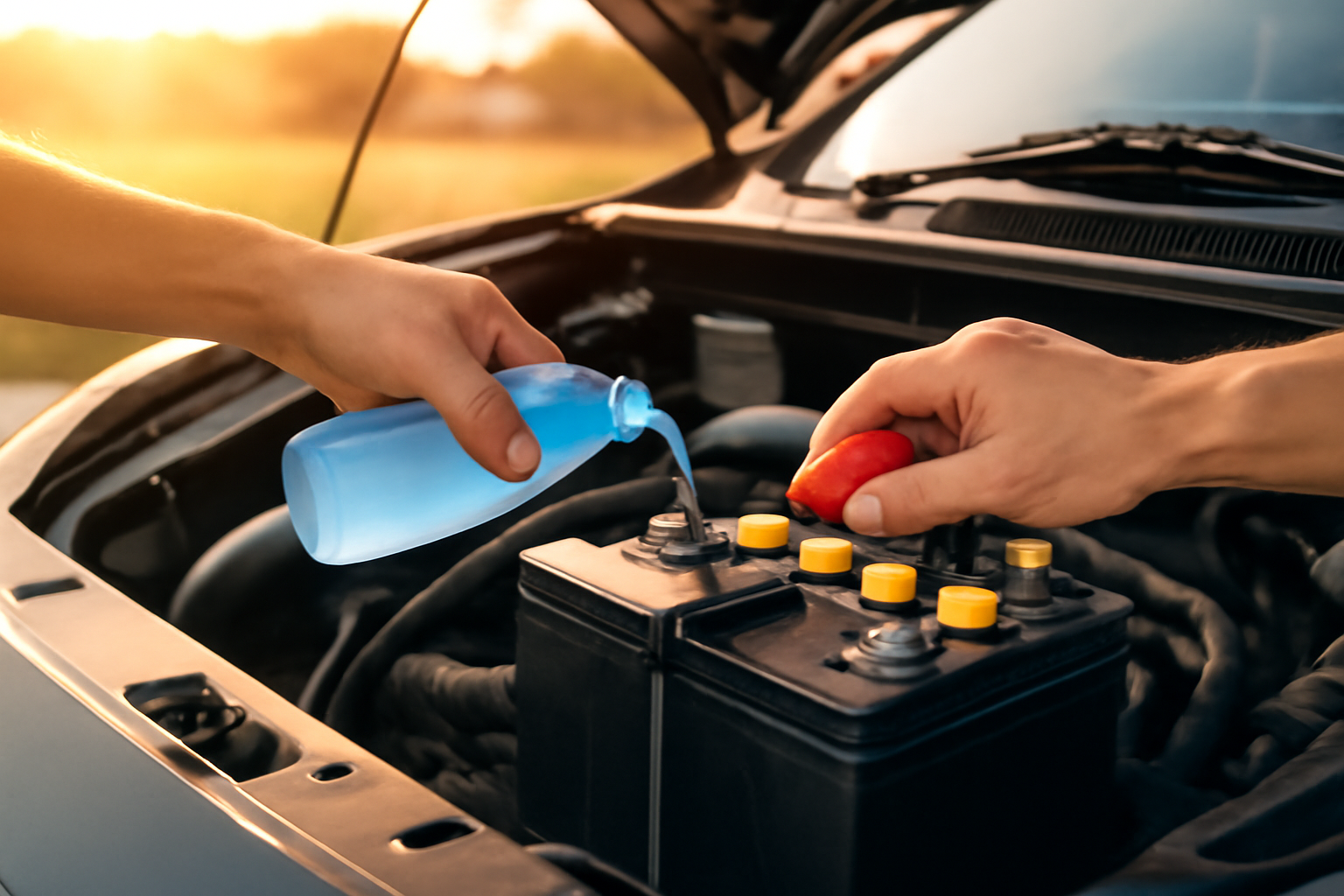
The electrolyte solution inside your battery contains water that evaporates more quickly in hot weather. As this fluid level drops, the battery plates become exposed to air, causing permanent damage to their ability to hold a charge. This process happens gradually throughout the summer, often without any obvious symptoms until winter arrives.
Think of it this way: summer heat slowly poisons your battery, while winter cold simply reveals how weak it has already become. The battery that fails to start your car on a 20°F morning was likely damaged during July’s heat wave.
How Heat Breaks Down Battery Chemistry
Inside your car battery, lead plates sit in a sulfuric acid solution, creating the chemical reaction that generates electricity. High temperatures cause this acid to become more active, which sounds good in theory but actually accelerates the breakdown of the lead plates.
When the battery gets hot, the acid literally eats away at the lead plates faster than normal. This process, called corrosion, reduces the surface area available for the chemical reaction. Less surface area means less power output and shorter battery life.
The heat also causes the plastic battery case to expand and contract repeatedly. This constant movement can crack internal connections and damage the delicate plate structure inside the battery.
Fluid Evaporation: The Silent Killer
Most modern batteries are sealed, but they still lose water through normal operation. Summer heat dramatically increases this water loss, and once the electrolyte level drops below the plates, permanent damage occurs within hours.
You can sometimes see evidence of this evaporation as white, chalky buildup around the battery terminals. This residue is actually dried electrolyte that has escaped from the battery due to excessive heat and pressure.
Traditional flooded batteries suffer the most from evaporation, but even AGM and gel batteries lose moisture over time. The difference is that sealed batteries can’t be topped off with distilled water like the old-style batteries could.
Why Winter Gets Blamed for Summer’s Damage
Cold weather reduces a battery’s capacity by slowing down the chemical reactions inside. A healthy battery might lose 20-30% of its power in freezing temperatures, but it will recover once it warms up.
However, a battery that has been damaged by summer heat doesn’t have enough capacity to spare. When winter reduces its already-compromised power by another 20-30%, it simply can’t provide enough juice to turn over your engine.
Your car also demands more power in winter. Cold engine oil is thicker, making the starter motor work harder. You’re running the heater, defroster, lights, and other electrical accessories more often. A weakened battery just can’t keep up with these increased demands.
Temperature Extremes That Damage Batteries
Battery manufacturers typically rate their products for optimal performance between 32°F and 80°F. Once temperatures exceed 100°F, the rate of internal damage increases dramatically.
Under-hood temperatures can reach 140°F or higher on hot summer days, especially in stop-and-go traffic. If your battery is mounted in the engine compartment, it’s experiencing temperatures well beyond its design limits for hours at a time.
Even batteries mounted in the trunk or under the rear seat aren’t completely safe. The entire vehicle acts like an oven in summer heat, and ambient temperatures of 90-100°F inside the car still accelerate battery degradation.
Warning Signs of Heat Damage
Most heat damage happens gradually, but you can watch for early warning signs throughout the summer months. Slow engine cranking on hot afternoons is often the first symptom, especially after the car has been sitting in the sun.
Dim headlights or interior lights when the engine is idling can indicate that your battery isn’t holding a full charge anymore. You might also notice that your car’s clock or radio presets reset occasionally, suggesting brief power interruptions.
Swelling or bulging of the battery case is a clear sign of heat damage and means replacement is urgent. The battery could leak or fail completely without warning if the case integrity is compromised.
Testing Your Battery Before Winter Arrives
Don’t wait for cold weather to discover that your battery is weak. Most auto parts stores will test your battery for free using professional equipment that can detect declining capacity before it becomes a problem.
You can also invest in your own battery tester to check the condition regularly throughout the year. These devices measure both voltage and load capacity, giving you a complete picture of your battery’s health.
A good battery should show 12.6 volts or higher when the car has been sitting for several hours. If you’re seeing 12.4 volts or less, the battery is already losing capacity and may not survive the winter.
Protecting Your Battery from Summer Heat
Park in shade whenever possible, especially during the hottest parts of the day. Even a few degrees of temperature reduction can significantly extend battery life over the course of a summer.
Consider a battery blanket or heat shield if your battery is mounted in the engine compartment. These inexpensive accessories reflect heat away from the battery and can lower its operating temperature by 10-15 degrees.
Keep your battery terminals clean and properly tightened. Corrosion creates resistance that forces the battery to work harder and generate more heat. A simple terminal cleaning twice a year can prevent this additional stress.
When to Replace Your Battery
Most car batteries last 3-5 years, but this lifespan can be cut in half if the vehicle regularly operates in extreme heat. If your battery is more than three years old and showing signs of weakness, replacement before winter is smart preventive maintenance.
Don’t wait for complete failure, especially if you live in an area with harsh winters. A battery that struggles to start your car in October probably won’t make it through January, and roadside battery replacement in freezing weather is both expensive and miserable.
Late summer or early fall is the ideal time for battery replacement. You’ll avoid the winter rush when everyone else is dealing with dead batteries, and you’ll get the best selection and pricing from retailers.
Choosing the Right Replacement Battery
Not all batteries are created equal when it comes to heat resistance. AGM (Absorbed Glass Mat) batteries typically handle temperature extremes better than traditional flooded batteries, though they cost more upfront.
Look for batteries with higher Cold Cranking Amps (CCA) ratings than your car’s minimum requirement. The extra capacity provides a safety margin that becomes valuable when the battery starts to age and lose power.
Consider the warranty length and terms carefully. A battery with a longer full-replacement warranty period usually indicates better construction and heat resistance, making it worth the extra cost in hot climates.
Professional Maintenance Tips
Have your charging system tested along with your battery, especially if you’ve experienced any electrical issues during the summer. A faulty alternator can overcharge the battery, causing excessive heat and rapid deterioration.
Check your battery hold-down hardware to ensure the battery isn’t moving around while you drive. Vibration combined with heat creates the worst possible environment for battery longevity.
If you have an older vehicle with a flooded battery, check the electrolyte level monthly during hot weather. Add only distilled water if the level is low, and never overfill the cells.
Frequently Asked Questions
How long does it take for summer heat to damage a car battery?
Damage begins immediately when temperatures exceed 100°F, but it’s cumulative over time. A single hot day won’t kill your battery, but weeks of extreme heat will definitely shorten its lifespan. Most heat damage accumulates over 2-3 months of summer driving.
Can I extend my battery’s life by removing it during hot weather?
Removing the battery isn’t practical for daily-use vehicles, but you can help by parking in shade and using a battery tender if the car sits unused for extended periods. The constant charging and discharging of normal use actually helps prevent some types of battery degradation.
Do electric vehicle batteries have the same heat problems?
Electric vehicle batteries also suffer from heat damage, but they typically have active cooling systems and sophisticated management software to protect them. However, EV batteries are much more expensive to replace, making thermal management even more critical.
Should I replace my battery in summer or wait until fall?
If your battery is showing signs of weakness during summer heat, replace it immediately rather than waiting. A battery that struggles in 100°F weather will definitely fail when temperatures drop below freezing. Late summer replacement also gives you the best selection and avoids winter emergency pricing.



Leave a Reply