
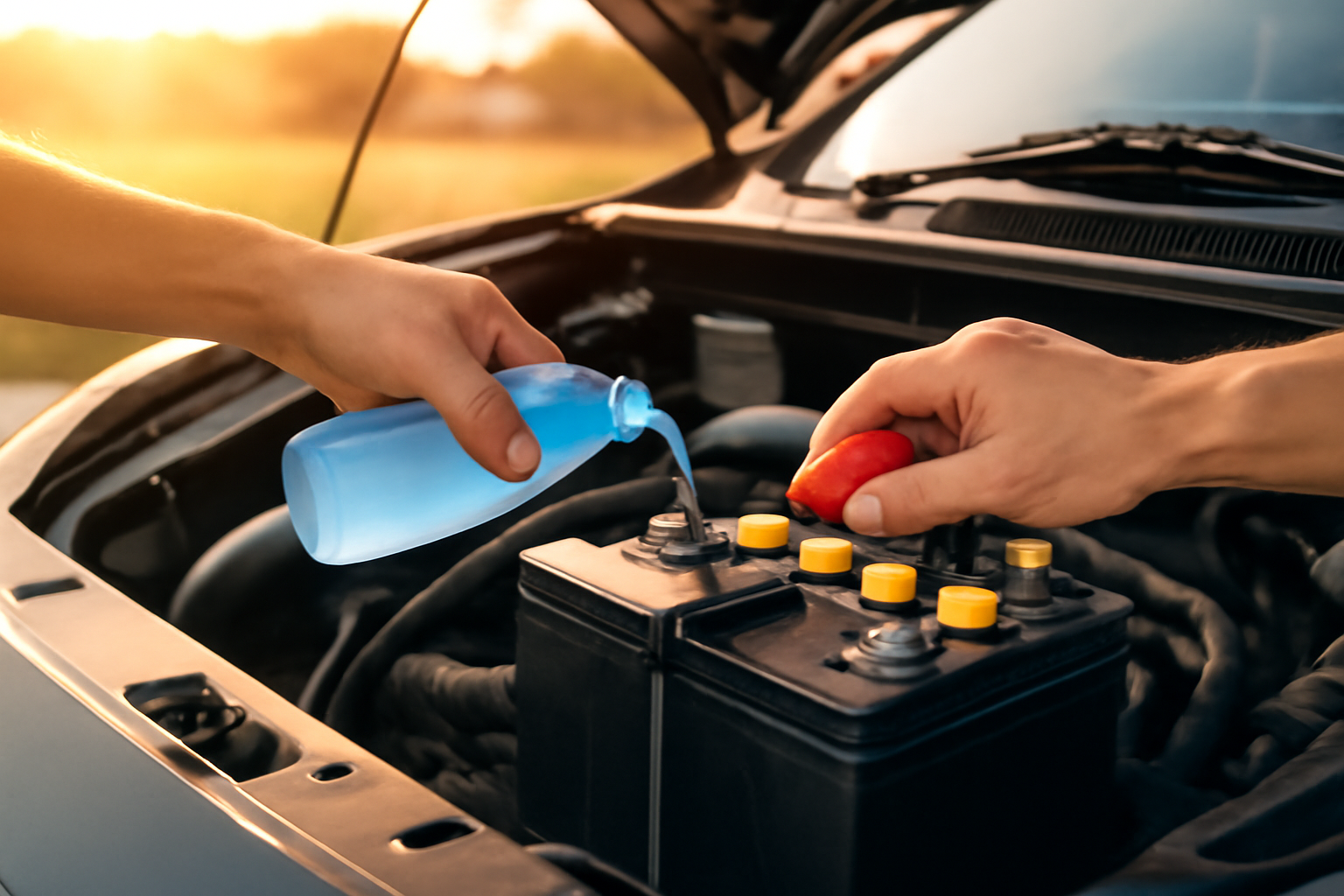
Most people think cold weather is the biggest battery killer, but heat actually does more long-term damage. Summer temperatures accelerate the chemical reactions inside a battery, causing internal corrosion and fluid evaporation that shorten its lifespan dramatically. A battery that survives summer in the Southwest often fails at the first cold snap of winter.
These maintenance steps will help your battery survive the hottest months and stay reliable all year.
Test Your Battery Before Summer Hits
A battery that barely made it through winter is unlikely to survive summer heat. Get a load test done at any auto parts store (most offer this for free) before temperatures climb. The test measures whether the battery can still deliver its rated cold cranking amps under load.
You can also check the resting voltage yourself with a multimeter. A healthy battery reads 12.4 to 12.7 volts when the engine is off. Below 12.2 volts, the battery is partially discharged and may be losing capacity.
Clean the Terminals
Heat accelerates corrosion buildup on battery terminals. That white or greenish crust creates resistance that prevents proper charging and can cause starting problems even when the battery itself is healthy.
Disconnect the negative cable first, then the positive. Scrub the terminals and cable clamps with a wire brush or battery terminal cleaner. Apply a thin layer of dielectric grease or anti-corrosion spray to the terminals before reconnecting (positive first, then negative).

Battery Terminal Cleaner Brush
Essential tool for removing corrosion and maintaining good electrical contact
Check the Fluid Level
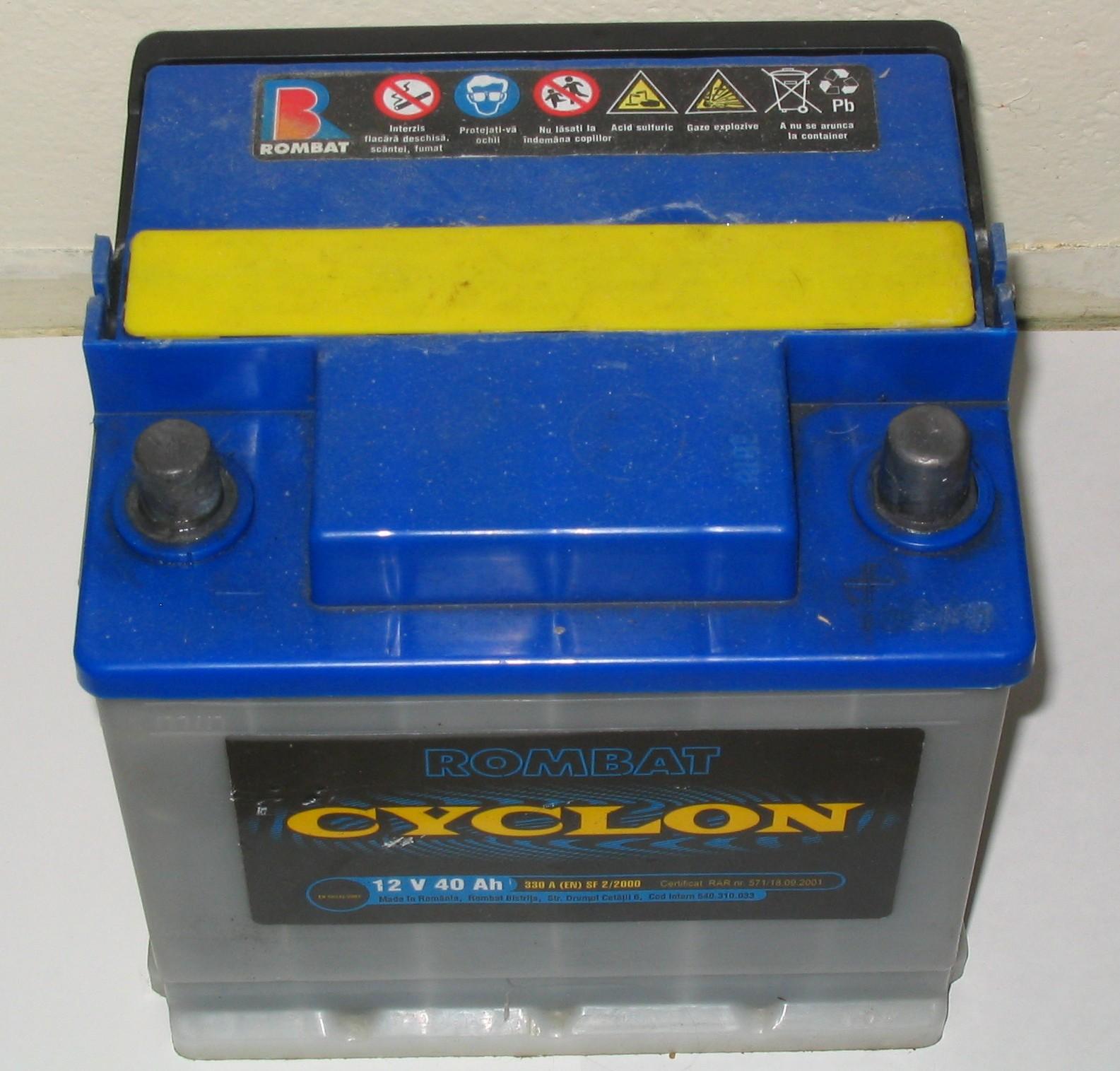
If your battery has removable caps (non-sealed design), check the electrolyte level monthly during summer. The plates inside should be fully submerged. If the level is low, add distilled water only (never tap water or acid) until the plates are just covered.
Sealed (maintenance-free) and AGM batteries don’t require fluid checks. If your sealed battery is swollen or bulging, it’s been overcharged or overheated and needs immediate replacement.
Secure the Battery
Vibration from loose battery mounting accelerates internal plate damage. Make sure the hold-down clamp or bracket is tight and the battery doesn’t shift when you push on it. A battery that moves freely in its tray will fail earlier than one that’s properly secured.
This is especially important if you’re shopping for reliable used cars built to last, as proper battery maintenance helps protect your investment over the long term.
Use a Battery Maintainer
If your car sits for extended periods during summer (vacation, work-from-home weeks), a battery maintainer keeps the charge topped off without overcharging. Smart maintainers monitor voltage and pulse-charge as needed, which actually helps condition the battery and extend its life.
This is particularly useful if you’re storing a car for several months, as it prevents the deep discharge that kills batteries during extended periods of inactivity.

Battery Maintainer Charger
Smart chargers prevent overcharging and extend battery life during storage
Reduce Heat Exposure
Park in the shade or a garage whenever possible. Under-hood temperatures in a parked car exposed to direct sun can exceed 140 degrees Fahrenheit, which is brutal on battery chemistry. Even parking under a tree makes a measurable difference.
If your vehicle has a battery insulation sleeve or heat shield, make sure it’s in place. These are often removed during battery replacement and not reinstalled. The insulation reduces temperature swings that stress the battery.
Heat is equally damaging to other systems. If you’ve noticed your car overheating when the AC is on, addressing cooling system issues can also reduce the thermal stress on your battery.
Frequently Asked Questions
How long do car batteries last in hot climates?
In hot climates like Arizona or Texas, batteries typically last 2 to 3 years. In moderate climates, 4 to 5 years is more common. Heat is the primary factor that shortens battery life.
Can heat cause a battery to explode?
Extreme overcharging combined with high heat can cause a battery to vent hydrogen gas, which is flammable. Explosions are rare but possible if sparks occur near a venting battery. Proper charging and ventilation eliminate this risk.
Should I disconnect the battery when leaving my car parked for weeks?
Disconnecting the negative cable prevents parasitic drain and is a good option if you don’t have a maintainer. Keep in mind that disconnecting will reset your clock, radio presets, and some computer-learned settings.
This article contains affiliate links. We may earn a small commission at no extra cost to you.


Leave a Reply