
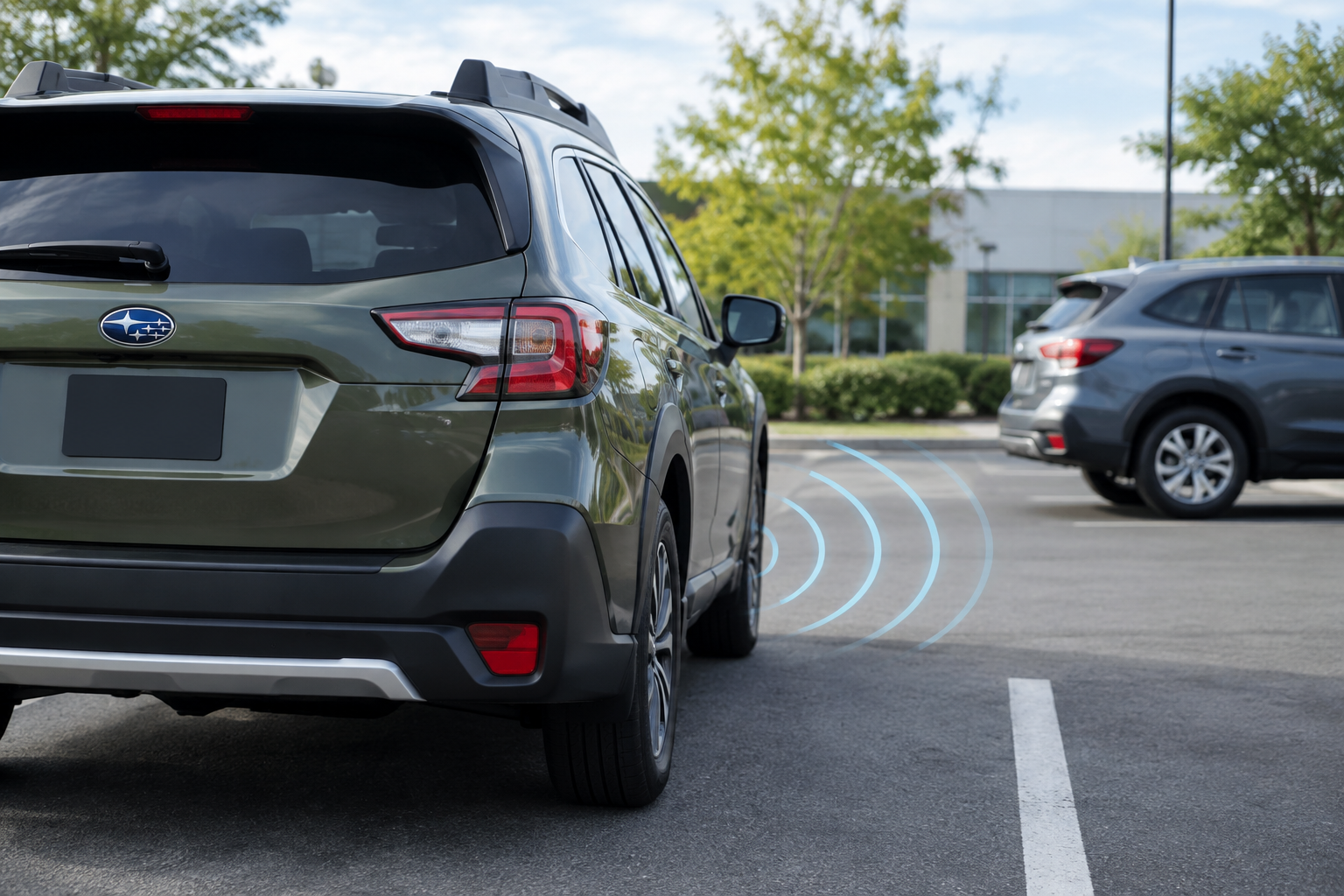
You back out of a parking spot at the grocery store, glance at the dash, and the little amber icon that usually lights up when a car is approaching from the side is just… not there. Or worse, it’s been reliable for two years and now it randomly cuts out every time you tow your camper or throw the bikes on the back. Rear Cross Traffic Alert going quiet on a Subaru Outback is one of those problems that’s usually simple to diagnose once you know where to look.
What Rear Cross Traffic Alert Actually Is on the Outback
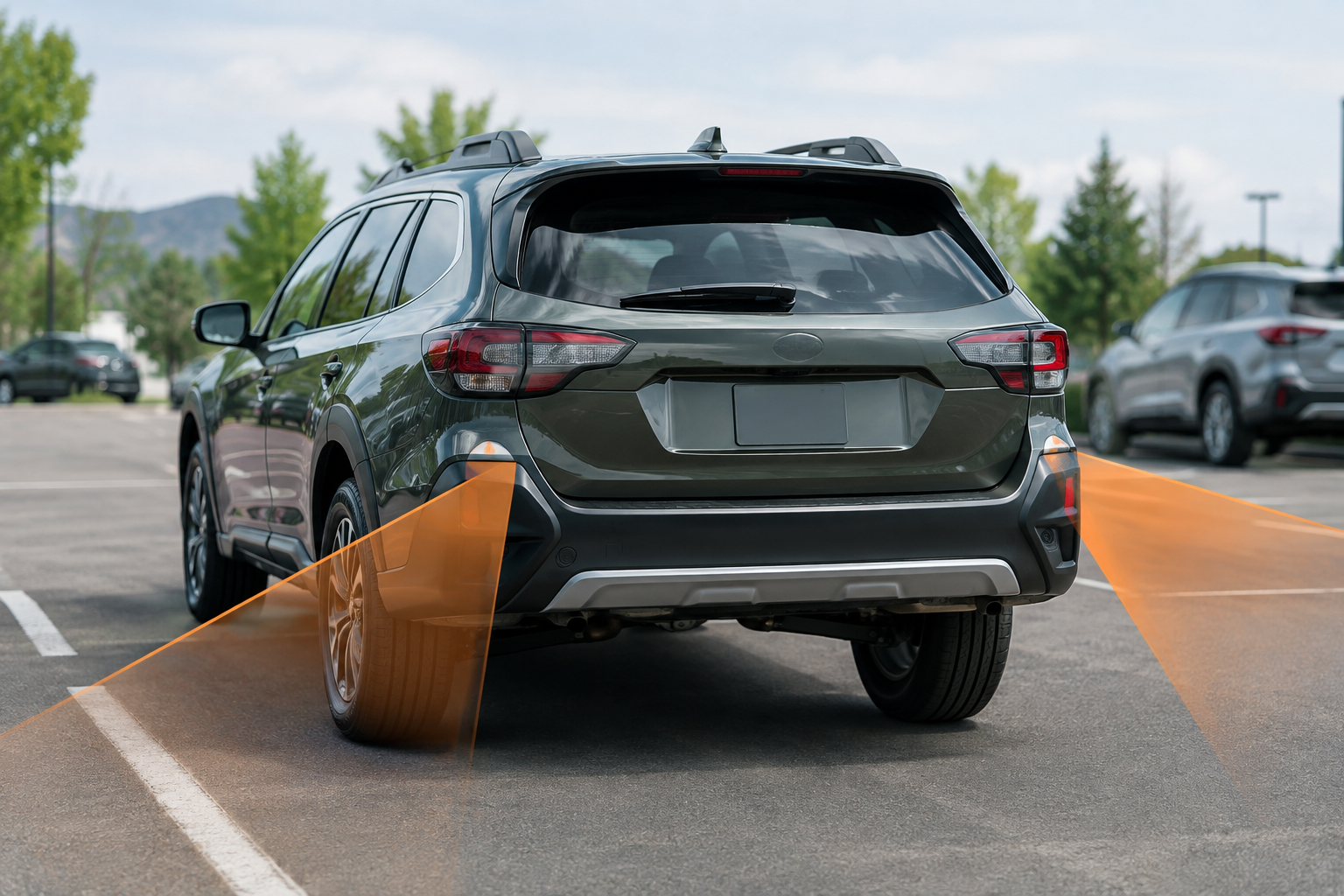
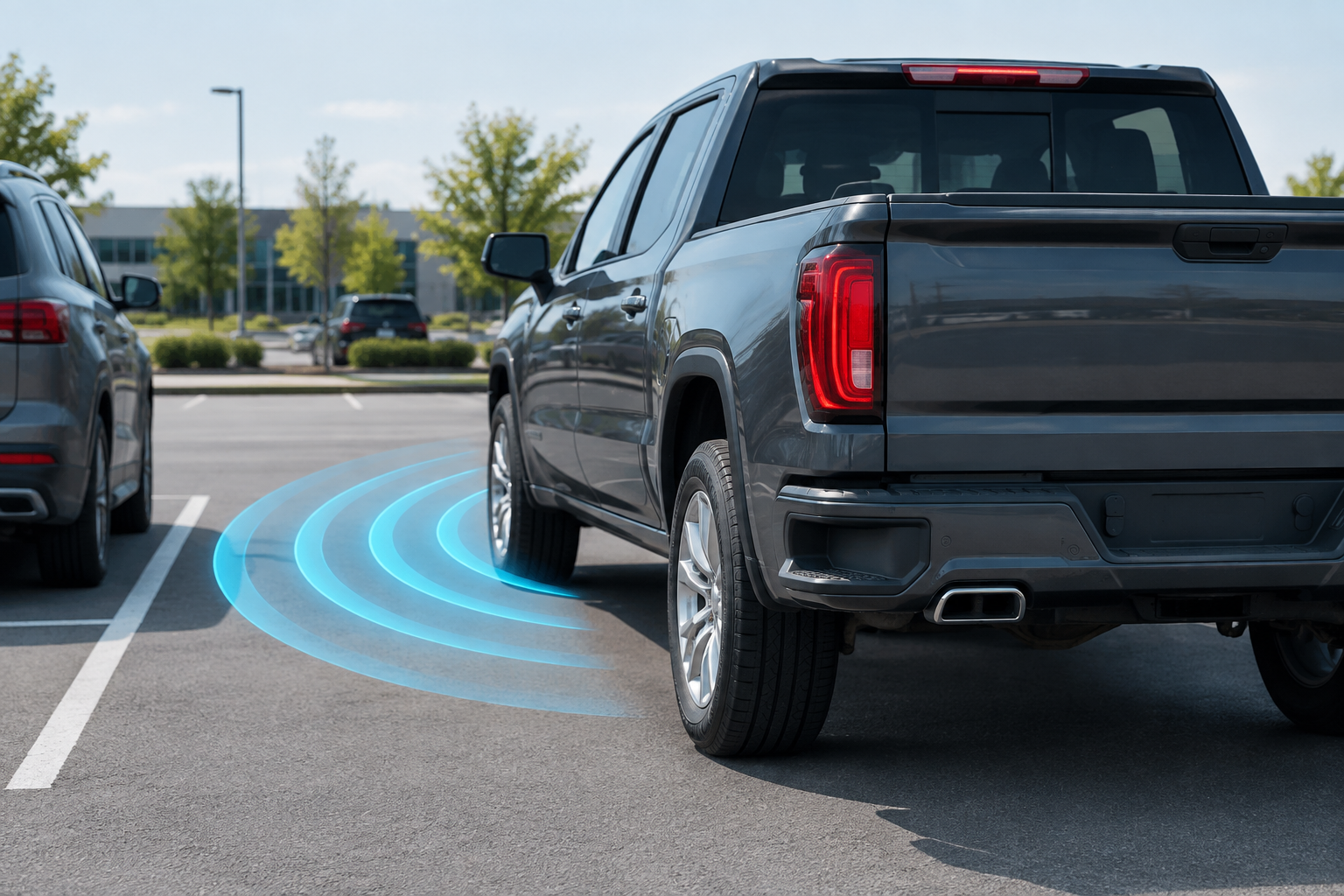
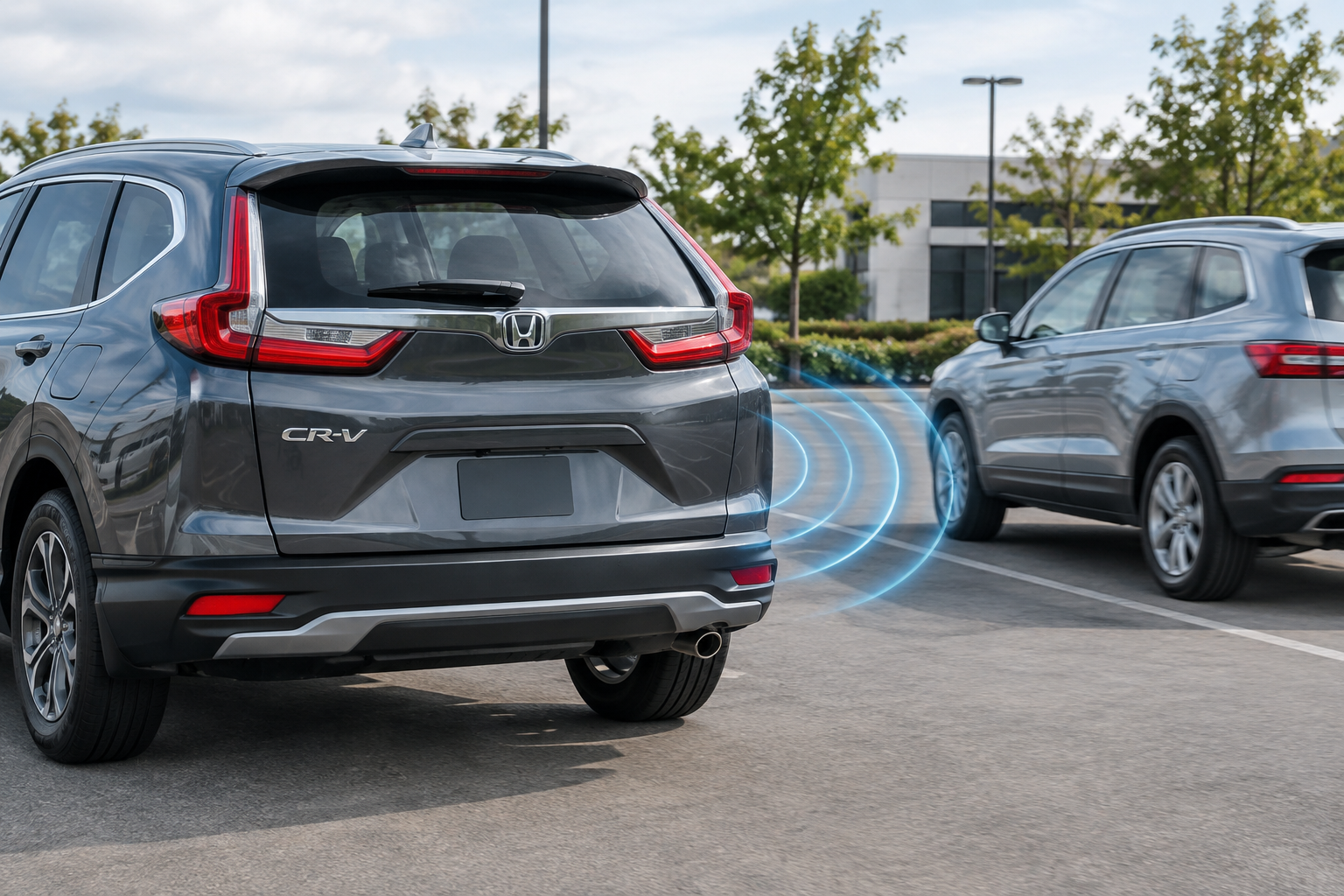
Subaru’s official name for this feature is Rear Cross Traffic Alert (RCTA), and it lives under the umbrella of what Subaru calls its Rear/Side Vehicle Detection system. That’s the same system responsible for Blind Spot Detection (BSD) and Lane Change Assist, because all three functions pull data from the same pair of radar sensors mounted behind the rear bumper cover, roughly at the corners near the taillights.
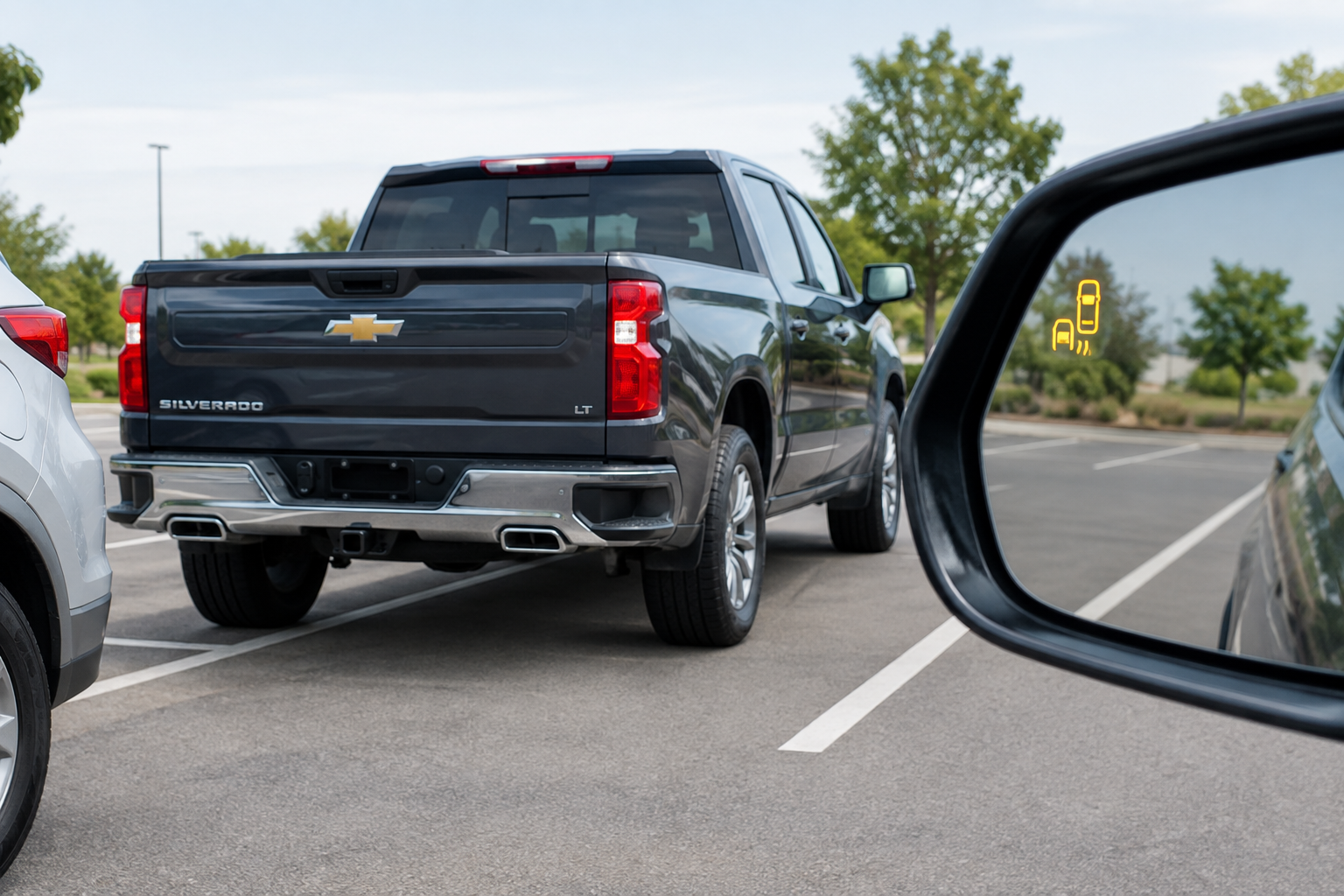
That shared hardware matters. If your blind spot warning light in the mirror has also been acting up, there’s a good chance the two issues have the same root cause. But don’t assume they always fail together. Depending on the model year, Subaru has tweaked the software logic, so it’s possible for RCTA to drop out while BSD keeps working fine, or vice versa.
RCTA only activates when the vehicle is in reverse and typically only functions at low speeds since it’s designed for backing out of driveways and parking spaces, not highway maneuvers. Availability by trim and year has shifted over time too. On earlier Outback generations it was bundled into an optional EyeSight-related package on upper trims, while on more recent Outback model years (2020 and newer) it’s standard equipment across most of the lineup, though you should always confirm against your specific trim’s window sticker or the owner’s manual since Subaru has changed packaging more than once.
Why RCTA Stops Working or Says “Unavailable”
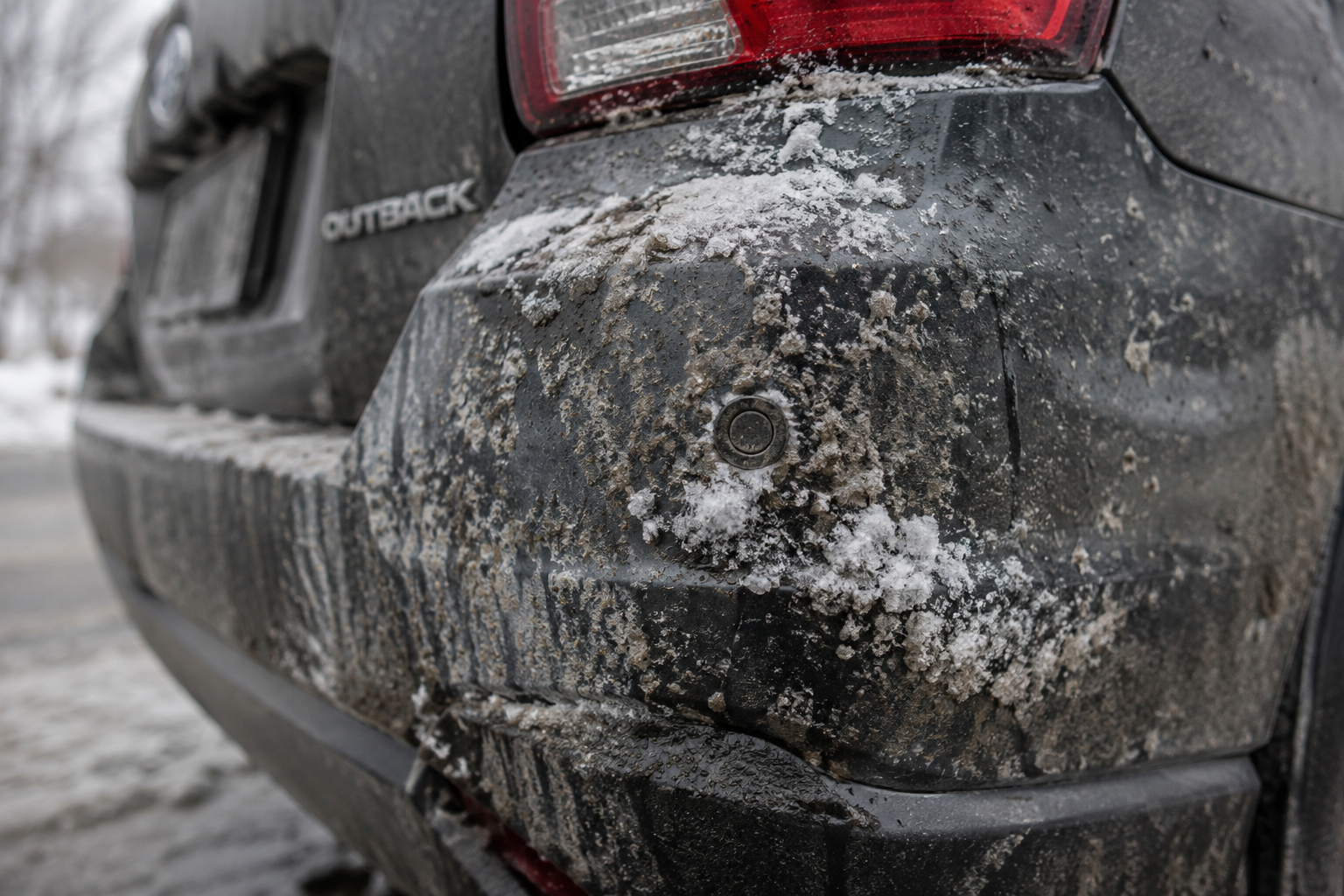
Most RCTA failures trace back to something physically blocking or confusing the rear radar sensors rather than an actual electronics failure. Here’s what to check first.
- Dirt, mud, snow, or ice buildup on the rear bumper directly over the sensor locations. Radar doesn’t need a clear line of sight the way a camera does, but heavy caked-on grime or ice can still attenuate the signal enough to trigger an “unavailable” message.
- A trailer, bike rack, or cargo carrier mounted on the rear hitch. Anything metal sitting behind the bumper corners can sit directly in the radar’s field of view and either block detection or cause false alerts. This is one of the most common complaints from Outback owners who tow or use hitch-mounted bike racks regularly.
- Bumper cover damage, including cracks, dents, or aftermarket paint and body work. Even a minor parking lot bump that misaligns the sensor behind the bumper can throw off the radar’s calibration.
- Low battery voltage. Subaru’s driver assist systems are sensitive to voltage drops, and a weak or aging battery can cause RCTA, BSD, and even EyeSight to intermittently disable themselves with a warning message on the dash.
- Settings turned off accidentally. RCTA can be toggled in the vehicle’s infotainment or instrument cluster menu, and it’s easy to bump this during a settings reset or after a dealer service visit.
- Sensor or calibration faults that require a scan tool to diagnose properly, especially after bumper repair, a collision, or a battery disconnect.
How to Fix It
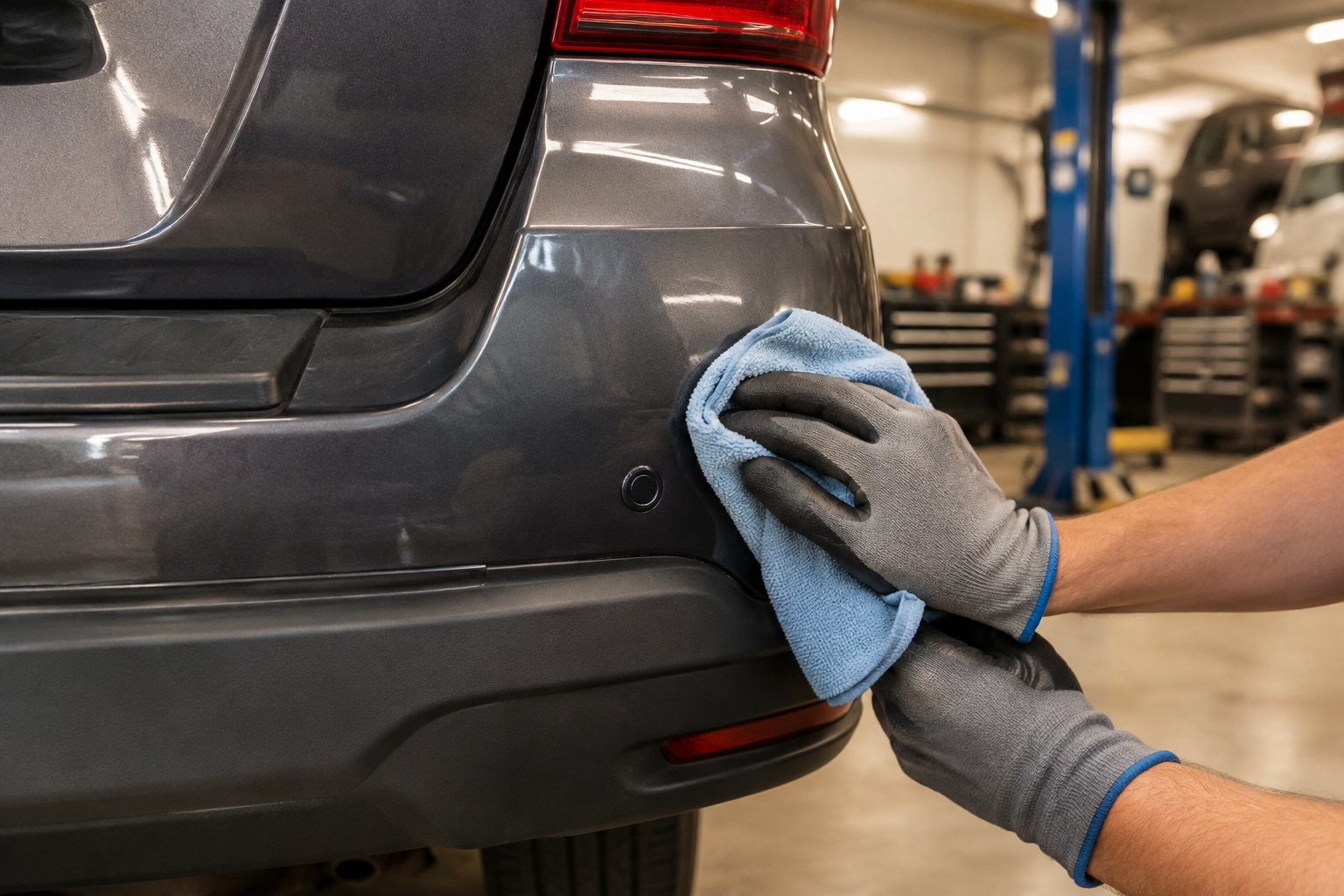
Start with the free and easy stuff. Wash the rear bumper thoroughly, paying extra attention to the areas near the taillights where the radar sensors sit, and clear off any snow or ice buildup before you judge the system as faulty. A soft microfiber towel and a gentle automotive wash mitt work fine here, no special tools needed.
Chemical Guys Microfiber Towel Set
Good for safely cleaning grime off the rear bumper without scratching the paint around the radar sensors.
If you tow or run a hitch-mounted bike rack, check your owner’s manual for guidance. Some Outback trims will show a temporary “system unavailable” alert whenever a trailer harness is plugged in, since Subaru assumes a trailer or accessory might interfere with detection. If you’re shopping for a rack, look for one designed to sit lower or narrower than the radar’s field of view rather than directly across the bumper corners.
Next, check your battery. If your Outback’s battery is more than three or four years old, has been sitting unused for long stretches, or the vehicle has been throwing multiple electronic warnings at once, a weak battery is a likely culprit. Keeping a maintainer on it during storage or cold snaps prevents a lot of these ghost warnings.
NOCO Genius Battery Charger
A reliable trickle charger keeps your Outback’s battery voltage stable, which matters a lot for driver assist systems that are sensitive to low voltage.
If cleaning, removing accessories, and checking the battery don’t resolve it, inspect the bumper cover for cracks or evidence of prior repair work. A shop that didn’t recalibrate the radar sensors after bumper work is a common and often overlooked cause of persistent RCTA and blind spot faults. In that case, you’re looking at a dealer or qualified shop visit for a proper sensor alignment and software check, and replacement radar units are available if one has actually failed.
You can browse Subaru Outback blind spot radar sensors to get a sense of what a replacement unit looks like and roughly what’s involved, though installation and calibration are best left to someone with the right diagnostic tools.
While you’re troubleshooting driver assist quirks, it’s also worth reading up on how to turn off lane assist on the Subaru Outback and whether the setting actually sticks between drives, since Subaru’s various assist features often get lumped together by owners even though they use separate sensors and logic. If you’re also dealing with DriverFocus nags on top of this, our guide on how to turn off DriverFocus on the Subaru Outback covers that separately.
And if your Outback is an older model that’s been giving you more than just sensor trouble, it’s worth checking our breakdown of Subaru Outback years to avoid for known reliability issues that go beyond driver assist glitches.
Frequently Asked Questions
Does Rear Cross Traffic Alert use the same sensors as Blind Spot Monitoring?
Yes, on the Outback both features rely on the same pair of radar units mounted behind the rear bumper corners. That’s why a problem with one often shows up alongside a problem with the other, though the two systems run different logic and can sometimes fail independently depending on the model year and software version.
Why does RCTA say “unavailable” only when I’m towing?
A trailer, hitch cargo carrier, or bike rack sitting near the bumper corners can interfere with the radar’s detection zone, and some Outback trims automatically flag the system as unavailable once a trailer wiring harness is connected. Check your owner’s manual for your specific model year, since Subaru’s handling of this varies, and try repositioning or removing bulky hitch accessories when RCTA isn’t essential for that drive.
Leave a Reply