
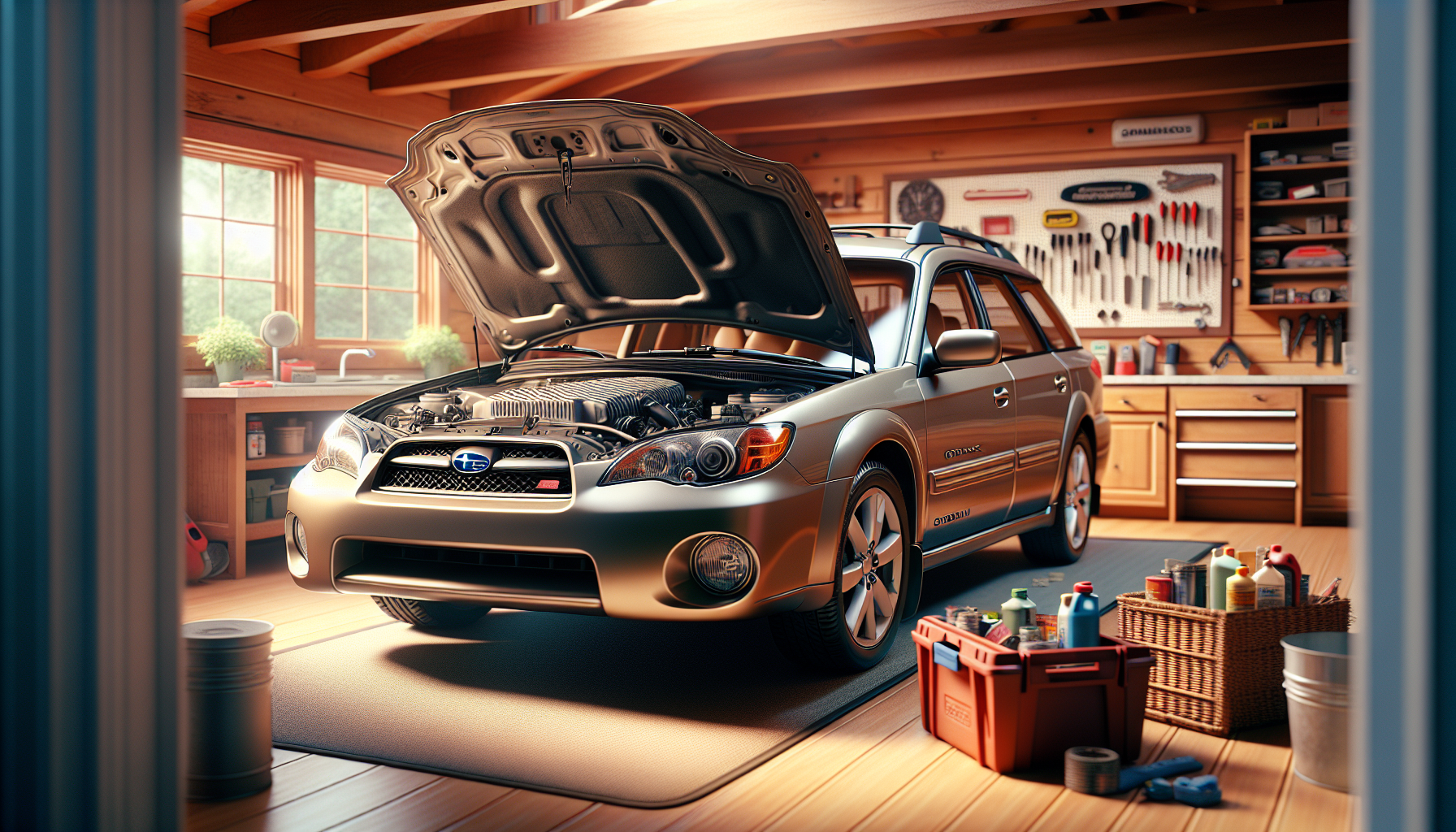
If you own a Subaru Outback, especially one built between 1999 and 2011 with the 2.5L EJ25 engine, you’ve probably heard horror stories about head gasket failures. It’s not just internet chatter—this is a genuine weak point in these otherwise solid vehicles. The head gasket sits between the engine block and cylinder head, sealing in combustion gases and keeping coolant and oil where they belong. When it fails, you get leaks, overheating, and potentially catastrophic engine damage if ignored.
The good news? Head gasket leaks give you plenty of warning signs before things go completely sideways. Catching the symptoms early means you can plan for the repair instead of dealing with a roadside breakdown.
Common Causes
Subaru’s head gasket problems aren’t random bad luck. The 2.5L non-turbo engines from this era used single-layer head gaskets that simply weren’t up to the job. The horizontally-opposed boxer engine design creates uneven thermal expansion, putting extra stress on the gasket. Add in normal heat cycling over thousands of miles, and these gaskets eventually give up.
The failures typically happen in two ways. External leaks show up first on most Outbacks—coolant seeps out around the head gasket perimeter, usually visible on the outside of the engine. Internal leaks are worse because coolant mixes with oil or combustion gases, which can destroy bearings and cause serious engine damage.
Mileage is the biggest predictor. Most EJ25 engines start showing symptoms between 80,000 and 150,000 miles. Poor maintenance accelerates the problem—running low on coolant or using the wrong coolant type creates hotspots that cook the gasket faster. Overheating episodes from any cause also speed up gasket degradation.
How to Diagnose the Problem
Head gasket leaks on Subaru Outbacks show specific symptoms. Here’s what to look for and how to confirm the diagnosis:
Visual Inspection: Pop the hood and look at the bottom sides of the engine where the heads meet the block. On the EJ25, this is easiest to see from underneath the car. You’re looking for crusty white or green residue, wet spots, or actual drips. The leak often starts on the passenger side but can happen on either side or both.
Check the Coolant: Open the radiator cap when the engine is cold. Low coolant without any visible puddles under the car points to a head gasket leak. Also look at the coolant itself—if it’s got an oily film or looks muddy, you’ve got internal mixing.
Inspect the Oil: Pull the dipstick. Clean oil should be amber to brown. If you see a milky, tan, or chocolate-milk appearance, that’s coolant contaminating the oil through a failed head gasket. Check under the oil fill cap too—white or tan sludge is another bad sign.
Watch for White Smoke: Start the car cold and watch the exhaust. A little steam that disappears quickly is normal condensation. Continuous white smoke that smells sweet means coolant is burning in the combustion chamber.
Monitor the Temperature: Head gasket leaks often cause overheating because coolant loss reduces the system’s ability to regulate temperature. If your Outback runs hotter than normal or the temp gauge climbs under load, suspect the head gasket.
This video walks through several home testing methods for confirming head gasket leaks:
Compression Test: Rent or buy a compression tester. Warm up the engine, remove all spark plugs, and screw the tester into each cylinder. Crank the engine and record the PSI. All cylinders should read within 10% of each other. A cylinder with significantly lower compression often indicates a blown head gasket between that cylinder and an adjacent one.
Block Test: This is the gold standard. A block test kit uses chemical fluid that changes color when exposed to combustion gases. You put the fluid in a tool that sits in the radiator neck, run the engine, and watch for color change. If it changes from blue to yellow/green, combustion gases are leaking into the cooling system.
How to Fix It
I’ll be straight with you—replacing head gaskets on a Subaru Outback is not a beginner DIY job. It requires removing both cylinder heads from the engine, which means dealing with timing components, dozens of bolts with specific torque sequences, and careful surface cleaning. If you’ve never done major engine work, this isn’t the place to start.
That said, experienced home mechanics can definitely tackle this. The job takes a full weekend minimum with the right tools. You’ll need a torque wrench, complete gasket set, timing belt kit (might as well replace it while you’re in there), head bolt set, coolant, oil, and various other supplies.
This detailed repair video shows the complete process from start to finish:
The basic process: drain all fluids, disconnect everything attached to the engine (wiring, hoses, exhaust), remove the timing belt and components, unbolt the cylinder heads, clean all mating surfaces perfectly, install new gaskets and head bolts, reassemble everything following exact torque specs and sequences, refill fluids, and bleed the cooling system.
Critical points: The head bolts are torque-to-yield and must be replaced—don’t reuse them. Use quality multi-layer steel (MLS) gaskets, not the original single-layer style. The mating surfaces between the heads and block must be absolutely clean and flat. Any debris or warping will cause the new gaskets to fail.
Stop-Leak Products: Various chemical sealants claim to fix head gasket leaks. Some Outback owners report temporary success with products like Blue Devil or K-Seal for minor external leaks. These are desperate measures that might buy you time to save up for proper repair, but they’re not real fixes. They can also clog heater cores and radiators, creating new problems.
When to See a Mechanic
Unless you’re comfortable with major engine disassembly, this repair belongs in a shop. The consequences of mistakes are expensive—improperly torqued head bolts can cause immediate re-failure, and contaminated coolant or oil from a botched job can ruin the engine.
Find a shop that specializes in Subarus if possible. They’ve done dozens of these jobs and have the process down to a science. Ask specifically what gasket brand they use—you want multi-layer steel gaskets from Six Star, Fel-Pro, or OEM, not cheap single-layer replacements.
Also ask whether they’ll replace the timing belt, water pump, and front seals while they’re in there. Since those components require similar disassembly to access, doing them together saves massive labor costs down the road.
If your Outback shows signs of severe overheating or has been driven extensively with a known head gasket leak, the cylinder heads might need machining or replacement. A good shop will measure the heads for warping and recommend machining if needed. Skipping this step causes quick re-failure.
Estimated Repair Costs
Head gasket replacement is expensive because of the labor involved. Here’s what to expect:
| Repair Type | Cost Range | Notes |
|---|---|---|
| DIY Parts Only | $400-$700 | Gaskets, head bolts, timing belt kit, fluids, misc supplies |
| Independent Shop | $1,800-$2,500 | Most common price range for standard repair |
| Subaru Dealer | $2,500-$3,500 | Higher labor rates but factory-trained techs |
| With Machining | Add $200-$400 | If heads are warped and need resurfacing |
| Additional Services | Add $300-$600 | Timing belt, water pump, front seals, spark plugs |
These prices assume both head gaskets are replaced, which is standard practice even if only one is leaking. Labor typically runs 8-12 hours at shop rates of $100-$150 per hour depending on your area.
Get quotes from multiple shops but don’t just pick the cheapest. Ask what’s included—shops that seem cheap often quote bare-minimum work and hit you with add-ons once the engine is apart.
Prevention Tips
Once you’ve replaced the head gaskets with quality multi-layer steel versions, they should last the life of the vehicle with proper maintenance. Here’s how to maximize longevity:
Use the Right Coolant: Subaru recommends their Super Coolant or equivalent long-life coolant. Don’t use regular green stuff or mix coolant types. The wrong coolant chemistry accelerates gasket deterioration. Flush and replace coolant every 30,000-50,000 miles.
Fix Leaks Immediately: Even small coolant leaks reduce the system’s capacity and can cause localized overheating. Top off coolant regularly if needed, but find and fix the source of any loss.
Monitor Temperature: Keep an eye on your temp gauge, especially in hot weather or when towing. If it starts climbing, pull over before you overheat. One serious overheating incident can damage fresh head gaskets.
Regular Oil Changes: Clean oil with proper additives helps protect gasket materials. Skip oil changes and you’ll get deposits that create hot spots and accelerate gasket failure.
Address Cooling System Issues: A failing radiator cap, clogged radiator, weak water pump, or stuck thermostat all put extra stress on head gaskets. Replace these components on schedule or when they show wear.
Final Thoughts
Head gasket failure is practically a rite of passage for EJ25-powered Subaru Outbacks. The silver lining is that once fixed properly with upgraded gaskets, the problem shouldn’t come back. These are otherwise durable engines that regularly hit 200,000+ miles when maintained correctly.
If you’re shopping for a used Outback from the problematic years, assume the head gaskets will need replacement soon if they haven’t been done already. Ask for service records. If a seller claims the gaskets were replaced, verify with receipts showing what parts were used—a repair with cheap gaskets is just delaying the inevitable.
Catch the symptoms early, plan for the repair, and your Outback will keep hauling gear and handling bad weather for years to come.

Leave a Reply