
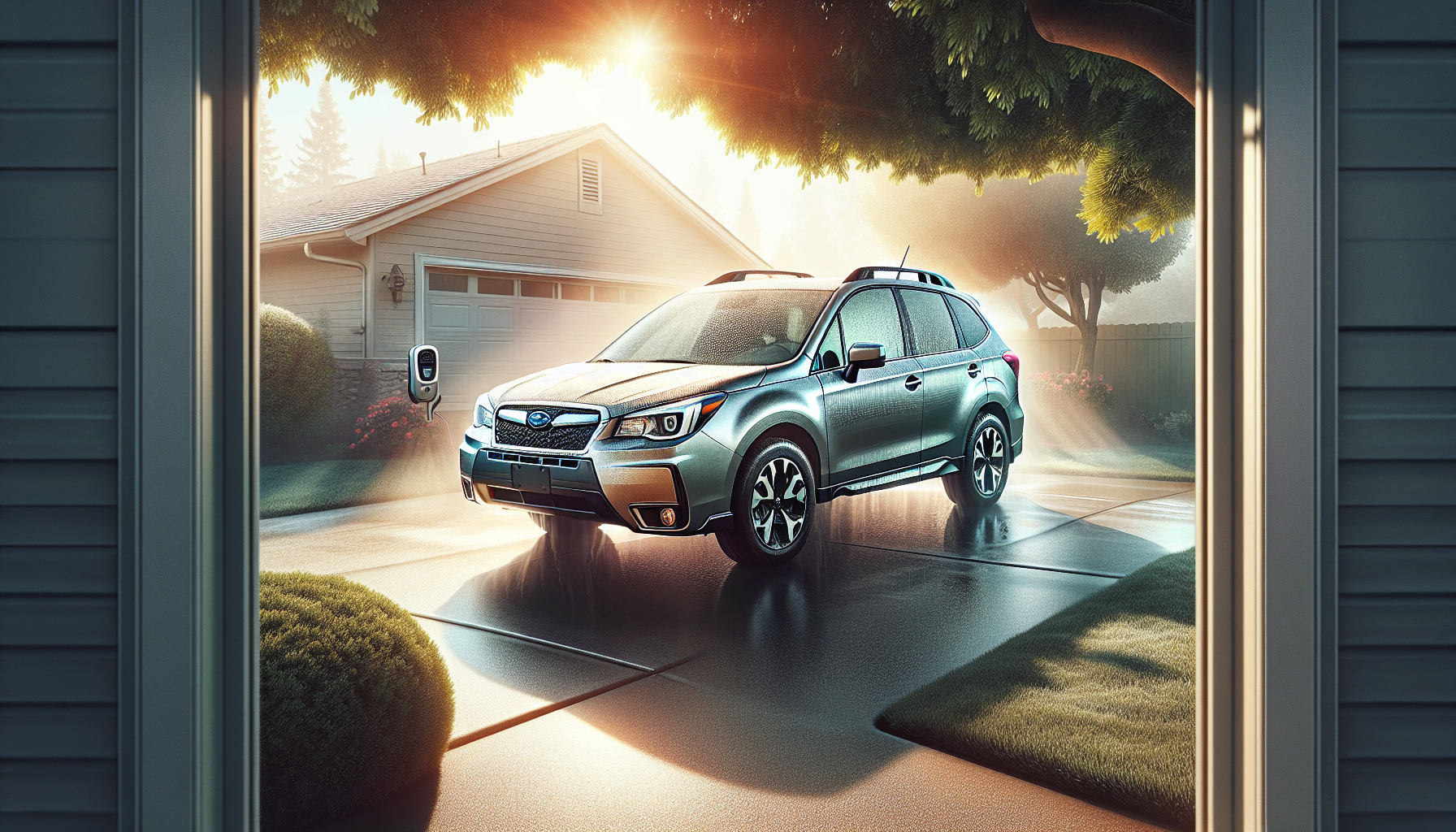
If you’ve walked out to your Subaru Forester one morning and noticed a crack spreading across your windshield despite never hitting anything, you’re not alone. This has become a widespread issue across multiple Forester model years, particularly the 2014-2018 generation. Owners report spontaneous cracks appearing overnight, often starting from the edges or near the windshield wipers, without any rock chips or visible impact points.
The problem isn’t just about bad luck. There are specific design and manufacturing factors that make Subaru Foresters more susceptible to stress cracks than other vehicles. Temperature changes, frame flex, and how the windshield bonds to the body all play a role. Some owners have replaced their windshields multiple times, only to see new cracks appear months later.
Common Causes
Several factors contribute to spontaneous windshield cracking in Subaru Foresters, and they often work together rather than in isolation.
Thermal Stress
Subaru windshields are bonded tightly to the frame with urethane adhesive. When temperatures fluctuate rapidly, the glass expands and contracts at a different rate than the metal frame. The tight bonding doesn’t allow much give, creating stress points along the edges. This is especially common if you park outside overnight in cold climates, then blast the defroster on high in the morning. The rapid temperature change can be the final straw that starts a crack.
Body Flex and Structural Movement
The Forester’s unibody construction flexes slightly during normal driving, especially on rough roads or when hitting potholes. This isn’t a defect—all cars do it. But the windshield is a structural component in modern vehicles, and excessive flex can create stress along the bonding points. Older Foresters or those driven frequently on rough terrain may develop micro-stress points that eventually crack.
Manufacturing Variables
Not all windshields are created equal. Some aftermarket replacements use thinner glass or different tempering processes than OEM parts. Even OEM windshields can have slight variations in how they’re cut, tempered, or installed. A windshield installed with too much urethane, or with the bead applied unevenly, can have built-in stress points from day one.
Eyesight Camera Mount Stress
Foresters equipped with Subaru’s Eyesight system have a camera mount bonded to the windshield behind the rearview mirror. This adds weight and creates an additional stress point. Some technicians believe this mount, combined with thermal expansion, contributes to cracks that radiate from the upper center portion of the windshield.
This video explains why Subaru windshields crack spontaneously:
How to Diagnose the Problem
Before assuming you need a replacement, take time to inspect the crack pattern and determine what’s really happening.
Step 1: Check for Impact Points
Look closely at where the crack originates. Use a flashlight and examine both sides of the glass. A crack from an impact will have a visible chip or star pattern where something hit. Stress cracks typically start clean, with no impact point, and often begin at the very edge of the windshield where it meets the frame.
Step 2: Note the Crack Pattern
Stress cracks usually run horizontally across the bottom or top edge of the windshield. They may also curve along the A-pillar. Impact cracks tend to spider out from a central point. If your crack runs in a relatively straight line from one edge and doesn’t have a clear origin point with damage, it’s likely stress-related.
Step 3: Inspect the Urethane Seal
From inside the vehicle, look at where the windshield meets the body. The urethane should be even all the way around. If you see gaps, bulges, or areas where the bead is noticeably thicker or thinner, the installation may be contributing to stress points. You won’t be able to see this well on the outside because of the trim molding.
Step 4: Document Environmental Conditions
Think about when the crack appeared. Did it happen after a cold night followed by using the defroster? After driving on a particularly rough road? Many owners report cracks appearing after significant temperature swings or following a drive where they hit several potholes. This information can help determine if thermal stress or body flex is the culprit.
Step 5: Check for Recalls or Service Bulletins
Contact your local Subaru dealer with your VIN and ask if there are any open recalls or technical service bulletins related to windshield cracking. While Subaru hasn’t issued a formal recall, some dealers have been more willing to help with replacements if multiple complaints exist for your model year.
How to Fix It
Unfortunately, there’s no DIY repair for spontaneous windshield cracks. Once the glass has cracked, it needs replacement. But how you approach the replacement matters.
OEM vs Aftermarket Glass
This is where you need to make a choice. OEM Subaru windshields are more expensive, often $400-600 just for the glass, but they’re manufactured to the same specifications as your original. Aftermarket options run $150-300 for the glass, but quality varies wildly. Some owners report aftermarket windshields cracking even faster than the original.
If your Forester has Eyesight, you need OEM glass. The camera calibration is extremely sensitive, and aftermarket glass with slightly different thickness or tint can throw off the system. Don’t risk it.
Finding a Quality Installer
The installation matters as much as the glass itself. Ask the shop about their urethane application process. They should be using proper primers, applying an even bead of urethane, and allowing adequate cure time before you drive the vehicle. Cheap installers rush the cure time, which can create weak spots.
Get the work done when temperatures are moderate—between 50-80°F if possible. Extreme cold or heat during installation can affect how the urethane cures.
Insurance Coverage
Most comprehensive auto insurance policies cover windshield replacement with little or no deductible. But here’s something many people don’t know: you can often choose your own installer even if insurance has a preferred shop. If the preferred shop only uses aftermarket glass and you want OEM, you may be able to pay the difference out of pocket.
Document everything with photos before the replacement. If the new windshield cracks again within a year, you’ll want proof that it’s a recurring issue, not impact damage.
When to See a Mechanic
You always need a professional for windshield replacement. This isn’t a DIY job unless you have specialized tools and experience.
See a Subaru dealership or certified installer if your Forester has Eyesight. The system requires recalibration after windshield replacement, which needs specific equipment. Not all glass shops have the tools to recalibrate Eyesight properly. Budget an extra $100-200 for this calibration.
If you’ve had multiple spontaneous cracks, consider having a body shop inspect the vehicle’s frame for accident damage or structural issues. A bent frame can cause ongoing stress that will crack windshields repeatedly. This is rare, but worth ruling out if you’re on your third windshield in two years.
Estimated Repair Costs
| Service | Cost Range |
|---|---|
| Aftermarket windshield replacement (no Eyesight) | $250-$450 |
| OEM windshield replacement (no Eyesight) | $500-$800 |
| OEM windshield with Eyesight calibration | $700-$1,100 |
| Mobile installation service (add to above) | $50-$100 |
| Insurance deductible (comprehensive) | $0-$500 |
These costs vary by region and installer. Dealerships typically charge the most but guarantee proper Eyesight calibration. Independent shops may offer better pricing but verify they have calibration equipment before booking.
Prevention Tips
You can’t completely prevent stress cracks, but you can reduce the risk significantly.
Temperature Management
Never blast the defroster on high when the windshield is cold. Start with low heat and fan speed, gradually increasing as the glass warms. I know this is annoying when you’re in a hurry and can’t see, but five minutes of patience can save you hundreds of dollars. The same applies to AC—don’t crank it to max cold on a scorching windshield.
Parking Strategy
If possible, park in a garage or under cover during extreme temperature swings. This keeps the windshield temperature more stable. If you must park outside in winter, consider using a windshield cover overnight. It won’t eliminate temperature change but it moderates it.
Drive Carefully on Rough Roads
You can’t avoid all potholes, but slowing down for them reduces the impact stress on your windshield and frame. Gravel roads, construction zones, and poorly maintained streets all contribute to body flex that stresses the glass.
Quality Installation Matters
When you do need a replacement, don’t shop solely on price. A properly installed windshield with good urethane application and adequate cure time will last longer. Ask about warranties—reputable installers typically offer lifetime warranties on their work.
Regular Inspections
Every few months, inspect the urethane seal from inside the vehicle. Look for any separation or gaps developing between the glass and frame. Catching problems early might allow for resealing before a crack develops. Some installers will reseal edges if caught early enough.
Keep your Forester’s body in good condition. Rust around the windshield frame can create uneven stress points. Touch up any paint chips near the A-pillars or roof line to prevent corrosion from starting.
Spontaneous windshield cracks on Subaru Foresters are frustrating because they feel unavoidable. But understanding the causes helps you make better decisions about replacement glass and installation quality. Most owners find that an OEM windshield properly installed by a certified shop, combined with careful temperature management, solves the problem long-term. If you’ve had multiple failures, don’t give up—the issue is usually installation quality or extreme driving conditions, not an unfixable design flaw.

Leave a Reply