
Auto start/stop technology has become standard in most modern vehicles, automatically shutting off your engine at red lights and restarting when you lift your foot off the brake. While designed to save fuel and reduce emissions, many drivers find this system intrusive, jerky, and annoying during daily driving. Understanding how this technology works and its impact on your vehicle’s starter system can help you make informed decisions about keeping or disabling it.
What Is Start-Stop Technology and How Does It Work?
Start-stop technology automatically turns off your engine when the vehicle comes to a complete stop and certain conditions are met. The system monitors various sensors including brake pedal position, engine temperature, battery charge level, and air conditioning demands to determine when it’s safe to shut down the engine.
When you release the brake pedal or press the accelerator, the starter motor immediately cranks the engine back to life. This cycle can happen dozens of times during typical city driving, creating concerns among drivers about premature starter wear and component failure.
Most vehicles equipped with this system show a green “A off” or circular arrow icon on the dashboard when the engine shuts off automatically. The system typically won’t activate if the engine is still warming up, the battery charge is low, the air conditioning is working hard, or if you turn the steering wheel while stopped.
Does Start-Stop Technology Actually Wear Out Your Starter?
Modern vehicles with start-stop systems use enhanced starter motors specifically designed for frequent cycling. These aren’t the same starters found in older vehicles or cars without this technology. Manufacturers like Bosch, Valeo, and Denso have developed specialized starters with reinforced components and improved durability ratings.
Enhanced starters typically feature stronger solenoids, more robust drive mechanisms, and improved electrical contacts. They’re rated for 200,000 to 300,000 start cycles compared to conventional starters rated for about 50,000 cycles. This means your starter should theoretically last the life of the vehicle even with frequent start-stop cycling.
Real-world data from automotive service centers shows mixed results. While catastrophic starter failures aren’t significantly more common in start-stop equipped vehicles, some technicians report seeing more starter-related issues around the 100,000 to 150,000-mile mark. These problems often manifest as slower cranking speeds or intermittent starting issues rather than complete failure.
AGM Batteries and Electrical System Demands
Start-stop systems require more from your vehicle’s electrical system than just the starter. Most cars with this technology use Absorbent Glass Mat (AGM) batteries instead of conventional flooded lead-acid batteries. AGM batteries handle frequent charging and discharging cycles better and can power electrical accessories during engine-off periods.
Your alternator also works harder in start-stop vehicles, constantly topping off the battery and managing electrical loads. Some vehicles have dual-battery systems with a secondary battery dedicated to handling electrical demands during engine-off periods.
Replacing an AGM battery typically costs $200 to $400 compared to $100 to $200 for a conventional battery. These batteries also require specific charging procedures and aren’t interchangeable with standard batteries without potential system issues.
Real-World Fuel Savings Analysis
EPA testing shows start-stop technology can improve fuel economy by 2% to 10% depending on driving conditions. City driving with frequent stops shows the most benefit, while highway driving sees virtually no improvement since the system rarely activates at cruising speeds.
Independent testing by automotive publications reveals more modest real-world gains. Car and Driver found average improvements of 3% to 5% in mixed driving, with some drivers seeing no measurable difference depending on their driving habits and routes.
For a vehicle averaging 25 mpg, a 5% improvement equals about 1.25 mpg. At current fuel prices, this might save $100 to $200 annually for average drivers. Whether this savings justifies the potential maintenance costs and driving annoyance varies by individual preference.
Temporary Solutions: Using the Dashboard Button
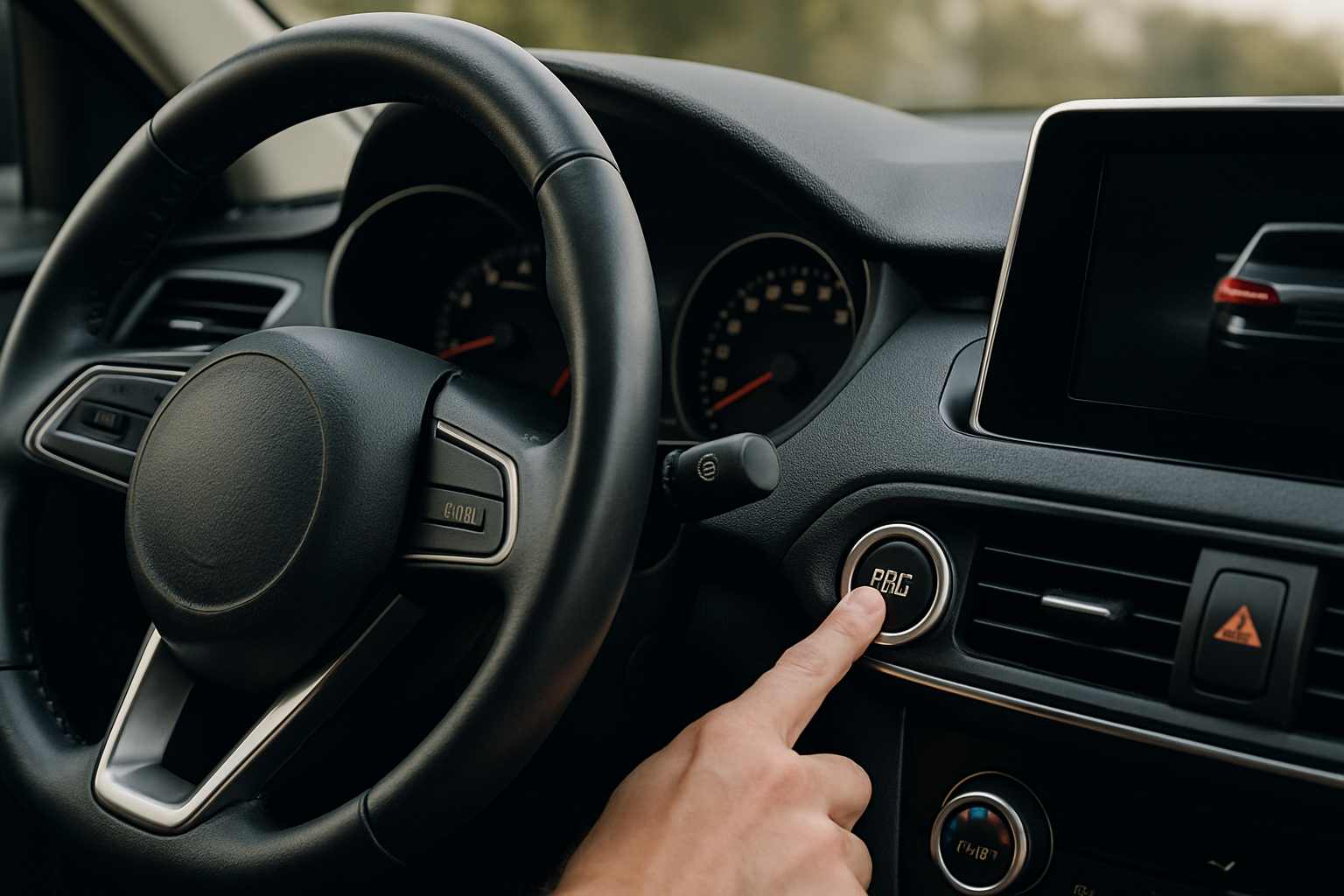
Every vehicle with start-stop technology includes a manual override button, usually located on the center console or dashboard. This button typically displays an “A” with a circle and line through it, or similar start-stop icon.
Pressing this button disables the system for your current drive cycle. The button usually illuminates when the system is deactivated, and many vehicles display a message confirming the change. You can reactivate the system by pressing the button again.
The major limitation of this approach is that it resets every time you turn off the ignition. You’ll need to remember to press the button each time you start the car, which becomes tedious for daily driving. Some drivers develop this as a habit, but many prefer permanent solutions.
Permanent Solutions: Aftermarket Devices and Modifications
Several companies manufacture plug-and-play devices that permanently disable start-stop systems without requiring wire cutting or permanent modifications. These devices typically fall into two categories: OBD2 port eliminators and switch bypass modules.
OBD2 port devices plug into your diagnostic connector and send continuous signals telling the system to stay disabled. Examples include the Autostop Eliminator and similar generic devices. These are universal but remain visible under your dashboard and occupy the OBD2 port.
Switch bypass modules install behind the dashboard button and automatically simulate pressing the disable button every time you start the car. These devices like the Start-Stop-Eliminator are vehicle-specific but provide a cleaner installation with no visible components.
Recommended Start-Stop Eliminator Devices
If you’re looking for a reliable solution, several auto start-stop eliminator devices are available that work across different vehicle makes and models. Popular brands include Autostop Eliminator, Start-X, and FlashLogic, each offering slightly different features and compatibility.
OBD2-based eliminators typically cost $50 to $100 and work with multiple vehicle brands. Vehicle-specific switch bypass modules range from $75 to $150 but provide cleaner installations. Research your specific year, make, and model for compatibility before purchasing any device.
Software Coding Solutions
Some vehicles allow start-stop disabling through software coding using tools like FORScan (Ford), BimmerCode (BMW), OBDeleven (Volkswagen/Audi), or AlfaOBD (Chrysler/Dodge/Jeep). These solutions modify the vehicle’s computer settings to permanently disable the feature.
Software coding requires compatible hardware interfaces and varies significantly by manufacturer. European brands typically offer more coding options than Asian manufacturers. This approach leaves no physical traces but requires technical knowledge and appropriate software tools.
Professional shops that specialize in vehicle coding can often perform these modifications for $100 to $200. This option works well if you want a completely invisible solution and don’t mind paying for professional installation.
Installation Overview for Switch Bypass Devices
Installing a switch bypass eliminator typically requires basic hand tools and 30 to 60 minutes of work. Most installations involve removing dashboard panels to access the back of the start-stop button, disconnecting the factory connector, and connecting the eliminator module inline.
Common steps include locating the correct fuse to remove for safety, carefully prying off dashboard trim pieces, disconnecting the button’s electrical connector, and connecting the bypass module’s harness. Specific procedures vary dramatically by vehicle, so always follow the manufacturer’s instructions for your exact year and model.
OBD2 eliminators simply plug into the diagnostic port under your dashboard. While easier to install, they prevent using diagnostic scanners and may not work with all OBD2 devices or during emissions testing.
Important Considerations Before Disabling
Modifying or disabling emissions-related systems could potentially affect your vehicle’s warranty coverage, though manufacturers must prove that your modification directly caused any claimed damage. Most eliminator devices can be easily removed if warranty service is needed.
Some states include start-stop functionality in emissions testing requirements. California and other CARB states may fail vehicles with disabled start-stop systems during smog checks. Research your local requirements before permanently disabling the system.
Resale value might be affected if future buyers specifically want the start-stop functionality. However, many used car buyers actually prefer vehicles with this system disabled, so market impact varies by region and buyer preferences.
Alternative Approaches
If you don’t want to disable the system completely, consider adjusting your driving habits to minimize its activation. Keeping the air conditioning on maximum, maintaining slight pressure on the brake pedal, or making small steering wheel adjustments can prevent the system from engaging at stops.
Some drivers find the system less annoying once they adjust to its operation patterns. Learning when it will and won’t activate helps reduce surprises and makes the system more predictable during daily driving.
Long-Term Reliability Data
Automotive reliability data from sources like Consumer Reports and J.D. Power doesn’t show significantly higher failure rates for start-stop equipped vehicles overall. However, when problems do occur, repair costs tend to be higher due to specialized components and additional complexity.
Starter replacement costs for start-stop vehicles typically run $400 to $800 compared to $200 to $400 for conventional starters. AGM battery replacements and electrical system diagnosis also cost more than traditional systems.
Vehicles with start-stop systems that are driven primarily on highways with minimal system activation show reliability similar to conventional vehicles. City-driven vehicles with frequent cycling may experience more component wear over time.
Frequently Asked Questions
Will disabling start-stop void my warranty?
Disabling start-stop shouldn’t automatically void your entire warranty, but dealers might deny coverage for related components if they can prove your modification caused the problem. Most aftermarket eliminators can be quickly removed before warranty service if needed. Keep your installation documentation and original parts in case you need to return the vehicle to stock configuration.
Can I damage my car by using a start-stop eliminator?
Quality eliminator devices work by simulating normal button presses or sending standard CAN bus signals that the vehicle recognizes. These methods don’t force the system off in harmful ways or override safety protections. Poor-quality devices or improper installation could potentially cause electrical issues, so choose reputable brands and follow installation instructions carefully.
Do I need to tell my insurance company about eliminator devices?
Start-stop eliminators don’t typically require insurance notification since they don’t affect safety systems or significantly modify vehicle performance. However, if you’re concerned about coverage, contact your insurance provider to clarify their policy on minor electronic modifications. Most insurers don’t consider these devices significant modifications.
Will mechanics be able to diagnose problems with an eliminator installed?
Switch bypass eliminators shouldn’t interfere with standard diagnostic procedures since they only affect the start-stop button circuit. OBD2 port eliminators might need removal for comprehensive diagnostics since they occupy the diagnostic connector. Always inform your technician about any installed devices to help with accurate diagnosis and avoid confusion about system behavior.

Leave a Reply