

Every time you’re stuck crawling through downtown traffic or creeping along in rush hour, your brake pads are taking a beating that highway drivers rarely experience. While cruising at 70 mph might feel harder on your car, stop-and-go driving actually destroys your brakes much faster than smooth highway miles.
Why Traffic Jams Are Brake Killers
Your brakes work by converting your car’s motion into heat through friction. When you’re on the highway, you might use your brakes a few times over dozens of miles. But in city traffic, you’re constantly applying and releasing the brake pedal every few seconds.
This creates what mechanics call “constant heating cycles.” Each time you press the brake pedal, your pads clamp down on the rotors and generate heat. In normal driving, this heat has time to dissipate between brake applications. During traffic jams, the heat keeps building up because you never get those cooling periods.
Think about it this way: highway driving might involve 20-30 brake applications over 50 miles. That same distance in stop-and-go traffic could involve 200-300 brake applications. Your brake system simply wasn’t designed for that kind of continuous use.
The Science Behind Brake Pad Glazing
When brake pads get too hot from repeated use, they develop a condition called glazing. The friction material on your brake pads starts to harden and become shiny, almost like glass. This glazed surface can’t grip your rotors effectively, which means longer stopping distances and that squealing noise you hear.
Glazed brake pads also create more heat because they’re slipping against the rotor instead of gripping it properly. This creates a vicious cycle where your brakes get hotter, glaze more, and wear out faster. You’ll often see this problem first on your front brakes since they handle about 70% of your car’s stopping power.
Once your pads are glazed, simply letting them cool down won’t fix the problem. You’ll need to either replace them or have them resurfaced by a mechanic. Most drivers just end up replacing them because the labor cost for resurfacing often exceeds the cost of new pads.
City vs Highway Brake Wear: The Real Numbers
Brake pads typically last 25,000 to 65,000 miles depending on your driving habits, but these numbers can be misleading. A driver who racks up 50,000 miles mostly on highways might get 80,000 miles from their brake pads. Meanwhile, someone driving the same car primarily in city traffic might need new pads every 20,000 miles.
The difference comes down to the number of brake applications per mile. Highway driving averages about 0.3 brake applications per mile. City driving can hit 5-10 brake applications per mile, and stop-and-go traffic can push that number even higher.
Your brake rotors suffer too. All that extra heat from city driving can cause warping, where the rotor surface becomes uneven. Warped rotors create that pulsing feeling in your brake pedal and often require replacement along with your brake pads.
Heat: The Silent Brake Destroyer
Brake systems are designed to handle heat, but they have limits. Most brake pads start to lose effectiveness around 400-500 degrees Fahrenheit. In heavy traffic, your brakes can easily reach these temperatures and stay there for extended periods.
High-performance and ceramic brake pads handle heat better than basic organic pads, but they cost significantly more. Even these premium pads will wear faster in stop-and-go conditions compared to highway driving. The laws of physics don’t change based on how much you spend on brake pads.
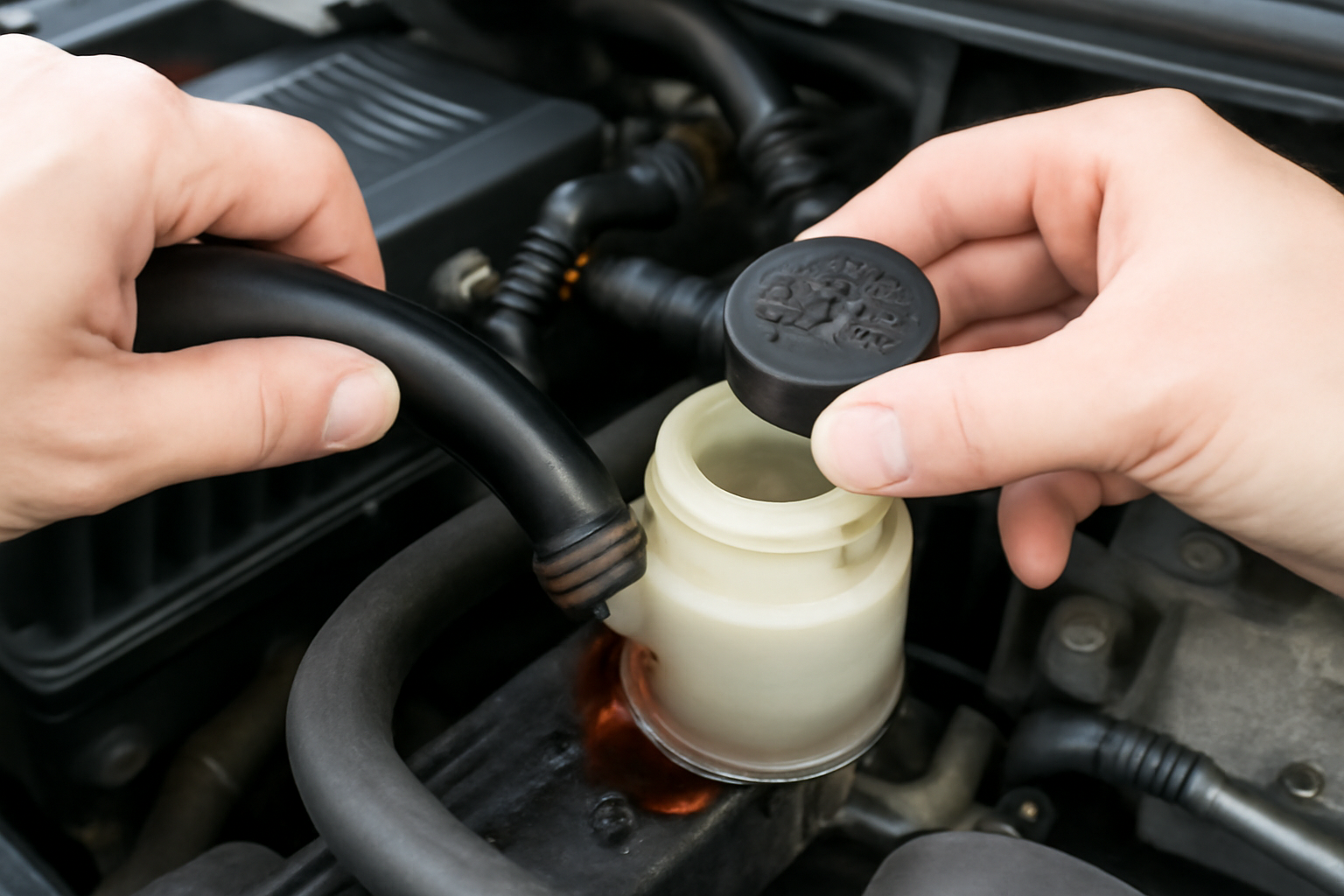
Heat also breaks down your brake fluid over time. Brake fluid absorbs moisture from the air, and when that moisture turns to steam under high heat, you can experience brake fade or even complete brake failure. This moisture problem gets worse in humid climates or if you don’t change your brake fluid regularly.
Traffic Patterns That Damage Brakes Most
Some driving situations are particularly hard on your brakes. Construction zones where traffic alternates between 40 mph and complete stops create extreme heating cycles. School zones during pickup and drop-off times involve lots of slow-speed maneuvering with frequent braking.
Rush hour traffic on hills is especially brutal. When you’re stopped on an incline, many drivers keep their foot on the brake instead of using the parking brake. This keeps your brake pads pressed against hot rotors, accelerating wear and increasing the chances of glazing.
Even parking lots take a toll on your brakes. All that slow-speed turning and stopping might not generate much heat, but it adds up over time. Shopping center parking lots during busy periods can involve more brake applications than several miles of highway driving.
Why Engine Braking Helps
Manual transmission drivers have an advantage in traffic because they can use engine braking to slow down without touching the brake pedal. Downshifting lets your engine’s compression help slow the car, giving your brakes a break from all that heat generation.
Automatic transmission drivers can get some of this benefit by using manual mode or tow/haul mode if their car has it. Many newer cars also have regenerative braking or engine braking features that activate when you lift off the gas pedal. These systems reduce brake wear significantly in stop-and-go traffic.
Leaving more space between you and the car ahead also helps. Instead of constantly accelerating and braking, you can maintain a steadier speed that requires less brake input. This technique, called “traffic smoothing,” reduces wear on your brakes and saves fuel too.
Signs Your Brakes Are Taking a Beating
City drivers should watch for brake wear symptoms more carefully than highway drivers. Squealing or grinding noises are obvious signs, but there are subtler indicators that your brakes are struggling with all that stop-and-go driving.
A spongy brake pedal often means your brake fluid has absorbed moisture and is getting too hot in traffic. If your brake pedal travels further before the brakes engage, or if you need to pump the pedal to get good stopping power, your brake system needs attention.
Vibration in the brake pedal or steering wheel usually indicates warped rotors from excessive heat. This problem is much more common in cars that spend most of their time in city traffic. You might also notice your car pulling to one side when braking, which can indicate uneven brake wear.
Making Your Brakes Last Longer in Traffic
You can’t avoid city driving entirely, but you can modify your habits to reduce brake wear. Anticipating stops and coasting to red lights instead of braking hard at the last second reduces heat buildup in your brake system.
Using your parking brake on hills instead of holding the brake pedal gives your brake pads a chance to cool down. This simple habit can significantly extend brake pad life for drivers who encounter a lot of stop-and-go traffic on inclines.
Consider upgrading to higher-quality brake pads if you do a lot of city driving. Ceramic pads cost more upfront but handle heat better and create less dust. They’re especially worth considering if you’re replacing brake pads more than once every 30,000 miles.
When to Check Your Brakes
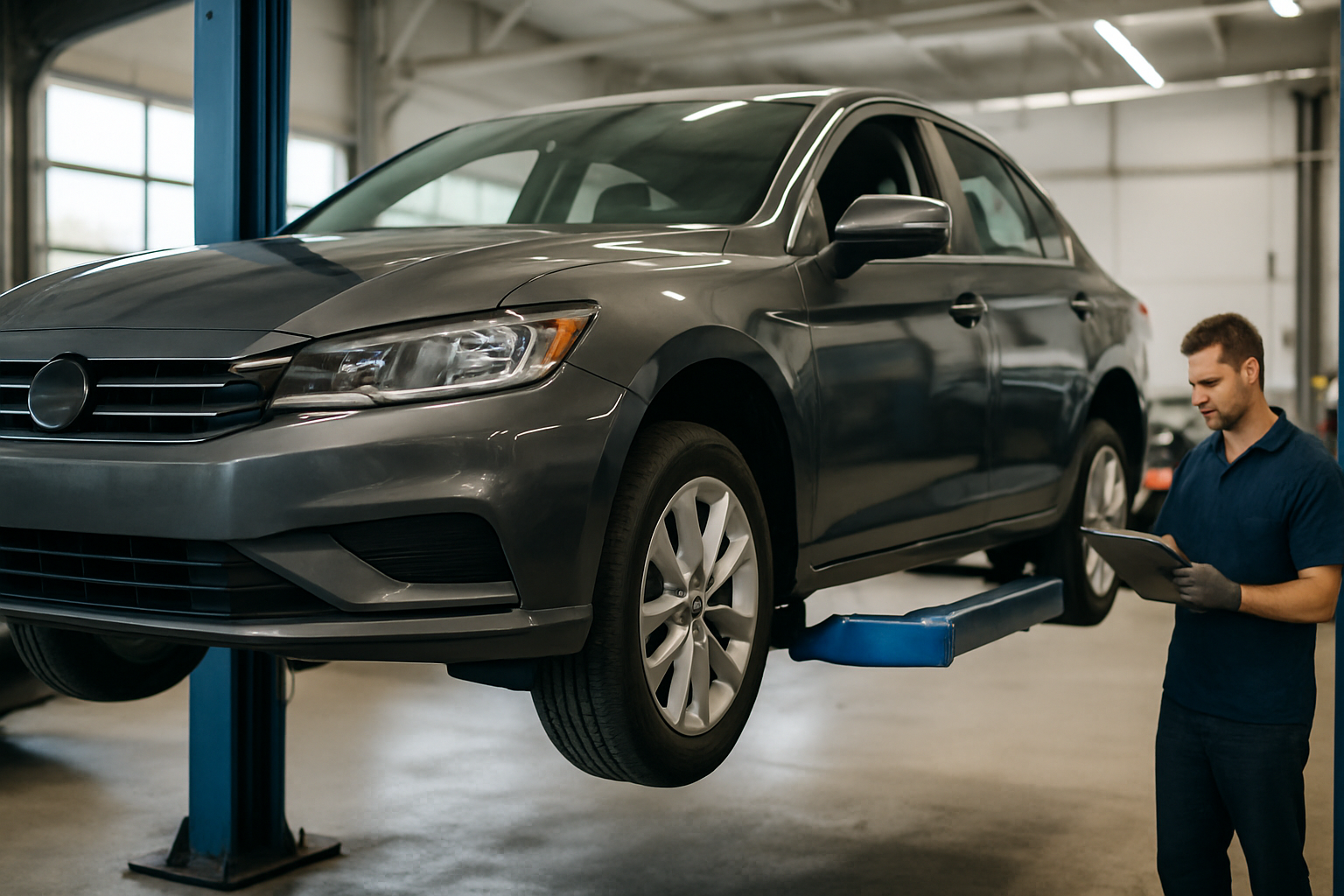
City drivers should have their brakes inspected more frequently than the typical recommendation. If you spend most of your time in stop-and-go traffic, consider having your brakes checked every 10,000 miles instead of waiting for your regular service intervals.
Don’t wait for squealing noises to have your brakes inspected. By the time most brake pads start making noise, they’re already worn down significantly. A visual inspection can catch brake wear before it becomes a safety issue or requires more expensive repairs.
Keep track of how your brakes feel during your daily commute. Changes in pedal feel, stopping distance, or unusual noises are all signs that your brake system needs professional attention. Catching these problems early can save you money and prevent dangerous brake failures.
The Bottom Line on Traffic and Brake Wear
Stop-and-go traffic is simply harder on your brakes than highway driving, and there’s no way around this fact. The constant heating cycles, lack of cooling time, and sheer number of brake applications in city driving will wear out your brake pads faster than smooth highway miles.
Understanding this reality helps you budget for brake maintenance and adjust your driving habits to minimize unnecessary brake wear. Your wallet and your safety will benefit from paying attention to how traffic affects your brake system.
Regular brake inspections become even more important if you’re frequently stuck in traffic. Don’t assume your brakes are fine just because you’re not driving aggressively or at high speeds. Sometimes the most mundane driving conditions are the hardest on your car’s components.
Leave a Reply