
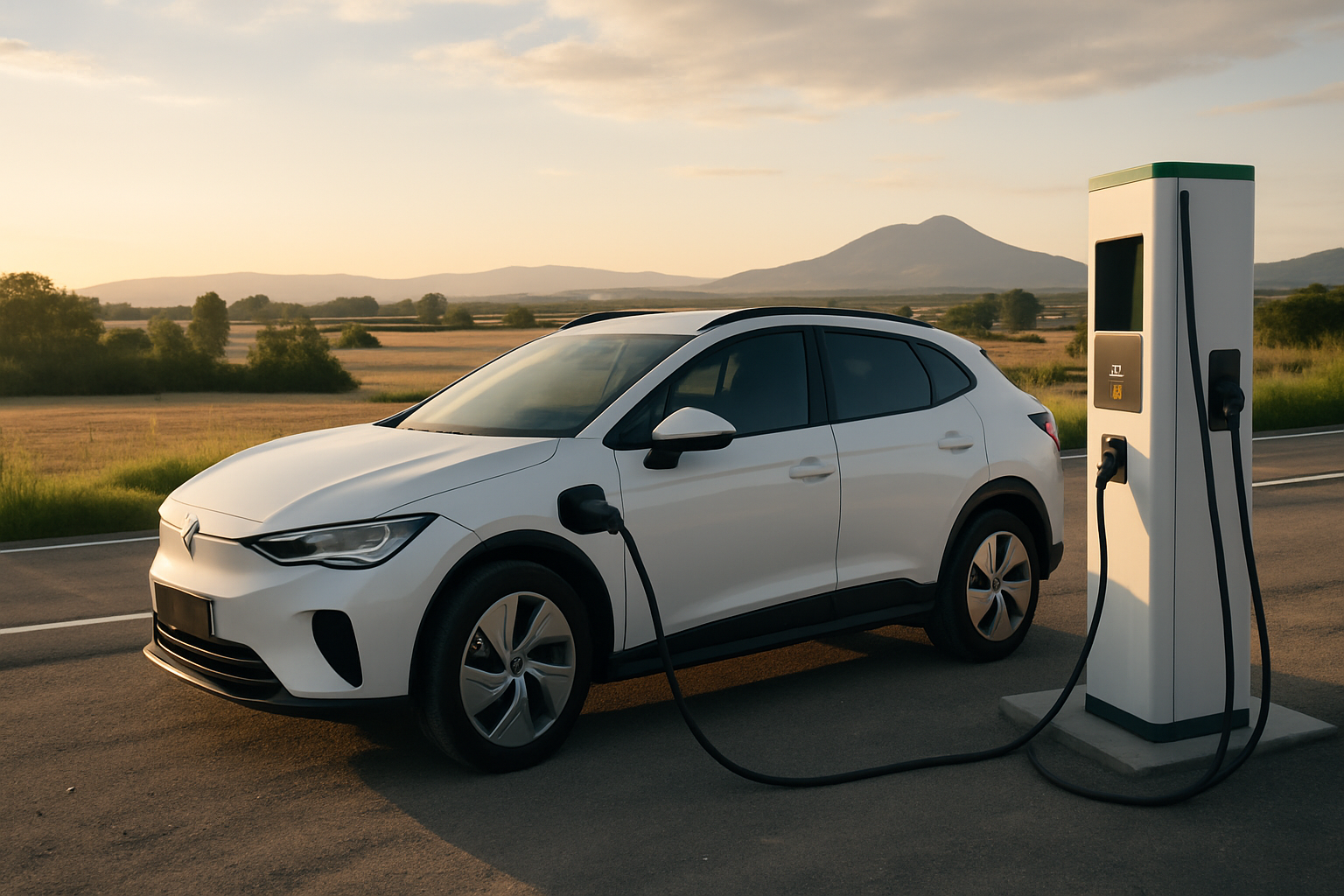
Electric car road trips were once the stuff of wishful thinking, but today’s EVs and charging infrastructure have transformed long-distance travel into something genuinely achievable. The key isn’t just having a car with decent range, but understanding how to plan effectively and what to expect when you’re covering serious miles on electrons instead of gasoline.
Today’s Electric Car Landscape for Road Trips
Range anxiety used to be a legitimate concern when most EVs could barely manage 100 miles on a charge. Modern electric vehicles have changed this equation completely. Cars like the BMW iX can travel over 300 miles on a single charge, while the Mercedes EQS pushes beyond 450 miles in ideal conditions.
But range is only half the story. The charging infrastructure that supports these longer journeys has exploded in recent years. Tesla’s Supercharger network now spans major highways across North America, while networks like Electrify America, EVgo, and ChargePoint have filled in most of the gaps for non-Tesla vehicles.
You don’t need the absolute longest-range EV to road trip successfully. Even vehicles with 250-300 miles of real-world range can handle cross-country trips with proper planning. The sweet spot for comfortable road tripping starts around 300 miles of EPA range, which translates to roughly 250-270 miles of highway driving range in typical conditions.
How Charging Networks Have Evolved
The charging landscape looks dramatically different than it did just five years ago. Tesla’s Supercharger network remains the gold standard, with reliable 150-250kW charging speeds and stations positioned every 50-100 miles on major routes. More importantly, these chargers work consistently and the payment system is seamless through the car’s interface.
Non-Tesla networks have caught up significantly. Electrify America operates high-speed chargers (150-350kW) along major highways, though reliability can vary by location. Their stations typically offer multiple charging standards, including CCS and CHAdeMO connectors.
ChargePoint and EVgo focus more on urban charging but have expanded highway coverage. Many locations now feature charging speeds of 125kW or higher, which can add 200+ miles of range in 30-45 minutes for most modern EVs.
The real improvement has been in payment systems and user experience. Most networks now offer smartphone apps that let you start charging, monitor progress, and pay without fumbling with credit cards or RFID tags. Some EVs integrate directly with certain networks, making the process as simple as plugging in.
Planning Tools That Actually Work
A Better Route Planner (ABRP) has become the go-to tool for EV road trip planning. You input your specific vehicle model, current battery state, and desired arrival charge level, and it calculates optimal charging stops along your route. The app considers real-world efficiency data, elevation changes, weather conditions, and even your driving style preferences.
ABRP’s strength lies in its vehicle-specific algorithms. It knows that a Tesla Model S will be more efficient than a Ford Lightning, and that both will lose range in cold weather or strong headwinds. The app updates recommendations in real-time based on your actual consumption during the trip.
PlugShare remains essential for finding charging stations and reading recent user reviews. The community-driven reviews help you avoid broken chargers or stations with access issues. Many users post photos showing exactly where chargers are located, which can save significant time at unfamiliar stops.
Most automakers now include route planning in their navigation systems. These built-in systems can precondition the battery for optimal charging speeds and often provide more accurate range estimates than third-party apps. However, they’re usually not as flexible as ABRP for complex trip planning.
Real-World Range vs EPA Ratings
EPA range ratings provide a useful baseline, but your actual highway range will typically be 10-20% lower than the EPA number. This gap exists because EPA testing includes city driving, where EVs are most efficient, while highway speeds are harder on battery range.
At 70-75 mph, expect to achieve roughly 80-85% of EPA range in mild weather. Cold temperatures can reduce this further, sometimes to 70% of EPA range when it’s below 20°F. Hot weather has less impact but still costs a few percentage points due to air conditioning use.
Elevation changes dramatically affect range calculations. Driving from Denver to Las Vegas involves thousands of feet of elevation loss, which can extend your range significantly through regenerative braking. Conversely, climbing from sea level into mountain passes will drain the battery faster than flat highway driving.
Wind conditions matter more than most people realize. A strong headwind can reduce range by 15-20%, while a tailwind provides the opposite benefit. ABRP and other planning tools attempt to account for weather forecasts, but conditions can change during long trips.
How Much Time Charging Actually Adds
The honest answer is that charging adds 45-90 minutes to most road trips compared to gas vehicles, depending on distance and your EV’s charging speed. For a 600-mile trip that would take 9 hours in a gas car, expect to add roughly an hour of charging time.
This assumes you’re driving a modern EV with fast-charging capability (150kW+) and using high-speed chargers. Older EVs or slower charging networks can double these times. The key is charging strategy rather than trying to minimize stops.
Instead of charging to 100% and driving until nearly empty, you’ll typically charge from 20% to 80% at each stop. This sweet spot provides the fastest charging speeds since batteries charge more slowly as they approach full capacity. Most modern EVs can add 200+ miles of range in 30-40 minutes when using this approach.
Many EV owners discover that charging breaks actually improve their road trip experience. Stops every 2.5-3 hours align well with natural break schedules for meals and rest. The forced breaks can reduce driver fatigue compared to the marathon gas-and-go approach many people use in conventional cars.
Practical Charging Strategies
Start each travel day with a full battery when possible. Many hotels now offer EV charging, or you can use apps like PlugShare to find overnight charging near your accommodation. Beginning each day at 100% gives you maximum flexibility for the day’s driving.
Plan charging stops around meals and activities rather than viewing them as inconveniences. Many fast-charging locations are co-located with restaurants, shopping centers, or attractions. A 45-minute lunch break can easily add 250+ miles of range.
Always have a backup charging option identified. If your planned stop is broken or occupied, you want to know the next closest option without scrambling to research alternatives. ABRP and PlugShare both show multiple options along your route.
Monitor charging speeds and don’t be afraid to move if a charger is performing poorly. A charger showing 50kW when you expected 150kW+ will significantly extend your stop time. Most charging networks show real-time availability and speeds through their apps.
Cold Weather Considerations
Winter road tripping requires extra planning since cold temperatures can reduce range by 20-30%. Plan for shorter driving segments and longer charging sessions. Battery preconditioning becomes critical for maintaining reasonable charging speeds in freezing temperatures.
Many EVs can precondition the battery while plugged in at your departure point, which preserves range that would otherwise be used for battery warming. Some vehicles automatically precondition when navigating to a fast charger, ensuring optimal charging speeds upon arrival.
Pack emergency supplies including warm clothes and blankets since running the heater while stuck in traffic or weather delays will drain the battery faster than in mild conditions. A small 12V cooler/warmer can provide personal heating while using less energy than the main cabin heater.
Cost Considerations
Fast-charging costs vary significantly by network and location, typically ranging from $0.25 to $0.55 per kWh. This translates to roughly $15-35 to add 200 miles of range, depending on your vehicle’s efficiency and local charging rates.
Many charging networks offer subscription plans that reduce per-kWh rates for frequent users. Electrify America’s Pass+ membership costs $7/month but can save $0.10+ per kWh. Tesla Supercharging for non-Tesla vehicles typically costs more than for Tesla owners.
Compare charging costs to gas prices for your route. In many areas, fast-charging costs are comparable to gasoline for highway driving, though still cheaper than premium gas. The real savings come from home charging for daily driving, not road trip charging.
What to Expect at Charging Stations
Charging stations aren’t gas stations. Many are located in parking lots of retail centers, hotels, or office complexes. Some have amenities like restrooms and food nearby, while others might be in relatively isolated locations with limited services.
Payment systems vary by network. Tesla Superchargers automatically bill your account, while most other networks require you to start sessions through smartphone apps or RFID cards. Credit card readers exist at many stations but don’t always work reliably.
Charging etiquette matters in the growing EV community. Don’t park in charging spots unless you’re actively charging, and move your vehicle promptly when charging completes to avoid idle fees and free up the charger for others.
Frequently Asked Questions
Can I road trip in any electric car?
You can road trip in most modern EVs, but cars with less than 200 miles of EPA range require more frequent stops and careful planning. Vehicles with 250+ miles of range and fast-charging capability (100kW+) provide the most flexibility and shortest charging times. Older EVs with limited fast-charging speeds can handle road trips but will require longer charging breaks.
What happens if I can’t find a working charger?
Modern planning apps show real-time charger status and user reviews to minimize this risk. Always identify backup charging options along your route. If you encounter a completely dead charging area, most EVs can use standard 120V outlets for emergency charging, though this is extremely slow. Roadside assistance through AAA or your automaker can also provide mobile charging or towing to the nearest working charger.
How much does road trip charging cost compared to gas?
Fast-charging costs typically range from $15-35 to add 200 miles of range, depending on local rates and your vehicle’s efficiency. This often costs similar to or slightly less than gasoline for equivalent range, though regional variations are significant. The main cost advantage of EVs comes from cheaper home charging for daily use rather than road trip charging.
Should I buy or rent an EV for a road trip?
If you’re new to EVs, renting can be a smart way to test road trip feasibility without commitment. However, rental EVs often come with unfamiliar charging network accounts and apps, which can complicate the experience. Owning an EV allows you to optimize charging network memberships and become familiar with your vehicle’s specific charging behavior and efficiency patterns.
This article contains affiliate links. If you purchase through these links, we may earn a small commission at no extra cost to you.
Leave a Reply