
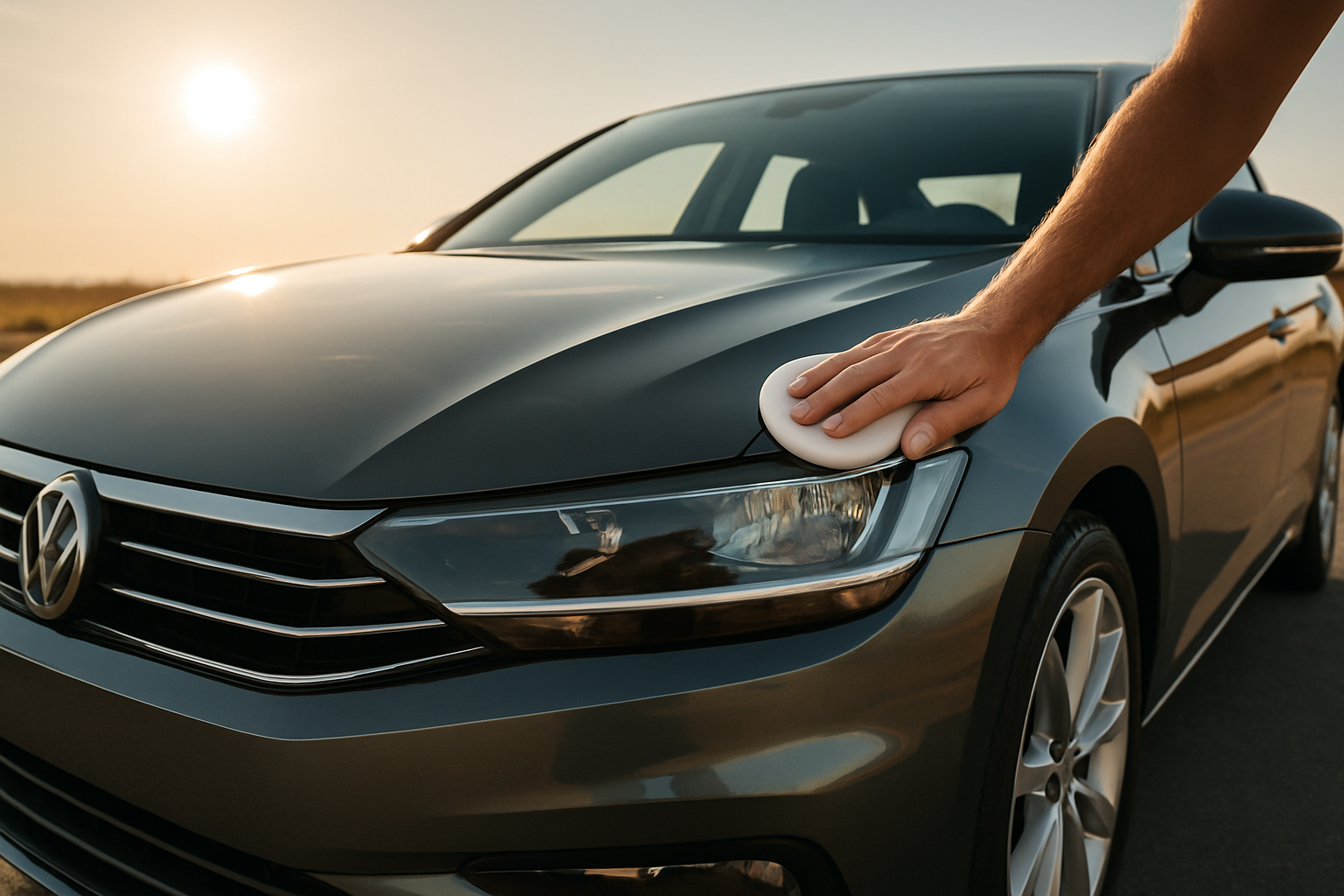
Your car’s paint takes a beating from the sun every single day, and most drivers don’t realize the damage is happening until it’s too late. UV rays break down your clear coat, causing fading, oxidation, and that dull, chalky appearance that kills your vehicle’s resale value.
Protecting your paint from sun damage isn’t just about keeping your car looking good today. It’s about preserving one of your biggest investments for years to come.
Understanding UV Damage to Your Car’s Paint
Your car’s paint system has multiple layers, with the clear coat acting as the primary barrier against UV radiation. When UV rays penetrate this protective layer, they break down the chemical bonds in both the clear coat and the color layer beneath it.
This process happens gradually, which is why you might not notice it at first. You’ll start seeing subtle fading on horizontal surfaces like your hood, roof, and trunk lid. These areas get the most direct sunlight throughout the day.
Once the clear coat begins failing, you’ll notice a chalky texture when you run your hand over the paint. This oxidation process accelerates quickly once it starts, turning minor fading into major paint failure that requires expensive professional restoration.
Ceramic Coating: Premium Protection That Lasts
Ceramic coating represents the gold standard for paint protection against UV damage. These liquid polymer coatings bond directly to your car’s clear coat at a molecular level, creating a semi-permanent barrier that blocks harmful UV rays.
Professional ceramic coatings like Ceramic Pro 9H or Gtechniq Crystal Serum Ultra can last 2-5 years with proper maintenance. They don’t just block UV rays; they also provide incredible gloss enhancement and make your car much easier to wash.
The application process requires meticulous paint preparation, including clay bar treatment and paint correction to remove any existing defects. Most car owners choose professional installation because the prep work and application technique directly impact the coating’s performance and longevity.
DIY ceramic coating options are available and more affordable. Products like Chemical Guys HydroSlick or Mothers CMX offer excellent UV protection for 1-2 years. These ceramic coating sprays apply much easier than professional-grade coatings but still require clean paint and proper application technique.
Paint Sealant: Long-Lasting Synthetic Protection
Paint sealants bridge the gap between traditional wax and ceramic coatings. These synthetic polymers bond to your clear coat and provide excellent UV protection for 6-12 months, depending on environmental conditions and maintenance.
Meguiar’s Ultimate Liquid Wax and Chemical Guys JetSeal are popular sealant options that apply easily and provide consistent protection. Unlike wax, sealants won’t break down as quickly in high heat, making them ideal for vehicles parked outdoors regularly.
The application process is straightforward: clean the paint thoroughly, apply the sealant in thin, even coats using a microfiber applicator, and buff off any residue. Most sealants cure within 12-24 hours and reach full effectiveness after a week.
You can layer sealants for enhanced protection. Apply a base coat, let it cure for 24 hours, then add a second layer. This technique extends the protection period and provides more consistent coverage across the entire vehicle.
Traditional Wax: Affordable Short-Term Protection
Carnauba wax and synthetic waxes still have their place in paint protection, especially for drivers who enjoy regular detailing sessions. While they don’t last as long as sealants or ceramic coatings, quality waxes provide excellent UV protection for 2-4 months.
Pure carnauba wax like Collinite 845 or Mother’s California Gold creates a warm, natural glow while blocking UV rays. The natural oils in carnauba wax actually help nourish your clear coat, preventing the dry, brittle condition that leads to cracking and peeling.
Application frequency is the key drawback. You’ll need to reapply wax every 6-8 weeks in sunny climates to maintain consistent UV protection. However, this regular maintenance schedule helps you spot paint issues early, before they become expensive problems.
Paint Protection Film: Ultimate Physical Barrier
Paint Protection Film (PPF) provides the most comprehensive protection against both UV damage and physical damage like rock chips and scratches. Modern PPF products like XPEL Ultimate Plus and 3M Scotchgard Pro include UV inhibitors that prevent yellowing and provide excellent protection against sun damage.
Full-vehicle PPF installation is expensive, typically ranging from $3,000 to $6,000 depending on your vehicle size and complexity. However, partial coverage on high-impact areas like the front bumper, hood, and side mirrors provides significant protection at a lower cost.
PPF installation requires professional expertise and specialized tools. The film must be precisely cut and applied without bubbles or contamination. Poor installation can actually trap moisture and accelerate paint damage, so choose your installer carefully.
Quality PPF comes with 10-year warranties against yellowing, cracking, and peeling. This longevity makes it cost-effective for vehicles you plan to keep long-term or high-value cars where paint preservation is critical.
Parking Strategies: Simple Prevention Methods
Where you park makes a huge difference in UV exposure. Covered parking or garage storage eliminates most sun damage, but these options aren’t always available. When parking outdoors, look for natural shade from trees or buildings, especially during peak sun hours between 10 AM and 4 PM.
Tree shade provides excellent UV protection, but watch out for tree sap, bird droppings, and falling debris. These contaminants can cause their own paint damage if left on the surface too long. Clean them off immediately using appropriate cleaning products.
Parking orientation matters too. If you must park in direct sunlight, position your vehicle so the front or rear faces the sun rather than the side. This reduces the surface area exposed to direct UV rays and helps prevent uneven fading.
Car Covers: Portable Protection for Any Location
A quality car cover provides excellent UV protection when garage parking isn’t available. Look for covers with UV-resistant fabric and proper ventilation to prevent moisture buildup underneath.
Custom-fit covers like those from Covercraft or California Car Cover provide the best protection and won’t flap in the wind. Universal covers are cheaper but may not fit properly, allowing UV rays to reach your paint through gaps.
Indoor/outdoor covers use different materials. Outdoor covers need weather resistance and UV protection, while indoor covers focus on dust protection and breathability. Using the wrong type can cause more harm than good.
Cover maintenance is important for paint protection. Dirty covers can scratch your paint during installation and removal. Wash your cover regularly and inspect it for debris before each use.
Combining Protection Methods for Maximum Results
The most effective paint protection combines multiple approaches. Start with a base layer of ceramic coating or paint sealant for consistent UV protection. Add a car cover when parking for extended periods in direct sunlight.
PPF on high-impact areas combined with ceramic coating on the rest of the vehicle provides comprehensive protection against both physical and UV damage. This combination works especially well for daily drivers in sunny climates.
Regular maintenance amplifies any protection method. Wash your car every two weeks to remove UV-concentrating contaminants like water spots and environmental fallout. Use pH-neutral car soap to preserve your protective coatings.
Signs of Existing Sun Damage and Prevention
Check your paint regularly for early signs of UV damage. Look for subtle color changes on horizontal surfaces, especially the hood and roof. These areas show damage first because they receive the most direct sunlight.
Chalky or rough texture when you touch the paint indicates clear coat failure. This damage requires professional paint correction before applying any protective products. Applying coating over damaged clear coat won’t stop the deterioration process.
Water beading behavior tells you about your paint’s condition. Healthy clear coat with good protection causes water to bead up and roll off easily. Flat water sheets or poor beading indicates compromised protection that needs attention.
Frequently Asked Questions
How often should I reapply paint protection?
This depends on your chosen protection method. Wax needs reapplication every 2-3 months, paint sealants last 6-12 months, and ceramic coatings can protect for 2-5 years. Environmental conditions and maintenance habits affect these timeframes significantly.
Can I apply ceramic coating over existing wax or sealant?
No, ceramic coatings need to bond directly to the clear coat. Any existing wax or sealant must be completely removed using a paint prep solution or clay bar treatment. Proper surface preparation is critical for ceramic coating performance and longevity.
Is paint protection worth it for older vehicles?
Yes, if the paint is still in good condition. Older vehicles with healthy clear coat benefit significantly from protection products. However, cars with existing UV damage need paint correction first, which may not be cost-effective depending on the vehicle’s value.
Do dark colors need more UV protection than light colors?
All paint colors suffer UV damage, but dark colors show fading and damage more obviously. Black, dark blue, and red paints are particularly susceptible to visible UV damage. Light colors like white and silver hide damage better but still need protection to maintain their appearance and value.
This article contains affiliate links. If you purchase through these links, we may earn a small commission at no extra cost to you.
Leave a Reply