
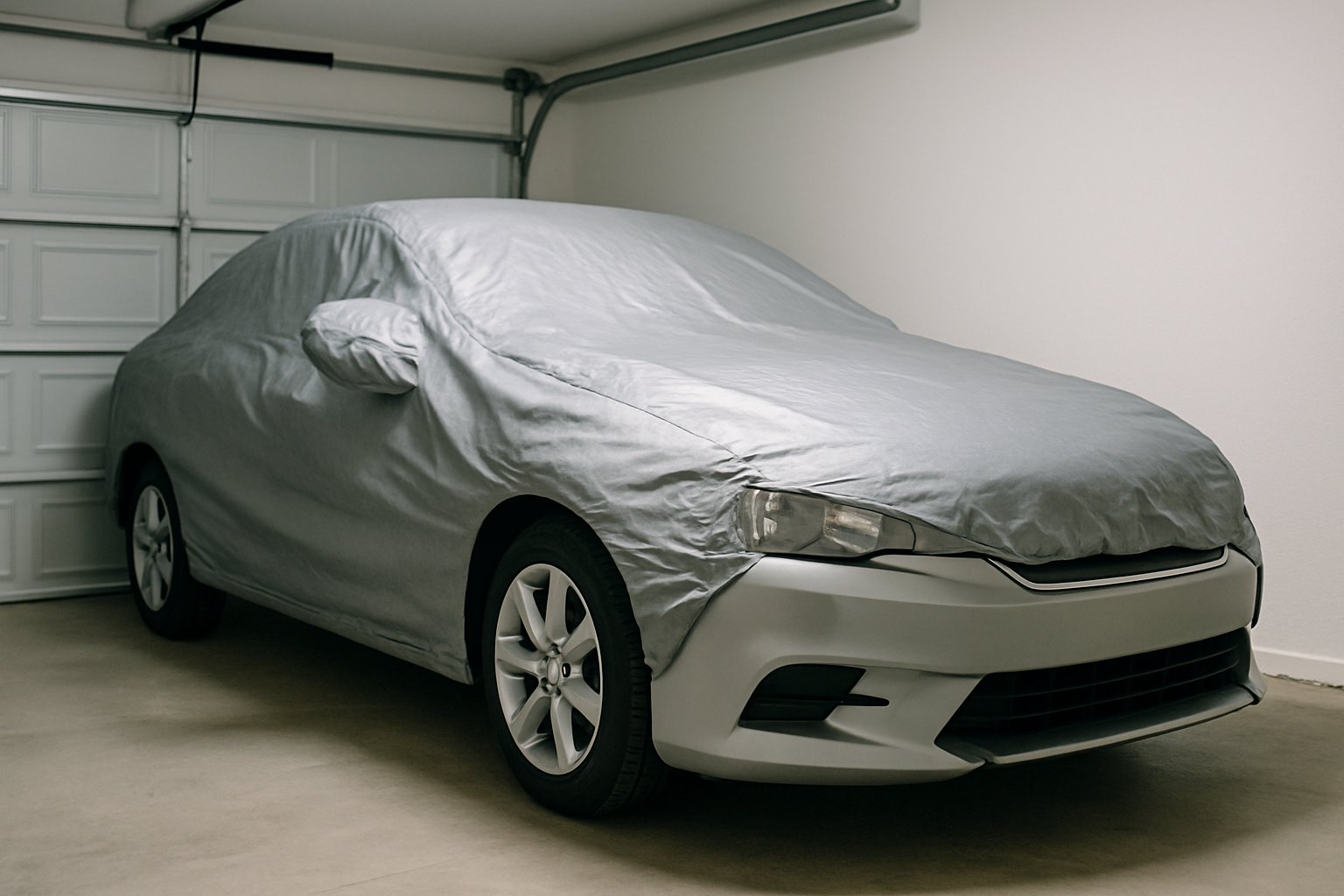
Storing your car for several months requires careful preparation to avoid costly damage and ensure it starts reliably when you return. Whether you’re deployed overseas, storing a seasonal vehicle, or taking an extended trip, proper long-term storage techniques can save you hundreds in repairs and maintenance.
Essential Fluids and Fuel System Protection
Your car’s fuel system needs special attention during extended storage. Gasoline starts breaking down within 30 days, forming gums and varnishes that can clog injectors and damage fuel pumps.
Add a high-quality fuel stabilizer like STA-BIL or Sea Foam to your tank before storage. Use one ounce of stabilizer per 2.5 gallons of fuel. Fill your tank completely to minimize air exposure and prevent condensation buildup inside the tank.
After adding the stabilizer, drive your car for 10-15 minutes to circulate the treated fuel through the entire system. This ensures the stabilizer reaches your fuel injectors, fuel rail, and other critical components.
Change your engine oil and filter before storage, even if you’re not due for regular maintenance. Used oil contains contaminants and acids that can damage internal engine components over time. Fresh oil provides better protection during the dormant period.
Battery Care and Electrical System Maintenance
Car batteries lose charge naturally over time, and a completely dead battery can suffer permanent damage from sulfation. A quality battery tender or trickle charger is your best defense against this expensive problem.
Connect a smart battery tender like the Battery Tender Plus or NOCO Genius series to your battery terminals. These devices monitor battery voltage and provide small charging currents as needed to maintain optimal charge levels.
Clean your battery terminals with a wire brush and apply terminal protector spray before connecting the tender. This prevents corrosion buildup during storage and ensures good electrical connections.
Park your car near a standard 110V outlet, or use a heavy-duty outdoor extension cord rated for continuous use. Some battery tenders include quick-disconnect harnesses that make it easy to connect and remove the charger without accessing the battery directly.
Tire and Suspension Protection Methods
Extended storage can cause flat spots on your tires where they contact the ground. These flat spots create vibrations and uneven wear patterns that can ruin expensive tires.
You have two effective options for tire protection. The first method involves overinflating your tires by 10-15 PSI above the recommended pressure. This reduces the contact patch and helps prevent flat spotting on shorter storage periods.
For storage periods longer than four months, consider using jack stands to lift the vehicle completely off the ground. Position jack stands at the manufacturer’s recommended lift points, typically reinforced areas near each wheel. Remove all four wheels and store them separately in a cool, dry location.
If using jack stands, rotate the wheels and tires monthly if possible to prevent the rubber from developing permanent flat spots. This extra step takes minimal effort but can save you from replacing a complete set of tires.
Environmental Protection and Moisture Control
Moisture is one of the biggest enemies during car storage. Humidity causes rust, mold, and electrical problems that can cost thousands to repair.
Place moisture-absorbing products throughout your vehicle’s interior and trunk. DampRid hanging bags work well in enclosed spaces, while rechargeable Eva-Dry units provide long-term moisture control. Position these products on floor mats rather than directly on upholstery.
Clean your car thoroughly before storage, including a complete interior vacuuming and wipe-down. Food crumbs and spilled liquids attract pests and can cause permanent odors during extended storage.
Apply a quality car wax to protect the paint from environmental contaminants. Consider using a breathable car cover designed for indoor or outdoor storage, depending on where you’ll park the vehicle.
Engine and Exhaust System Sealing
Small animals and insects love to build nests in warm, protected spaces like your car’s engine bay and exhaust system. These unwanted guests can cause serious damage to wiring, air filters, and exhaust components.
Cover your air intake with a plastic bag and secure it with a rubber band or zip tie. This prevents insects and rodents from entering through the air filter housing. Place a bright-colored note on your windshield reminding yourself to remove this covering before starting the engine.
Stuff steel wool or aluminum foil into your exhaust pipe opening to block access while still allowing any condensation to escape. Avoid completely sealing the exhaust, as trapped moisture can cause internal corrosion.
Consider placing mothballs or dryer sheets around the engine bay to deter rodents. Check these deterrents monthly and replace them as needed to maintain effectiveness.
Recommended Storage Products and Covers
Investing in quality storage accessories can make the difference between a car that starts easily after storage and one that requires expensive repairs. Breathable car storage covers provide excellent protection from dust, UV rays, and moisture while preventing condensation buildup underneath.
Look for covers made from multi-layer materials that include moisture-wicking properties. Brands like Covercraft and OxGord offer vehicle-specific covers that fit properly and include features like antenna grommets and mirror pockets.
For indoor storage, lighter-weight covers work well and are easier to install and remove. Outdoor storage requires heavier-duty materials with UV protection and reinforced stress points to withstand wind and weather.
Insurance and Legal Considerations
Contact your insurance company before storing your vehicle for an extended period. Many insurers offer reduced rates for stored vehicles or allow you to temporarily suspend coverage while maintaining comprehensive protection.
Comprehensive coverage protects against theft, vandalism, and weather damage during storage. Liability coverage can often be suspended since you won’t be driving the vehicle, but check your state’s requirements first.
Some states allow you to file for non-operational status, which can reduce or eliminate registration fees during storage. However, you’ll need to re-register and potentially pass emissions testing before driving again.
Document your vehicle’s condition with photos before storage. This provides valuable evidence for insurance claims and helps you remember any existing issues when you return to the vehicle.
Pre-Storage Preparation Checklist
Complete a thorough inspection of all fluids, including coolant, brake fluid, and power steering fluid. Top off any low fluids and consider changing coolant if it’s more than two years old.
Disconnect the negative battery cable if you’re not using a battery tender. This prevents parasitic drain from electronic systems like clocks and alarm systems.
Remove any valuable items from the vehicle and ensure all windows are slightly cracked for ventilation if storing indoors. Completely closed windows can trap moisture and cause window regulators to stick.
Set your parking brake lightly or not at all if storing for more than three months. Brake pads can stick to rotors during extended storage, requiring expensive repairs to free them.
Frequently Asked Questions
How often should I start my car during storage?
Avoid starting your car occasionally during storage unless you can drive it for at least 20 minutes to reach full operating temperature. Short starts can actually cause more harm than good by introducing moisture into the exhaust system without burning it off completely.
Can I store my car with a nearly empty fuel tank?
Never store a car with an empty or nearly empty fuel tank. The empty space allows moisture to condense inside the tank, leading to rust and fuel system contamination. Always fill the tank completely with stabilized fuel before storage.
What’s the maximum time I can store a car using these methods?
Following these procedures, most vehicles can safely sit for 6-12 months without major issues. Beyond one year, additional steps like draining fluids and more intensive preparation become necessary to prevent damage.
Should I remove the battery completely during storage?
Remove the battery only if you can’t use a battery tender and plan to store it indoors at room temperature. Connected batteries on tenders actually last longer than those stored separately, as the tender prevents harmful deep discharge cycles.
This article contains affiliate links. If you purchase through these links, we may earn a small commission at no extra cost to you.
Leave a Reply